TJ THELEN'S COLLECTION
The Thelen Reserve
Behind the Bottles / Washington across the Cascades

Woodinville Whiskey Co.

Last updated Last researched

One whiskey. Two Washington landscapes.

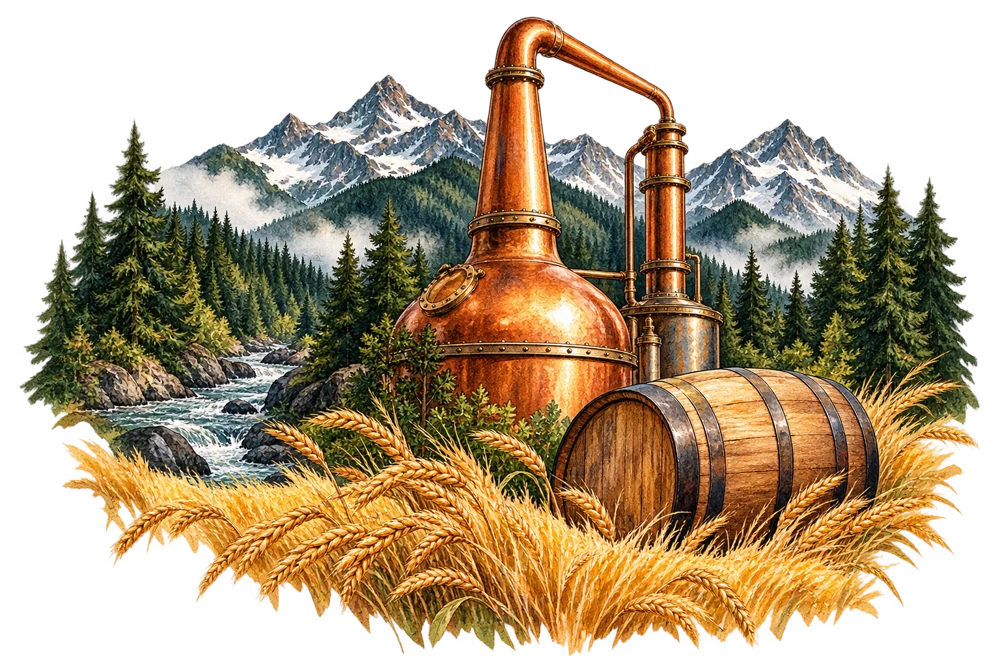
Woodinville makes Washington geography part of the whiskey. Grain comes from Quincy, crosses the Cascades for distillation, then returns east for maturation. That round trip links a small distilling home to a much wider landscape. Founded by Brett Carlile and Orlin Sorensen in 2010, the company has moved from early micro-barreled releases to mature bourbon, rye and a growing set of oak experiments. Its story is both a friendship and a patient argument for doing American whiskey in Washington.[1][5]

Interpretive watercolor of Washington landscapes, grain and whiskey
Founded · 2010

Carlile and Sorensen

Distillery · 2014

Woodinville, Washington

Maturation · Quincy

East of the Cascades

Moët Hennessy · 2017

Washington-made core

01 / Origins & people

Two founders, a mentor and a farming family.

Brett Carlile

Co-founder and head distiller

Carlile’s role runs from production to barrel selection. The current seven-year single-barrel offering is presented as his selection from many tasted casks. His name also appears behind the tequila-finish experiments, linking everyday production judgment with limited releases.[16][9]

Orlin Sorensen

Co-founder

Sorensen helped build the company with Carlile and continued leading it after the 2017 acquisition. Later chapters include the bottle redesign and the discovery that became Founder’s Find. The public story connects commercial development with a willingness to explore beyond the original house whiskey.[1][5][17]

Dave Pickerell

Founding-era mentor

LVMH credits the late Dave Pickerell as an important mentor. That influence belongs to Woodinville’s beginnings and its approach to craft production. It should not be mistaken for a current appointment or a claim that Woodinville inherited a historic Kentucky distillery.[2]

The Omlin family

Grain-growing partners

The Omlins farm in Quincy, on the eastern side of the mountains. Woodinville’s current account calls the family fourth generation. Their role gives the grain supply a named agricultural origin, rather than leaving Washington as a bottling address alone.[5][12]

02 / The illustrated history

From a small beginning to patient maturation.

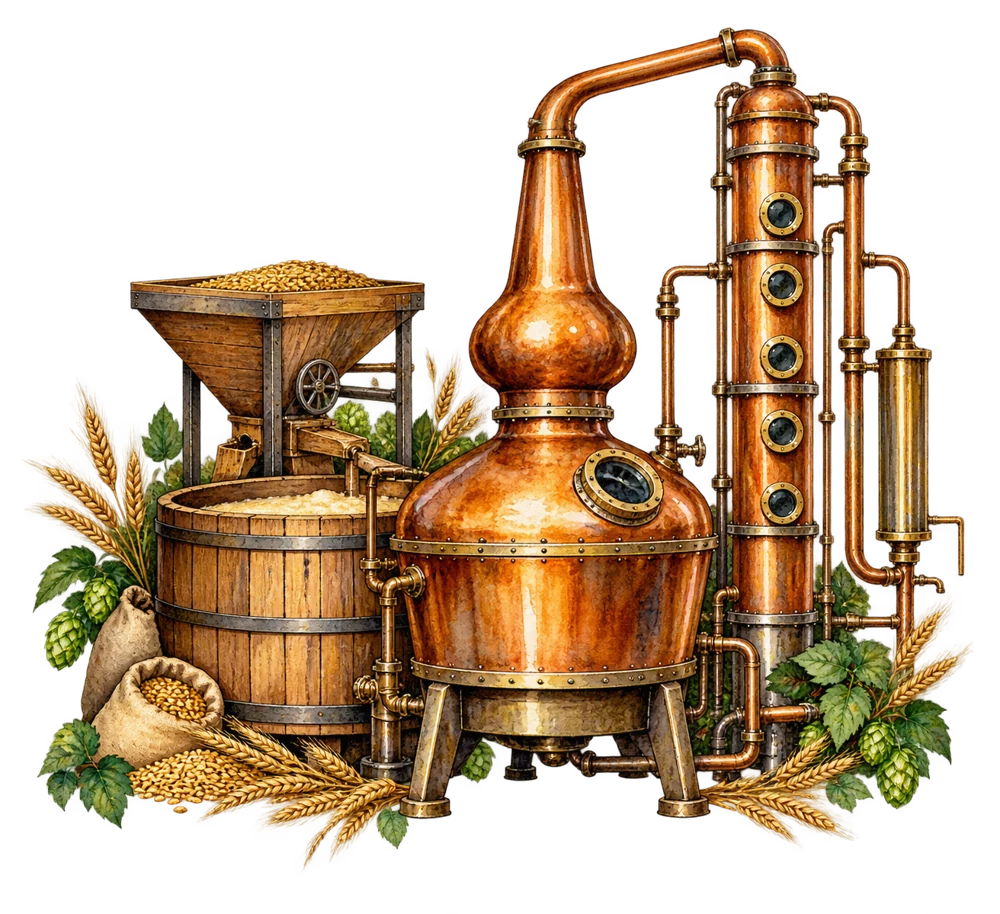
From the 2010 founding to six-year flagships and the ten-year release. Each scene is an original interpretive watercolor.
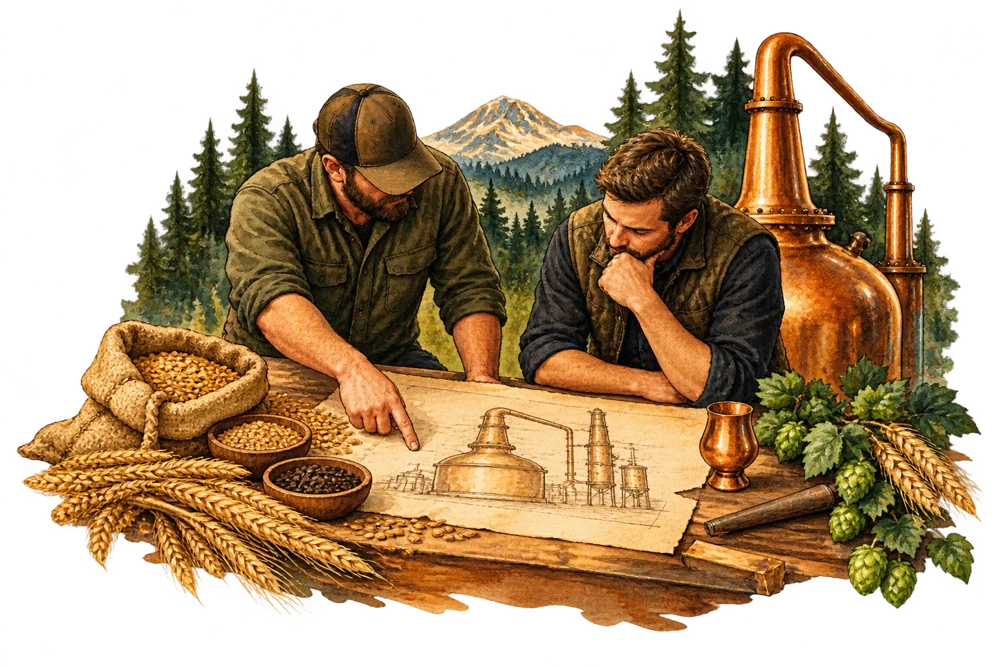
founders, symbolic watercolor illustration
2010

Two friends start in Washington.

Brett Carlile and Orlin Sorensen establish Woodinville. This is the company’s founding date, distinct from the later completion of its larger distillery and tasting room.[1]
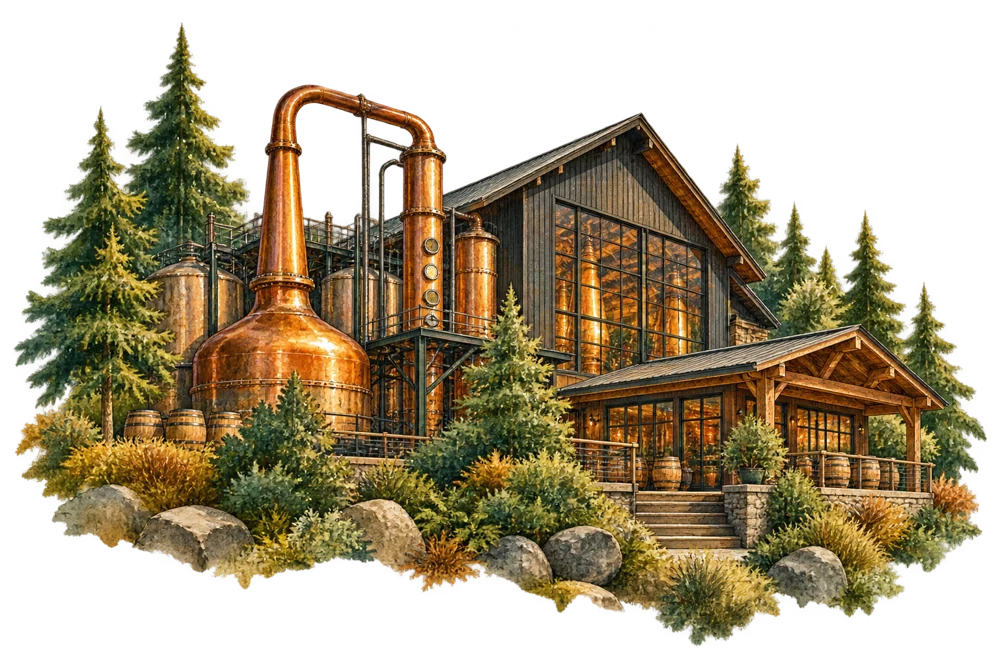
distillery, symbolic watercolor illustration
2014

A distilling home takes shape.

The new distillery and tasting room are completed in Woodinville. Maturation has a different home in Quincy, establishing a split between the western production setting and eastern barrel warehouses.[1]
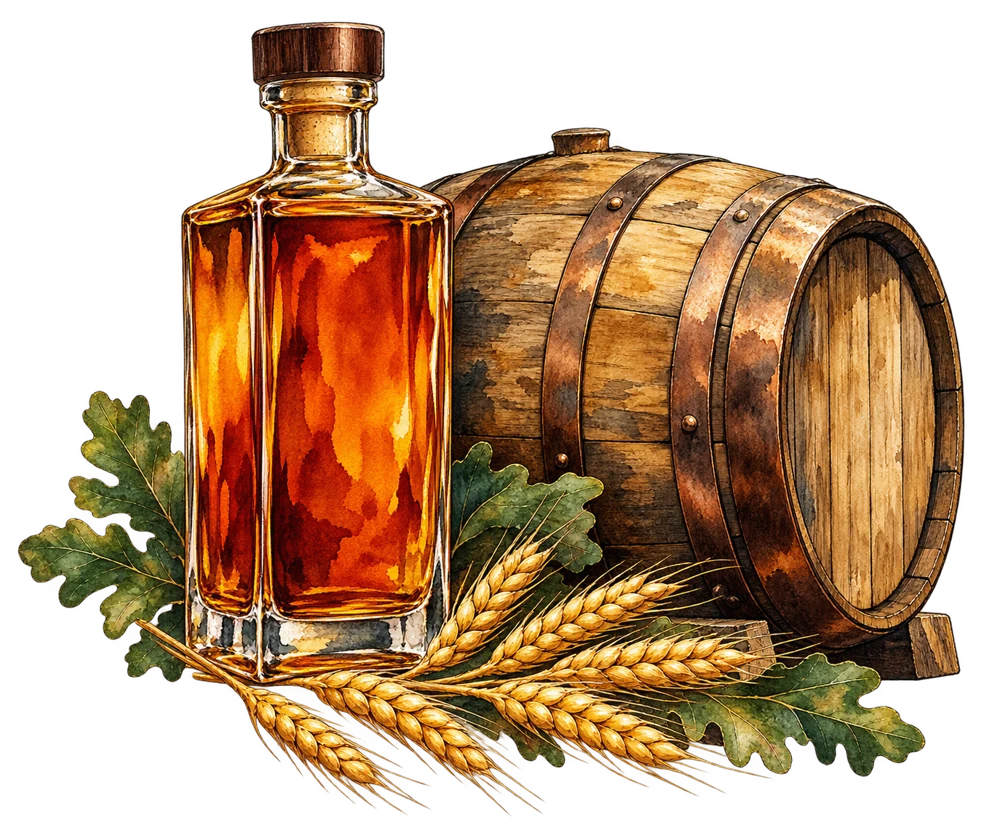
bourbon, symbolic watercolor illustration
2015

The five-year bourbon arrives.

After early micro-barreled whiskey, Woodinville launches its five-year Straight Bourbon. LVMH’s contemporary account records an American Distilling Institute Whiskey of the Year award for 2016.[1]
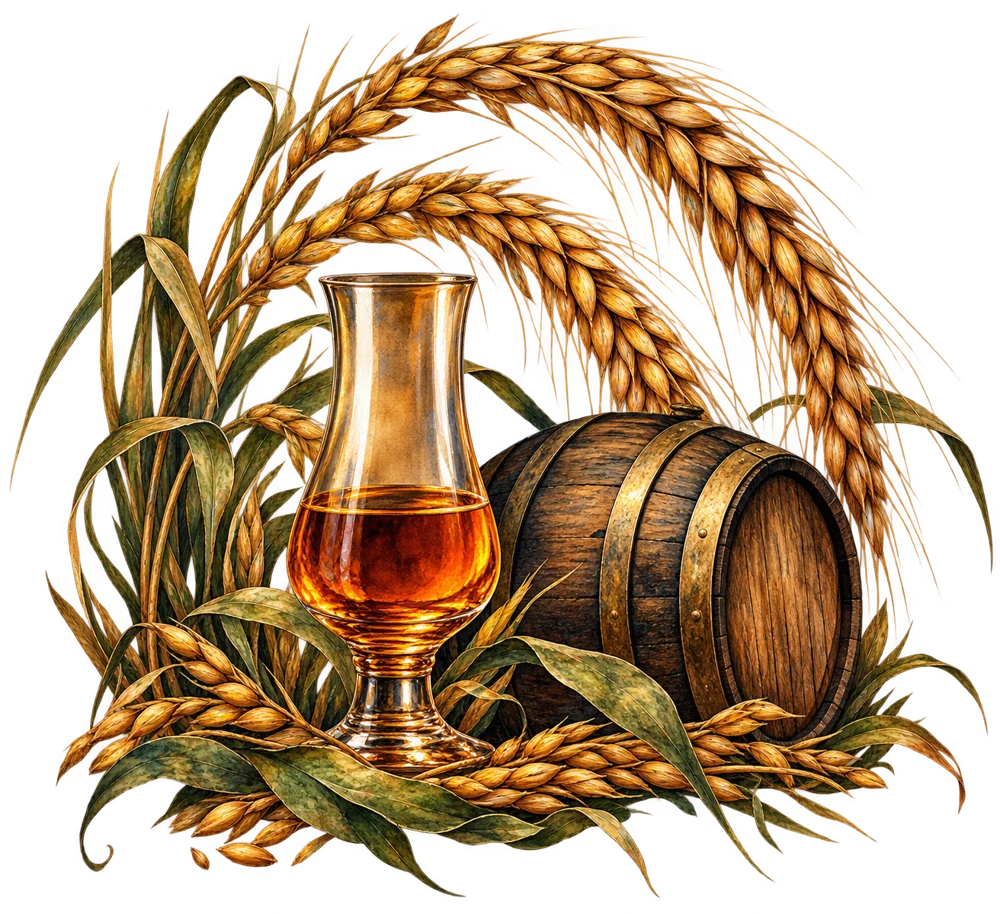
rye, symbolic watercolor illustration
2016

Straight rye follows.

The five-year Straight Rye joins the bourbon. The same acquisition announcement records its ADI Best Rye Whiskey recognition for 2017. The two grains become parallel foundations for the portfolio.[1]
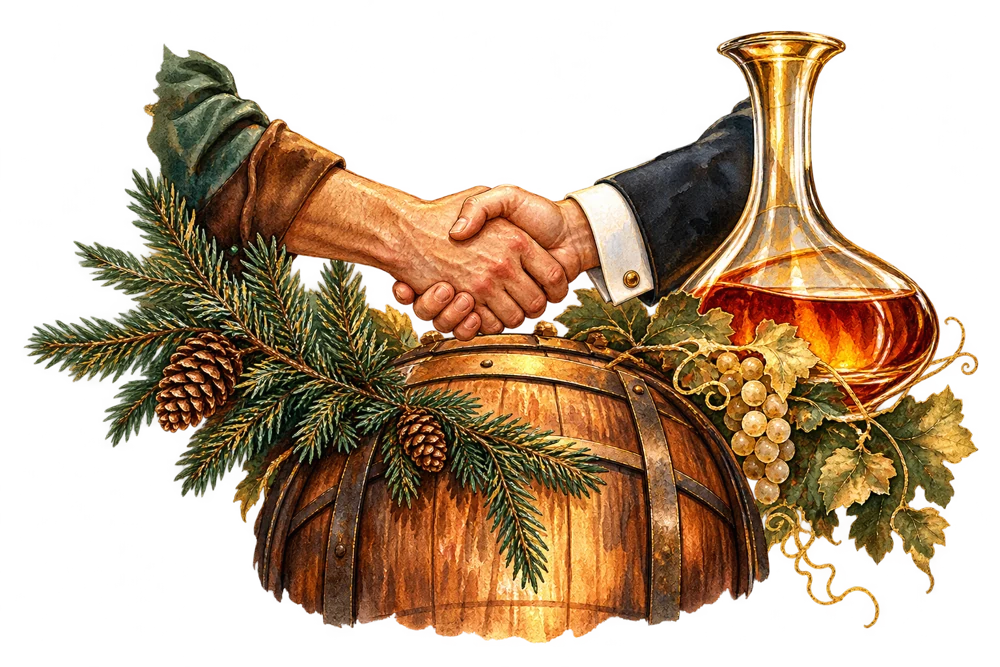
partnership, symbolic watercolor illustration
July 13, 2017

Moët Hennessy acquires the company.

Woodinville joins Moët Hennessy, within LVMH. The founders remain involved. Ownership and distribution reach change; the announcement still places whiskey making and maturation in Washington.[1]
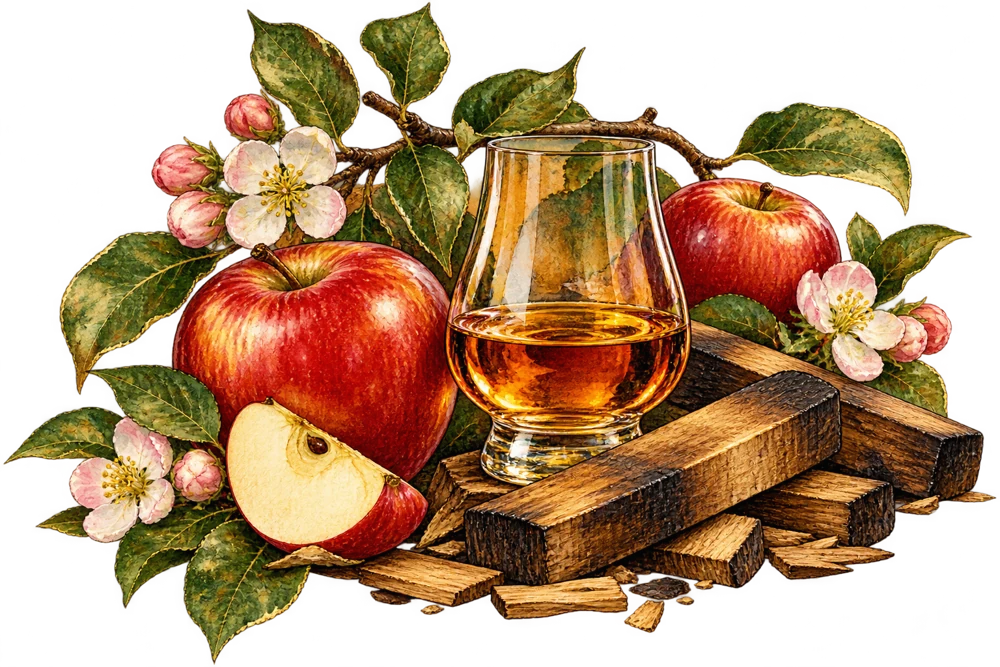
applewood, symbolic watercolor illustration
2017

Applewood opens another path.

Carlile later identifies the 2017 Harvest Release as bourbon finished with applewood staves. The project gives the house whiskey an additional wood treatment after its initial maturation.[7]
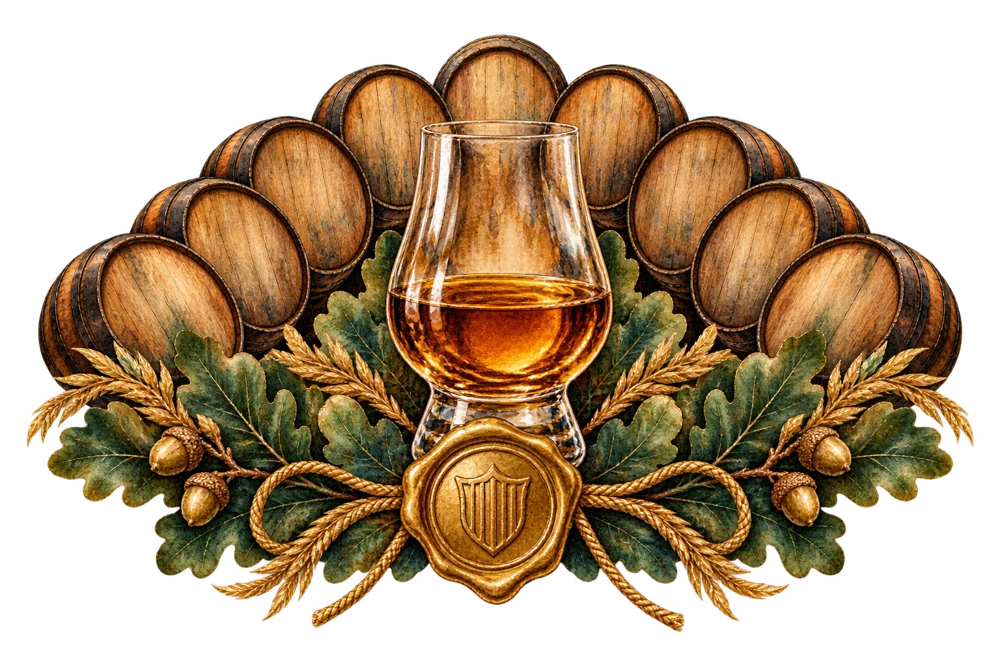
bond, symbolic watercolor illustration
2020

A tenth anniversary with new editions.

The company’s later accounts identify its first Bottled in Bond release and first Triple Barrel at the tenth anniversary. These are specific releases, not a statement that every Woodinville expression is bonded or multiply finished.[18][10]
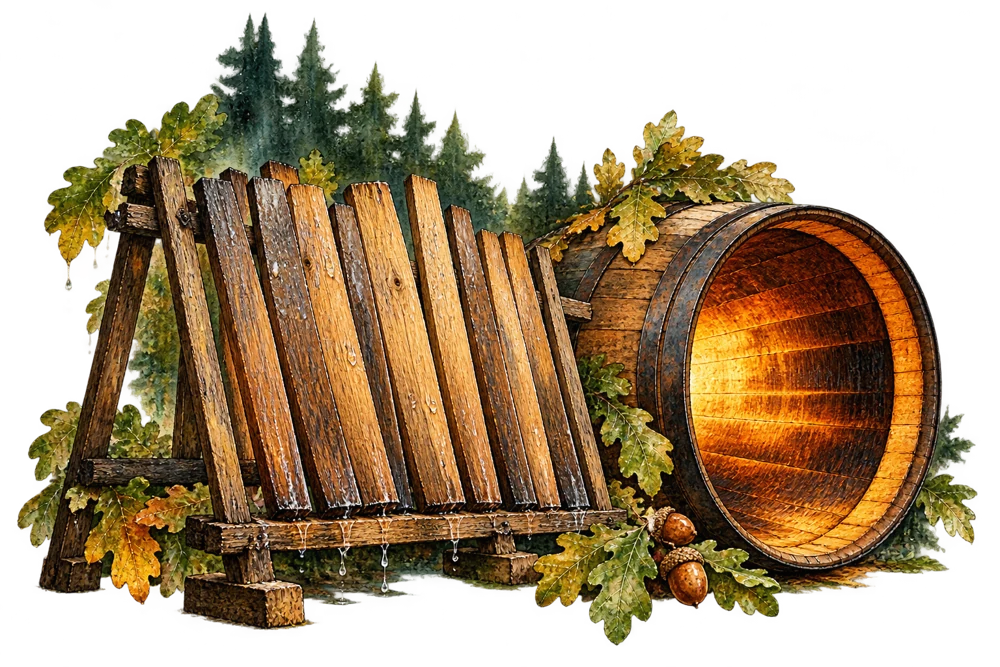
eight, symbolic watercolor illustration
June–August 2024

Applewood and older oak reach further.

Applewood returns nationally at 100 proof in June. In August, the eight-year bourbon follows after extended barrel trials. These dated editions retain their own proof and wood specifications.[7][6]
harvest, symbolic watercolor illustration
October 2024

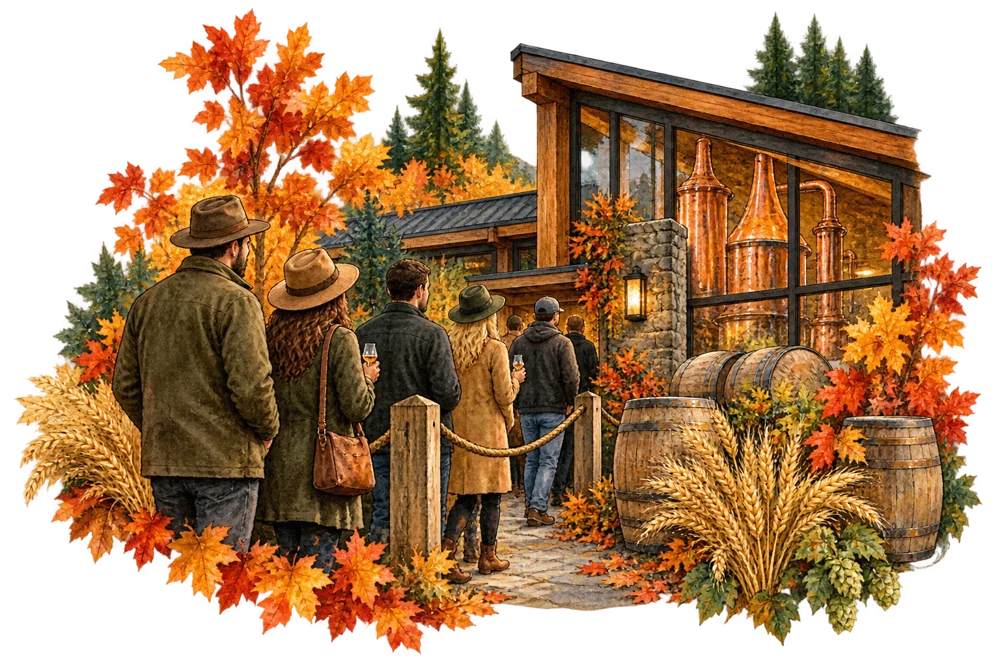
A broader Harvest arrives.

October’s Harvest announcement adds Sauternes-finished bourbon and Founder’s Find. A wine-cask finish and a sourced Tennessee whiskey widen the release conversation beyond the Washington-made core.[8][17]
tequila, symbolic watercolor illustration
May 2025

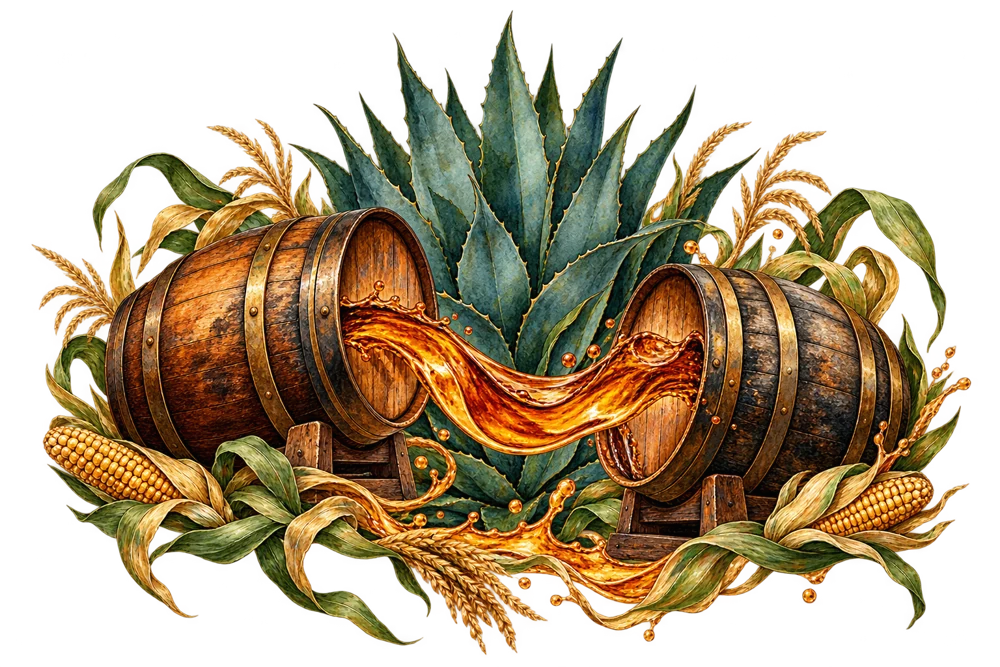
Bourbon meets tequila casks.

The tequila-finished bourbon launches at the distillery May 3, followed by online bottles May 5. The producer identifies extra-añejo tequila casks and a 100-proof release.[9]
nine, symbolic watercolor illustration
August 23, 2025

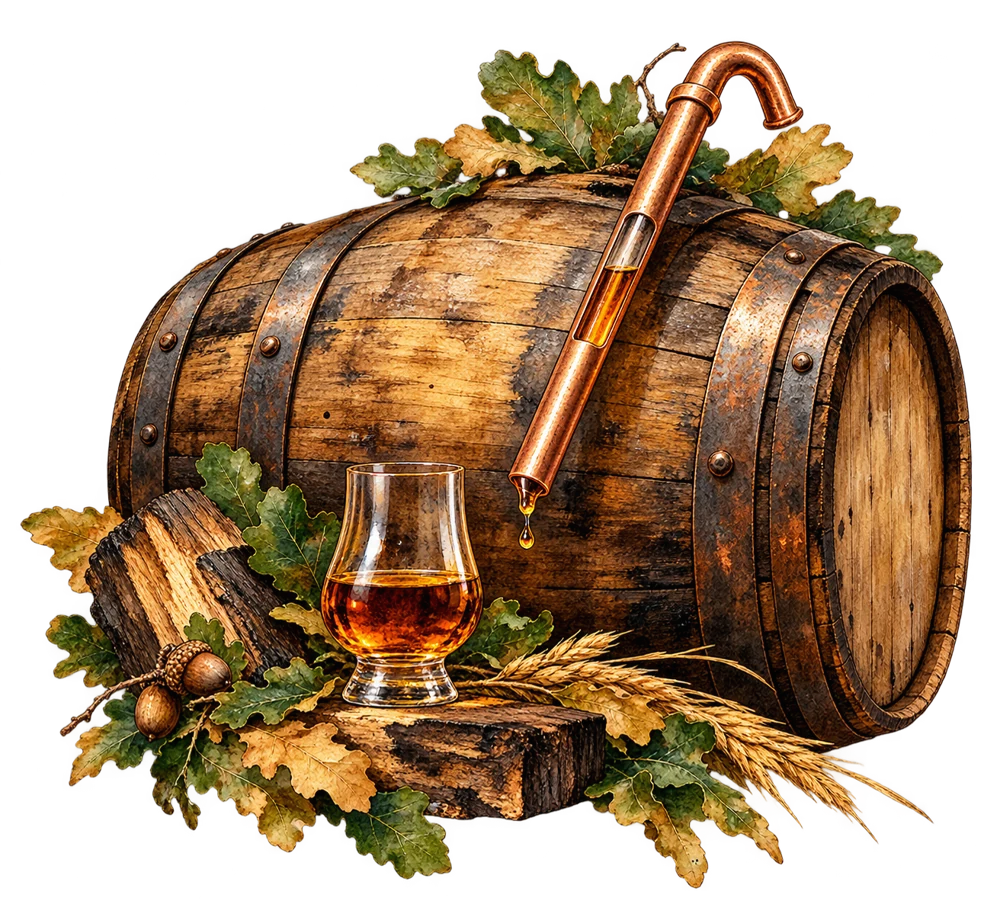
Fifteen years, nine-year bourbon.

The anniversary Harvest Release features nine-year bourbon and Triple Barrel II. The latter uses the flagship bourbon with used Islay Scotch and Portuguese wine barrels, making it a separate finishing story.[10]
newbottle, symbolic watercolor illustration
February 27, 2026

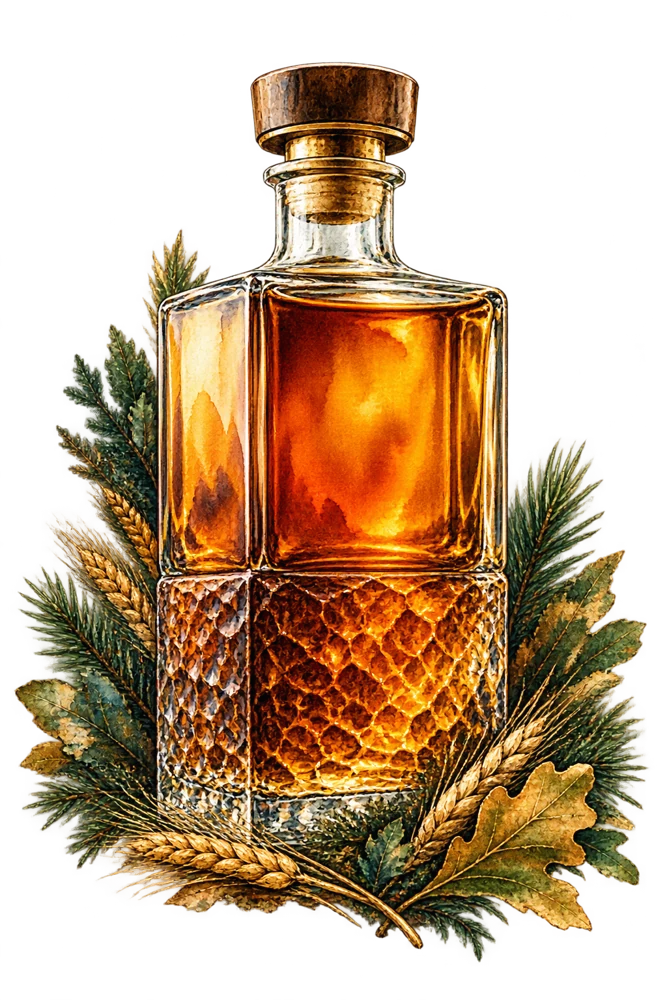
A new bottle, older flagships.

Woodinville announces updated packaging and six-year age statements for four flagships. Its two glass textures are explained as a visual reference to the two Washington landscapes.[5]
ten, symbolic watercolor illustration
September 2026

The series reaches ten years.

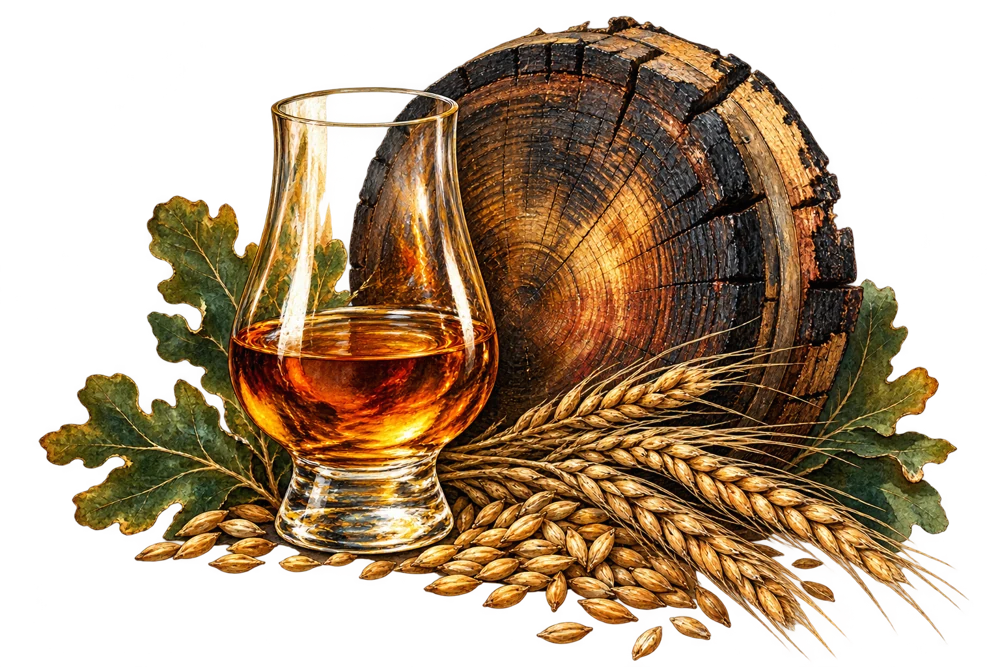
The Harvest announcement presents the ten-year bourbon at 100 proof as the oldest whiskey released by Woodinville to that date and the conclusion of its eight-, nine- and ten-year series.[11][19]
bib, symbolic watercolor illustration
2026

Bonded whiskey and Quincy visits.

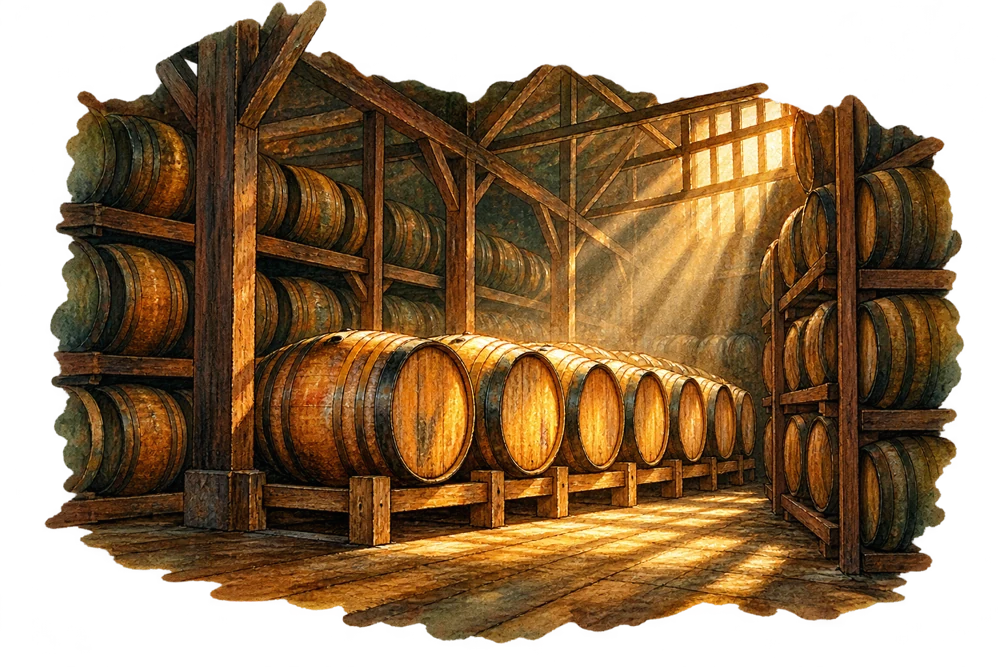
Six-year Bottled in Bond returns, drawn from a single distillation season and matured in Quincy’s Barrelhouse A. The current visitor page also lists new reservation-only tastings and tours at the Quincy facility.[18][4]
03 / Geography & roles

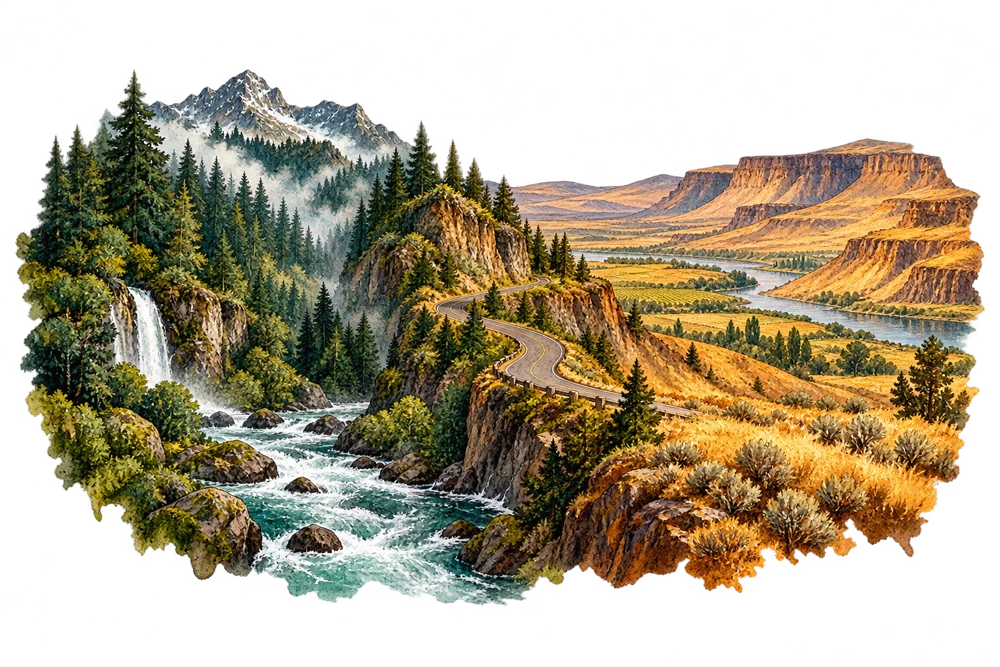
The places play different parts.

geography, symbolic watercolor illustration

Woodinville

Distillation and visitor home

The distillery at 14509 Woodinville Redmond Road NE is the western anchor. It handles mashing and distillation and welcomes visitors. Its completion in 2014 should be kept separate from the company’s 2010 creation.[4][1]

Omlin family farm, Quincy

Agricultural origin

Corn and rye are grown for Woodinville in Central Washington. The farm relationship anchors the producer’s account of local grain; claims about a particular historic bottle still depend on its label and release documentation.[12][13]

Quincy production facility

Maturation, bottling and visits

The eastern facility is listed at 8368 Road S NW. Woodinville describes barreling, aging and bottling in Quincy and now offers visits by reservation. The public visitor program is not the founding date of the aging operation.[4][3]

Across the Cascades

The connecting journey

The company describes roughly 170 miles between the two settings. Grain travels west and new spirit returns east. The mountain crossing is a practical production movement and a useful way to understand the brand’s sense of place.[5]

04 / The whiskey family

One producer. Several ways to explore.

Woodinville Whiskey Co.

Washington producer

The brand’s core bourbon and rye are presented as its own Washington-made whiskeys. Release-specific sourced exceptions must remain visible.[12][13][17]

Moët Hennessy / LVMH

Ownership

The July 2017 acquisition placed Woodinville in Moët Hennessy’s portfolio. LVMH’s current Maison page retains that relationship. This is corporate ownership, not a shared mash bill or a move of production overseas.[2][1]

Glenmorangie and Ardbeg

Portfolio relatives

Both were named as Moët Hennessy’s Scotch experience in the acquisition announcement. They are useful family context, not evidence that their distillate is used in ordinary Woodinville bourbon.[1]

Independent Stave Company

Cooperage collaborator

Woodinville’s 2024 account credits ISC with the eight-style barrel comparison behind its older bourbon. The relationship is about wood design and evaluation, rather than whiskey-brand ownership.[6]

Founder’s Find

Sourced exception

The official product page calls this Woodinville’s first sourced whiskey: a twelve-year Tennessee whiskey matured in a reconditioned barrel. The source distillery is not identified in that account.[17]

05 / Making & choosing

Grain, copper, oak and judgment.

Grain, distillation and maturation connect two sides of Washington. Follow the recipe and release label.

making, symbolic watercolor illustration

The standard bourbon recipe

The 2026 Harvest announcement identifies the ordinary recipe as 72% corn, 22% rye and 6% malted barley. The ten-year project uses another recipe. Apply those specifications to the documented release rather than assigning them to every bottle bearing the name.[11]

A separate rye route

The current six-year rye is described as 100% rye, grown by the Omlins, then distilled in Woodinville and aged east of the mountains. It is a separate grain identity, not simply the bourbon at another proof.[13]

Controlled fermentation and copper

The producer describes a four-day fermentation and custom German copper equipment with a rectifying column. The point is a managed production process. The brand’s surrounding wild-yeast narrative should not be converted into a claim of spontaneous fermentation.[3]

Season wood before using it

The flagship bourbon and rye pages describe eighteen months of open-air stave seasoning, followed by deep toasting and heavy charring. Seasoning happens before the wood becomes a working maturation barrel. It is not whiskey age.[12][13]

A different barrel for older bourbon

The eight-year account explains a trial with eight barrel types and analysis with ISC. Heavy toast, light char and twenty-four-month seasoned staves were chosen for that project. The longer maturation helped address the grain character the founders initially noticed.[6]

Finish after maturation

Port casks add a second maturation environment; applewood uses toasted staves after the bourbon has matured. These are different treatments. A finish is part of the expression’s identity and should travel with its full name.[14][15]

Taste the barrel, then choose

The current seven-year Single Barrel Bourbon is selected by Carlile and bottled at cask strength, so proof varies. The current age specification is not evidence that an older private pick carried the same minimum.[16]

One season in bond

The current bonded release is six years old and tied to a single distillation season in Barrelhouse A. It provides a different lens on the producer: a defined season and aging lot rather than the variation of an individual private-pick cask.[18]

06 / The details worth knowing

The stories behind the specifications.

The farm is at both ends of the journey.

Woodinville’s grain-to-barrel story returns the spirit to the region where its grain was grown. That makes Quincy more than a warehouse footnote. Western Washington explains one part of the process; the eastern climate explains another.[12][13]

Ten and a half years is not the bottle’s age.

The eight-year article adds stave seasoning, initial evaluation and additional maturation to describe a long development project. The bottle’s age statement remains eight years. Project time and spirit age are different clocks.[6]

A familiar name can conceal a changed proof.

The 2024 applewood announcement specifies 100 proof; the current product is labeled 90 proof. The useful lesson is to preserve release era and proof whenever bottles are compared. A shared product name is insufficient for an exact match.[7][15]

The sourced release deserves its own sentence.

Founder’s Find is openly presented as Tennessee-sourced whiskey. Woodinville describes twelve years in a reconditioned barrel. That exception should be explained plainly alongside the Washington core, without guessing the unnamed distillery or calling it Washington bourbon.[17]

Harvest is also a community ritual.

The 2025 announcement describes returning enthusiasts sharing food and stories while waiting for numbered bottles. Its first five hundred bottles were tied to the distillery launch. This is a specific release tradition, not a promise about current stock or every event.[10]

The new bottle tells a geographic story.

The 2026 design contrasts clearer upper glass with a more rugged lower texture. Woodinville explains the pairing through its distilling and maturation landscapes. It refreshes the packaging while keeping the recognizable rectangular family shape.[5]

07 / Selected expressions

A tasting path through the producer.

Straight Bourbon Aged 6 Years

The 90-proof 2026 flagship offers a starting point for the house bourbon. Its six-year statement belongs to the updated edition, not automatically to all earlier releases.[12][5]

Straight 100% Rye Aged 6 Years

Also listed at 90 proof in the new lineup, the rye follows a different grain recipe while sharing the Washington route. Compare it with the bourbon to isolate grain character from brand identity.[13][5]

Port Finish / Applewood Finish

Both are current 90-proof flagships. One uses Portuguese wine casks; the other adds toasted applewood staves. They illustrate two distinct ways to build on the original bourbon.[14][15]

Single Barrel Bourbon Aged 7 Years

The current offering highlights Carlile’s cask selection, variable proof and a minimum seven years. Retail availability is separate from the enduring role of single-barrel selections in the range.[16]

Straight Bourbon Aged 10 Years

The final release of the older-bourbon sequence is 100 proof. Its recipe is 55% corn, 35% rye and 10% malted barley, with the heavy-toast, light-char barrel specification.[19][11]

Bottled in Bond Aged 6 Years

The 100-proof 2026 edition returns to a format first offered for the tenth anniversary. Its single-season and Barrelhouse A context make it an instructive companion to the broader flagship.[18][11]

Founder’s Find

A twelve-year Tennessee whiskey provides the deliberately separate sourced chapter. The producer describes reconditioned oak, but does not identify the distillery in the product account.[17]

08 / The Reserve connection

Continue from the story to the bottles.

Woodinville Whiskey Co. in The Thelen Reserve

2 physical bottle records connect this story to the collection. Each keeps its own proof, barrel, batch, pick and release details.

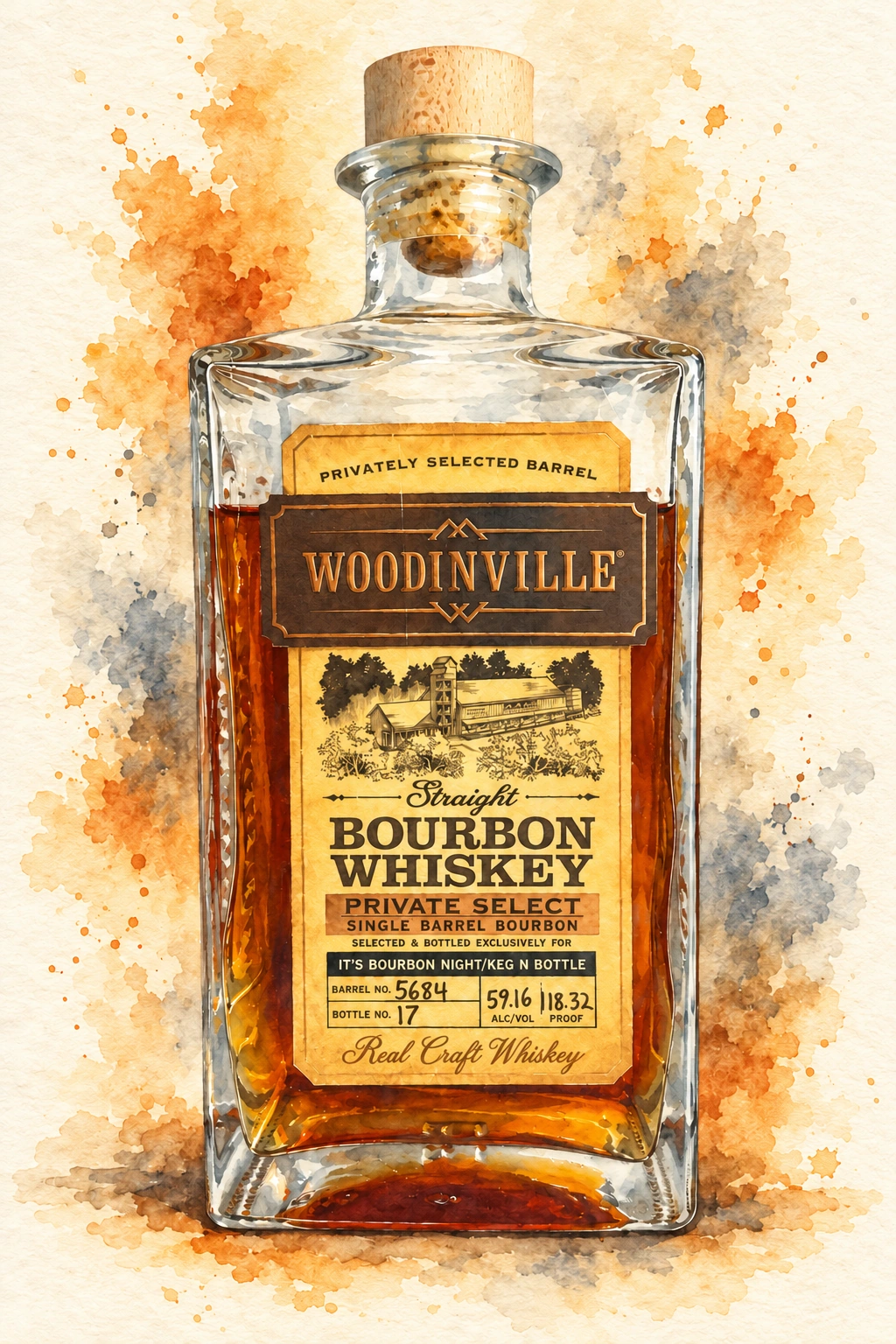
Approved watercolor of Woodinville Bourbon Whiskey Single Barrel

Woodinville Bourbon Whiskey Single Barrel

W0511 · 118.32 proof · Barrel 5684 · Bottle 17 · Pick It's Bourbon Night / Keg N Bottle

The photographed front confirms barrel 5684, bottle 17, 118.32 proof / 59.16% ABV and the It’s Bourbon Night / Keg N Bottle selection. The rear novelty label obscures legal provenance. Its selection-story dates do not establish a bottling date, age or bottle size.

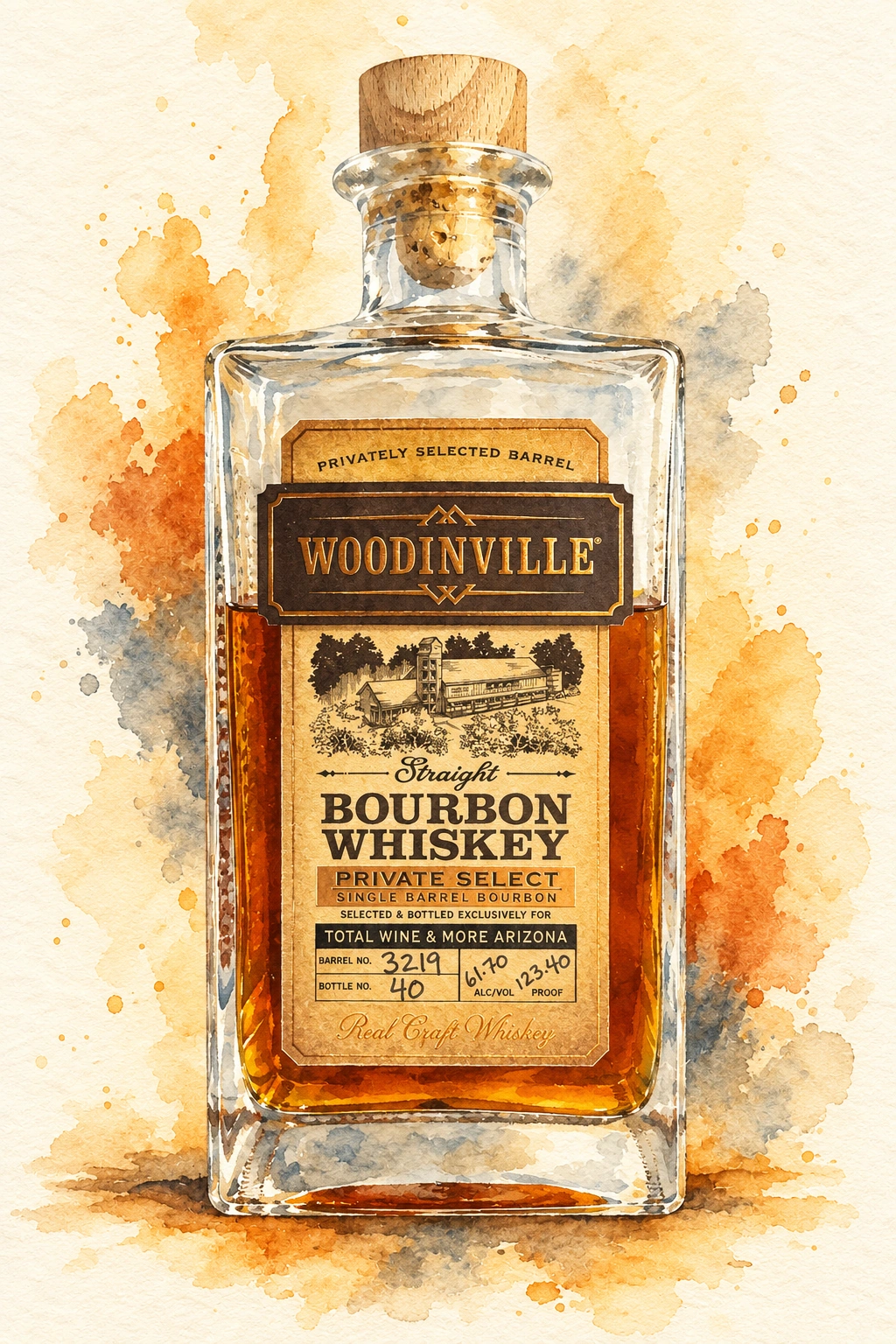
Approved watercolor of Woodinville Bourbon Whiskey Single Barrel

Woodinville Bourbon Whiskey Single Barrel

W0512 · 123.4 proof · Barrel 3219 · Bottle 40 · Pick Total Wine AZ

Barrel 3219 · Bottle 40 · Total Wine AZ pick

Collection snapshot: October 24, 2026. W0511 and W0512 retain text-only cards because the current approved-artwork tracker contains no exact watercolor for either record. Details remain inventory-recorded pending label photos.

Woodinville Whiskey Co. guide cover
The illustrated companion

Woodinville Whiskey Co., in three pages.

Origins and people, history and places, whiskey and stories. An illustrated companion with linked research sources.

Sources & research notes

Research qualifications

  • Research reviewed October 18, 2026. Dated launch announcements take precedence for historic releases; current product pages describe current editions. Availability language is not treated as a live stock guarantee.
  • LVMH’s 2017 announcement dates completion of the distillery and tasting room to 2014. The company founding remains 2010. No unsupported 2013 opening date is adopted.
  • The older LVMH profile calls the Omlin farm third generation; the producer’s 2026 announcement says fourth. Current generational wording follows the newer account.
  • The production story mixes five- and six-year references, while dated 2026 releases establish six-year flagships. No universal age or filtration claim is assigned to historic private picks.
  • The production page describes barreling in Quincy; some product copy loosely groups barreling with Woodinville. Locations are separated by documented role rather than forcing every sentence into a single facility claim.
  • Wild yeast and terroir are the brand’s narrative. Controlled fermentation with added yeast is explicitly described. No independent flavor-causation study is claimed here.
  • The exact source distillery of Founder’s Find is undisclosed in the checked official account. Do not infer it from Tennessee geography.
  • Illustrations are newly generated, symbolic transparent watercolors. Buildings, people, machinery and packaging scenes are interpretive, not documentary depictions.

Full sources

  1. LVMH: acquisition announcement, July 13, 2017
  2. LVMH: Woodinville Maison profile
  3. Woodinville: story and production
  4. Woodinville: distillery and Quincy visits
  5. New bottle and six-year flagships, February 27, 2026
  6. Eight-year bourbon and barrel trials, August 8, 2024
  7. Applewood national release, June 7, 2024
  8. Harvest releases, October 17, 2024
  9. Tequila-cask release, April 17, 2025
  10. Nine-year and Triple Barrel II, August 7, 2025
  11. Ten-year and bonded releases, September 1, 2026
  12. Straight Bourbon Aged 6 Years
  13. Straight 100% Rye Aged 6 Years
  14. Port-finished bourbon, current edition
  15. Applewood-finished bourbon, current edition
  16. Single Barrel Bourbon Aged 7 Years
  17. Founder’s Find, sourced Tennessee whiskey
  18. Bottled in Bond Aged 6 Years
  19. Straight Bourbon Aged 10 Years
↑