TJ THELEN'S COLLECTION
The Thelen Reserve
Behind the Bottles · Danville, Kentucky

Wilderness
Trail

Last updated Last researched

Where fermentation knowledge meets the patience of Kentucky whiskey

Wilderness Trail’s most revealing story begins before the distillery: two fermentation specialists move from advising other producers to making whiskey of their own. Danville provides the setting, sweet mash provides the technical signature, and the barrels supply a clock that no amount of engineering can hurry.

Danville distillery landscape, symbolic watercolor illustration
2012

Distillery founded

2013

First bourbon barrels

Sweet mash

Signature fermentation approach

Danville, Kentucky

Distillery and visitor home

01 / Origins & people

Knowledge before the first barrel.

From troubleshooting to making

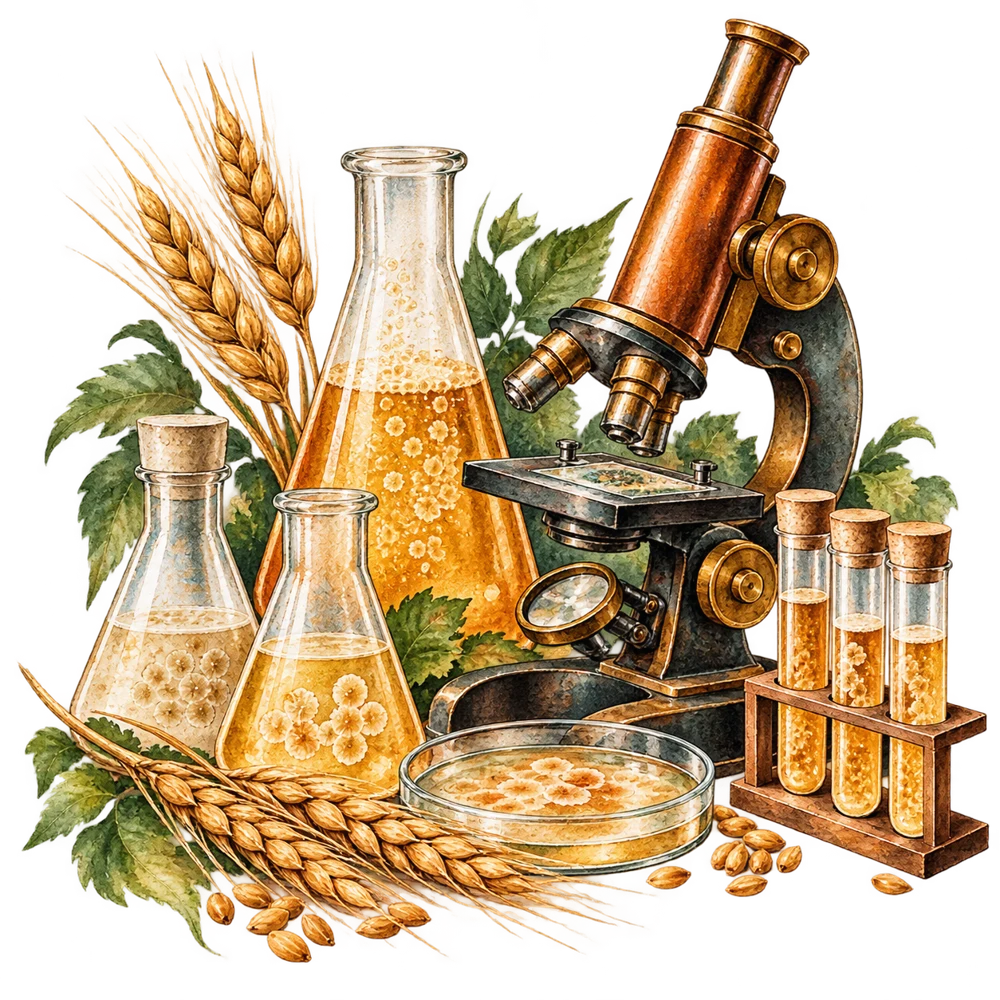
Shane Baker and Dr. Pat Heist met at the University of Kentucky and played music together before building their professional partnership. Baker’s mechanical-engineering background and Heist’s plant-pathology training offered different ways of looking at the same process. Their own distillery would put those perspectives into practice under one name.[1]

A company and a barrel have different birthdays

The clearest way to read the early chronology is to keep the milestones separate: Wilderness Trail was founded in 2012, and bourbon barreling began in 2013. First bourbon sales followed in 2018. This is a modern founding story whose authenticity comes from documented work and elapsed time, rather than an invented claim to uninterrupted nineteenth-century production.[2][3][5]

The founders music connection, symbolic watercolor illustration
02 / The illustrated history

A young distillery. A patient chronology.

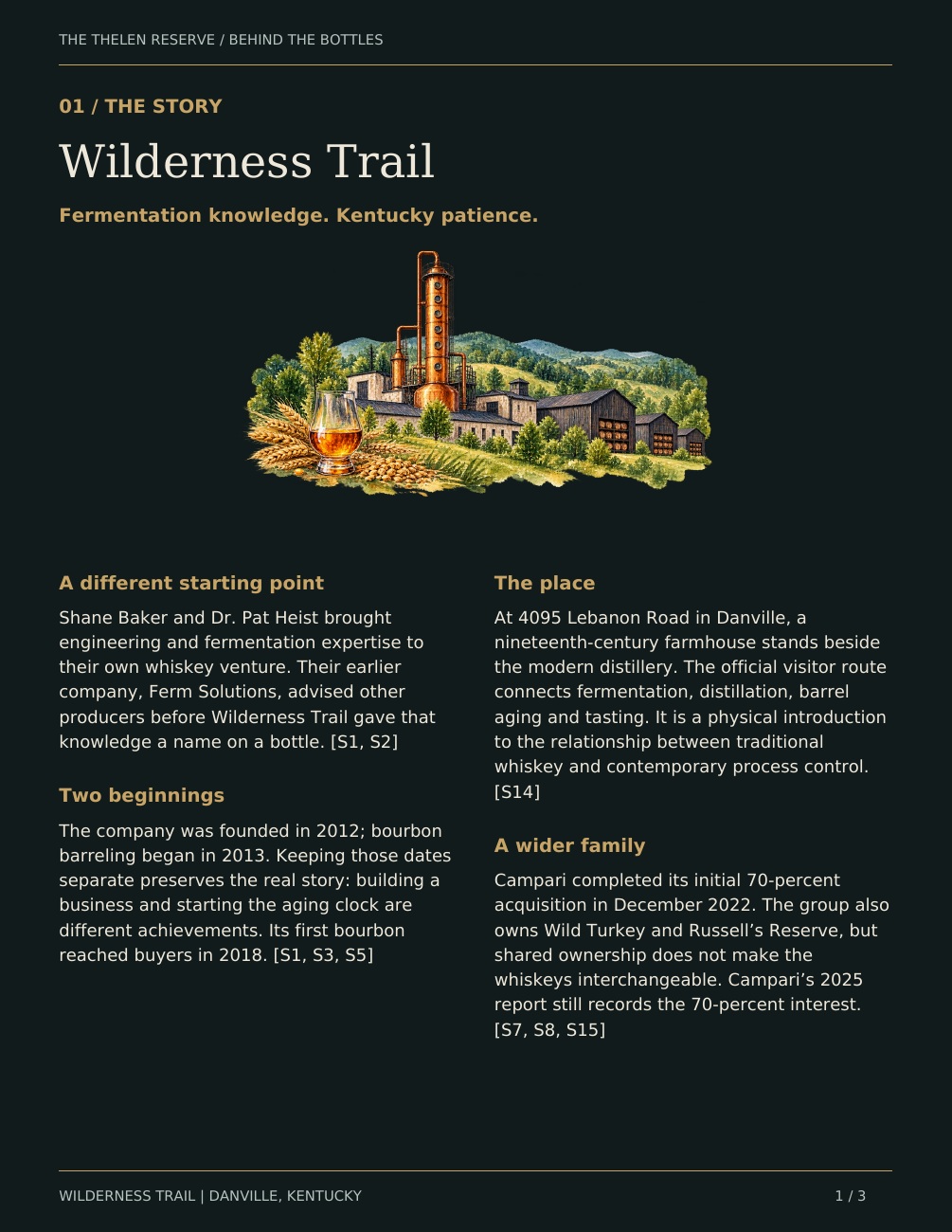
Fermentation becomes a business, symbolic watercolor illustration
2006

Fermentation becomes a business

Shane Baker and Dr. Pat Heist establish Ferm Solutions. Their work helping fermentation businesses supplies the technical foundation for a later whiskey venture. Before Wilderness Trail has a bottle to sell, its founders have a reason to ask detailed questions about what happens inside a fermenter.[1]
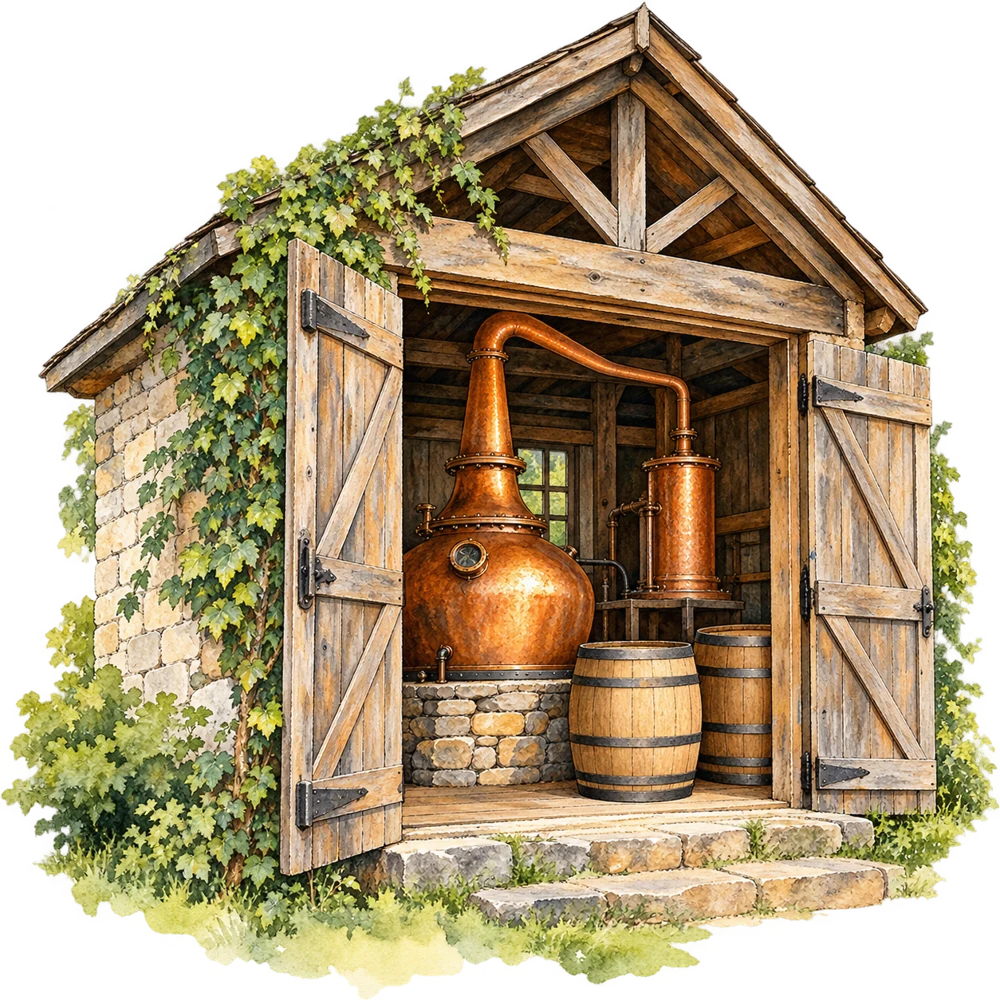
A distillery of their own, symbolic watercolor illustration
2012

A distillery of their own

Wilderness Trail is founded in Danville, Kentucky. This is the company’s founding date, distinct from the first barreling year. The distinction matters in a young whiskey story: establishing the enterprise and starting the aging clock are separate milestones.[1]
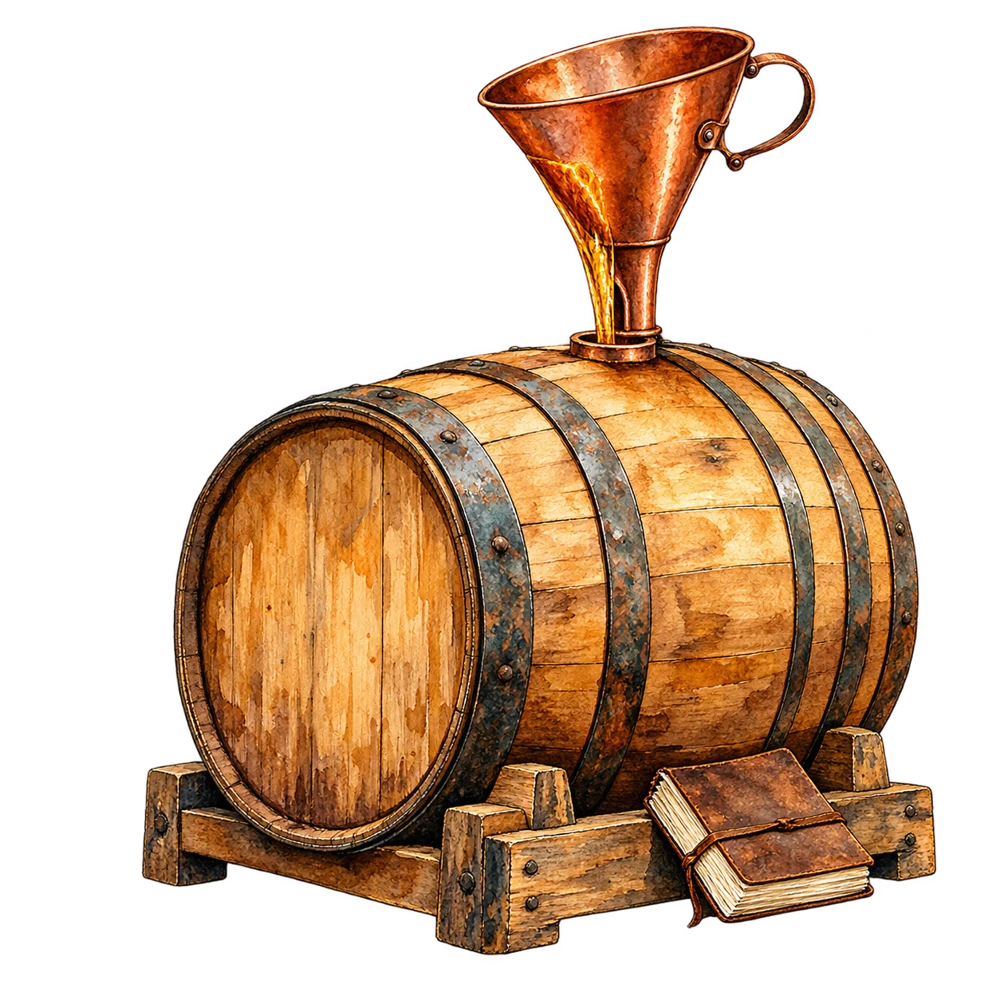
The first barrels begin their wait, symbolic watercolor illustration
2013

The first barrels begin their wait

Bourbon barreling begins. In the founders’ early pot-still operation, making a barrel could require a twelve-hour day. Those initial fills establish the stock from which the distillery can eventually tell a genuine ten-year story.[3]
A grain changeover becomes an experiment, symbolic watercolor illustration
October 2015

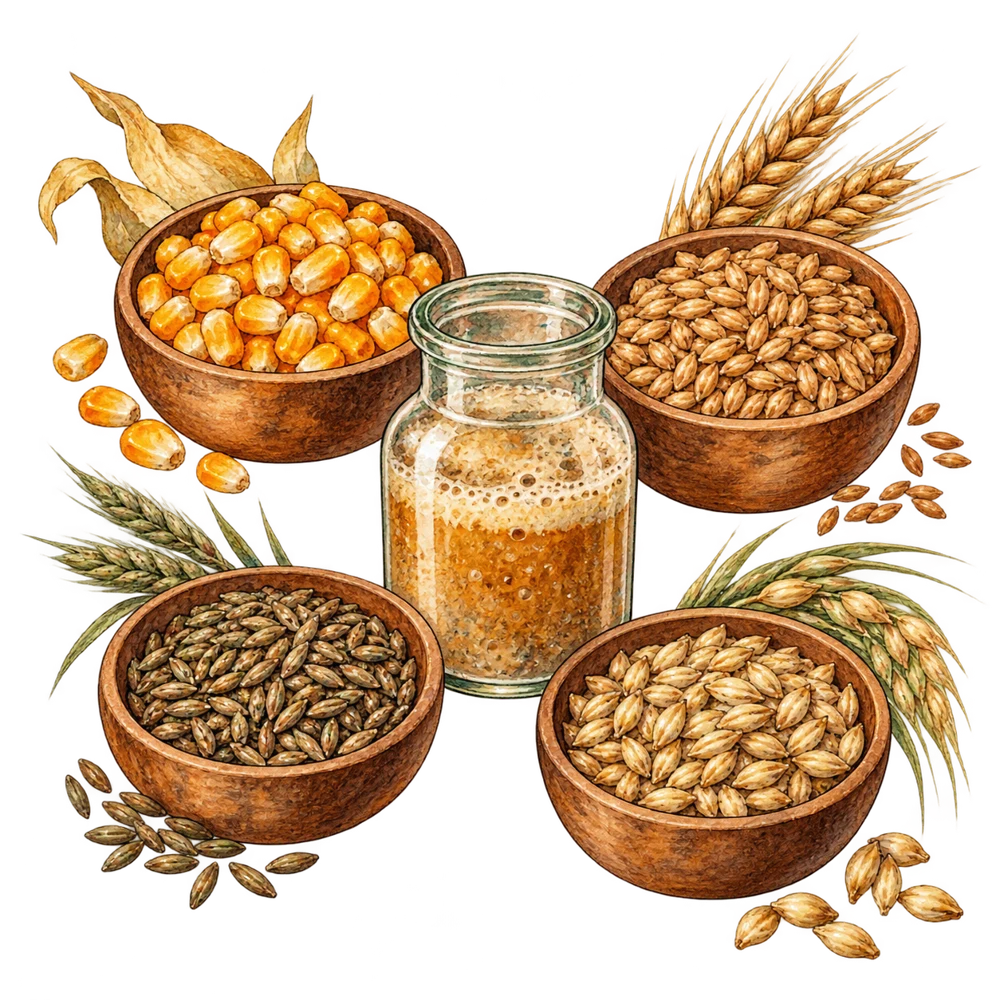
A grain changeover becomes an experiment

A seasonal transition from rye to wheat leaves insufficient rye for a normal batch. The distillers split the secondary grain component between rye and wheat, creating a four-grain bourbon. A routine production problem becomes a deliberately preserved variation.[4]
Recognition beyond the tasting room, symbolic watercolor illustration
2016

Recognition beyond the tasting room

The distillery’s official history records Kentucky Manufacturer of the Year recognition. It is a useful marker of the business’s early identity: engineering and production discipline are part of the story before mature bourbon reaches a broad audience.[1]
The first bourbon reaches its audience, symbolic watercolor illustration
April 28, 2018

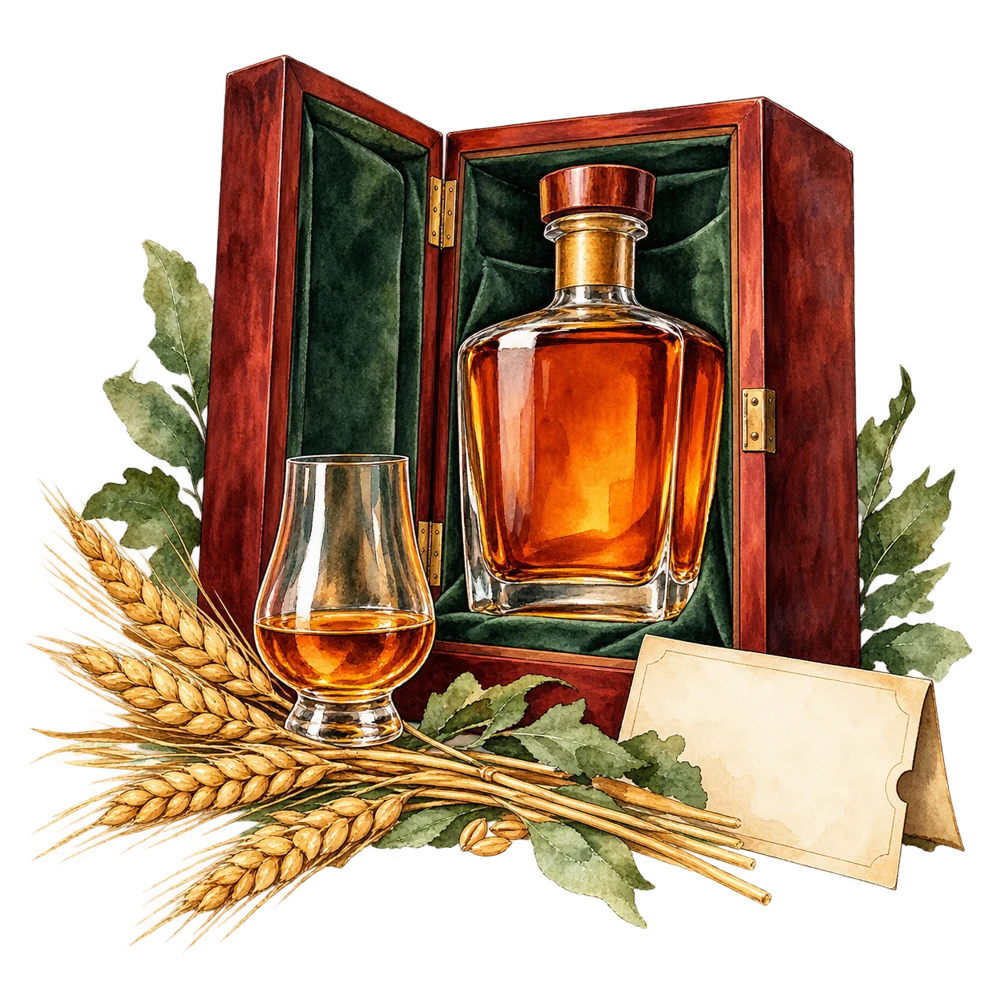
The first bourbon reaches its audience

The first bourbon release is scheduled around Taste of Danville. A wheated, single-barrel, bottled-in-bond whiskey introduces years of waiting to the people who supported the project. Local food and music make the launch a community occasion as well as a bottle release.[5]
From the Craft Tour to the Bourbon Trail, symbolic watercolor illustration
January 23, 2020

From the Craft Tour to the Bourbon Trail

The Kentucky Distillers’ Association announces Wilderness Trail as the Kentucky Bourbon Trail’s eighteenth stop. It becomes the first distillery to graduate from the Craft Tour to the main trail, recognizing the development of both its facilities and visitor experience.[2]
Six years in the barrel, symbolic watercolor illustration
June 8, 2020

Six years in the barrel

The distillery schedules its first six-year wheated bottled-in-bond bourbon for the Trail’s reopening. Older whiskey now offers another way to understand the house style. The release also marks the return of visitors after the spring interruption.[6]
An experiment gains a charitable purpose, symbolic watercolor illustration
December 10–11, 2021

An experiment gains a charitable purpose

The four-grain bourbon made in 2015 reaches a holiday open house as a six-year, cask-strength release. Its pink label identifies a special bottling whose proceeds support the distillery’s fund for families affected by cancer.[4]
Campari announces an agreement, symbolic watercolor illustration
October 31, 2022

Campari announces an agreement

Campari announces an agreement for an initial seventy-percent interest in Wilderness Trail. The announced structure leaves the remaining thirty percent subject to a call/put option exercisable in 2031. The business is entering a wider corporate whiskey portfolio.[7]
The transaction closes, symbolic watercolor illustration
December 7, 2022

The transaction closes

Campari announces completion of the acquisition. Keeping this date separate from the October agreement prevents the corporate chapter from collapsing two different events into one. Ownership changes after a decade of building the enterprise.[8]
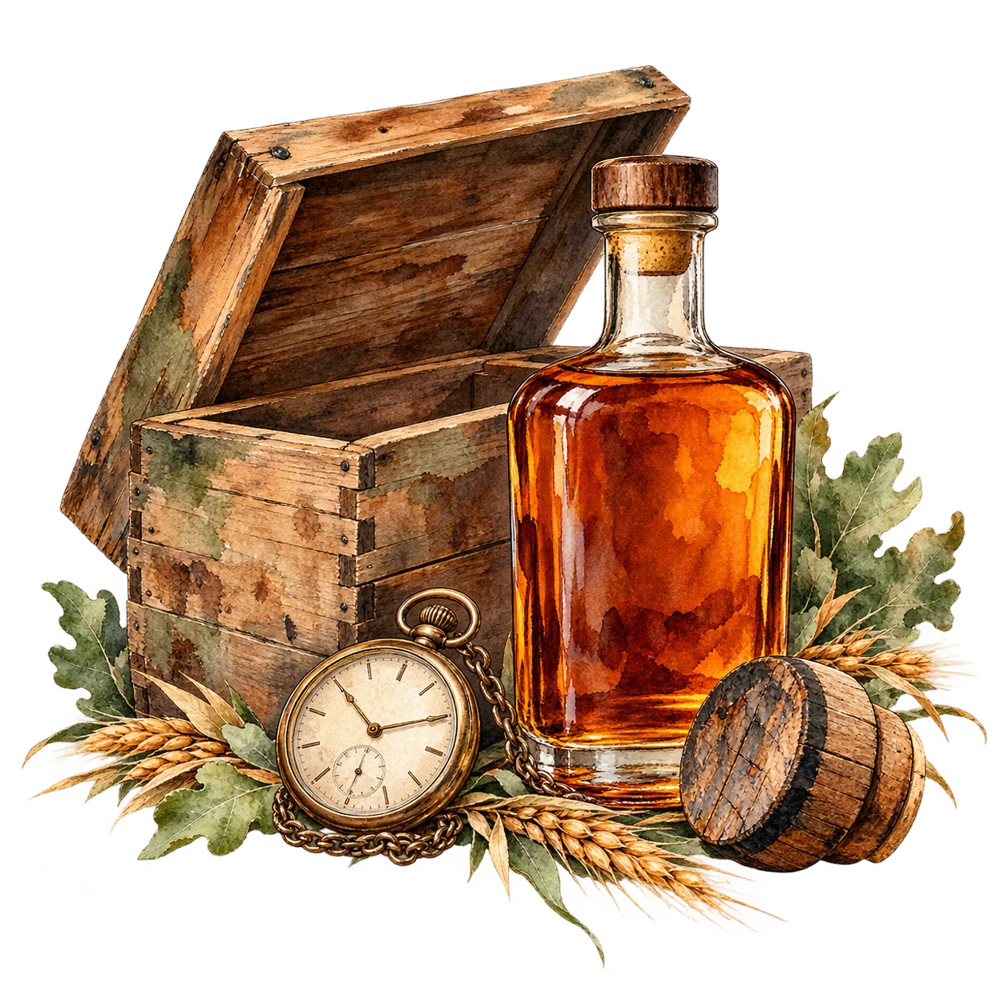
The early stock reaches ten years, symbolic watercolor illustration
December 8, 2023

The early stock reaches ten years

The first ten-year bourbon is offered in a release planned around the distillery’s second barrel. A cedar presentation box ties the occasion to the anniversary of Prohibition’s repeal. The barrel connects the early operation directly to a decade of maturation.[3]
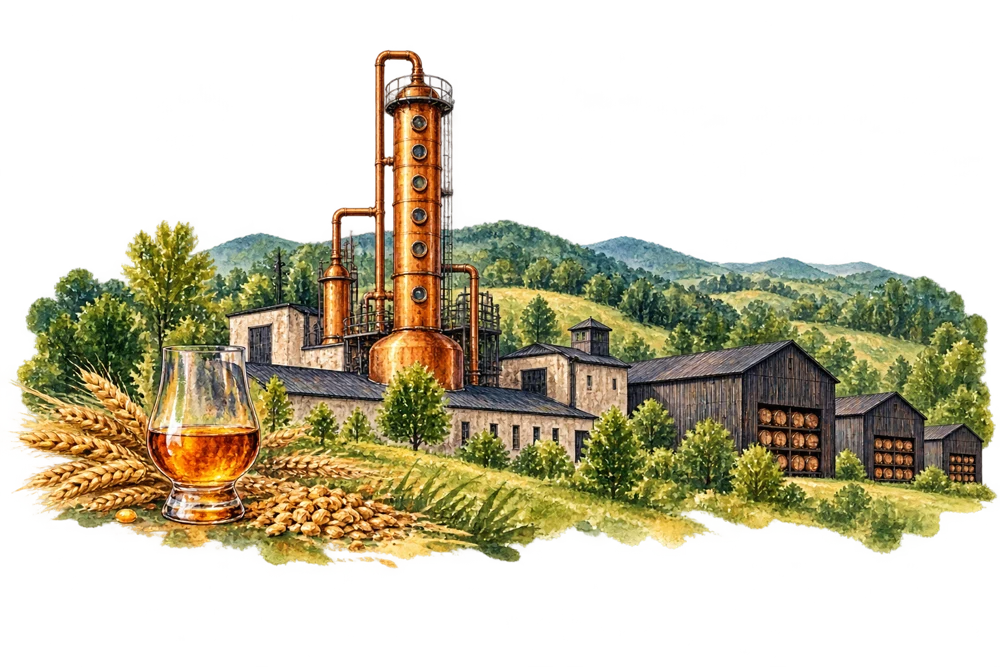

03 / Geography & roles

A Kentucky place with a modern purpose.

Danville, Kentucky

Wilderness Trail’s public address is 4095 Lebanon Road in Danville. The visitor experience brings fermentation, distillation, barrel aging and tasting into one route. The point is not simply to see industrial equipment; it is to connect each decision to the whiskey that eventually reaches the glass.[14]

An older house beside a newer operation

The official tour description sets a nineteenth-century farmhouse beside the modern distillery. That visible contrast is a more useful introduction to the place than a generic image of frontier Kentucky. Its architecture makes the relationship between established whiskey traditions and contemporary production methods tangible.[14]

A regional name, not an inherited founding date

The brand associates its name with Kentucky’s Wilderness Trace region. That geographical reference should not be mistaken for evidence that the present business existed in the frontier era. The historical landscape supplies context; the company’s own documented chronology begins in the twenty-first century.[10]

04 / The whiskey family

Expertise, ownership and identity.

Ferm Solutions and the founders

Ferm Solutions is the earlier fermentation-services business through which Baker and Heist advised producers. Its importance is expertise, not a claim that every consulting client shares Wilderness Trail’s whiskey or recipes. Advice, equipment knowledge and ownership are different kinds of relationships and should remain separate.[2]

The Campari connection

The acquisition placed Wilderness Trail within the same corporate group as Wild Turkey and Russell’s Reserve. That relationship does not make their whiskey interchangeable. Campari’s transaction presentation described both branded whiskey and an established bulk-production business, an important distinction between what a distillery makes and what appears under its own label.[7]

An ownership story that continues

Campari’s 2025 annual report still records a seventy-percent interest and separately discloses impairment charges involving Wilderness Trail. The later filing tempers the optimistic tone of the 2022 acquisition presentation. Scale and a larger parent company do not guarantee a straight upward commercial path. The report is evidence about ownership and financial valuation, not a timetable for the stills.[15]

05 / Making & choosing

Science in service of the grain.

Fresh batches and controlled fermentation

The defining choice is sweet mash: the distillery describes starting each batch with fresh ingredients rather than adding acidic backset from a preceding distillation. Its infusion-mashing method emphasizes controlled cooking temperatures. Here, scientific expertise is expressed through repeatable handling of ingredients, rather than a promise to replace time in oak.[9]

What the production terms actually tell you

For its bonded small batches, Wilderness Trail specifies a single distilling season, at least four years of aging and bottling at 100 proof. It describes these batches as twenty barrels or fewer. Those details are more useful than the phrase “small batch” by itself because they let the reader identify the scope of the producer’s claim.[9]

Follow the particular release

The FAQ distinguishes the core range from private barrels bottled at cask strength. A single-barrel selection should therefore be read through its own label rather than assigned the proof of a bonded shelf bottle. The producer also describes its grains as coming from Kentucky and beyond, so an all-Kentucky-grain claim would go further than its current wording.[10]

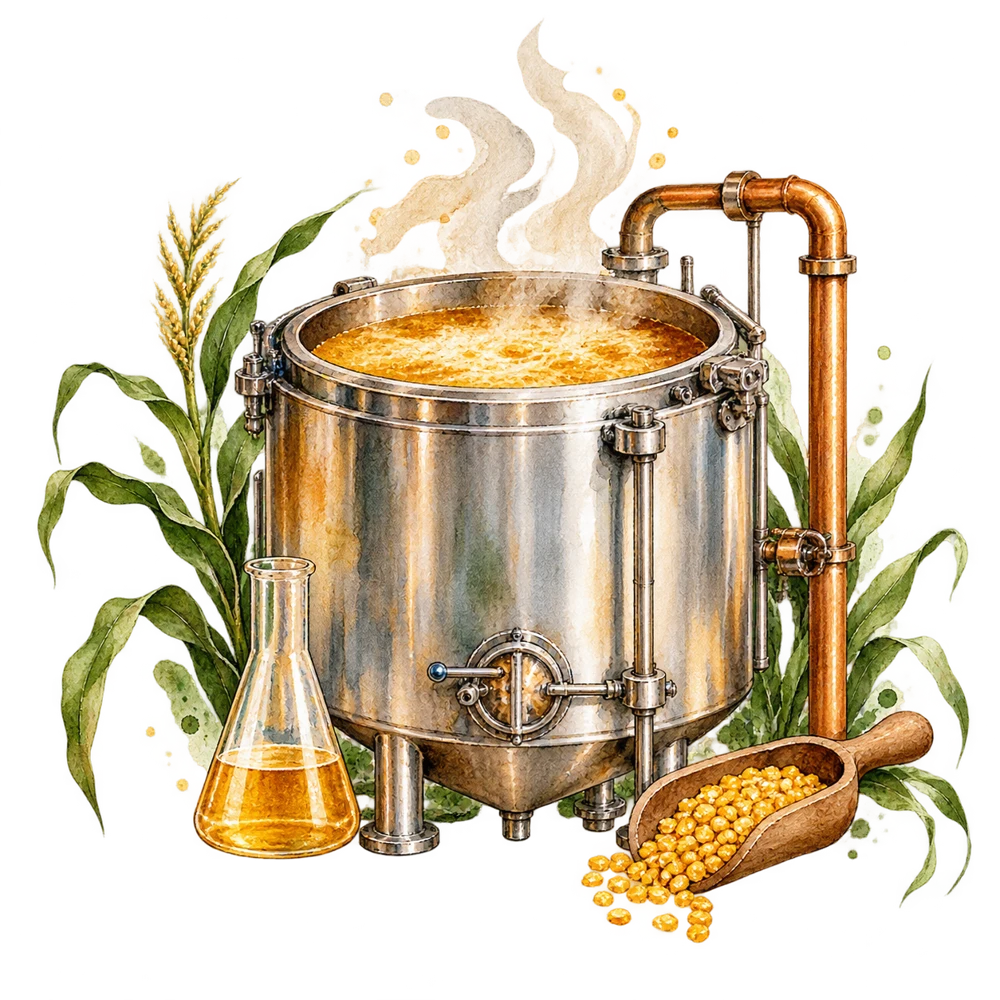
Sweet mash equipment, symbolic watercolor illustration
06 / The details worth knowing

Small decisions. Lasting stories.

The launch as a local occasion

The 2018 announcement describes a debut built around food vendors, music and timed purchase tickets. Family Reserve supporters had waited while the stock aged. That makes the first release more than a technical achievement: it is the moment a long production cycle becomes a shared public experience, with the community finally able to taste what it had been supporting.[5]

A patient reopening

The six-year release was announced alongside the return of visitors in June 2020, with curbside pickup and limited presentation sets among the arrangements. The episode captures two different kinds of waiting: whiskey developing in its barrels, and a visitor business looking forward to welcoming people again.[6]

Four grains, one practical decision

The 2015 experimental recipe used 64 percent corn and equal twelve-percent shares of rye, wheat and malted barley. The 2021 announcement recorded 110-proof barrel entry. Its eventual charitable purpose gives the release a second identity, but the origin remains refreshingly concrete: a grain-bin transition offered the chance to make something different.[4]

07 / Selected expressions

Three styles, with room for variation.

Wheated bourbon

The producer presents its wheated bourbon as the flagship. Its published flavor description moves through vanilla and caramel toward oak, citrus and spice. Those are the maker’s descriptors, not a tasting verdict for every barrel. For a reader, this expression is an accessible starting point for considering how grain choice appears within the wider house approach.[11]

High-rye bourbon

High-rye bourbon belongs on the bourbon side of the family, distinct from the producer’s rye whiskey. The naming difference is worth preserving wherever bottles are cataloged or compared. A useful tasting question is what changes between the two bourbon styles before treating the rye whiskey as a third, separate comparison.[12]

Kentucky straight rye whiskey

Wilderness Trail describes its rye as balancing a relatively low rye share with more corn than some rye drinkers might expect. The product page gives a barrel-entry range of 100 to 105 proof and describes fruit, oak and baking-spice notes. These details explain the producer’s intended balance without implying that every private barrel will taste alike.[13]

Older and individual barrels

Six-year and ten-year releases show how the same producer can tell a different story through age. Private barrels add another variable: an individual cask selected for its own character. When comparing bottles, age, proof, mashbill and barrel identity belong beside the brand name. Keeping those details visible makes the history useful at the point of tasting.[6][3][10]

08 / The Reserve connection

Continue from the story to the bottles.

Wilderness Trail in The Thelen Reserve

3 physical bottle records connect this story to the collection. Each keeps its own proof, barrel, batch, pick and release details.

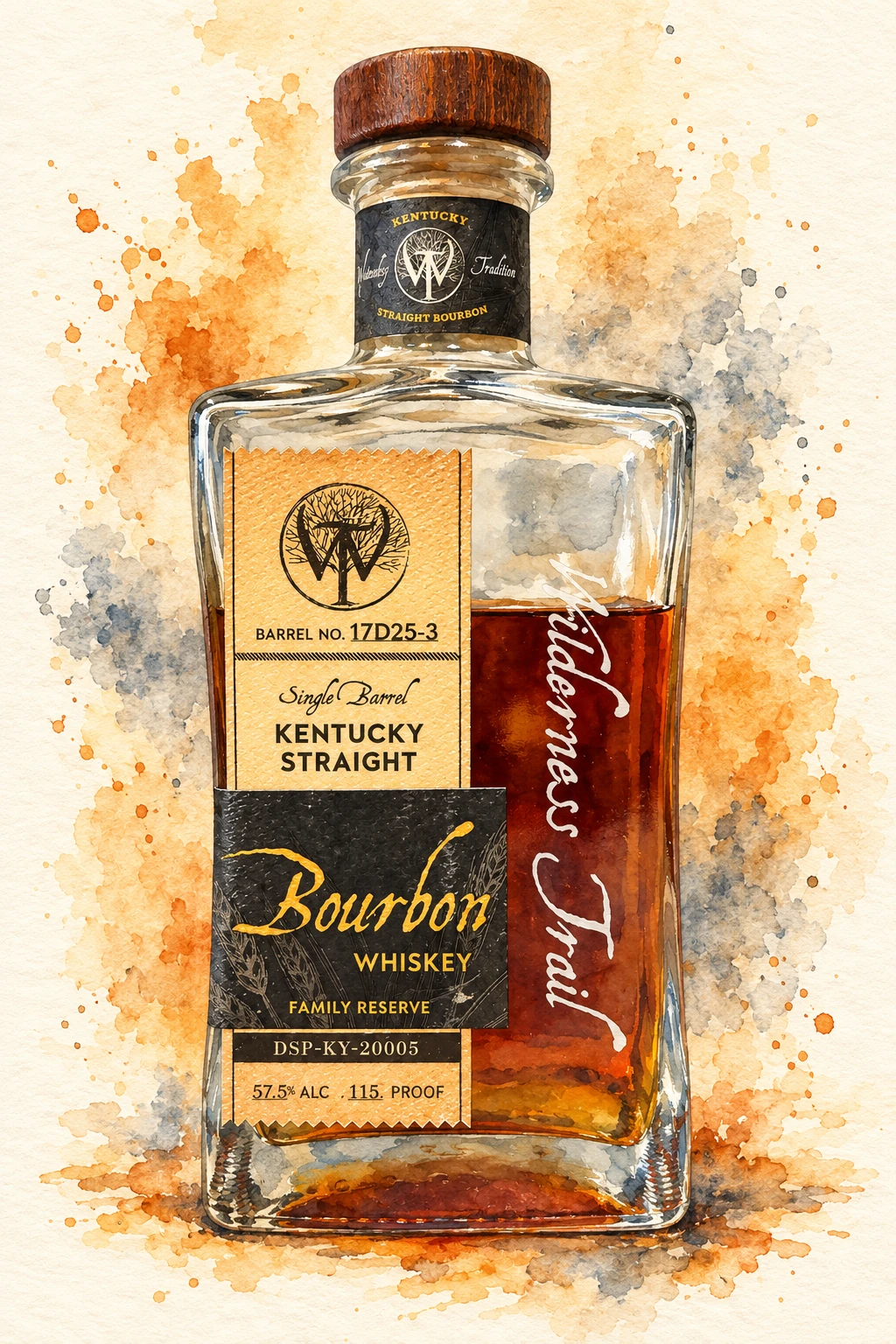
Approved watercolor of Wilderness Trail Single Barrel Barrel Proof

Wilderness Trail Single Barrel Barrel Proof

W0489 · 115 proof · Barrel 17D25-3 · Pick Its Bourbon Night

It’s Bourbon Night / Keg N Bottle
Variant L1130. Numerical age withheld because the original labels conflict.

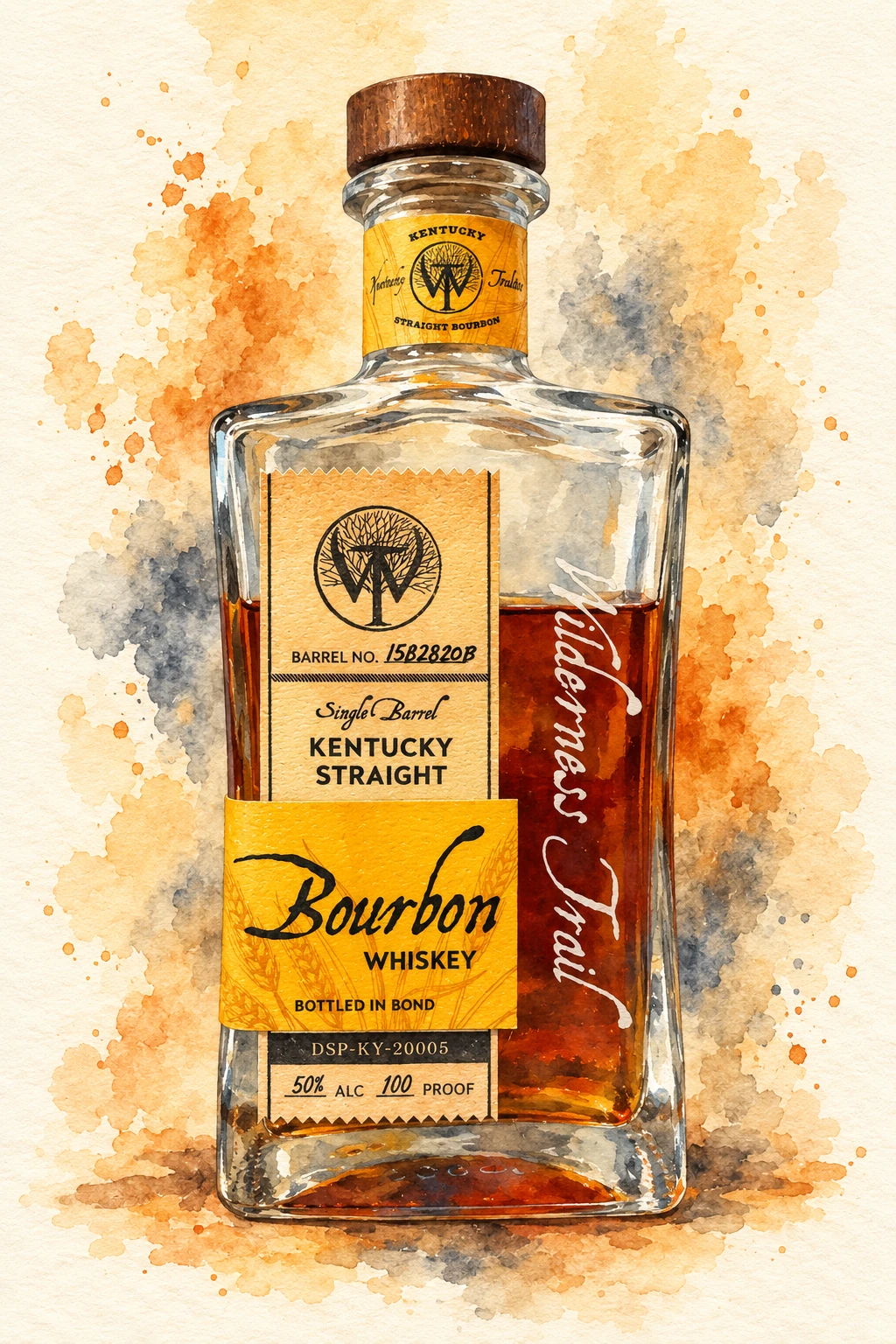
Approved watercolor of Wilderness Trail Single Barrel BIB

Wilderness Trail Single Barrel BIB

W0490 · 100 proof · Barrel 15B2820B · Bottle 74 / 240


Bottle 74 of 240.

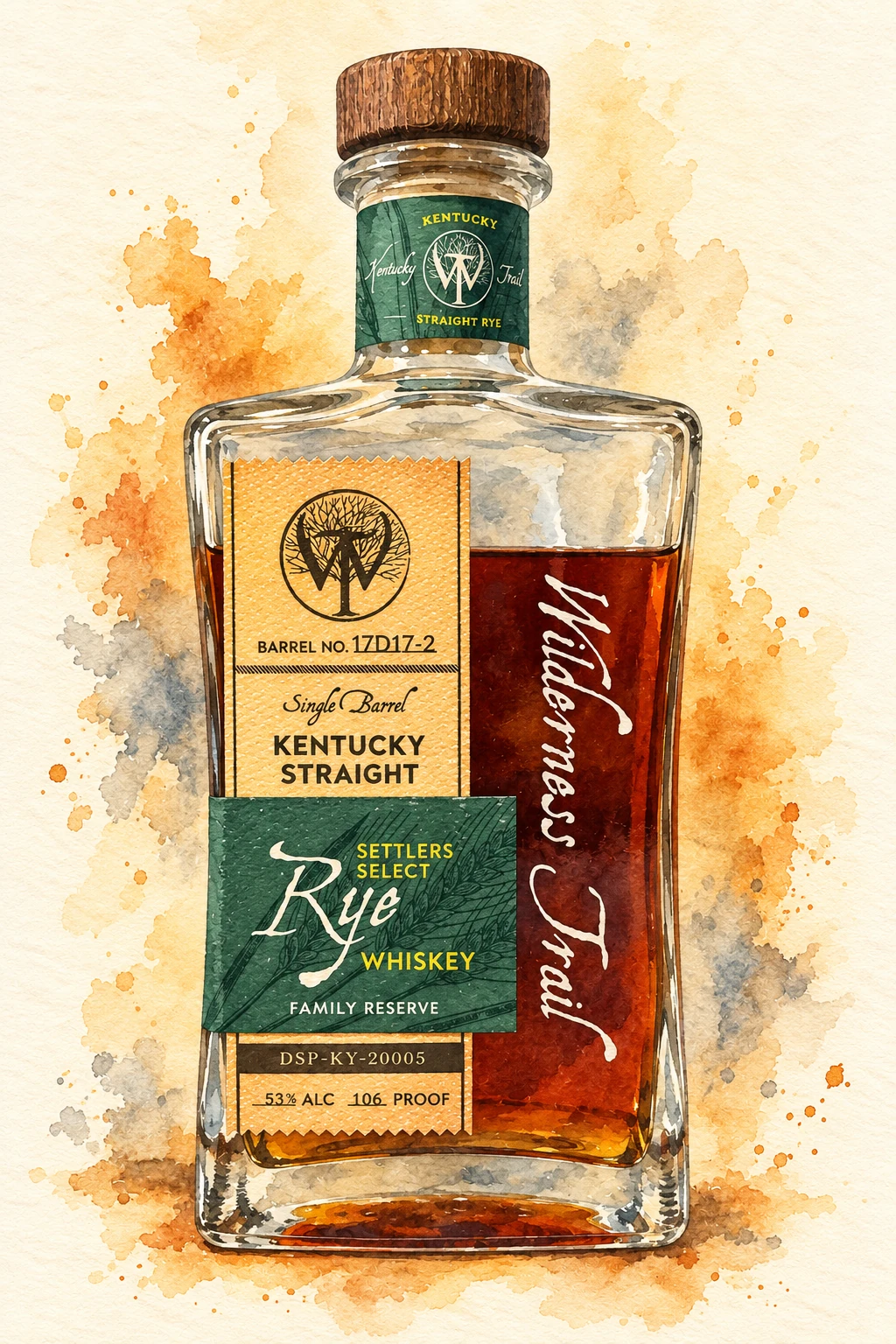
Approved watercolor of Wilderness Trail Single Barrel Rye Barrel Proof

Wilderness Trail Single Barrel Rye Barrel Proof

W0491 · 106 proof · Barrel 17D17-2 · Bottle 149/206 · Pick Bourbon Junkies

Bourbon Junkies
Bottle 149 of 206 · 4 years 6 months.

Wilderness Trail illustrated guide cover
The illustrated companion

Wilderness Trail, in three pages.

Origins and people, history and places, whiskey and stories. An illustrated companion with linked sources.

Sources & research notes

Research checked October 17, 2026. Illustrations are symbolic editorial artwork, not documentary depictions of buildings, equipment or historical packaging. Announced release dates are identified in the chronology. Current distillation throughput has not been established by this source review.

  1. Wilderness Trail: Our Story1996 meeting, 2006 Ferm Solutions, 2012 founding, 2016 recognition.
  2. KDA: Kentucky Bourbon Trail admission, January 23, 20202020 Trail admission, Ferm Solutions consulting, 163-acre historical campus.
  3. KDA: First ten-year announcement, November 29, 20232013 barreling, early pot still, second barrel, December 8 2023 release.
  4. KDA: Four-grain holiday release, December 9, 2021October 2015 experiment, 64/12/12/12 recipe, 110 entry proof, 2021 charity release.
  5. KDA: First bourbon release announcement, April 9, 2018April 28 release, wheated single-barrel bonded identity, community event.
  6. KDA: Six-year release, May 28, 2020June 8 six-year wheated bonded release scheduled with reopening.
  7. Campari: Acquisition investor presentation, October 31, 202270% agreement; 30% option2031; own brand plus bulk business; group portfolio.
  8. Campari: Press release archiveDecember 7 2022 closing announcement.
  9. Wilderness Trail: Our ProcessSweet mash, infusion mashing, 20-barrel-or-less batches, bonded specifications.
  10. Wilderness Trail: FAQOnsite distillation aging bottling, grain sourcing, name, private barrels.
  11. Wilderness Trail: Wheated BourbonFlagship, grain emphasis, producer tasting descriptors.
  12. Wilderness Trail: High Rye BourbonHigh-rye bourbon identity distinct from rye whiskey.
  13. Wilderness Trail: Rye WhiskeyRelatively high corn rye recipe, 100–105 barrel entry proof, producer flavor descriptors.
  14. Wilderness Trail: Distillery and Tours4095 Lebanon Road, farmhouse, visitor route, tasting, live tour page.
  15. Campari: Annual Report 202570% ownership p248/310, impairment disclosure p278; no assertion of current distillation schedule.
↑