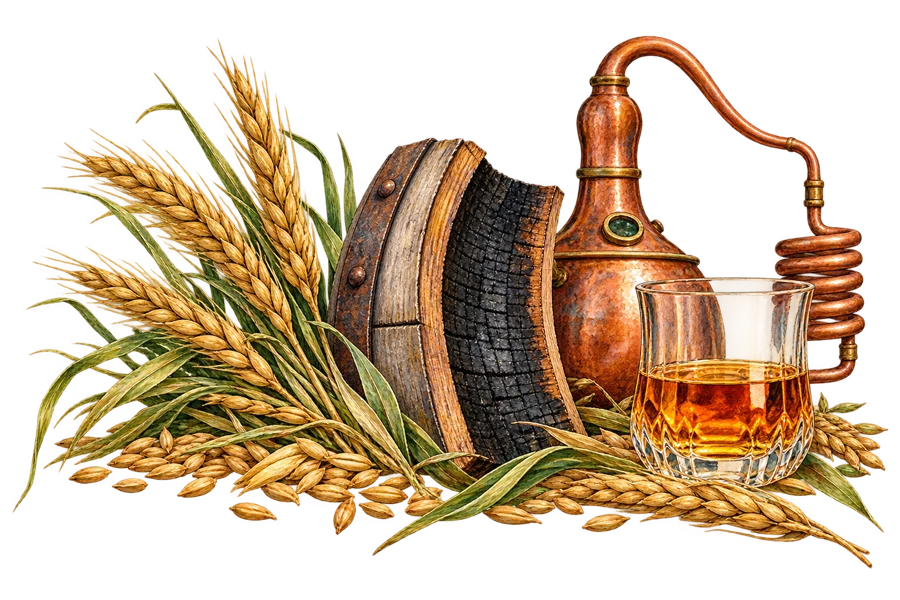
Follow the changing balance of sourced rye, estate production, cask experiments and new places. Brand, distillery and release dates remain separate landmarks.
2007
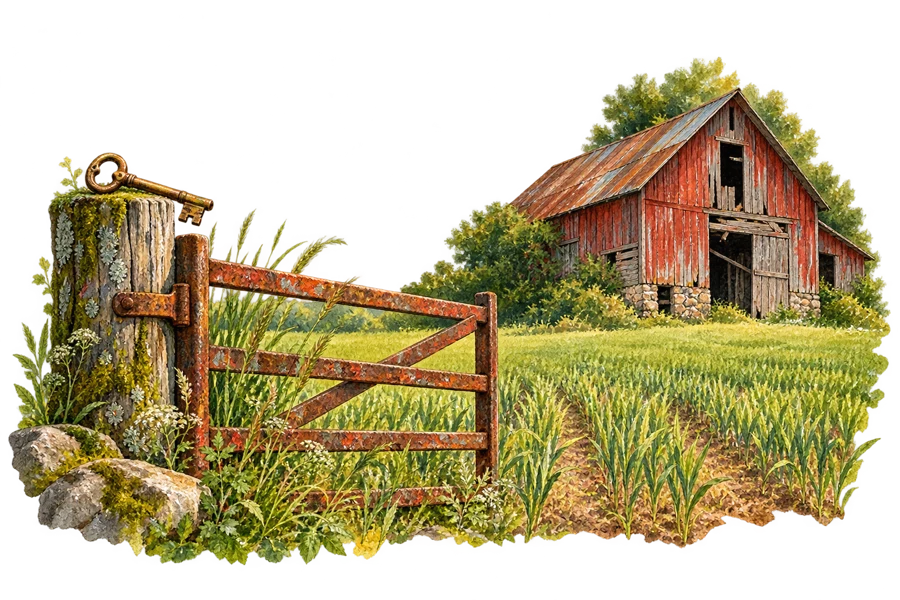
A Vermont farm becomes the starting point
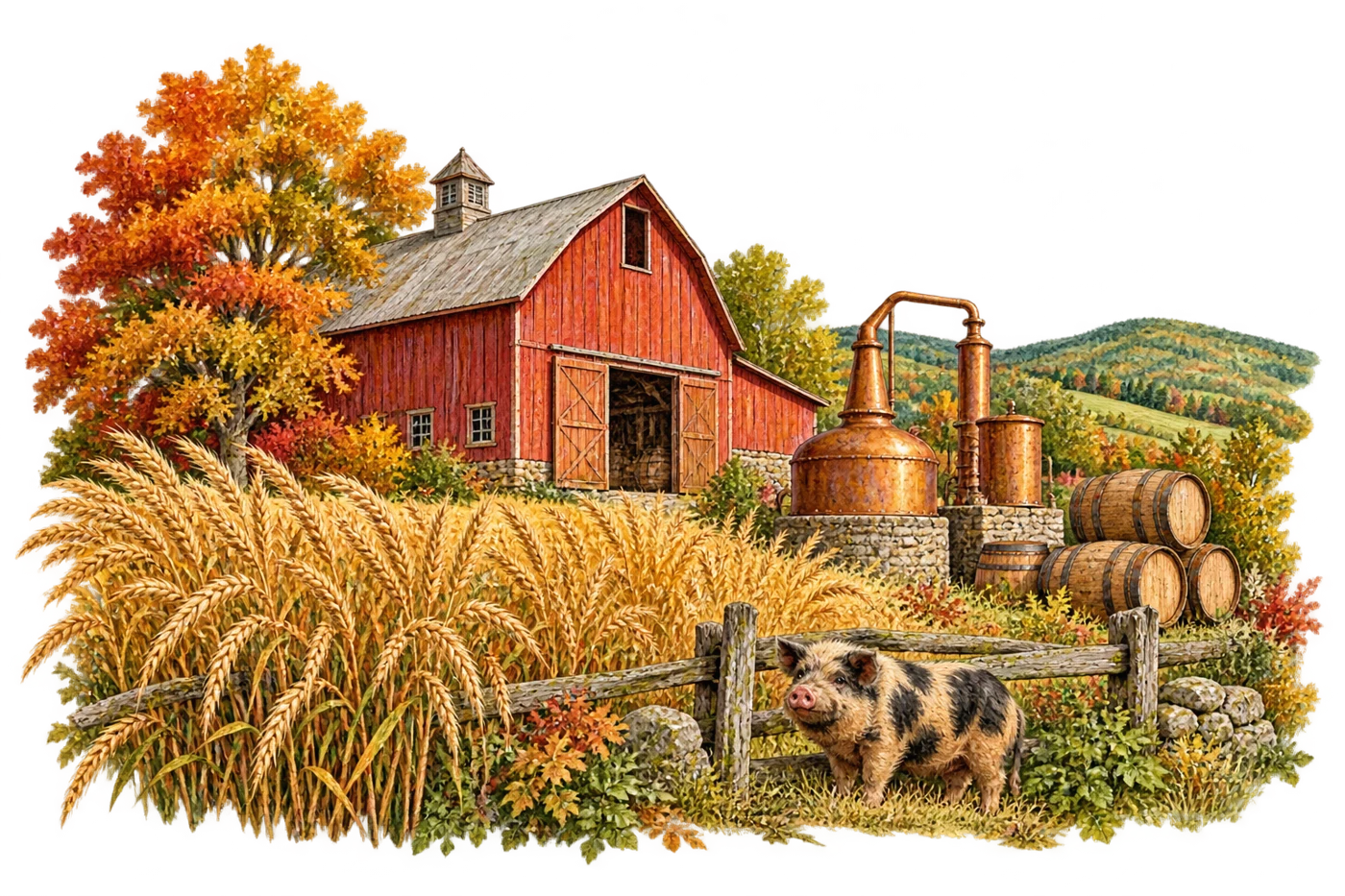
The current FAQ dates the farm purchase to 2007. It was a modern business beginning in a former dairy setting, with whiskey production still to be developed.[1]
2010
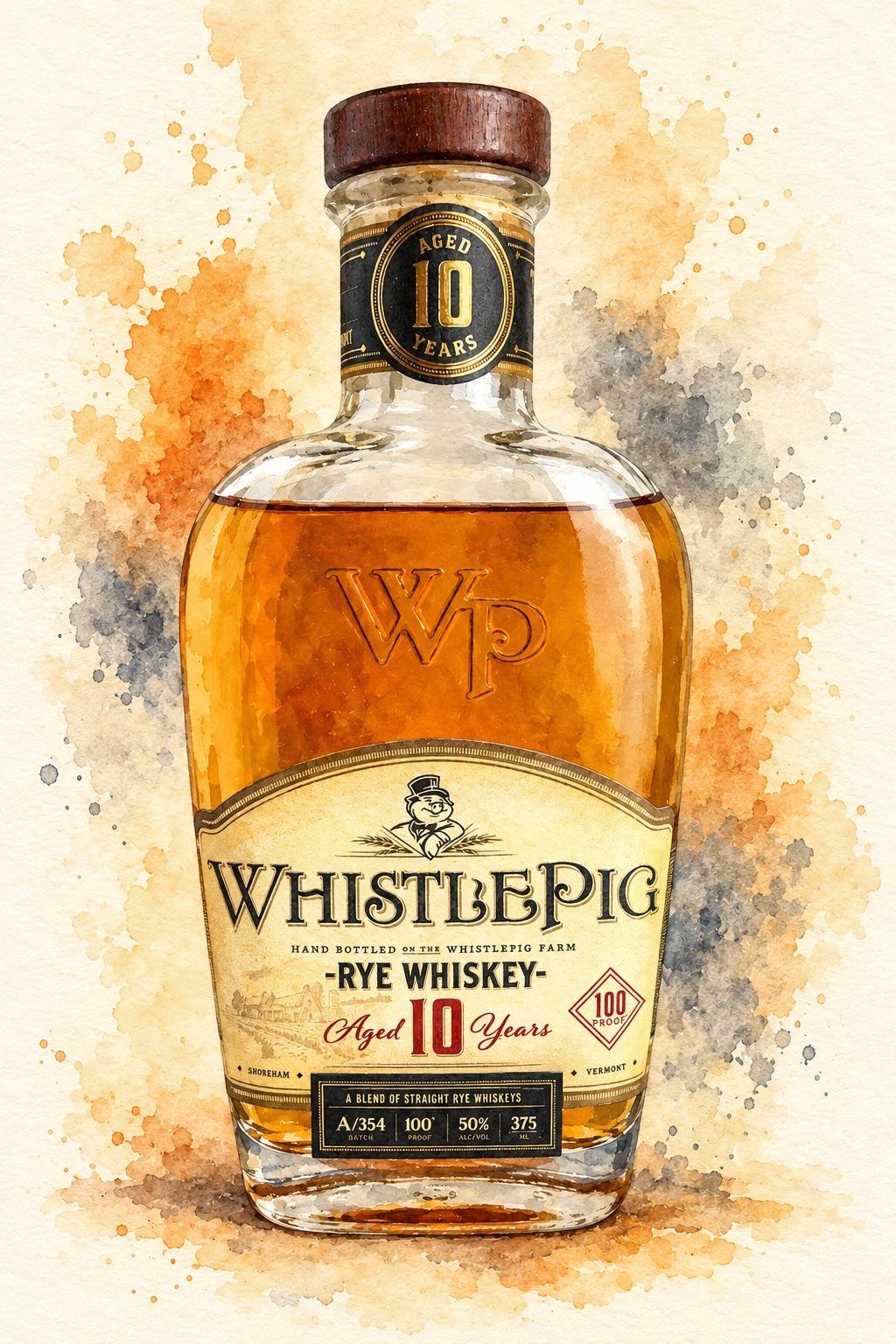
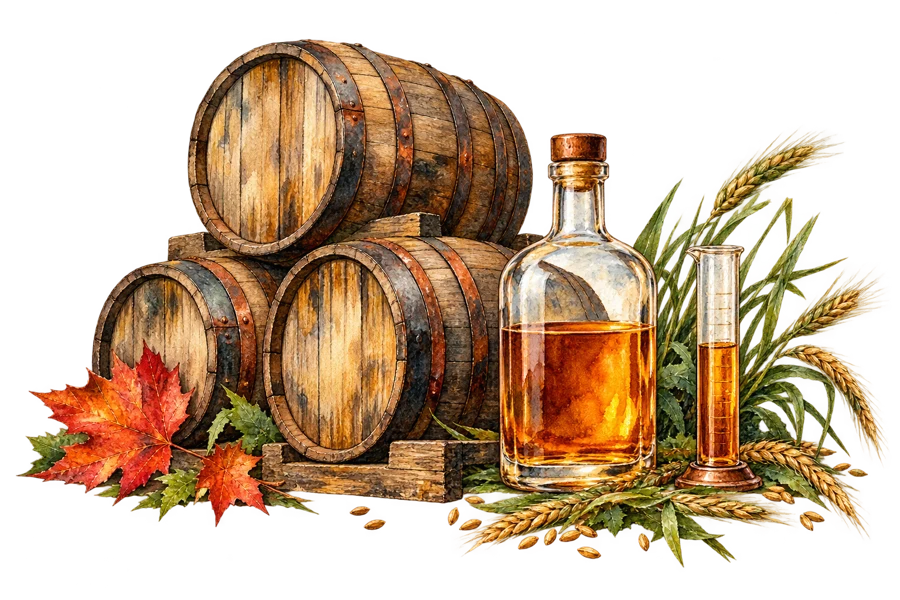
Aged rye makes its mark
WhistlePig’s ten-year rye was already attracting recognition in 2010. The brand’s early identity came from selecting mature whiskey, before distillation began in the Vermont barn.[34]
2013
The Boss Hog begins
The first Boss Hog introduced a separate single-barrel chapter. A 2014 company announcement explicitly looks back to the original release the previous year.[4]
June 23, 2015
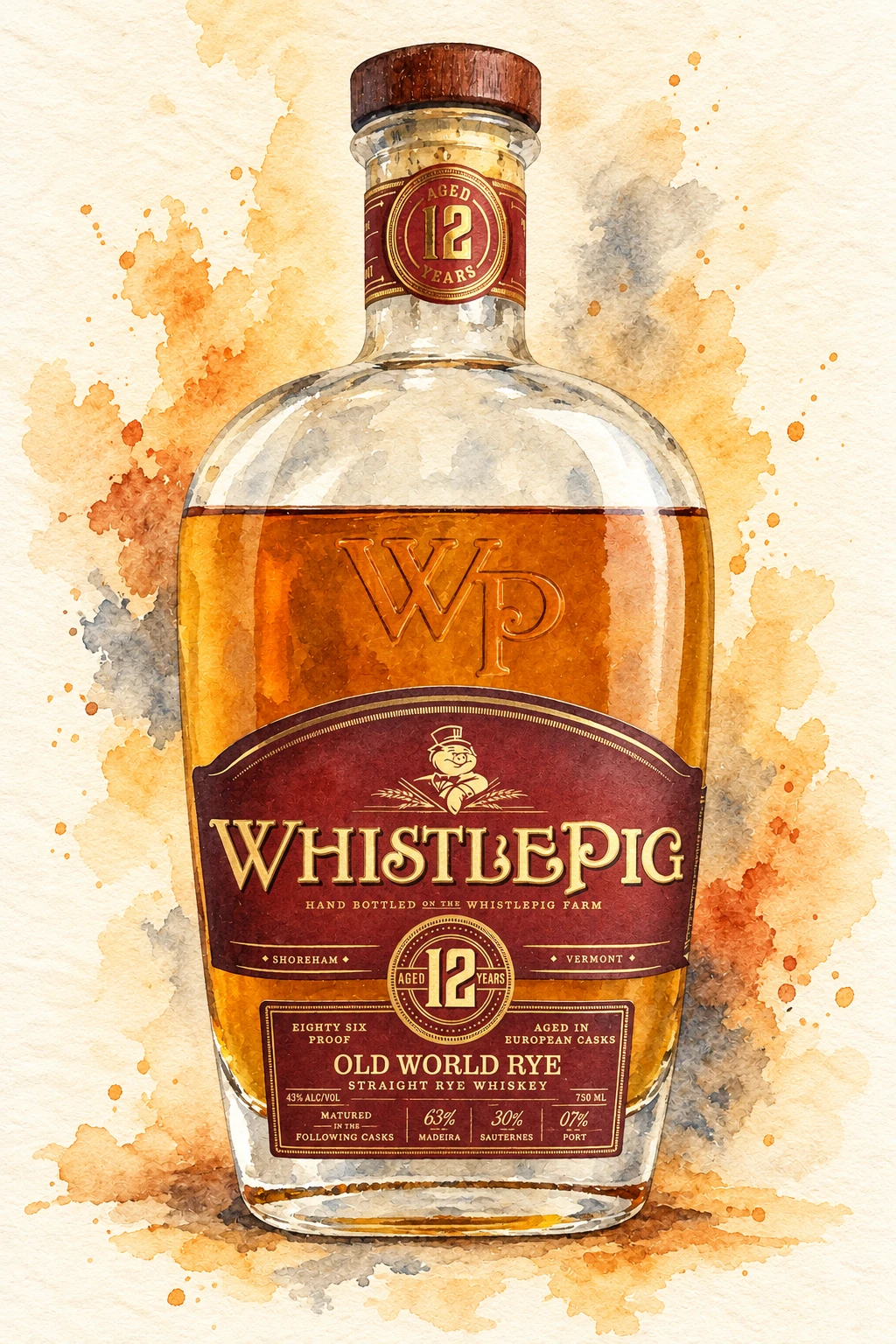
Old World rye broadens the cask vocabulary
Old World became a permanent expression after earlier individual wine-cask trials. The twelve-year rye blended Madeira, Sauternes and Port finishes into a distinct portfolio release.[33]
October 14, 2015
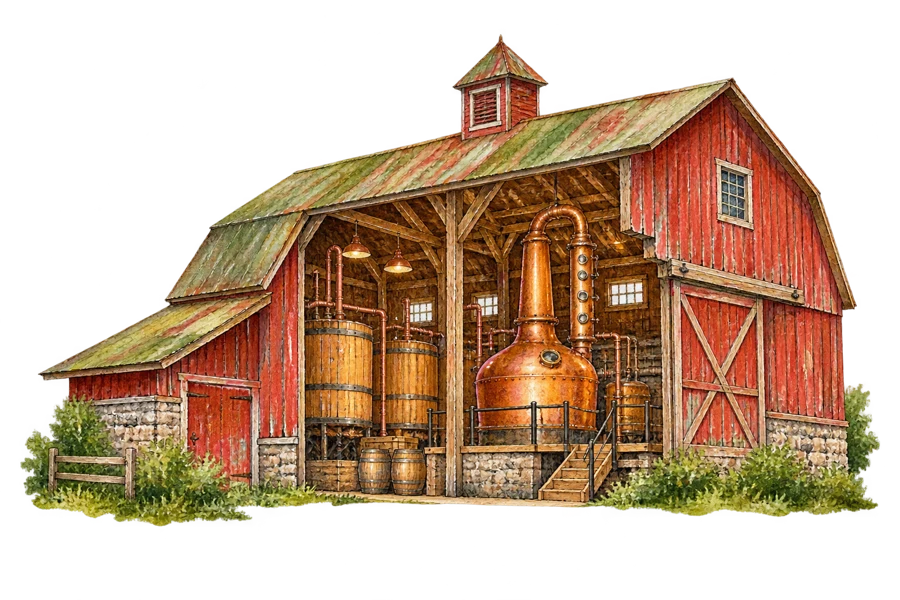
The Vermont distillery opening is announced
A converted dairy barn became a working distillery. The new stills made estate production possible; they did not change the origin of whiskey already aging in the portfolio.[2]
May 3, 2016
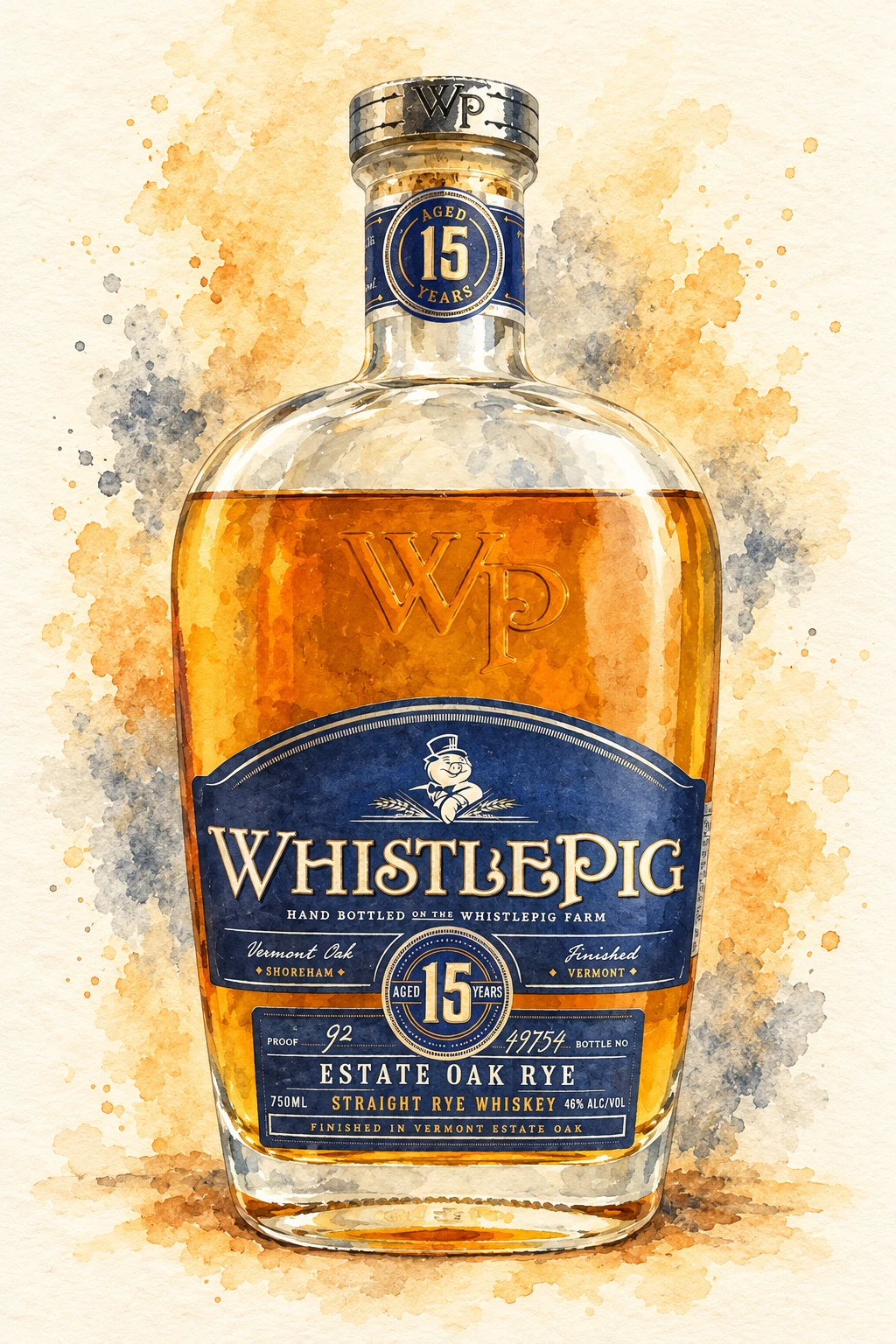
Estate oak becomes a signature
A fifteen-year rye introduced finishing in Vermont white oak from the farm and surrounding area. Its local wood story was distinct from the older whiskey’s distillation history.[5]
March 14, 2017
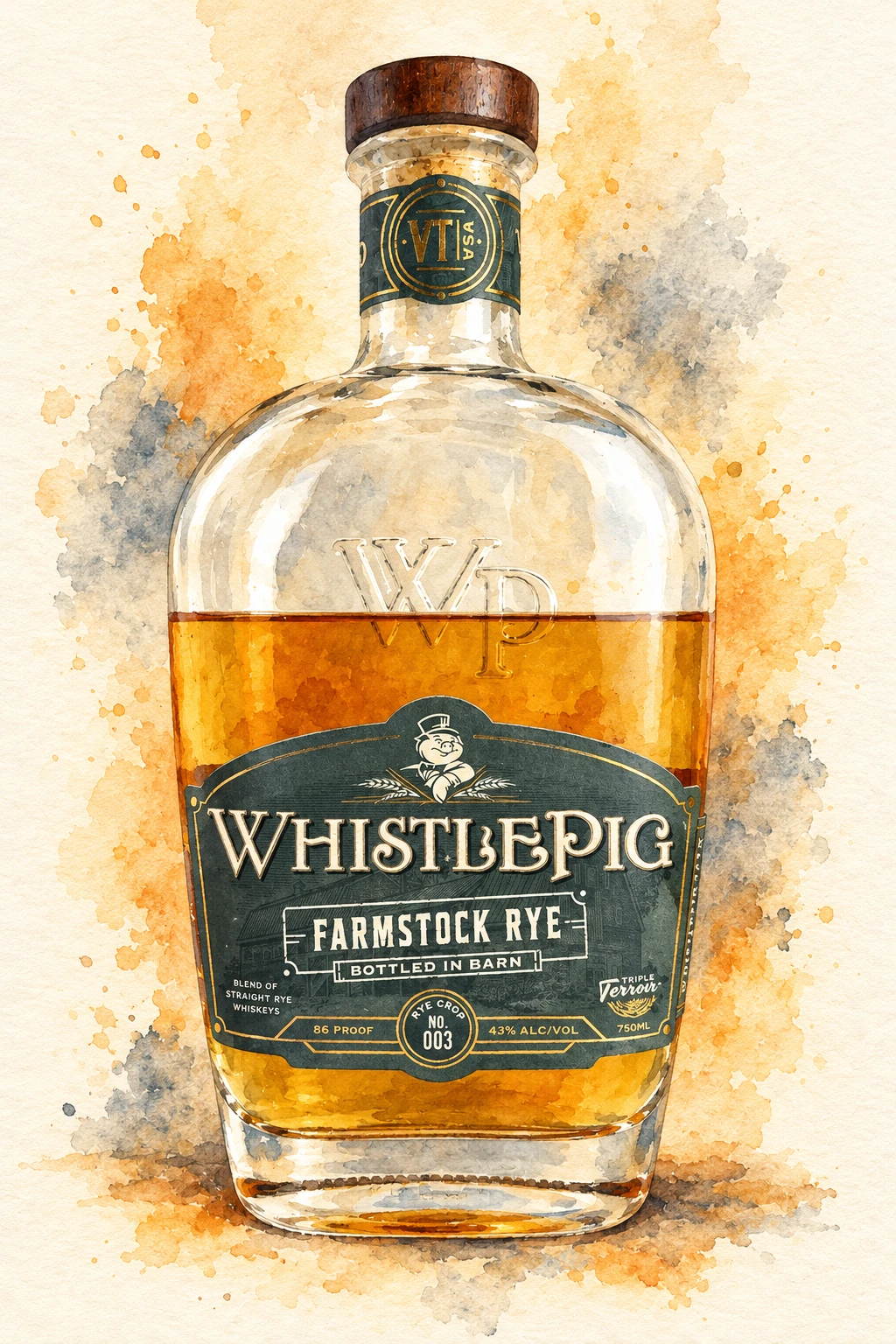
The first FarmStock joins young and old
The initial estate release combined young farm-distilled rye with older sourced components. FarmStock documented a transition toward estate whiskey rather than an immediate replacement of every sourced barrel.[6]
May 8, 2018
Crop 002 changes the blend
The second annual FarmStock included a 32% Vermont component alongside six-year Indiana and ten-year Canadian rye. Each crop had its own recipe and should be read separately.[7]
January 2019
A new investment chapter
BDT Capital Partners made a structured investment including a significant minority equity stake. The announcement also recorded Raj Bhakta’s full exit from his remaining ownership.[3]
April 2019
PiggyBack brings rye to the mixing glass
Developed by Dave Pickerell and Pete Lynch, the six-year, 100%-rye release arrived at 96.56 proof. Its bartender-friendly purpose gave the brand another point of entry.[8]
2019
The FarmStock Crop trilogy reaches its third chapter
The final FarmStock Crop release contained 52% farm-to-bottle rye, according to the later estate launch announcement. The original trilogy’s growing estate share preceded Beyond Bonded’s wholly estate single barrels.[11]
August 22, 2019
Double Malt explores another side of rye
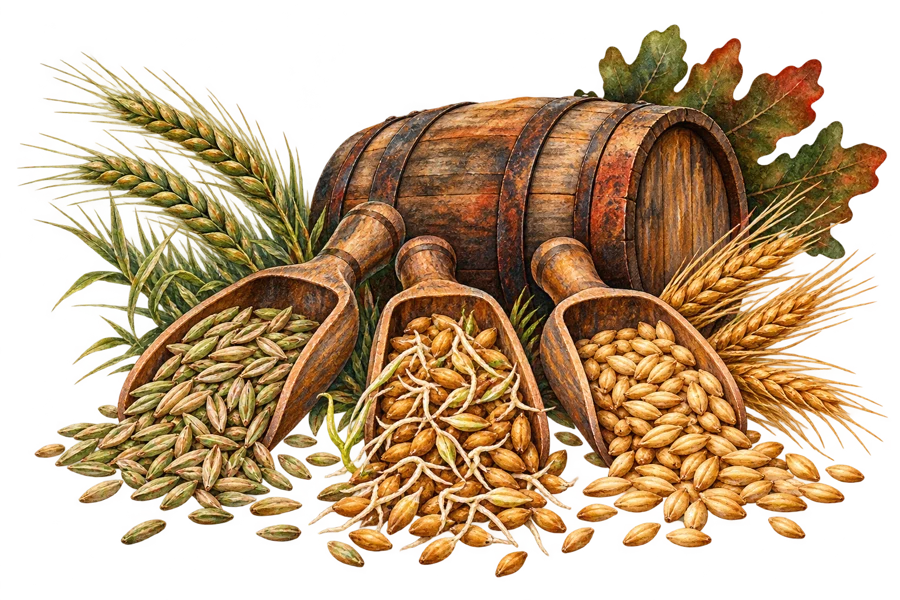
The eighteen-year release put malted rye and malted barley alongside unmalted rye. It moved the discussion from cask treatment back toward the grains in the original recipe.[9]
December 17, 2020
An international partnership takes shape
Moët Hennessy announced a minority stake and a partnership for selected European and Asian markets. Distribution and investment were the relationship, not a new distilling origin.[10]
June 2, 2021
Beyond Bonded makes the estate promise specific
The first estate single-barrel rye and bourbon releases were presented at 100.1 proof, with detailed farm-to-bottle traceability. Later editions require their own proof and bottling records.[11]
March 1, 2023
Old malt meets a rye finish
The Béhôlden introduced twenty-one-year single malt finished in WhistlePig rye casks. Its older sourced spirit expanded the whiskey family without becoming Vermont-distilled malt.[27]
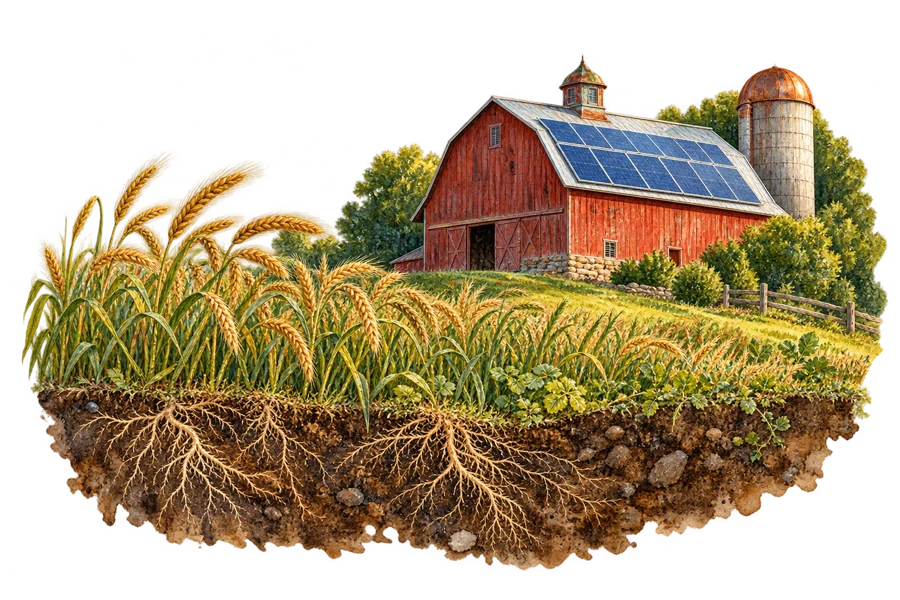
2023
The sustainability story reaches beyond the barn
WhistlePig’s current sustainability account dates the Earthkeep cooperative-distilling initiative to 2023. It places collaboration alongside the producer’s solar-power and farm-practice claims.[16]
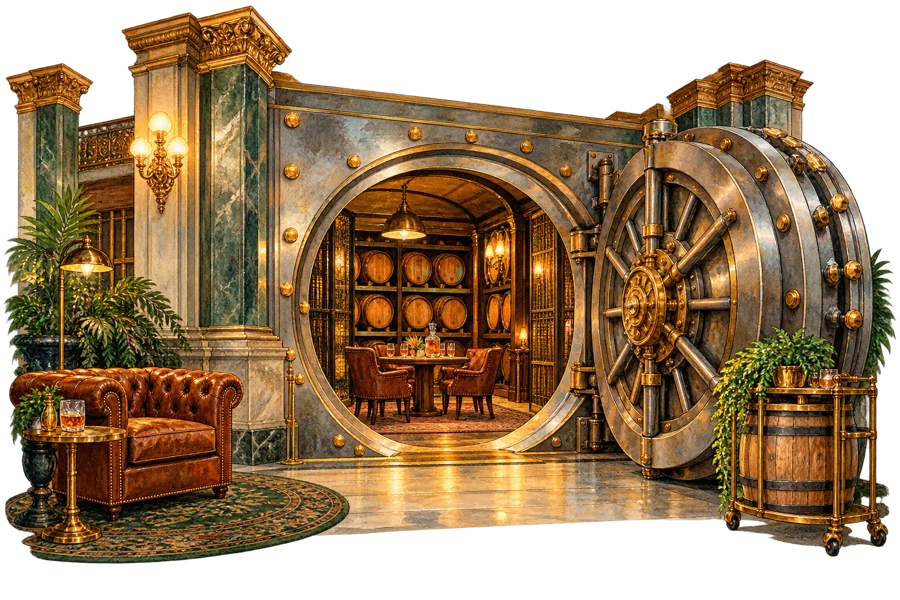
December 5, 2025
The Vault opens in Louisville
A restored 1911 bank became a public tasting destination on Repeal Day. The venue brought WhistlePig hospitality to Kentucky and remains distinct from the brand’s production facilities.[36]
May 20, 2026
Wheat joins an anniversary celebration
Declaration Wheat Whiskey and a commemorative PiggyBank rye arrived for the nation’s 250th anniversary. The new wheat branch widened the range beyond its rye identity.[32]
July 14, 2026
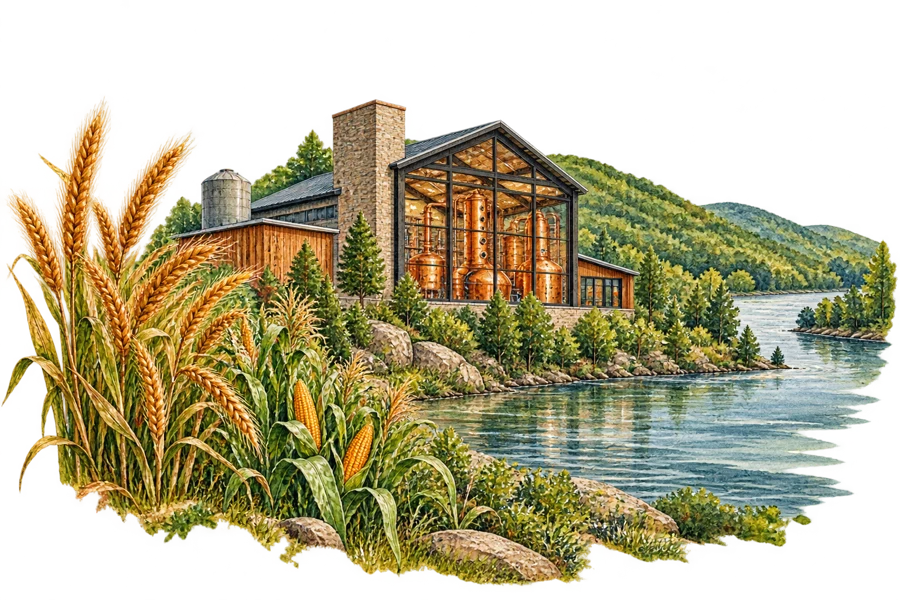
Kentucky production enters the public story
The KDA welcomed WhistlePig and identified its Brandenburg production facility in Meade County. The announcement distinguishes it from Louisville’s Vault and records a distiller’s license issued in August 2025.[35]
September 2026
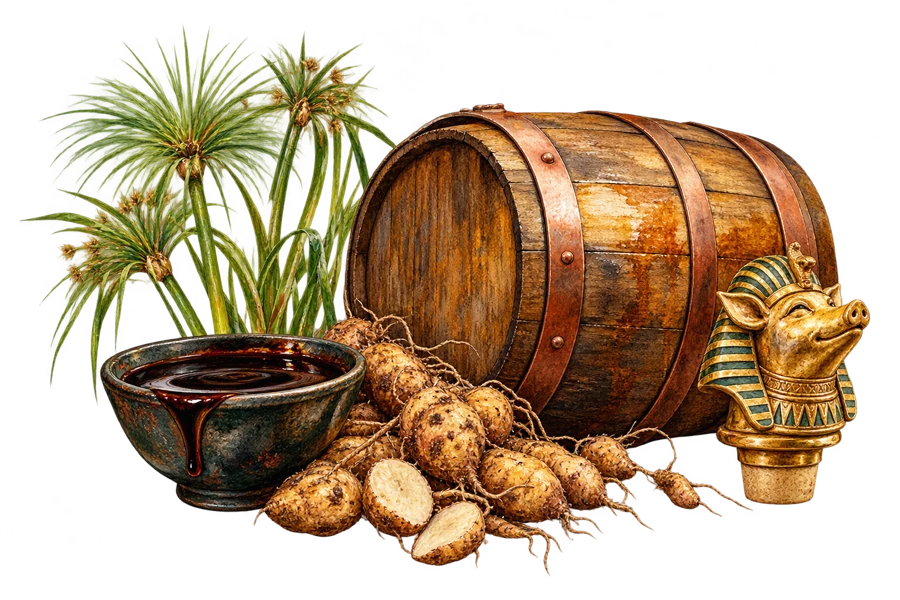
The Golden Pharaoh brings a new finishing chapter
Boss Hog XIII was announced September 9 for a September 29 national launch. Rye matured in new American oak receives a finish in casks seasoned with Egyptian black honey and tiger nuts.[22]
Original watercolor interpretations accompany the history. Buildings, objects and scenes are symbolic, not documentary reconstructions.