1788
A mill gives the place its foundation
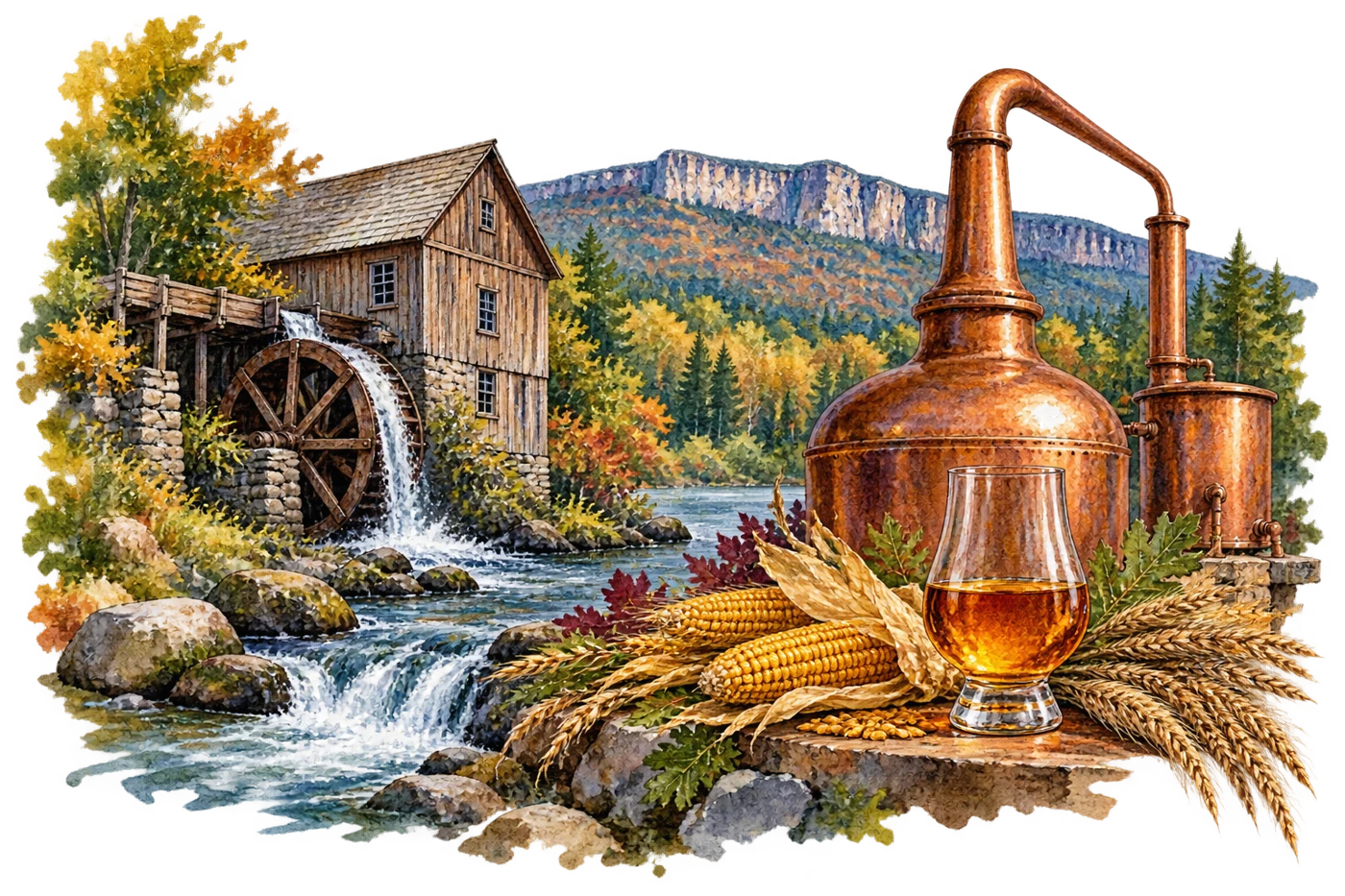
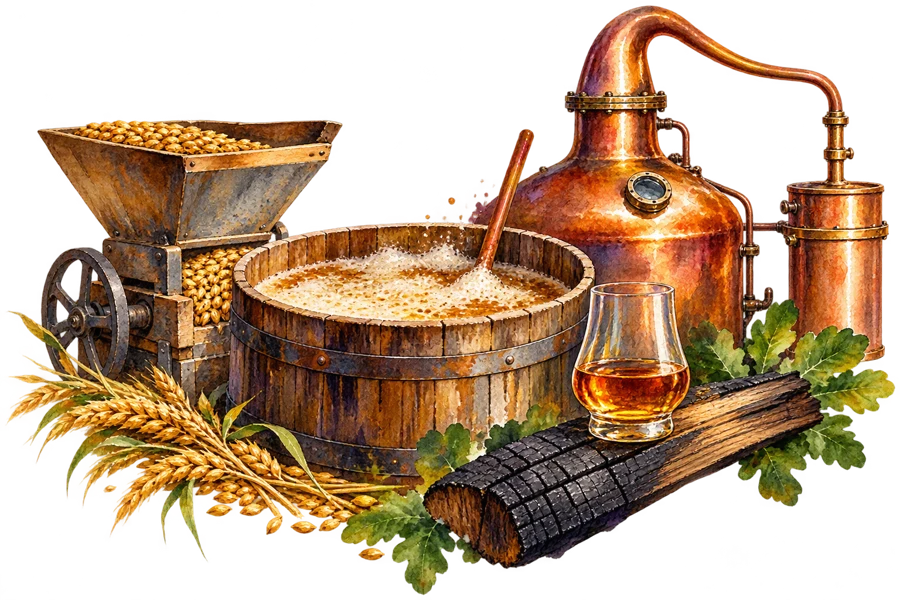
The historic gristmill dates to 1788. Its grain-working past gives the site a meaningful connection to the distillery that came much later. This is the age of the mill, not evidence of continuous whiskey production since the eighteenth century.[2]
2003
The distillery venture takes shape
Erenzo and Lee begin building Tuthilltown, according to the state report’s founder biography. The brand’s own history also places the formative idea in 2003. Other accounts use 2005 for the operating distillery; the venture and operating milestones should remain distinct.[3][1][5]
2006
Baby Bourbon follows the first spirits
The state report dates Hudson Baby Bourbon’s introduction to 2006. An earlier apple vodka had already established a local-fruit connection. Whiskey then gave the small distillery a wider identity, with New York grain becoming central to the Hudson story.[3][4]
2007
Farm distilling gains room to grow
The Farm Distillery Act becomes a landmark in the state’s craft revival. The 2016 state report credits Erenzo’s advocacy and records Tuthilltown hosting the New York Craft Distillers Guild’s first meeting. It is a story about opening opportunities for a community, not a claim that one person alone changed the law.[3]
2007
Manhattan Rye joins the early range
The Oxford history dates Hudson Manhattan Rye to 2007 and describes a 100-percent New York rye recipe. That early expression gives the house a second grain-led identity. It should be distinguished from today’s 95-percent-rye Do The Rye Thing.[4][11]
2010
Hudson gains a larger brand partner
William Grant & Sons buys the Hudson Whiskey brand. Contemporary reporting later describes a supply agreement under which Tuthilltown continued making the whiskey. This brand transaction precedes the purchase of the distillery itself by seven years.[6][5]
2015
A regional rye identity is built together
Six New York distilleries form the Empire Rye consortium, with Tuthilltown among the founders. Its shared standards connect local rye, production and maturation while leaving room for each distiller’s character. Cooperation helps give the state’s revived whiskey culture a recognizable shared identity.[7][8]
April 2017
The working distillery joins William Grant
The acquisition extends to Tuthilltown’s distillery and wider site. Dated reports describe a 36-acre property and distinguish this purchase from the 2010 Hudson brand deal. The transaction brings a physical American distilling home into the parent company’s operations.[5][6]
September 2020
Hudson changes its look and its whiskey
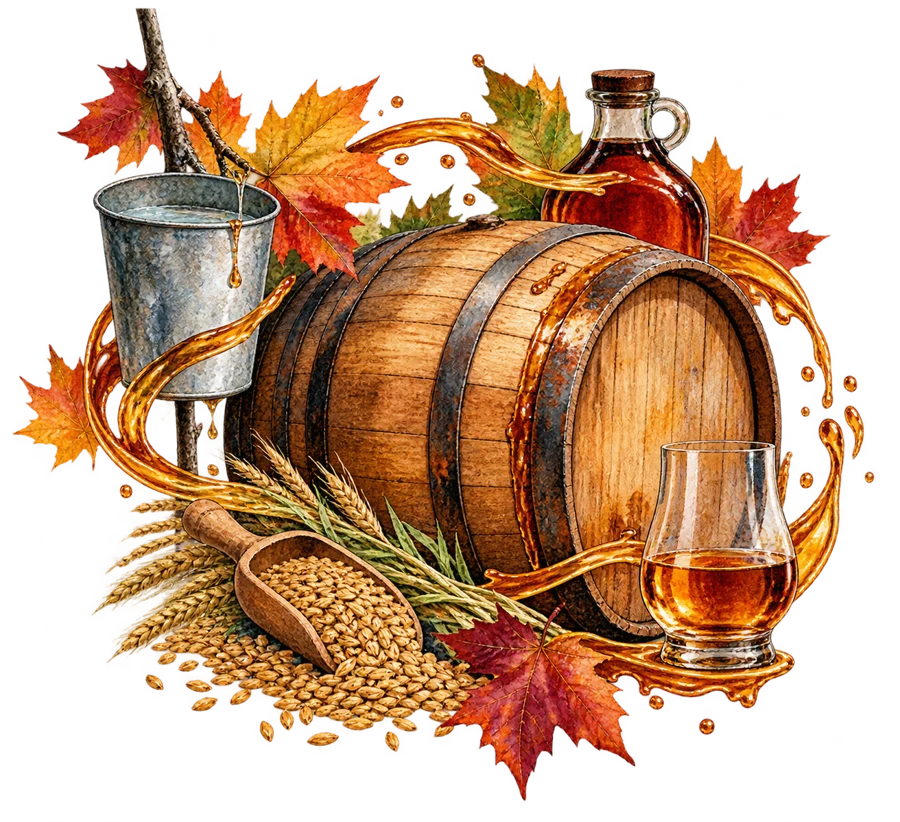
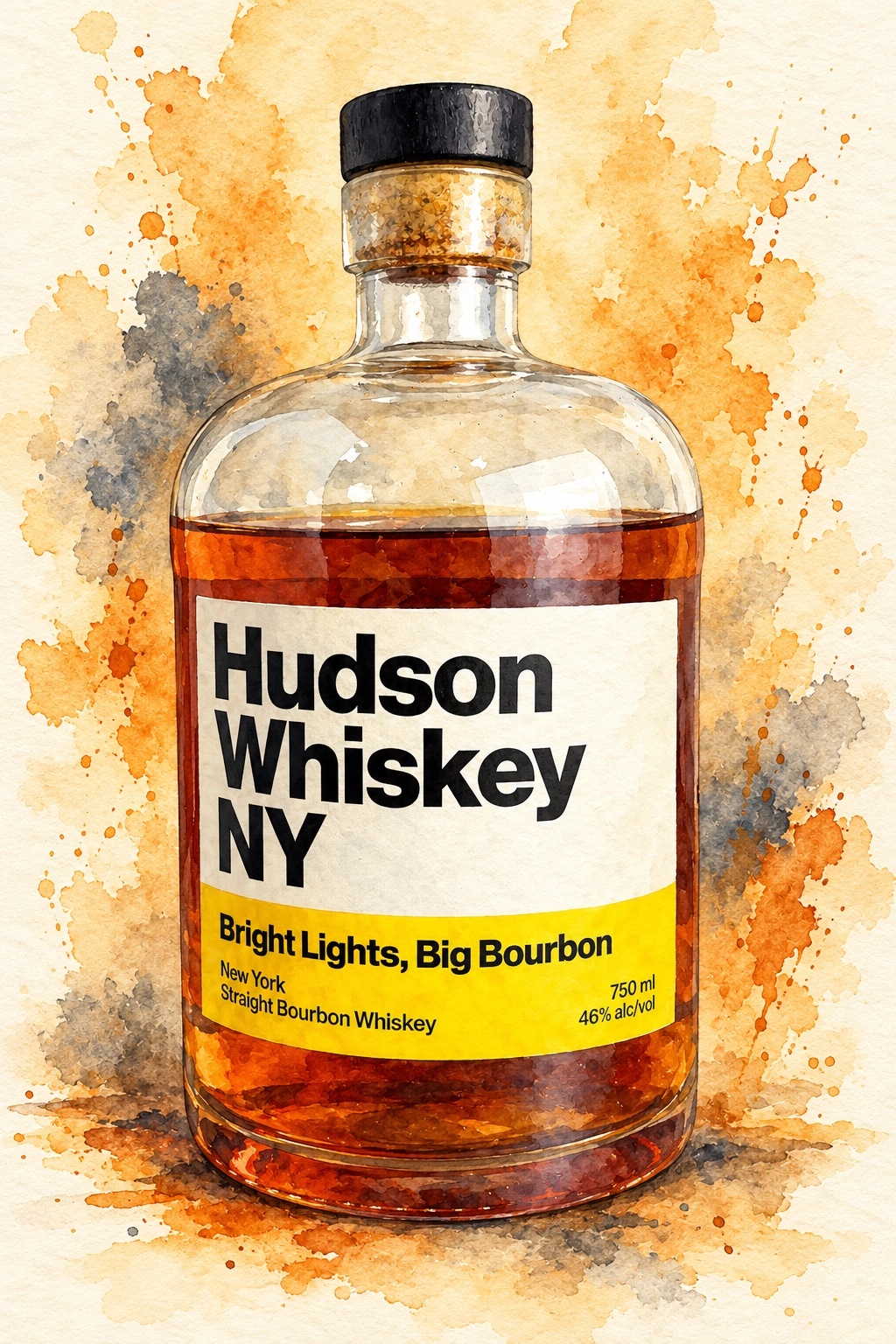
The relaunch introduces Bright Lights, Big Bourbon and Do The Rye Thing in place of Baby Bourbon and Manhattan Rye. Short Stack carries forward the maple-cask idea; Back Room Deal adds a peated-cask rye. The issuer describes more mature whiskey as well as new packaging and names.[9]
2021
Four grains take a longer view
Four Part Harmony adds a seven-year four-grain bourbon to the story. The producer’s 2021 tasting sheet records corn, rye, wheat and malted barley at 92 proof. Its longer maturation becomes a useful marker of the stock available to the growing distillery.[15][14]
December 2021
A community award carries Gable’s name
At its December convention, ACSA presents the inaugural Gable Erenzo Spirit of Community Award to Mark Shilling. The tribute remembers a Tuthilltown co-founder for generosity toward other makers. This is an industry-community milestone, separate from the brand’s ownership and release history.[16]
June 2023
A five-year bourbon marks twenty years
The company introduces New York Straight Bourbon Whiskey 5 Year Old while celebrating a twentieth anniversary measured from 2003. The 95-percent-corn, five-percent-malted-barley bourbon is pot-distilled and bottled at 92 proof. It is a named aged expression, not a new age statement for every Bright Lights bottle.[17]
October 1, 2024
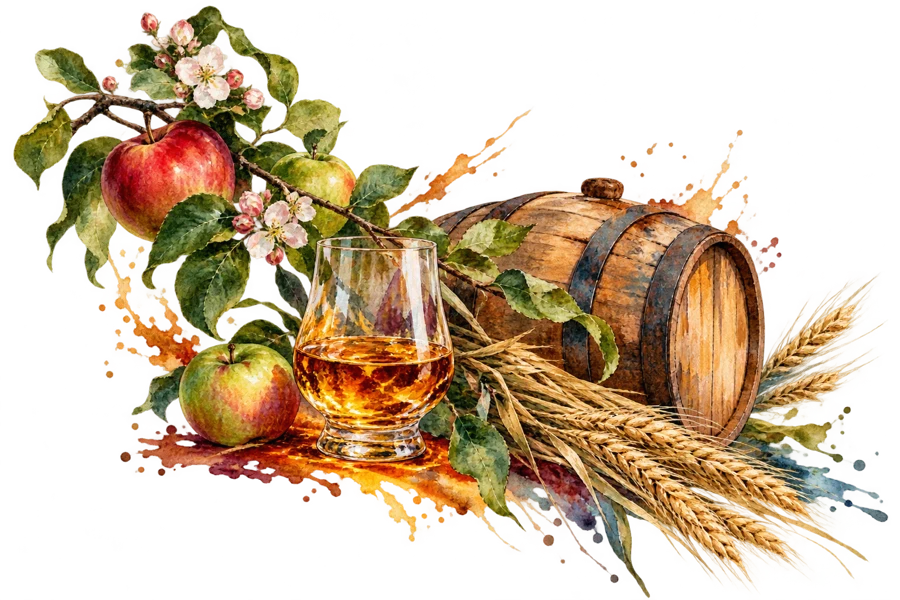
Rye meets Calvados-seasoned oak
A new seven-year rye spends at least three and a half years in new American oak, followed by another three and a half in former Calvados casks. The announcement connects Hudson Valley rye with a Normandy apple-brandy cask history. The cask’s origin does not turn the whiskey into a French distillate.[18]
May 2025
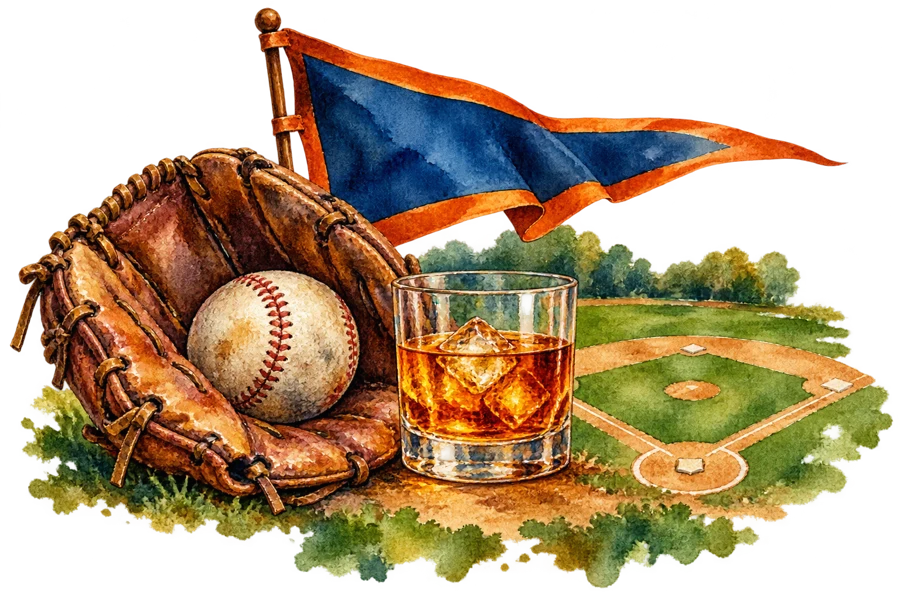
Bright Lights steps onto a baseball stage
The distillery’s May announcement describes a Mets-branded Bright Lights edition within a three-year partnership involving William Grant & Sons USA. It lists locally grown grain, at least three years of aging and 92 proof. The team label is an edition distinction, not a separate distilling source.[19][24]
July 21, 2025
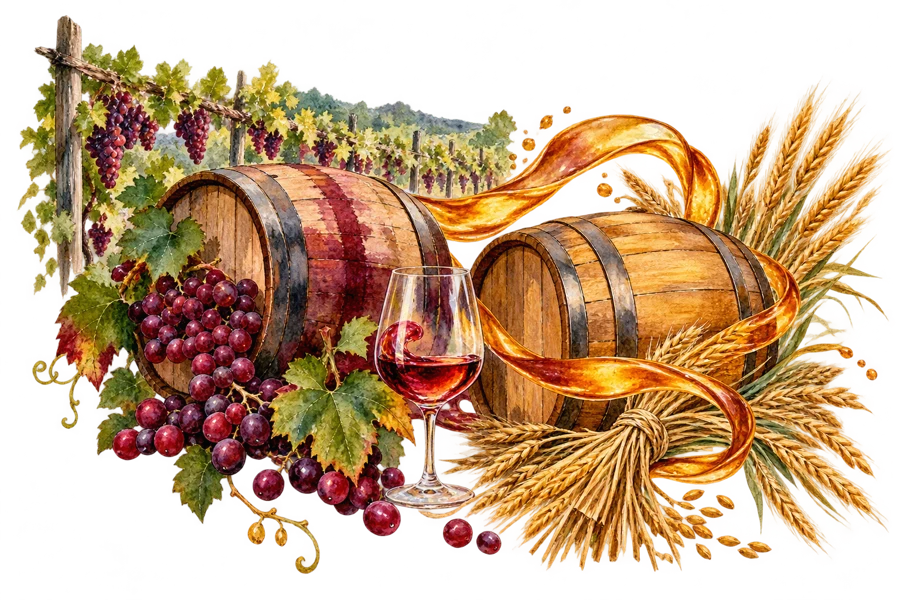
A local cask returns with a Port history
The distillery announces an eight-year Port-finished rye: three and a half years in new oak, then four and a half in Port barrels. Its account traces the barrels through neighboring Whitecliff Vineyard & Winery before their return. The release makes a local working relationship visible in the whiskey.[20][24]
July 28, 2025
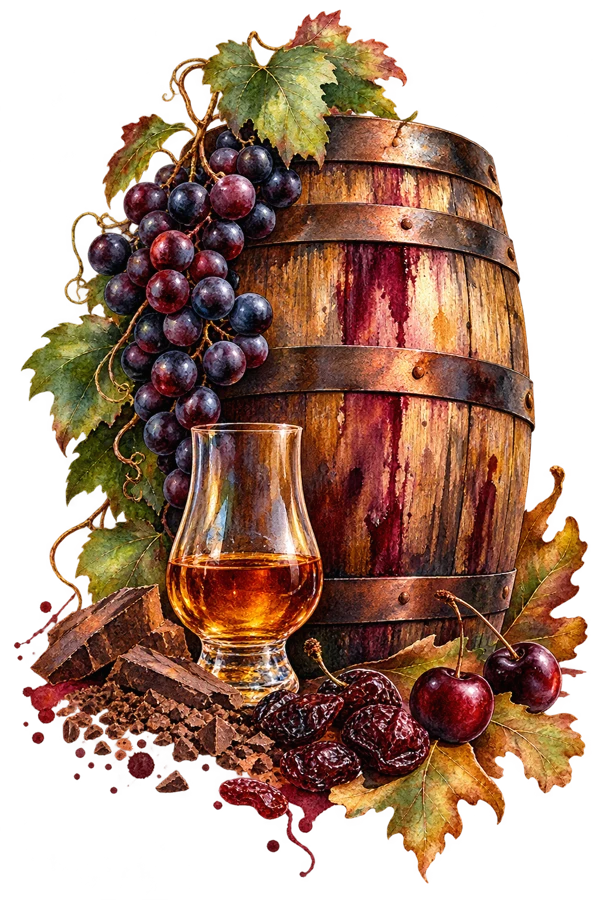
Sherry Cask returns as an eight-year bourbon
An earlier six-year X-Series offering returns in an eight-year presentation within the premium line. The distillery’s dated news index anchors the announcement to 2025. A familiar finish name has acquired a different age and presentation, another reason to read releases individually.[21][24]
Original symbolic watercolors, not documentary reconstructions of buildings or people.