TJ THELEN'S COLLECTION
The Thelen Reserve
Behind the Bottles / Maryland

Sagamore
Spirit

Last updated Last researched

Maryland, worth the wait.

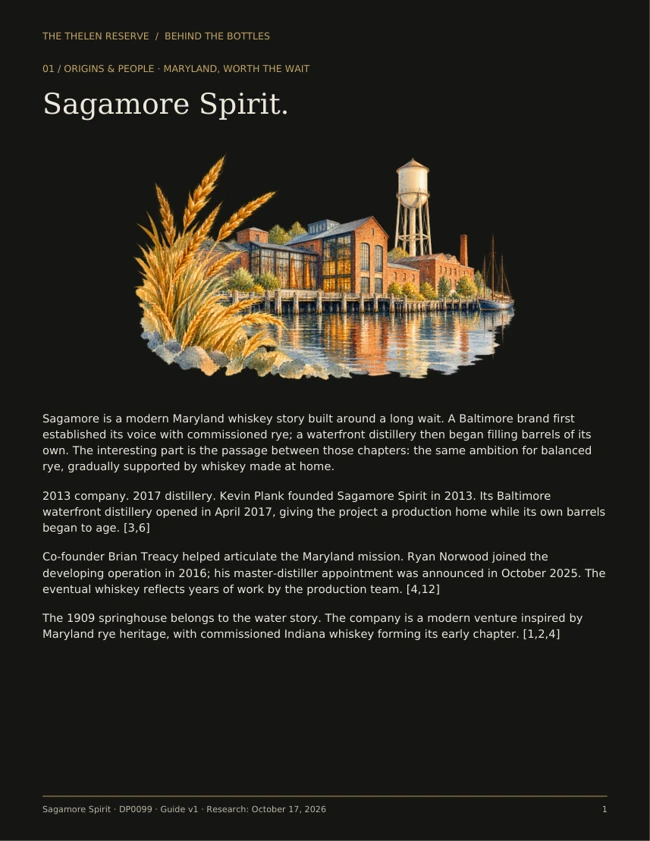
Sagamore is a modern Maryland whiskey story built around a long wait. A Baltimore brand first established its voice with commissioned rye; a waterfront distillery then began filling barrels of its own. The interesting part is the passage between those chapters: the same ambition for balanced rye, gradually supported by whiskey made at home.[4][7]

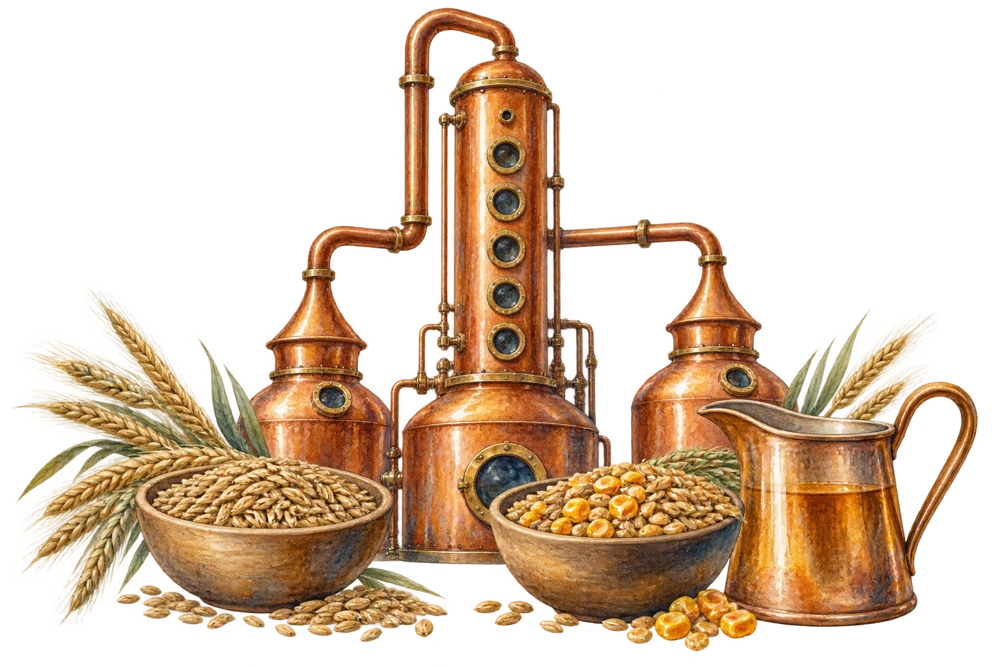
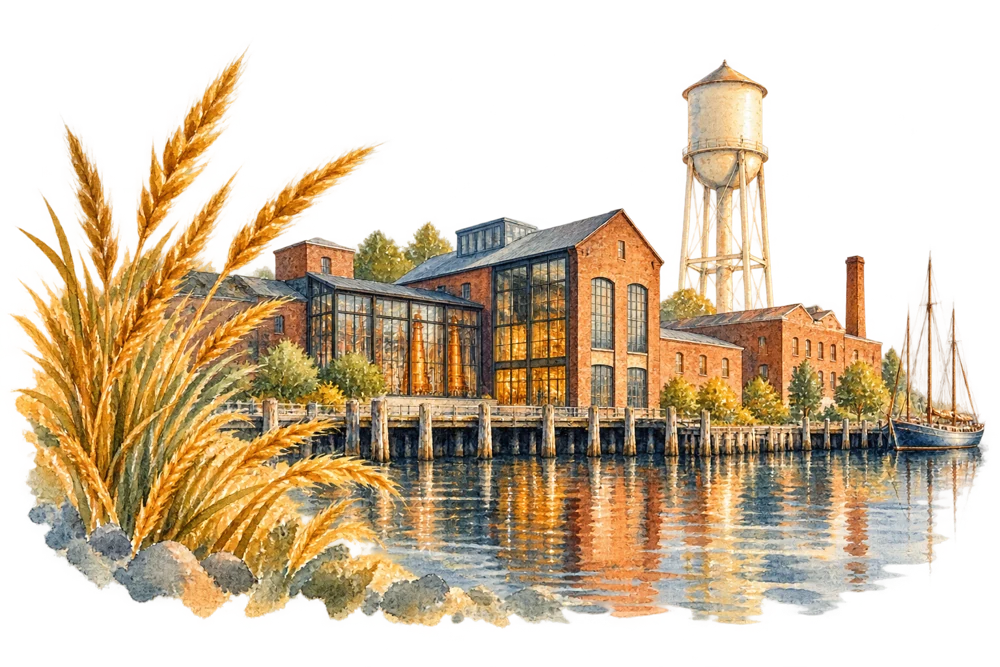
Original watercolor interpretation of a Baltimore waterfront distillery, water tower and rye
Baltimore, Maryland

Modern distilling home

2013 / 2017

Company founded / distillery opens

Two rye recipes

Blended after separate production

Rye & high-rye bourbon

A growing Maryland whiskey family

01 / Origins & people

A new chapter in Maryland rye.

A new company with an older inspiration

Kevin Plank founded Sagamore Spirit in 2013, with Bill McDermond as a minority owner. The project drew on Maryland’s rye heritage rather than inheriting an operating nineteenth-century distillery. Its historic springhouse is part of the water story, not a founding date for the whiskey company.[6][1]

Building a whiskey before opening the doors

Commissioned Indiana production provided whiskey while the Baltimore operation took shape. The producer later identified that original supplier as MGP. This was an acknowledged bridge to in-house distillation, not evidence that the early bottles came from the waterfront still.[2][4]

The people who made the transition

Co-founder Brian Treacy publicly framed the first bonded release as the fulfillment of the original project. Ryan Norwood, whose involvement dates to 2016, moved through production and operations before his master-distiller appointment was announced in October 2025. The story belongs to a working team as well as its founder.[4][12]

02 / The illustrated history

The promise, then the patience.

From the old springhouse to a new generation of Maryland whiskey. Each milestone has its own original watercolor interpretation.
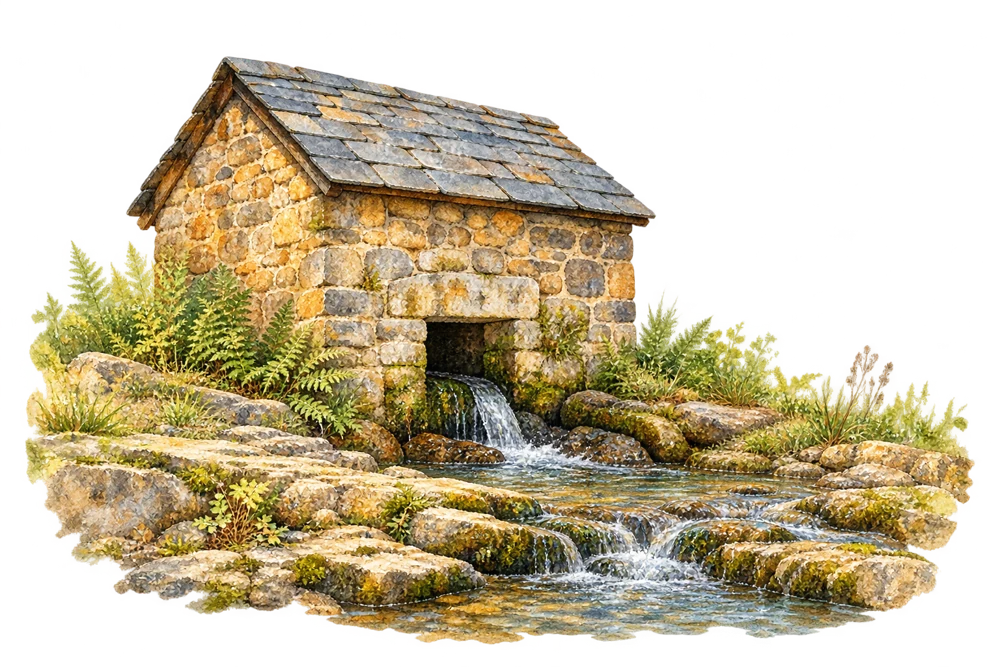
springhouse, symbolic watercolor illustration
1909

The springhouse predates the spirit

The stone springhouse at Sagamore Farm becomes a later emblem of the whiskey. Its date belongs to a water source and building, decades before the modern company.[1][6]
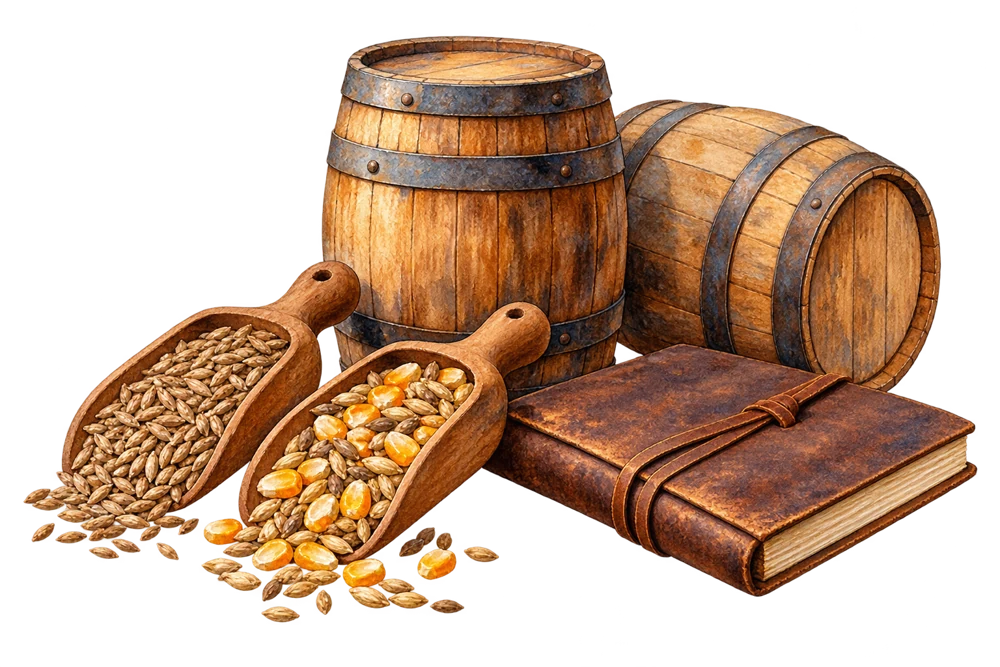
two-recipes, symbolic watercolor illustration
2013

A company, and a head start

Sagamore Spirit is founded. Two rye recipes are commissioned in Indiana while a Maryland distillery is still a plan. Starting the whiskey clock early makes a later launch possible.[6][2]
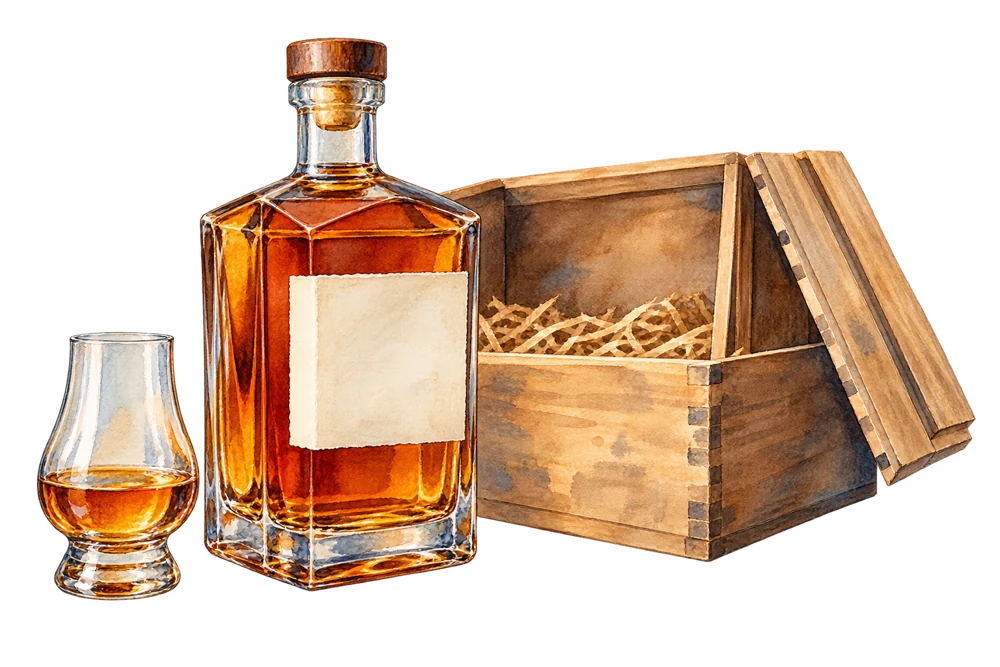
first-release, symbolic watercolor illustration
2016

The first whiskey chapter

Sagamore’s releases establish the two-recipe blending approach that later Maryland-made editions retain. These early releases belong to the sourced-production phase.[4][5]
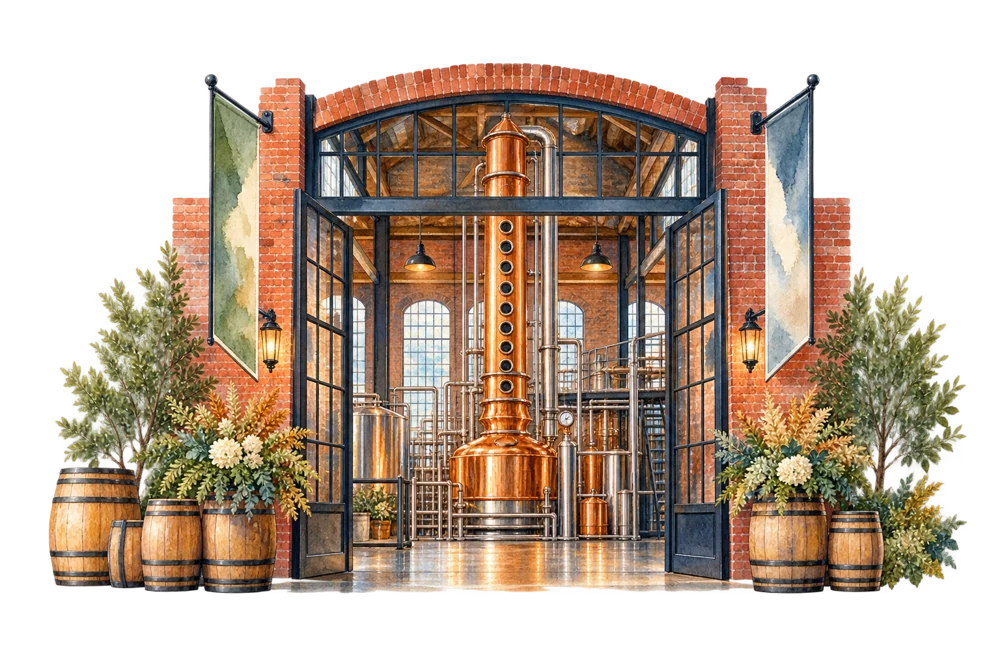
opening, symbolic watercolor illustration
April 2017

The waterfront distillery opens

The Baltimore distillery opens to visitors on April 21. Production begins in Maryland that April, adding a physical home and a future supply of locally distilled whiskey.[3][2]
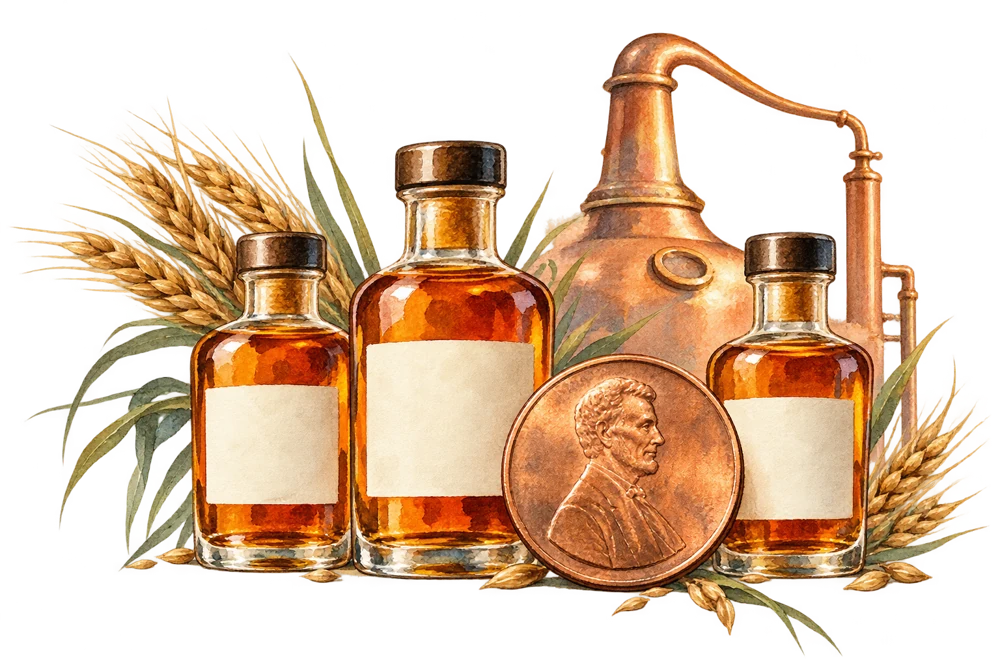
penny, symbolic watercolor illustration
2019

A penny buys a preview

The first Penny’s Proof release offers an early taste of Maryland-made rye at two and a half years. The small-bottle program lets drinkers follow the maturing spirit.[4]
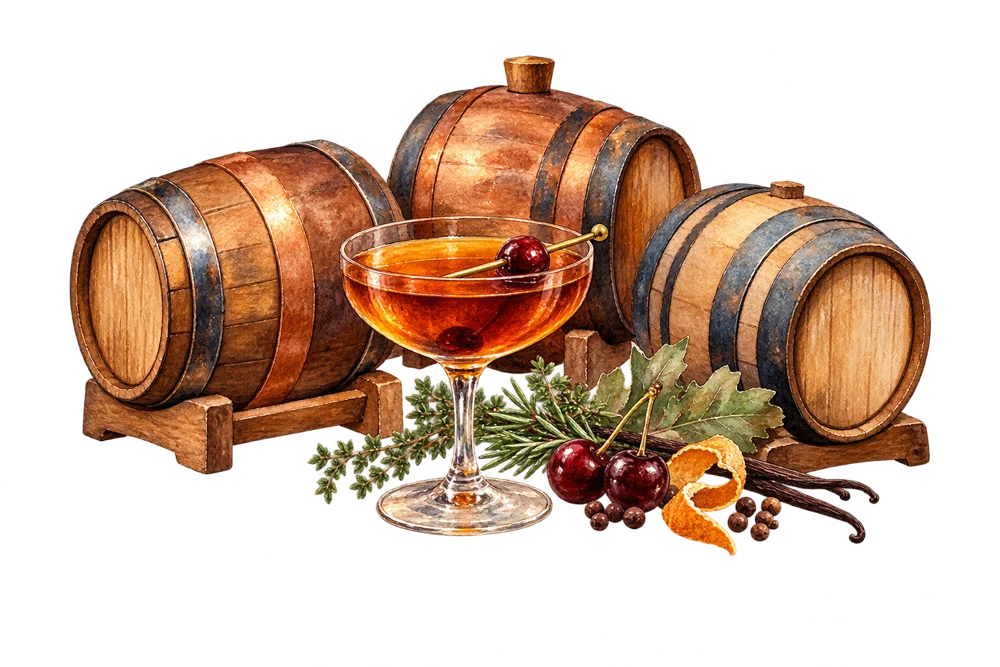
manhattan, symbolic watercolor illustration
2020

A cocktail becomes a finishing idea

Manhattan Finish first appears. Instead of simply bottling a mixed drink, the concept explores cocktail flavors through barrels, a direction revisited in 2024.[9]
bond, symbolic watercolor illustration
November 2021

The first bonded Maryland rye

A four-year, 100-proof release marks a decisive step: whiskey distilled at Baltimore and aged in Maryland. It demonstrates the new facility’s maturing output.[4]
five-years, symbolic watercolor illustration
November 2022

Another year in the barrel

The second annual bottled-in-bond release reaches five years. The program develops as a record of maturation, keeping high-rye and low-rye components in the blend.[5]
partnership, symbolic watercolor illustration
September 2023

An international ownership chapter

Illva Saronno announces a majority stake in the brand and distillery. The Italian group adds American rye to a portfolio already including The Busker Irish whiskey.[6]
smallbatch, symbolic watercolor illustration
May 2024

The flagship makes the crossing

Small Batch Rye launches worldwide as entirely Maryland-distilled whiskey: four- to six-year components, blended in 20-barrel batches and bottled at 93 proof.[7]
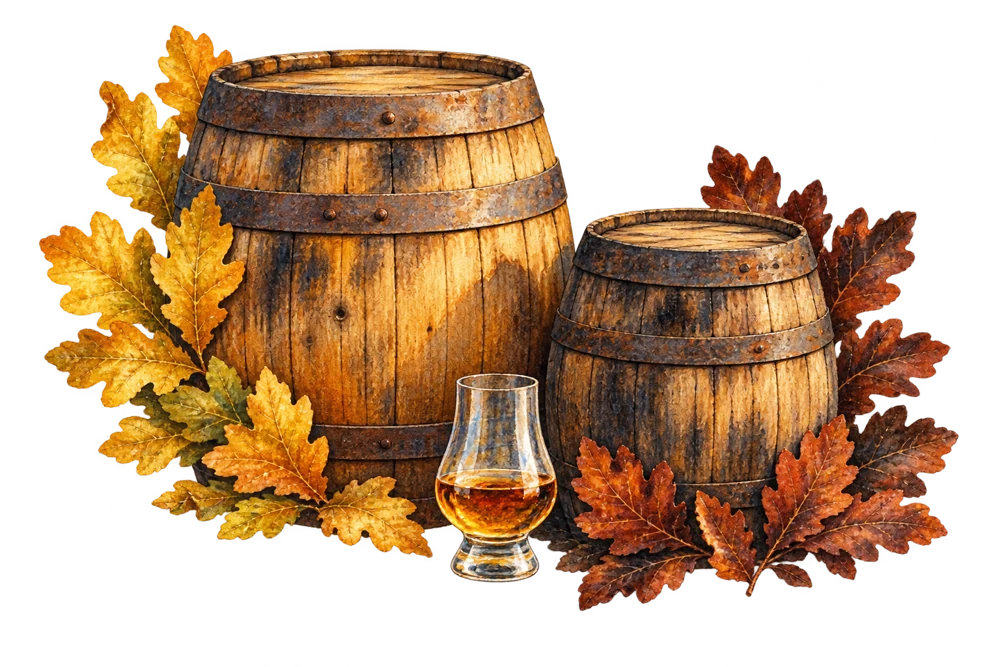
seven-nine, symbolic watercolor illustration
Autumn 2024

Two ages, different stories

Nine-year rye is announced alongside a forthcoming seven-year bottled-in-bond release from fall 2017 distillation. The latter is explicitly Maryland-made; the older rye is not assigned that provenance.[8]
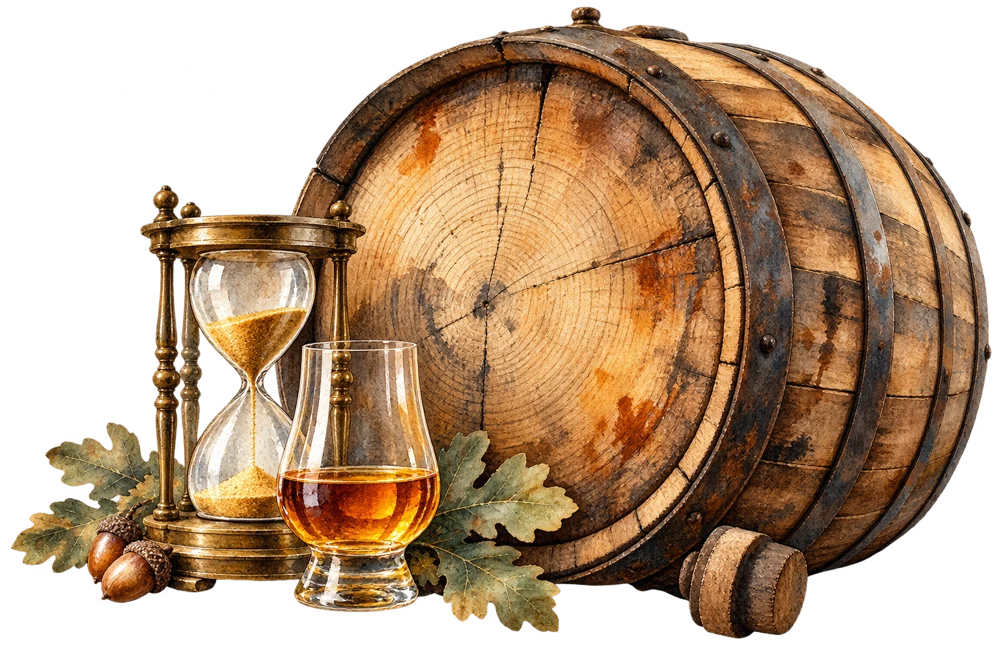
ten-years, symbolic watercolor illustration
September 2025

The Reserve Series reaches ten

A ten-year straight rye becomes the brand’s oldest release at that date. Its age extends the portfolio’s horizon beyond the Baltimore distillery’s 2017 start.[10]
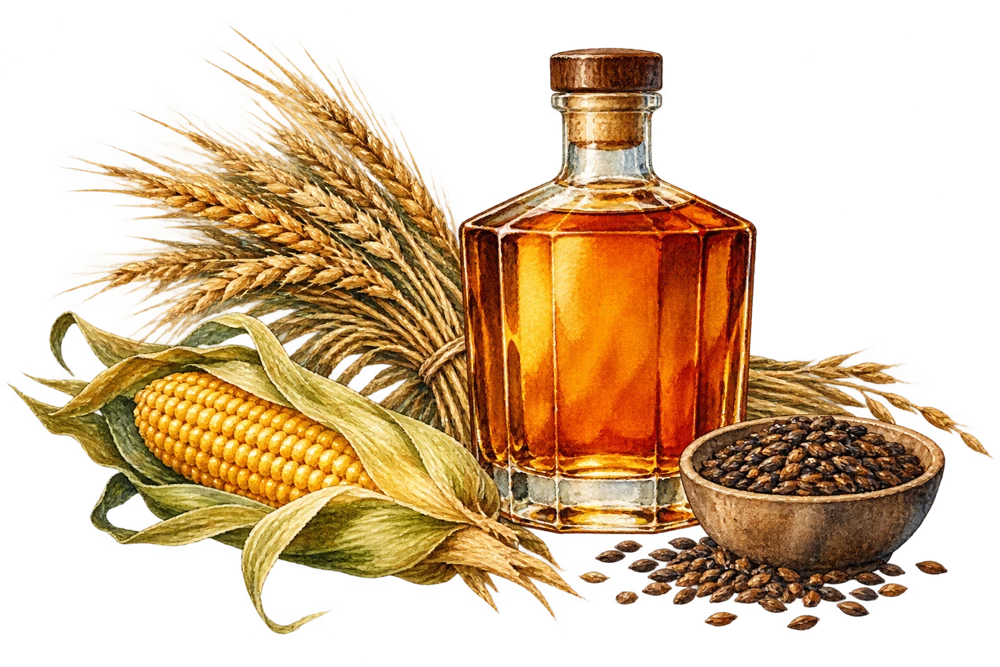
bourbon, symbolic watercolor illustration
October 2025

Bourbon joins the conversation

The first high-rye straight bourbon arrives as a limited Maryland release. Its six-year whiskey combines corn, rye and malted rye. That month also brings the announcement of Norwood’s master-distiller appointment.[11][12]
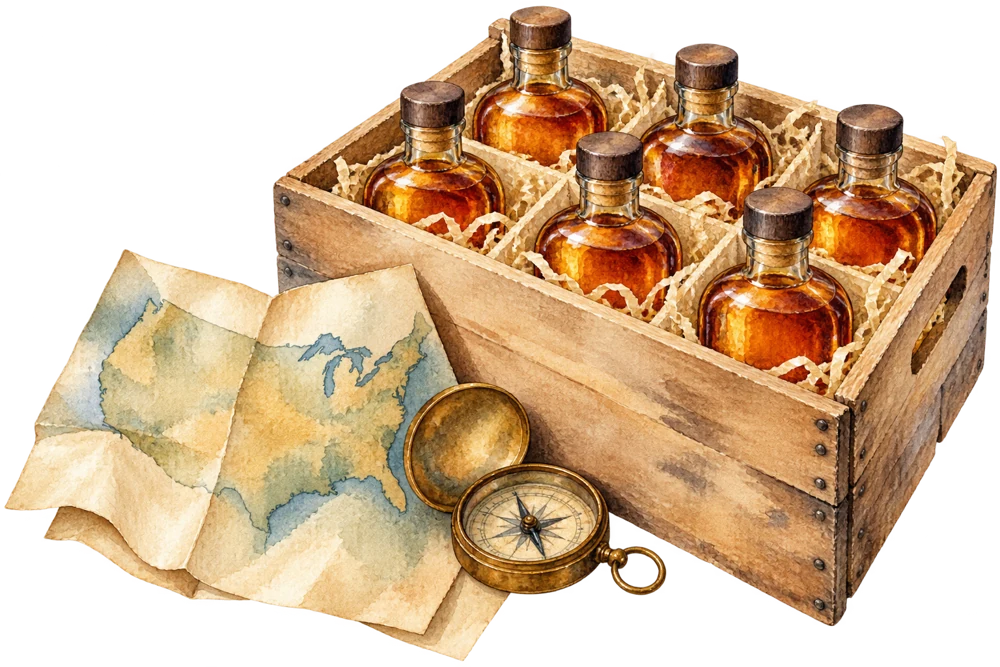
national, symbolic watercolor illustration
July 2026

Bourbon goes nationwide

The national high-rye bourbon release follows the Maryland debut. The 2026 announcement specifies 54% ABV, distinct from the 2025 edition’s 59%. Release dates matter when comparing bottles.[13][11]
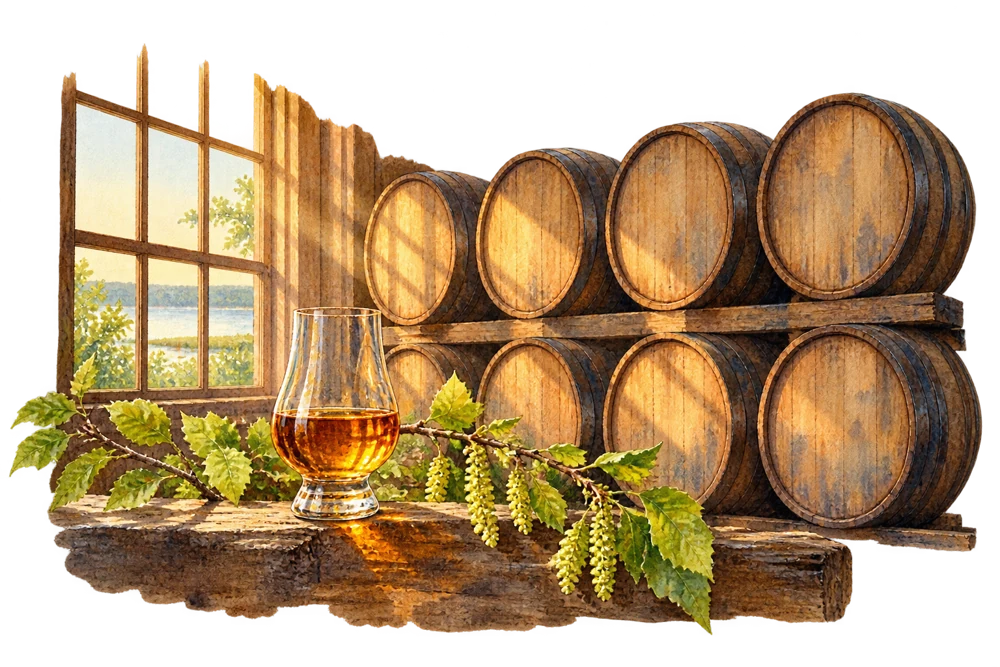
eight-years, symbolic watercolor illustration
September 2026

Eight years, made in Maryland

The national bottled-in-bond release comes from spring 2018 distillation, aged eight years and bottled at 100 proof. It is a concrete marker of how far the waterfront production has matured.[14]
03 / Geography & roles

Four places in one whiskey story.

geography, symbolic watercolor illustration

Baltimore waterfront

Distilling and visiting

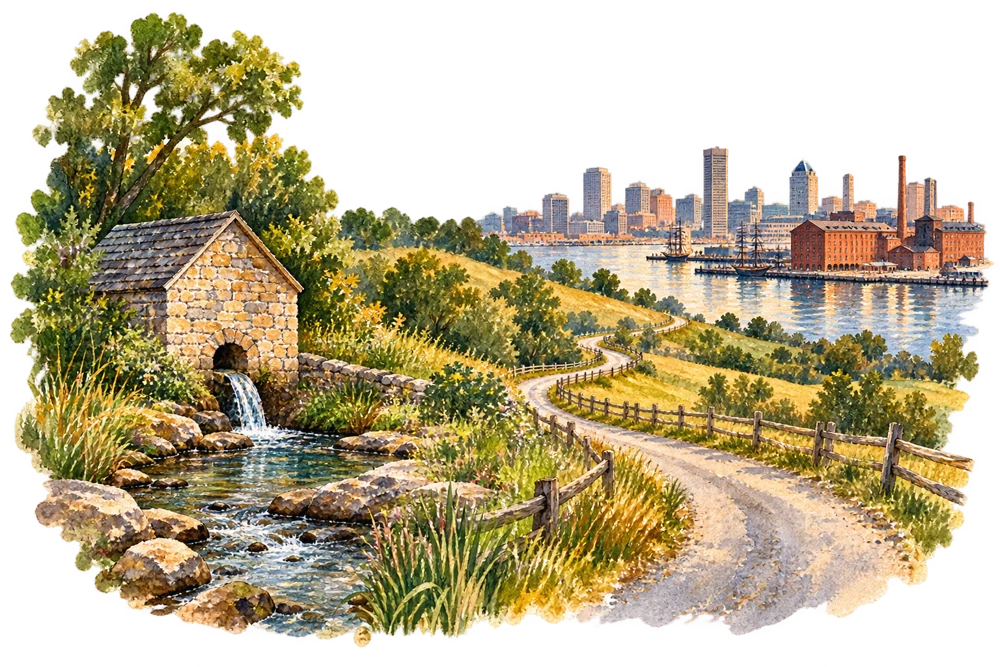
The modern production campus anchors the story on Baltimore Peninsula, in the area earlier opening coverage called Port Covington. Its visitor experience was designed to connect Maryland’s older whiskey history with the new operation.[3][7]

Sagamore Farm

Water and agricultural connection

The limestone-filtered spring water travels from the farm to Baltimore. The farm identity connects the bottle to Maryland beyond the urban production building; it should not be mistaken for the distillery address.[1][6]

Indiana

The early supply relationship

MGP supplied the original rye. An older Sagamore bottle can therefore represent Maryland blending and brand identity without having been distilled in Maryland. Identify the specific release before assigning its origin.[4]

Maryland aging and farming

The slower part of the work

Dated releases describe local barrel aging and a growing relationship with grain farmers. The 2024 announcement also describes support for rye cultivation with the University of Maryland Agricultural Extension. Local distillation and local grain are related but separate claims.[5][7]

04 / The whiskey family

A rye foundation. A wider horizon.

Sagamore Spirit / Sagamore Whiskey

One continuing producer story

Recent materials use Sagamore Whiskey, while historical releases use Sagamore Spirit. The name change in presentation does not create a second distillery or erase the earlier sourced releases.[18][14]

Illva Saronno

Majority owner since 2023

The acquisition connects Sagamore to a larger international spirits business. Portfolio membership is an ownership relationship; The Busker remains an Irish whiskey, not a Baltimore-made product.[6]

Core rye collection

The regular reference points

Small Batch, Double Oak and Cask Strength present different ways to explore the house approach: a flagship blend, a second-oak treatment and a higher-strength expression.[18]

Reserve Series and distillery releases

Room for age and experimentation

Older age statements, finishing projects and high-rye bourbon expand the range. These are releases and series within Sagamore, not independent producer aliases.[18][10]

05 / Making & choosing

Blending is part of the identity.

Grain recipes, copper, oak and the final blend each play a part. The modern process belongs to its own production chapter.

making, symbolic watercolor illustration

Two recipes, one blend

Sagamore separately makes a rye-heavy recipe and a lower-rye recipe with corn and malted barley. The blend brings their different characteristics together after aging. Maryland-style describes the intended balance; it is not a promise that every historical bottle shares one birthplace.[2]

A copper-led process

The Baltimore process uses a tall copper column followed by two doublers. That triple-distillation arrangement is part of the modern distillery’s identity. Its existence cannot establish how a separately sourced historical batch was made.[2][15]

Maturation before assembly

Small Batch is described as combining four- to six-year whiskeys in 20-barrel batches. Blending is a production decision, not simply a finishing touch: the recipe continues through barrel selection and assembly.[15]

Wood can change the direction

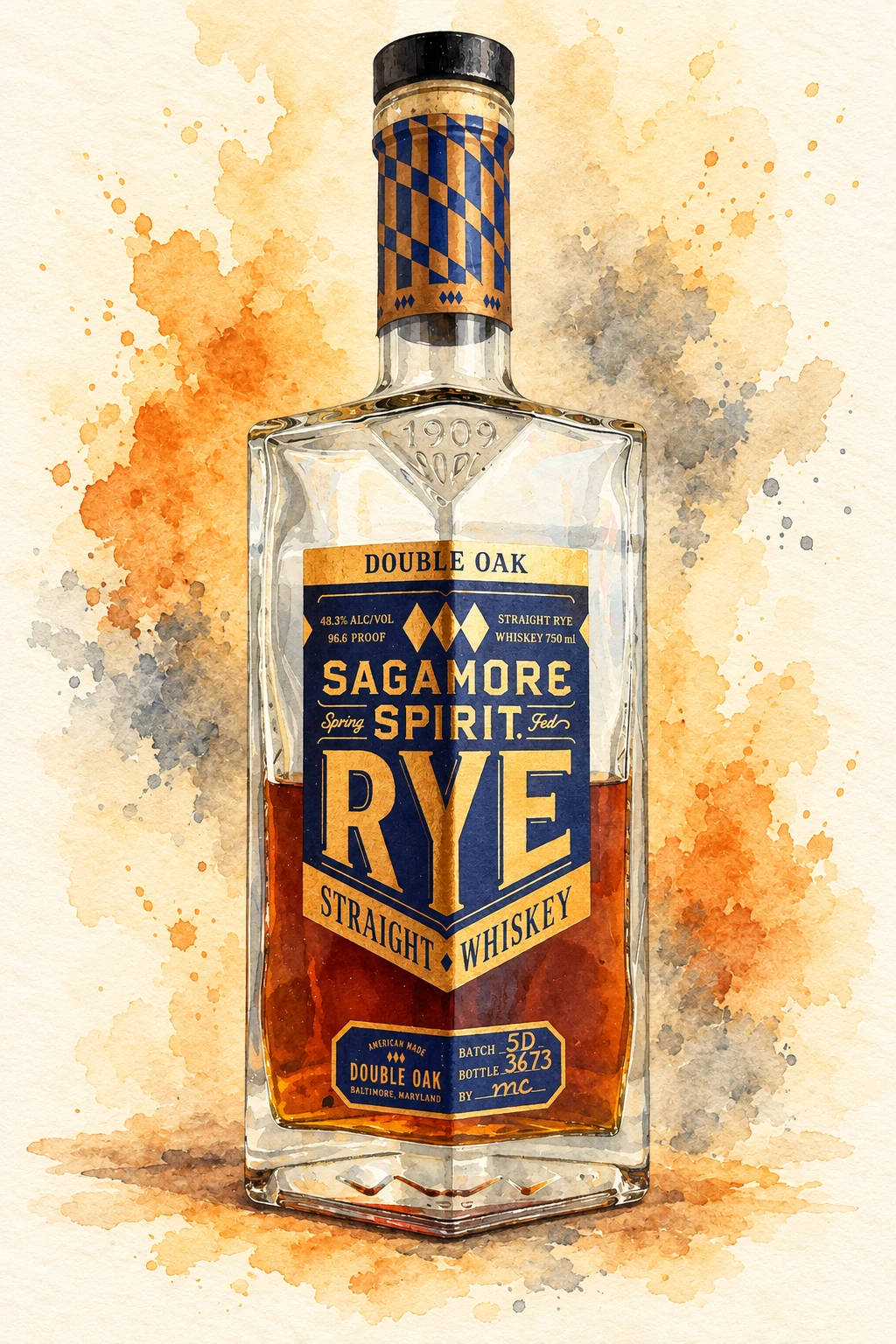
Double Oak adds a second stage in toasted wave-stave barrels after initial aging. The producer describes 18 additional months in that second vessel. Its 96.6-proof presentation is distinct from both the flagship and Cask Strength.[16]

06 / The details worth knowing

The details that change the story.

The springhouse date needs context

1909 is an appealing number on a modern brand, but it identifies the springhouse. Keeping building history separate from company history makes Sagamore’s revival more interesting: this was a new project using an existing Maryland resource.[1]

Patience became a public conversation

Penny’s Proof gave enthusiasts successive early tastes as the new Maryland spirit aged. That is a more revealing story than a single opening-day celebration: a new distillery has to wait years for visitors to taste its mature work.[4]

A finish can begin with a familiar drink

The 2024 Manhattan Finish used whiskey finished separately in vermouth, bitters and cherry-brandy barrels. It explores the flavor structure of a cocktail through maturation, showing how blending can unite different barrel histories.[9]

A plan is not a completed transition

A 2021 announcement projected a move to fully Maryland-distilled releases by 2025. Later bottle-specific announcements provide firmer evidence than that forecast. The 2026 bonded rye is explicitly Maryland-made; older Reserve Series age statements still require their own origin checks.[4][14][10]

Two bourbon editions, two strengths

The initial 2025 bourbon was announced at 59% ABV; the 2026 national version at 54%. Both are six-year high-rye bourbons, but treating them as interchangeable would discard a meaningful release distinction.[11][13]

07 / Selected expressions

Read the bottle’s chapter.

Small Batch Rye

The current flagship is the clearest starting point for the Maryland-made transition. Its 93-proof presentation and blended four- to six-year components distinguish it from the older 83-proof Signature era.[15][7]

Double Oak Rye

A useful comparison with the flagship when exploring wood treatment. Toasted wave staves and an additional barrel stage give the expression its distinct production story.[16]

Cask Strength Rye

The current page describes four- to seven-year components and lists 123 proof. Historical batches can differ, so the bottle’s own batch and proof should lead any specific comparison.[17]

Bottled in Bond

The dated releases trace Maryland maturation from the four-year 2021 edition to the eight-year 2026 release. The latter identifies spring 2018 distillation and 100-proof bottling.[5][14]

Ten-Year Straight Rye

The 2025 Reserve Series release carries a decade of age and 110.8 proof. A long age statement is not itself proof of Baltimore distillation; the chronology requires that question to remain separate.[10]

High Rye Straight Bourbon

Sagamore’s bourbon uses 60% corn, 25% rye and 15% malted rye. The 2026 national release is six years old at 108 proof. It broadens the producer’s identity while retaining a strong rye component.[13]

08 / The Reserve connection

Continue from the story to the bottles.

Sagamore Spirit in The Thelen Reserve

4 physical bottle records connect this story to the collection. Each keeps its own proof, barrel, batch, pick and release details.

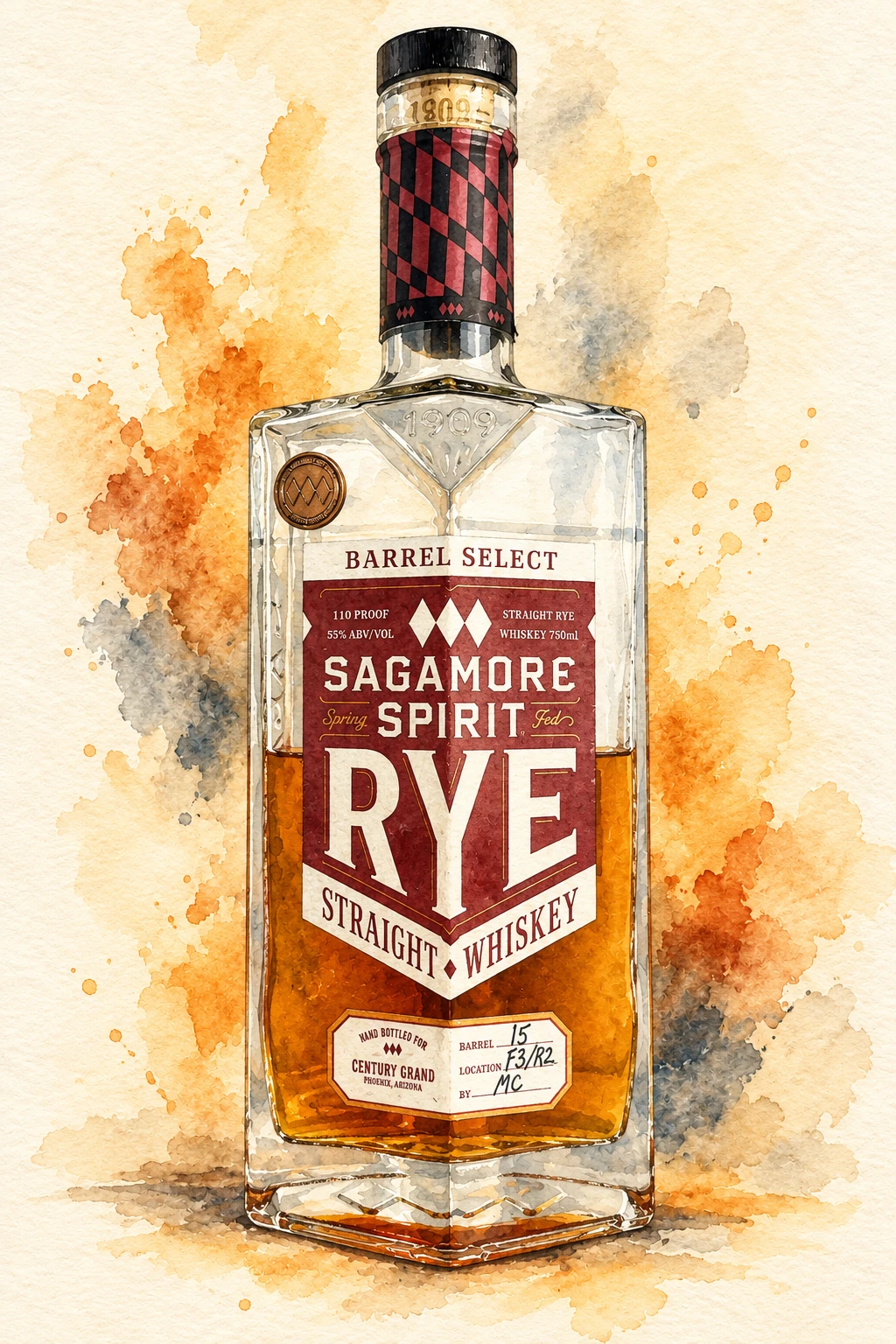
Approved watercolor of Sagamore Spirit Rye Barrel Select - Century Grand

Sagamore Spirit Rye Barrel Select - Century Grand

W0410 · 110 proof · Barrel 15 · Pick Century Grand, Phoenix Arizona

Barrel 15 · Total Wine AZ

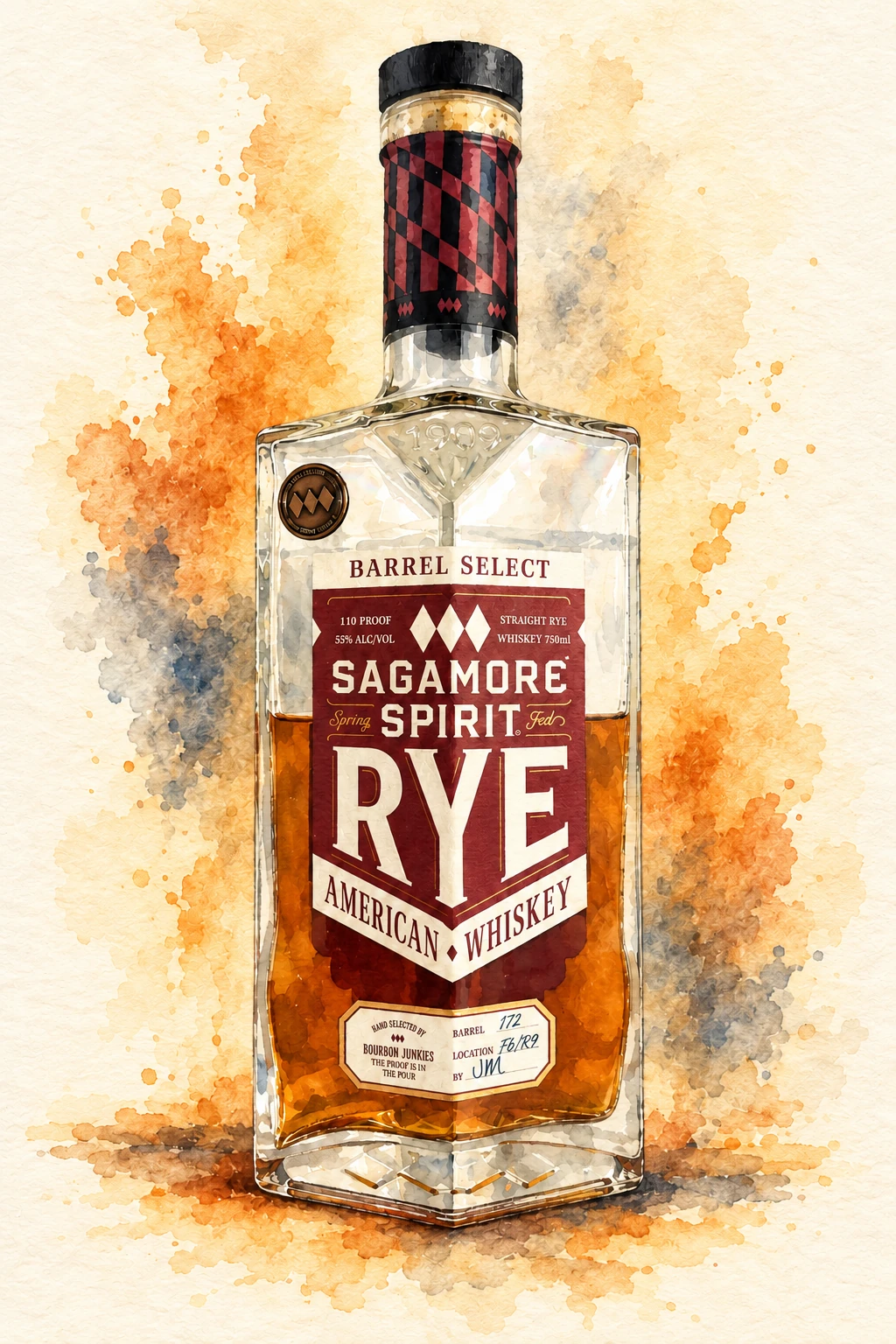
Approved watercolor of Sagamore Spirit Rye Barrel Select - Bourbon Junkies Swordfish Oil 2.0 (7 Year)

Sagamore Spirit Rye Barrel Select - Bourbon Junkies Swordfish Oil 2.0 (7 Year)

W0411 · 110 proof · Barrel 172 · Pick Bourbon Junkies · Bottled / release detail Age7years confirmed by TJ2026-10-22;110proof/55%ABV,750mL visible. BourbonJunkies SwordfishOil2.0,barrel172. Bottling date unknown.

Barrel 172 · Bourbon Junkies

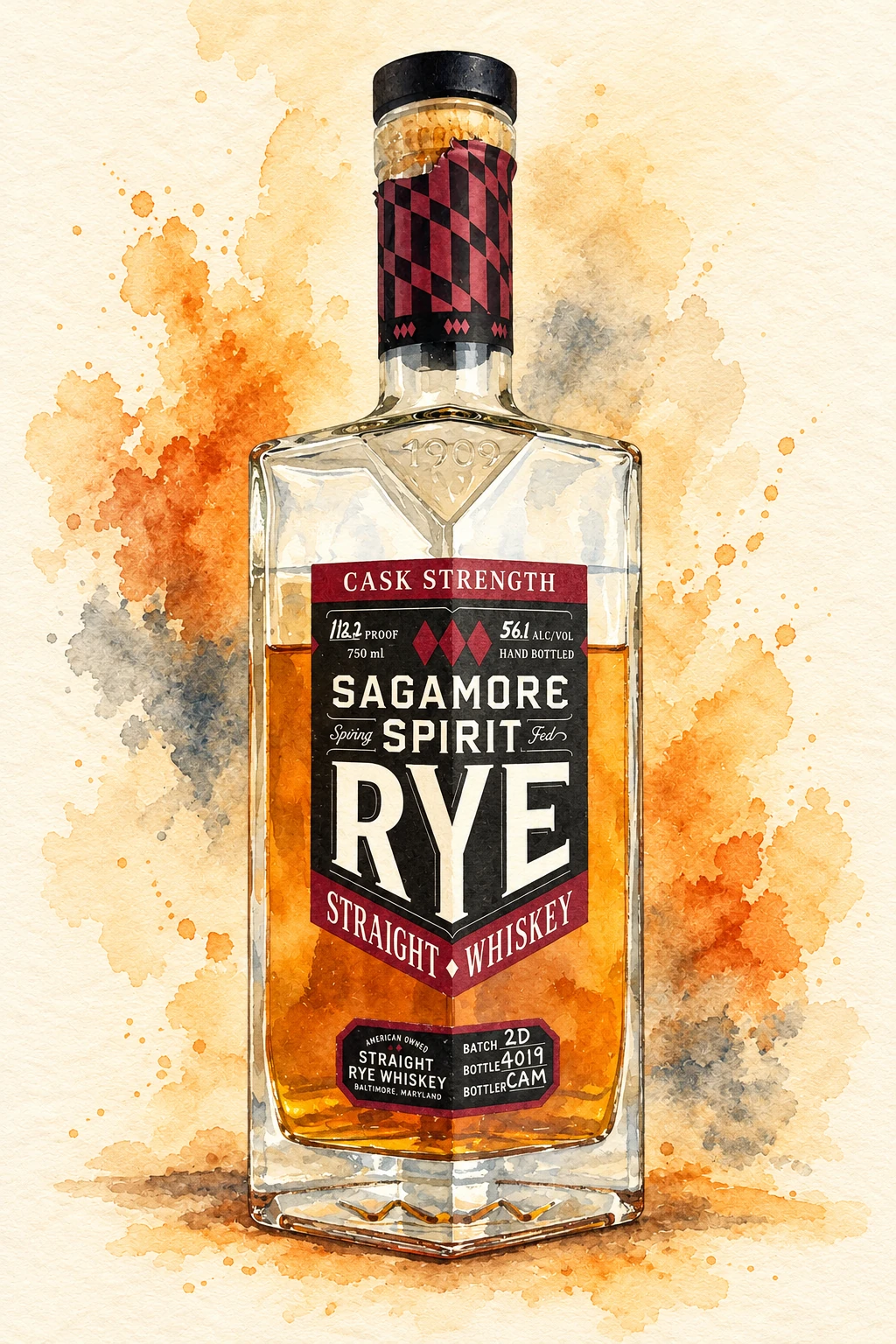
Approved watercolor of Sagamore Spirit Rye Cask Strength

Sagamore Spirit Rye Cask Strength

W0412 · 112.2 proof · Bottle 4019 · Batch 2D

Batch 2D · Bottle 4019

Approved watercolor of Sagamore Spirit Rye Double Oak

Sagamore Spirit Rye Double Oak

W0413 · 96.6 proof · Bottle 3673 · Batch 5D

Batch 5D · Bottle 3673

Collection snapshot: October 22, 2026.

Sagamore Spirit three-page guide cover
The illustrated companion

Sagamore Spirit, in three pages.

Origins and people, history and places, whiskey and stories. A neutral illustrated companion with linked research sources.

Sources & research notes

Research qualifications

  • Research checked October 17, 2026. Primary producer and ownership announcements anchor the chronology; Solid Light is the opening experience design partner. BevNET carries a release explicitly posted by Sagamore Whiskey.
  • The 2013 company founding and April 2017 facility opening are separate. The 2024 announcement uses inception in 2017; this profile treats that as the distillery-era context, not a replacement for the documented company date.
  • Older website copy still discusses a future first four-year whiskey. It is used only for process and historical sourcing, with dated 2021-2026 releases establishing subsequent events.
  • The projected 2025 transition in a 2021 announcement is not treated as proof that every later release is Maryland-distilled. Older nine- and ten-year releases predate the 2017 production start by age arithmetic; their origin is not inferred from the brand address.
  • The current Double Oak page separately lists 4-5 years and describes a further 18-month finishing stage. No single combined age statement is assigned here. Current Cask Strength specifications are not retroactively applied to older batches.
  • High Rye Bourbon strengths differ between announcements: 59% ABV in 2025 and 54% in 2026. This is retained as release-specific information.
  • Illustrations are original symbolic watercolor interpretations, not exact architectural, equipment, bottle-label or geographic reconstructions.

Full sources

  1. Sagamore: about the distillery
  2. Distilling Sagamore Spirit
  3. Opening announcement, April 2017 (Solid Light)
  4. First bottled-in-bond release, November 2021
  5. Five-year bonded rye, November 2022
  6. Illva Saronno majority acquisition, September 2023
  7. Maryland Small Batch launch, May 2024
  8. Nine-year rye and seven-year bonded rye, 2024
  9. Manhattan Finish return, March 2024
  10. Ten-year rye, September 2025
  11. First high-rye bourbon, October 2025
  12. Ryan Norwood appointment, October 2025
  13. National bourbon launch, July 2026
  14. Eight-year bonded rye, September 2026
  15. Current Small Batch Rye
  16. Double Oak Rye
  17. Cask Strength Rye
  18. Current whiskey catalog
↑