TJ THELEN'S COLLECTION
The Thelen Reserve
Behind the Bottles / Kentucky

Kentucky
Peerless

Last updated Last researched

A name worth bringing back.

An old Kentucky name returned through a new distillery. Peerless connects Henry Kraver’s Henderson whiskey business with his descendants’ Louisville revival, then gives that inheritance a distinctive modern voice: sweet mash, low barrel-entry proof and whiskey bottled at barrel strength.[1][5]

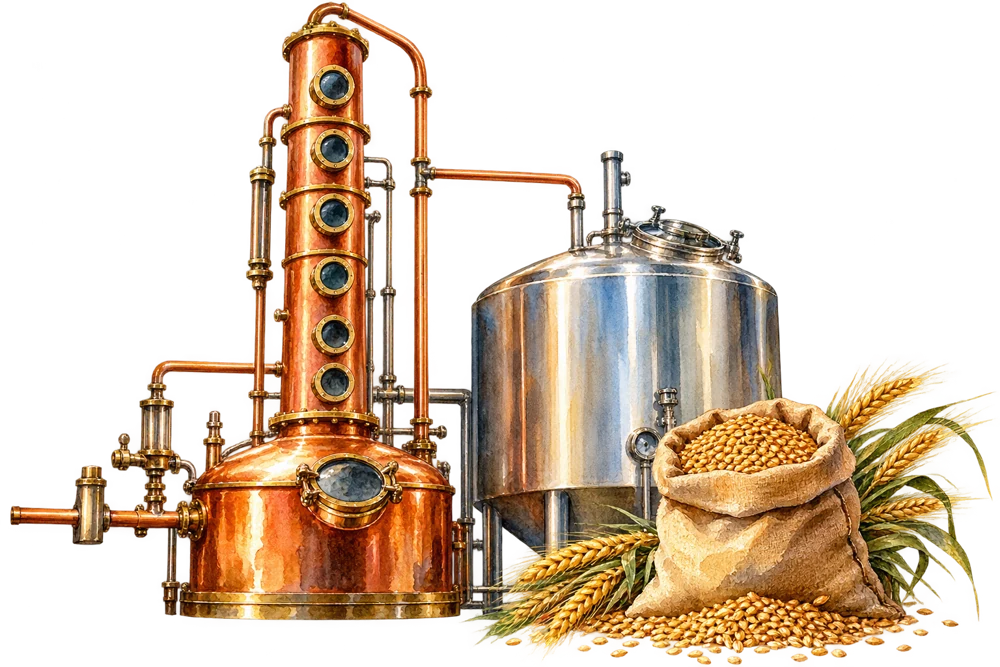
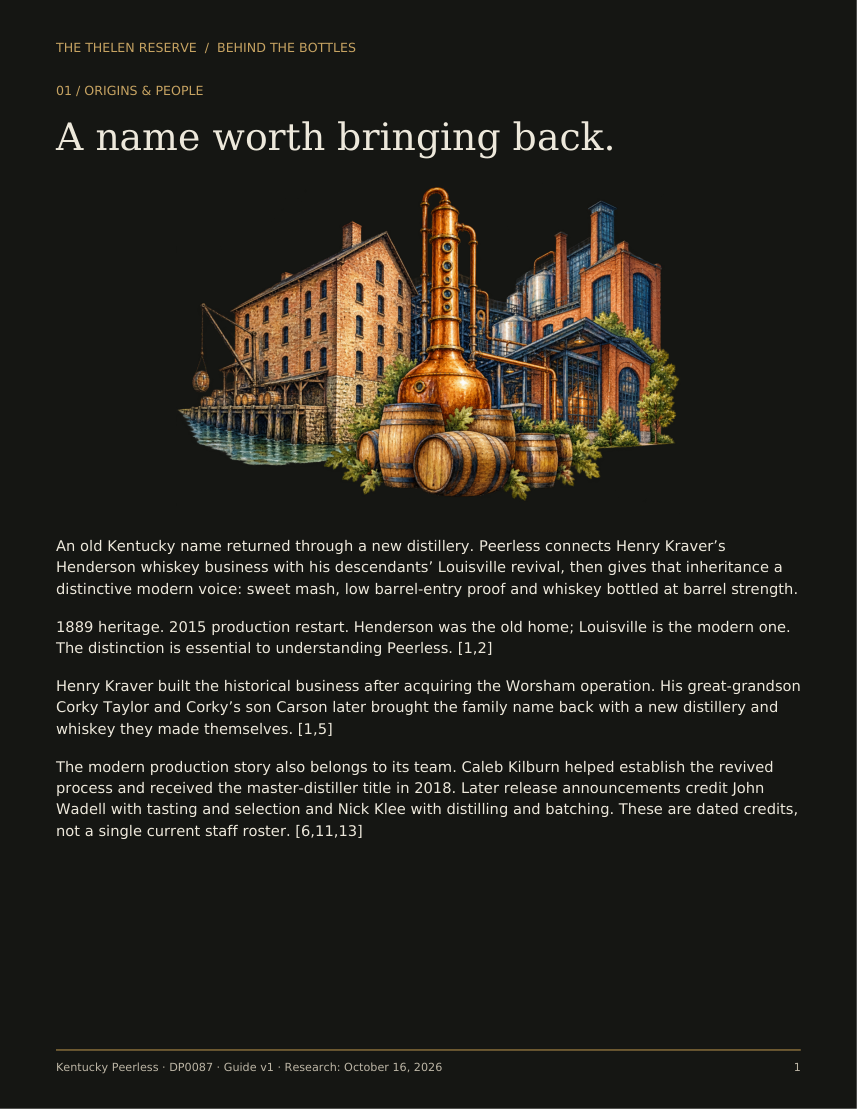
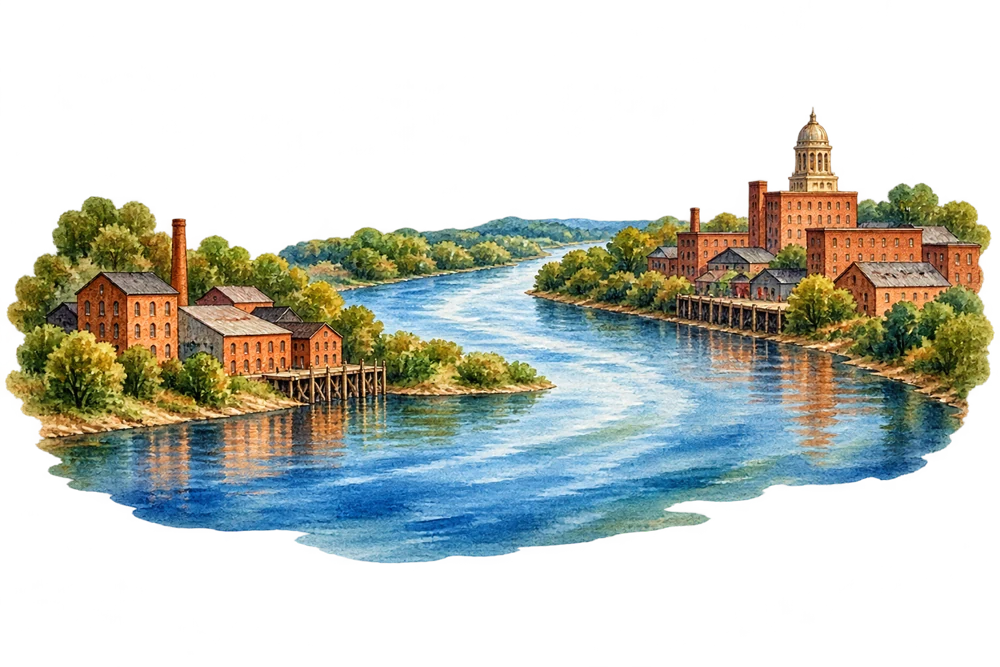
Symbolic watercolor connecting Henderson heritage with the Louisville revival
Henderson → Louisville

Historic home / modern distillery

1889 / 2015

Kraver ownership / production revival

DSP-KY-50

Recovered historic plant number

Bourbon & rye

Sweet mash · barrel strength

01 / Origins & people

Inheritance, rebuilt from the ground up.

A family story with a long interruption

The family’s defining chapter begins in 1889, when Henry Kraver took over the Henderson operation that had made Peerless whiskey under the Worsham name. He expanded the business, invested in equipment and storage, and helped turn a regional enterprise into a substantial whiskey concern. The modern company inherits that name and family connection; it is not an uninterrupted nineteenth-century distillery.[1]

Corky and Carson Taylor

Kraver’s great-grandson Corky Taylor and Corky’s son Carson brought the name back in Louisville. Their achievement involved more than finding a historic label: a restored industrial building, new production equipment and years of waiting for their own whiskey. The family describes them as the fourth and fifth generations of the Peerless story. Those generation numbers express lineage, not five consecutive generations of operating the same plant.[1]

The people behind the modern whiskey

Caleb Kilburn helped establish the revived distillery’s production approach and was named master distiller in its 2018 announcement. That is a historical credit, not a claim about his current role. Peerless’s 2024 Toasted Bourbon announcement credits Head Taster John Wadell with barrel selection; its 2026 ten-year announcement identifies Nick Klee as Distiller and Batcher. The work of distilling, tasting and assembling releases deserves to remain visible beside the family history.[6][11][13]

02 / The illustrated history

A long pause. A deliberate return.

A chronology of the business, the revival and the whiskey. Each scene is an original interpretive watercolor.
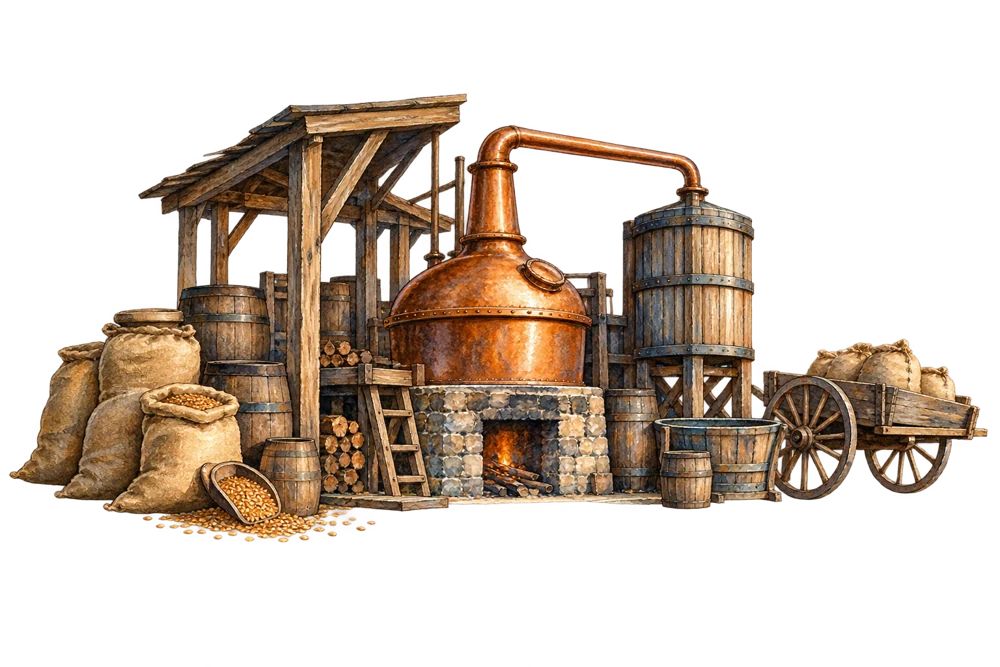
origins, symbolic watercolor illustration
1881

Before the Kraver chapter

Worsham and Johnston begin the Henderson operation that makes the first Peerless whiskey.[2]
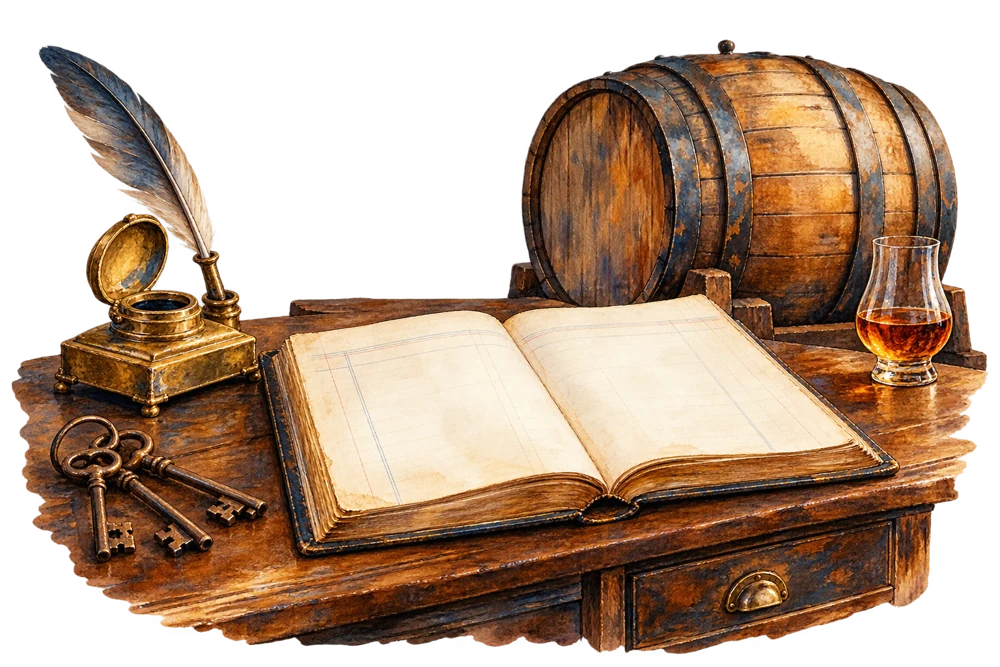
kraver, symbolic watercolor illustration
1889

Henry Kraver takes ownership

Kraver acquires the Worsham business. His investment defines the historic Peerless family chapter.[2]
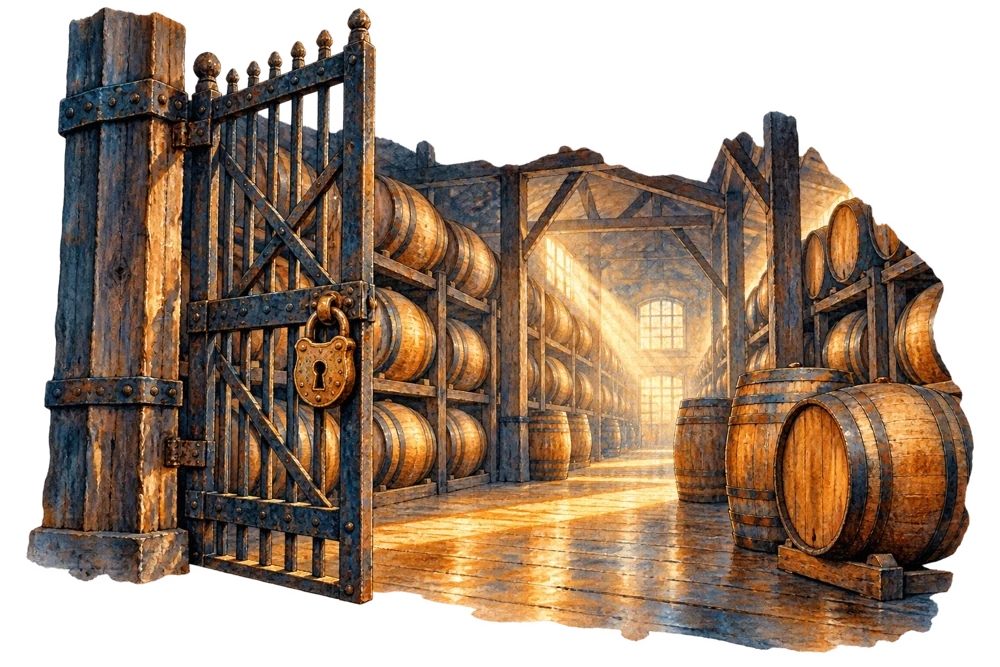
bonded, symbolic watercolor illustration
After 1897

Bonded storage expands

Peerless’s history links warehouse development to the Bottled-in-Bond era.[2]

incorporation, symbolic watercolor illustration
1907

The company name takes shape

Kraver incorporates the business as The Kentucky Peerless Distilling Company.[2]
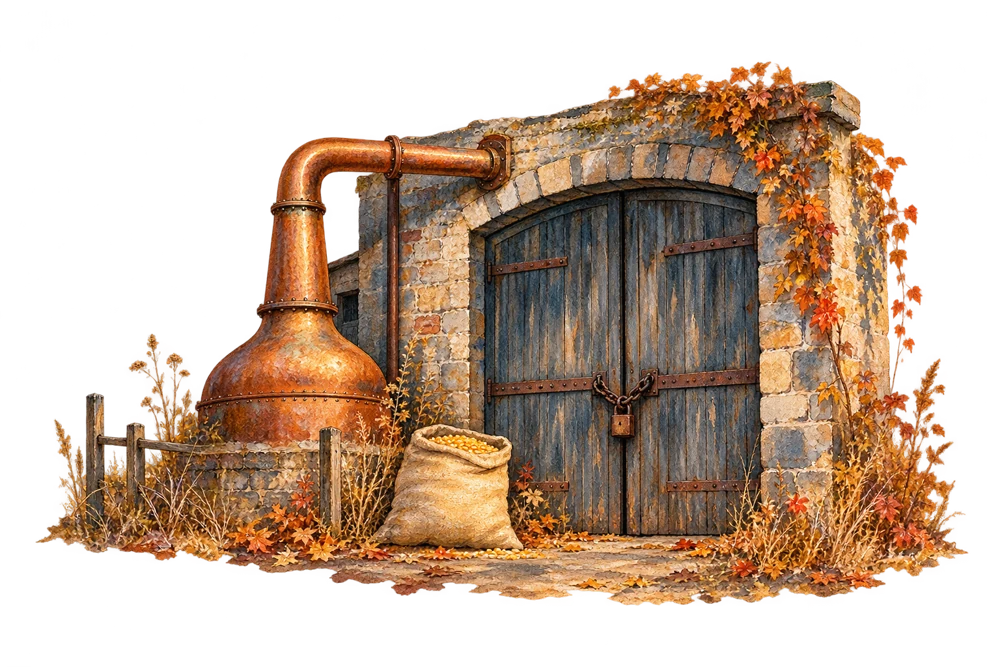
shutdown, symbolic watercolor illustration
1917

Production stops

Wartime grain conservation ends distilling; national Prohibition later extends the interruption.[3]
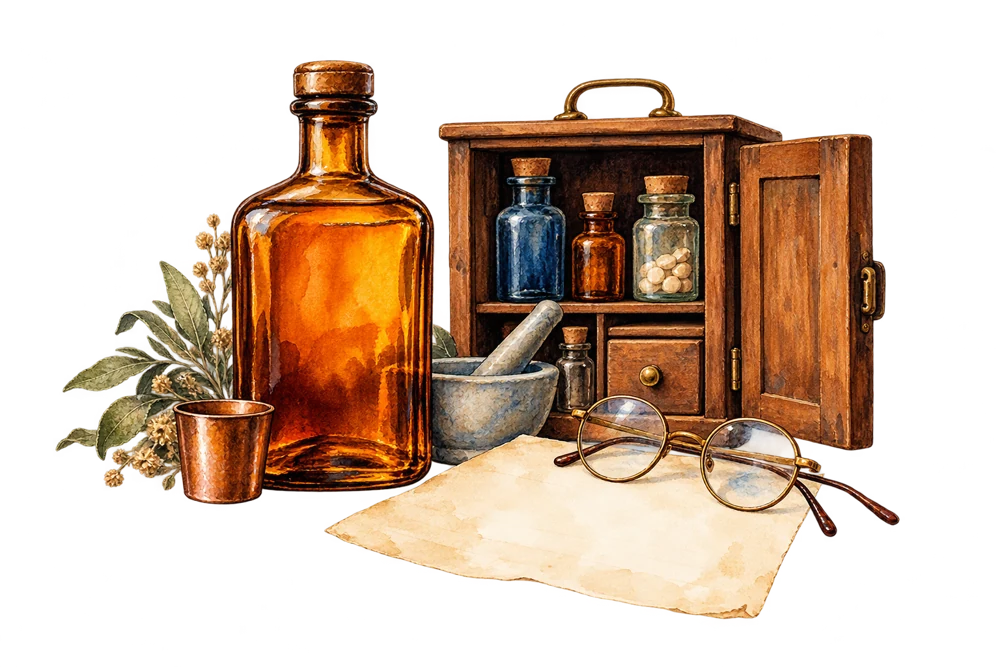
prescription, symbolic watercolor illustration
Early 1920s

Whiskey survives by prescription

Stored Peerless whiskey remains available for medicinal use during Prohibition.[1]
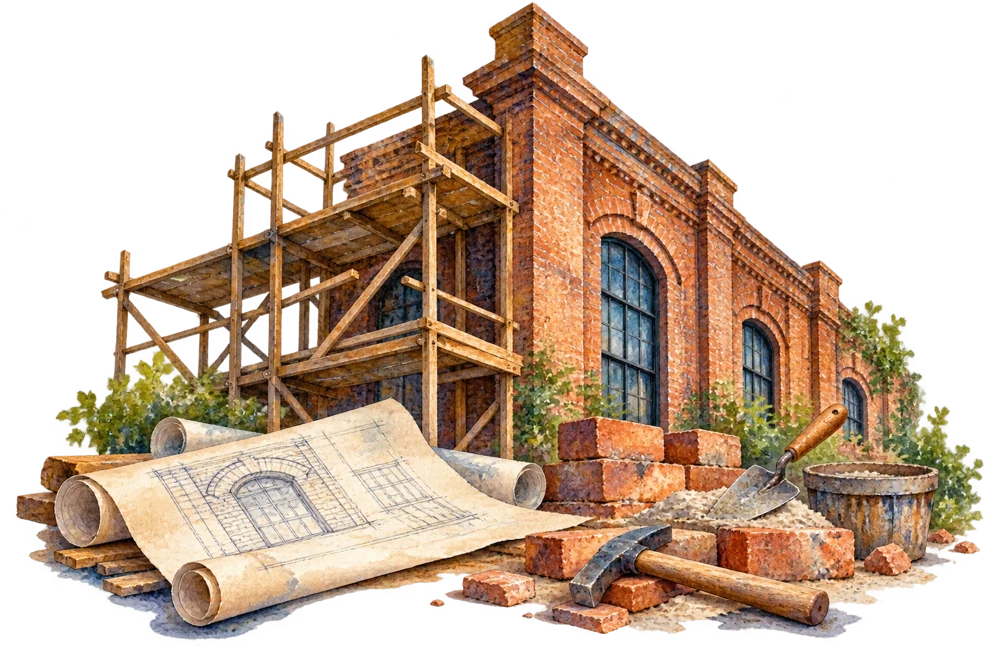
revival, symbolic watercolor illustration
2014

Building the Louisville revival

Corky and Carson Taylor begin restoring the building for a new distillery; the original DSP number is recovered.[2]
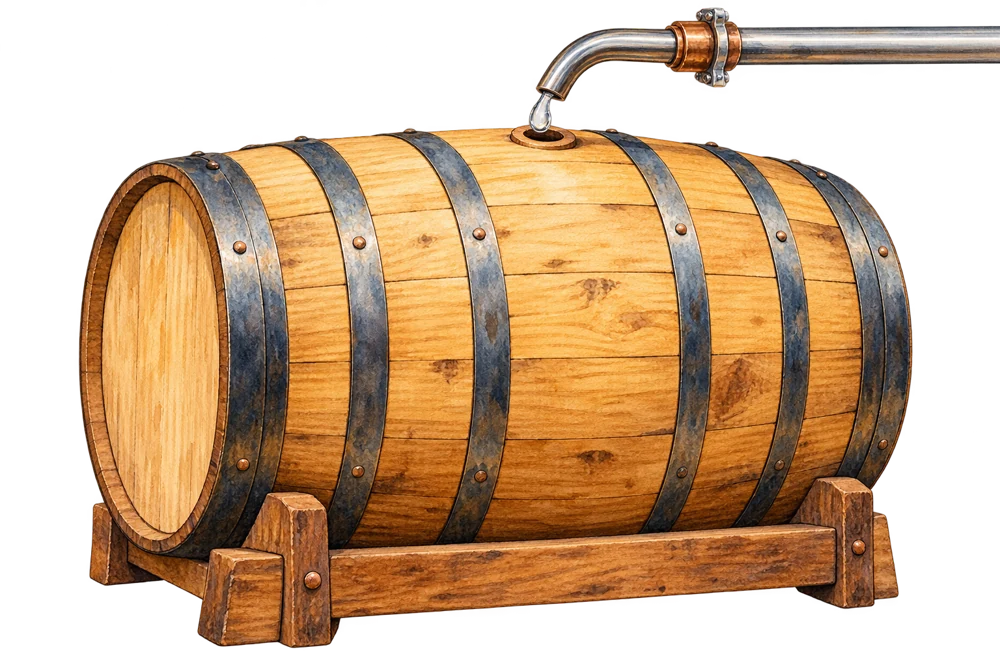
first-barrel, symbolic watercolor illustration
March–June 2015

Whiskey returns to the barrel

The first barrel is filled March 4. The public grand opening follows June 3.[2]
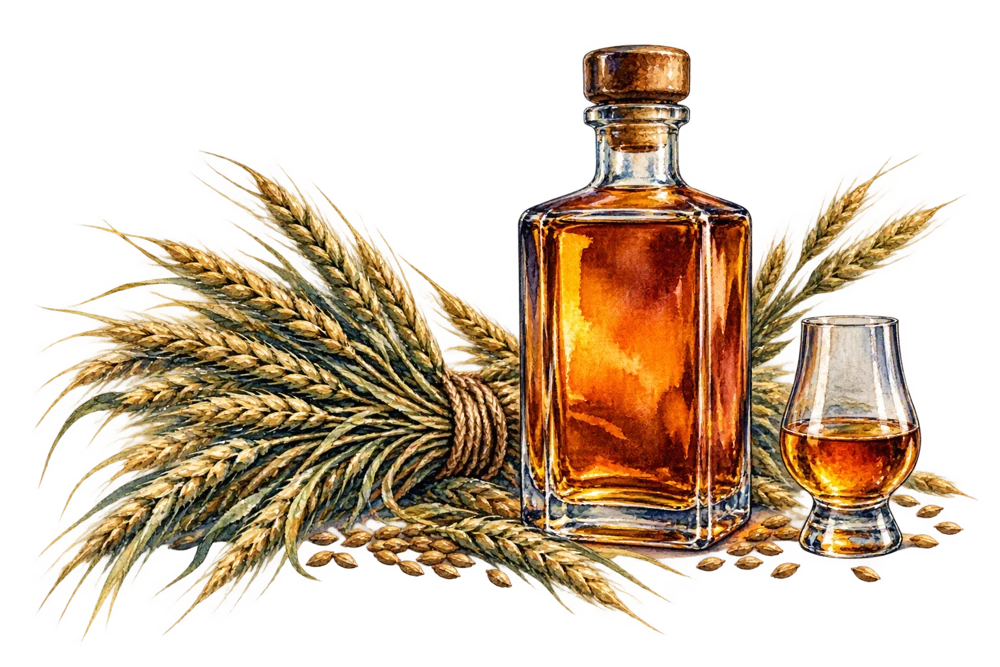
rye-release, symbolic watercolor illustration
May 2017

Rye reaches the public

The revived producer releases its first aged rye whiskey. A new distillery can finally be judged by its whiskey.[4]
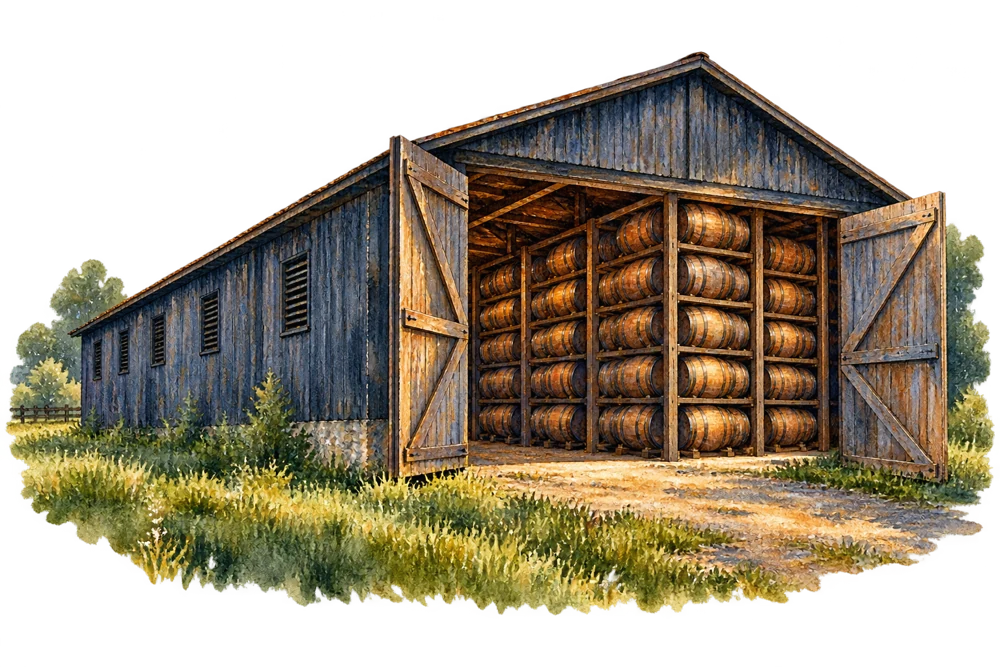
henry-county, symbolic watercolor illustration
October 2018

Room to mature

A Henry County warehouse opens, adding a separate maturation location to the Louisville production home.[2]
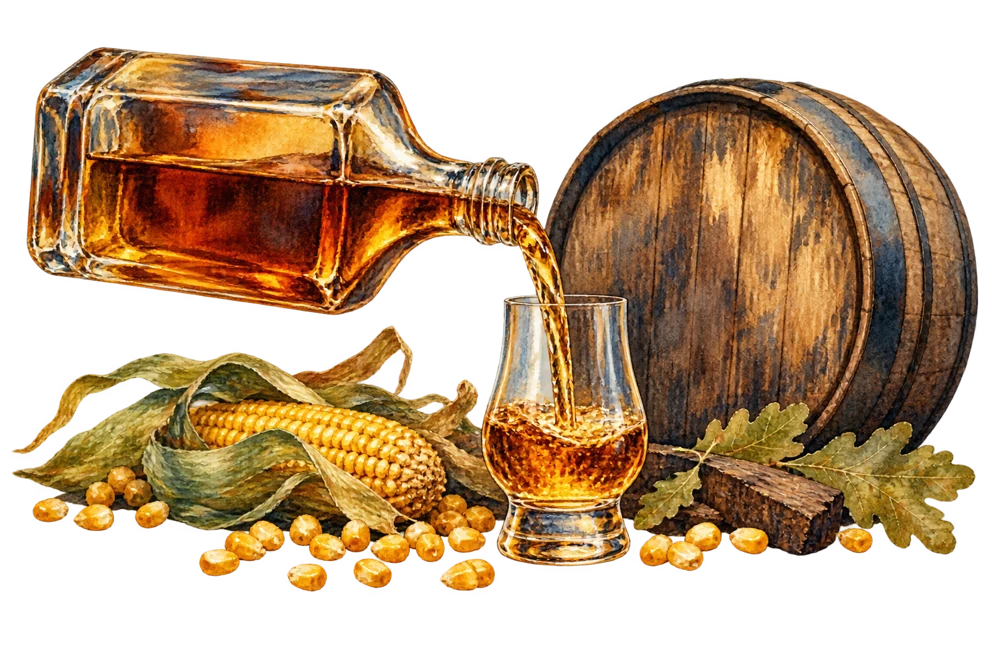
bourbon-return, symbolic watercolor illustration
June 22, 2019

Bourbon makes its return

Four-year-old bourbon debuts after the 2015 restart. The release brings the family revival into a second major whiskey category.[5]
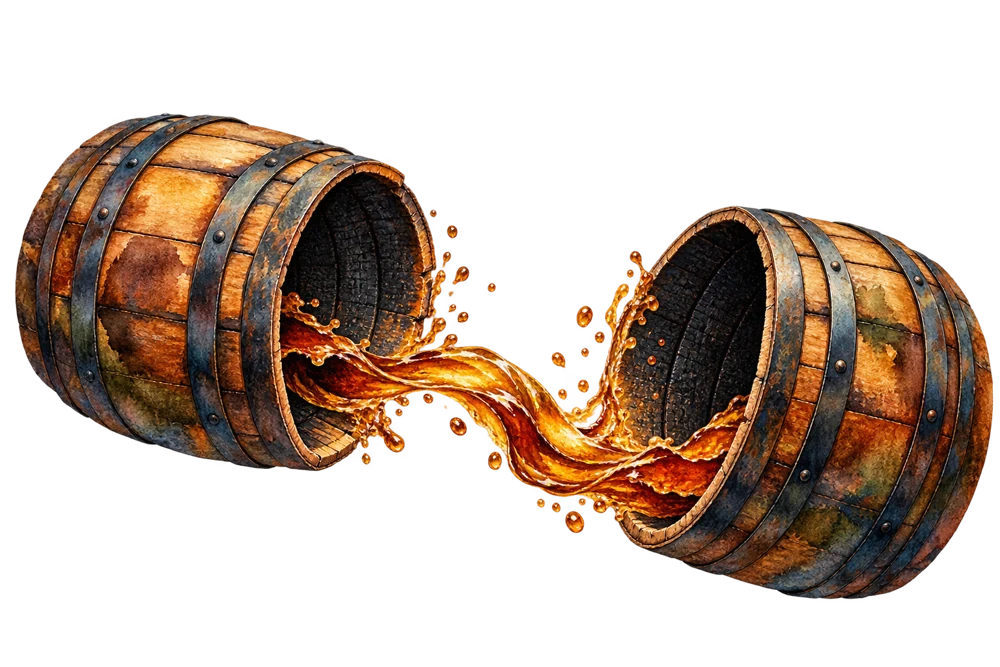
double-oak, symbolic watercolor illustration
September 2021

Double Oak becomes deliberate

A technique first used to save whiskey from leaking barrels becomes a curated bourbon release, selecting barrels for another encounter with fresh oak.[9]
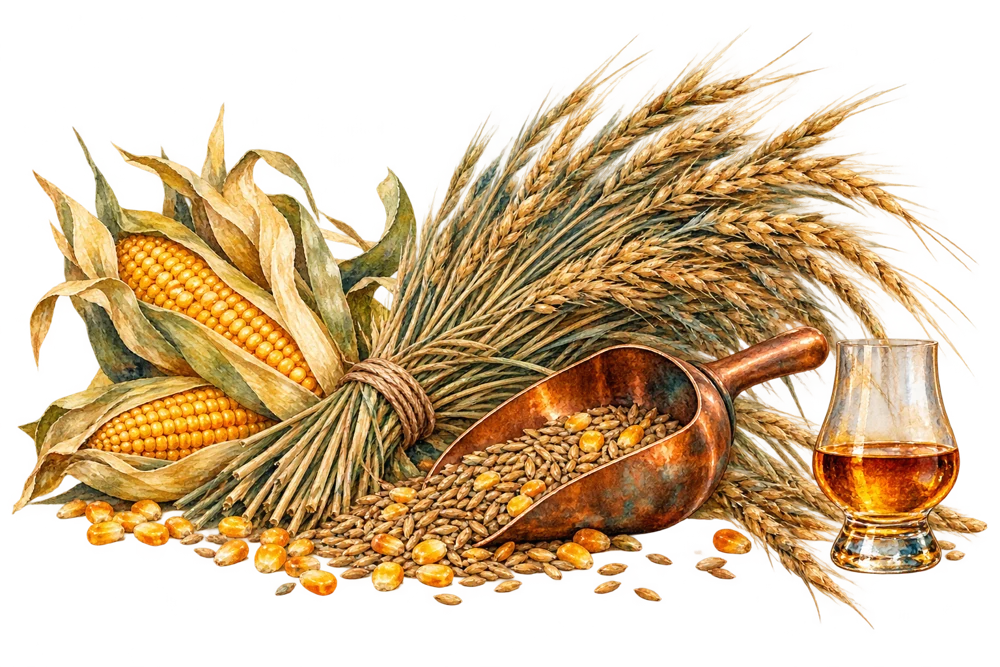
high-rye, symbolic watercolor illustration
April 2023

A different bourbon recipe

High Rye Bourbon introduces a higher-rye mash bill, broadening the bourbon family through grain composition rather than a different finishing cask alone.[10][2]
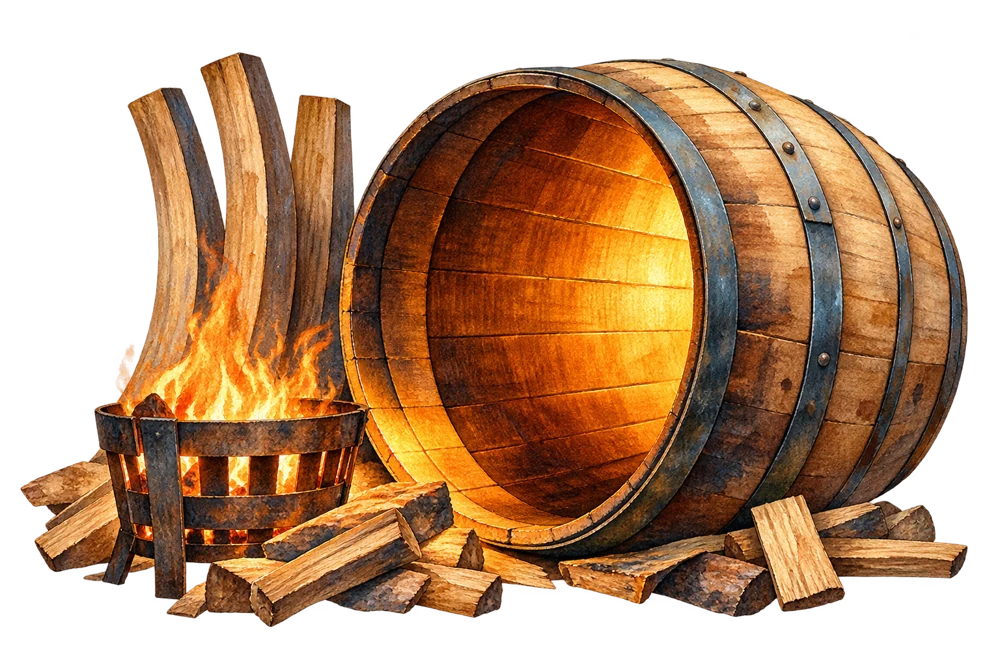
toasted, symbolic watercolor illustration
March 2024

Toasted Bourbon joins the range

The Batch 1 announcement describes bourbon moved from its charred barrel into a medium-toast finishing barrel, with selection guided by John Wadell.[11]
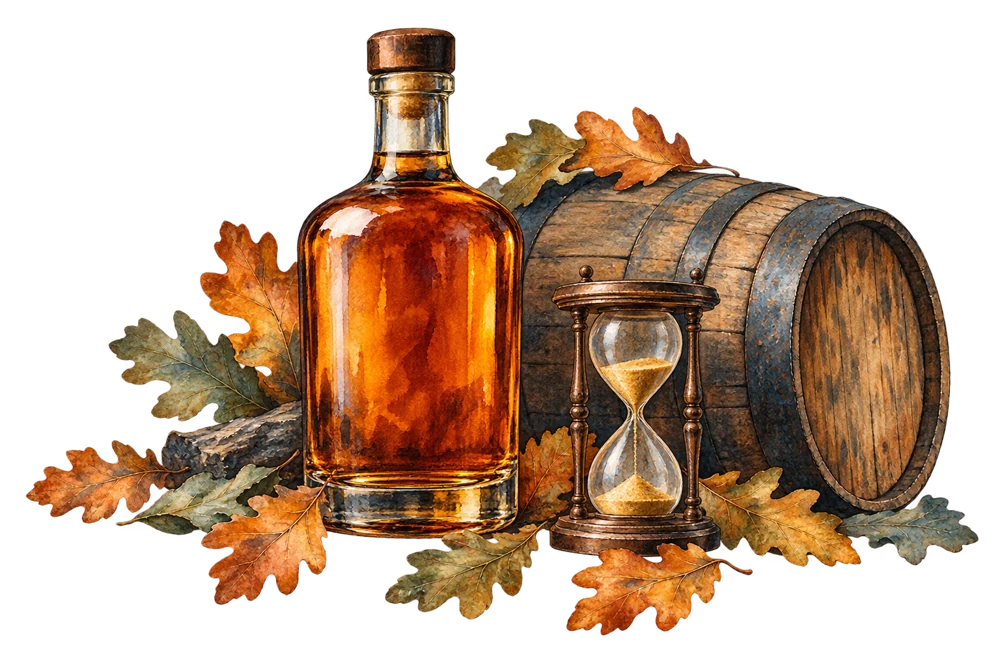
ten-year, symbolic watercolor illustration
April 2026

A decade in the barrel

Henry Kraver’s Old Reserve debuts as Peerless’s first ten-year whiskey. The May release retrospective confirms Batch 1 reached visitors at the distillery.[13][14]
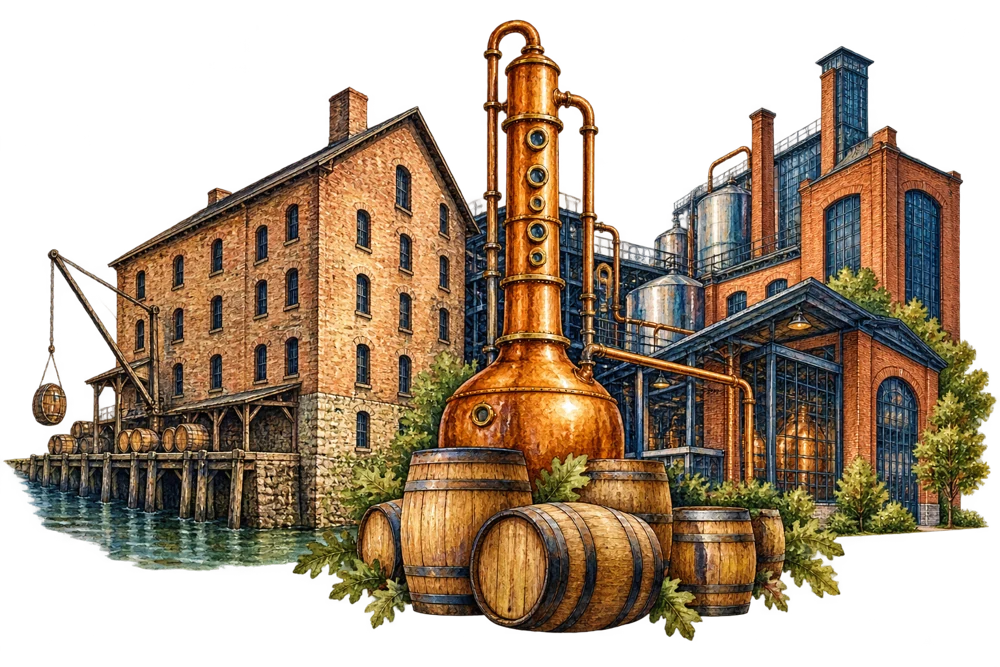
03 / Geography & roles

The places play different parts.

geography, symbolic watercolor illustration

Henderson, Kentucky

The historical home

The nineteenth-century business belonged to Henderson. Its shutdown and later dispersal of equipment mean it should not be presented as the same continuously operating facility visitors enter today.[3]

120 North 10th Street, Louisville

Production and visitor home

The modern distillery is in downtown Louisville. It is the place where Peerless makes its whiskey and shares the family story through tours and tastings. Consult the producer for current bookings rather than relying on a fixed schedule in this profile.[13]

Henry County, Kentucky

Maturation beyond the city

The first warehouse ribbon-cutting appears in the company’s October 2018 chronology. This is a maturation role, separate from the Louisville distilling address. Historical expansion plans are not treated here as a count of completed warehouses.[2]

04 / The whiskey family

One producer. Several ways to explore.

Kentucky Peerless Distilling Co.

Family-owned producer

The company’s 2026 announcement identifies it as family-owned and operated, with Corky and Carson Taylor continuing the Kraver family connection.[13]

Peerless Bourbon and Rye

Two core whiskey families

Bourbon and rye are distinct whiskey categories within the same producer. Small-batch and single-barrel offerings explore different selection approaches; barrel strength means the precise proof can vary.[16][17]

High Rye Bourbon

A recipe variation

A higher rye contribution does not turn this expression into rye whiskey. Peerless identifies it as a bourbon with a different mash bill from its earlier bourbon offerings.[10]

Double Oak and Toasted

Oak-driven extensions

These are expressions within Peerless, not separate distilleries. Double Oak and Toasted tell different wood-treatment stories, even though both involve a second barrel.[9][11]

Henry Kraver’s Old Reserve

A name for mature bourbon

The ten-year release honors Kraver and the people behind the revived distillery. It is part of the modern Peerless family, not rediscovered whiskey from the original Henderson stock.[15]

Vendome and Kelvin

Equipment and cooperage partners

Vendome supplied the modern still and other equipment; Peerless identifies Kelvin as its barrel supplier. These production relationships should not be confused with brand ownership.[7][8]

05 / Making & choosing

The process gives the revival its voice.

The historical name explains why Peerless returned. The production choices explain what the new whiskey is trying to be.

making, symbolic watercolor illustration

Sweet mash, batch by batch

Peerless describes starting each fermentation with fresh grain and water. Sweet mash is a production choice, not a promise that every whiskey will taste sugary. Its usefulness in this story is the deliberate process the revived producer chose for itself.[18]

A Louisville-made copper column

Vendome built the distillery’s 26-foot continuous copper column still. Peerless identifies an 18-tray design and credits the nearby manufacturer with much of the supporting production equipment. The new system connects local craftsmanship with modern process control.[7]

107 proof at barrel entry

The 2019 bourbon announcement specifies 107-proof barrel entry. Entry proof describes the spirit when it enters wood; it is not the final bottle proof. Maturation and barrel selection help explain why different Peerless bottles carry different strengths.[5]

Wood chosen with purpose

Peerless’s account emphasizes Kelvin’s hand-crafted barrels and wood-fire treatment. The barrel is an active part of maturation, not just a container. Double Oak later makes that relationship especially visible by giving selected whiskey a second new-oak exposure.[8][9]

Barrel strength and no chill filtration

The current product pages state barrel-proof bottling and no chill filtration. Those choices preserve the producer’s intended presentation, while leaving the drinker free to add water. They do not make one proof or one tasting note universal across all releases.[16][17]

Selection is part of production

Single-barrel releases foreground one cask’s character. Small-batch releases assemble barrels; finished expressions add another selection decision. Nick Klee’s 2026 comments about pairing ten-year barrels underline that maturity alone does not assemble a balanced batch.[18][13]

06 / The details worth knowing

The stories behind the specifications.

A number that crossed the interruption

DSP-KY-50 is a conspicuous link between the old and new Peerless stories. The company records recovering its historic plant number in 2014. That continuity of identifier should not be mistaken for continuity of address, equipment or whiskey stocks.[2]

The second barrel began as a rescue

Peerless says Double Oak developed from transferring whiskey out of leaking barrels. The interesting shift came when necessity became selection: the team began choosing whiskey specifically for a second barrel’s influence. It is a useful example of a production problem becoming an intentional expression.[9]

Toasted is not simply more char

Peerless’s Toasted announcement describes a standard char-level-three first barrel and a medium-toast second barrel. The distinction gives visitors a concrete way to compare releases: different heat treatments and selection decisions can change the role of oak.[11]

A ten-year release needs careful wording

The 2026 release is a milestone in the modern distillery’s maturation. The producer also calls it its first official age-statement bottle, but its own earlier chronology describes age-marked rye and bourbon. This profile therefore uses the narrower, supported claim: first ten-year whiskey.[13][2]

A local network, with a qualified old story

The modern Vendome connection is clear. Accounts of the older Peerless equipment’s removal to Canada give conflicting dates and simplify Vendome’s early history. That older connection belongs in the research notes as an attributed story, not a confidently dated founding event.[7][3]

07 / Selected expressions

A tasting path through the producer.

Small Batch Bourbon

The core bourbon is the clearest starting point for Peerless’s grain-to-bottle identity: sweet mash, barrel proof and no chill filtration. Read the actual bottle for its specific proof.[16]

Small Batch Rye

Rye was the revived distillery’s first aged whiskey offered to the public. It provides a second view of the same production philosophy through a different grain foundation.[17][4]

Single Barrel selections

These releases make variation the point. A barrel, pick and proof identify a particular selection; the same producer name does not make two single barrels interchangeable.[18]

Double Oak Bourbon

A defining release for the modern company. A second charred-oak barrel is used intentionally, with selection aimed at balancing the added wood character.[9]

High Rye and Toasted Bourbon

These offer two different routes to variation: change the grain recipe, or change the finishing barrel’s heat treatment. They should not be collapsed into a single generic finishing story.[10][11]

Henry Kraver’s Old Reserve 10 Year

The 2026 release connects the founder’s name with a decade of modern aging. Batch 1 is a specific release; the announced annual cadence remains a plan for later editions.[13][15]

08 / The Reserve connection

Continue from the story to the bottles.

Kentucky Peerless in The Thelen Reserve

3 physical bottle records connect this story to the collection. Each keeps its own proof, barrel, batch, pick and release details.

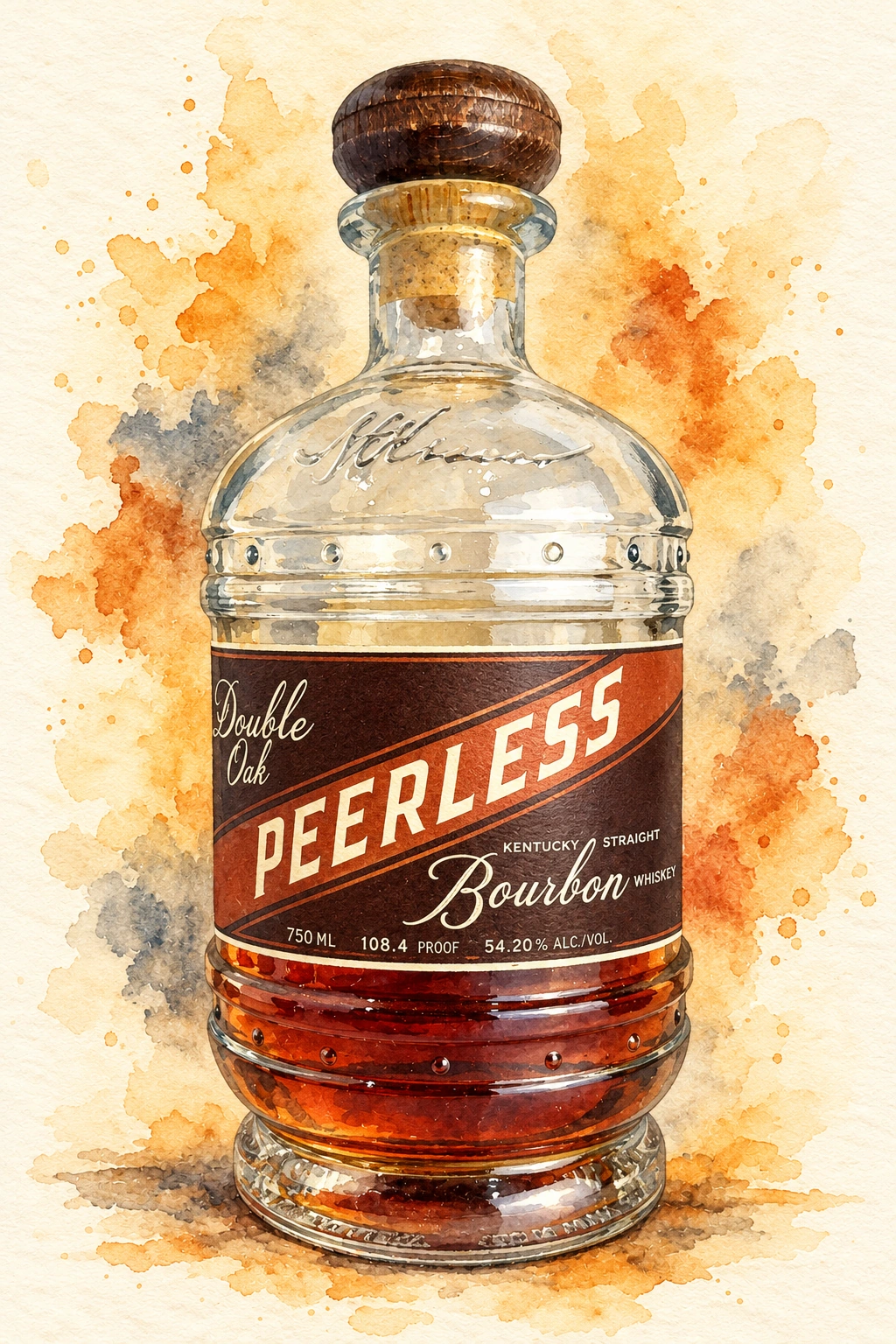
Approved watercolor of Peerless Double Oak

Peerless Double Oak

W0358 · 108.4 proof

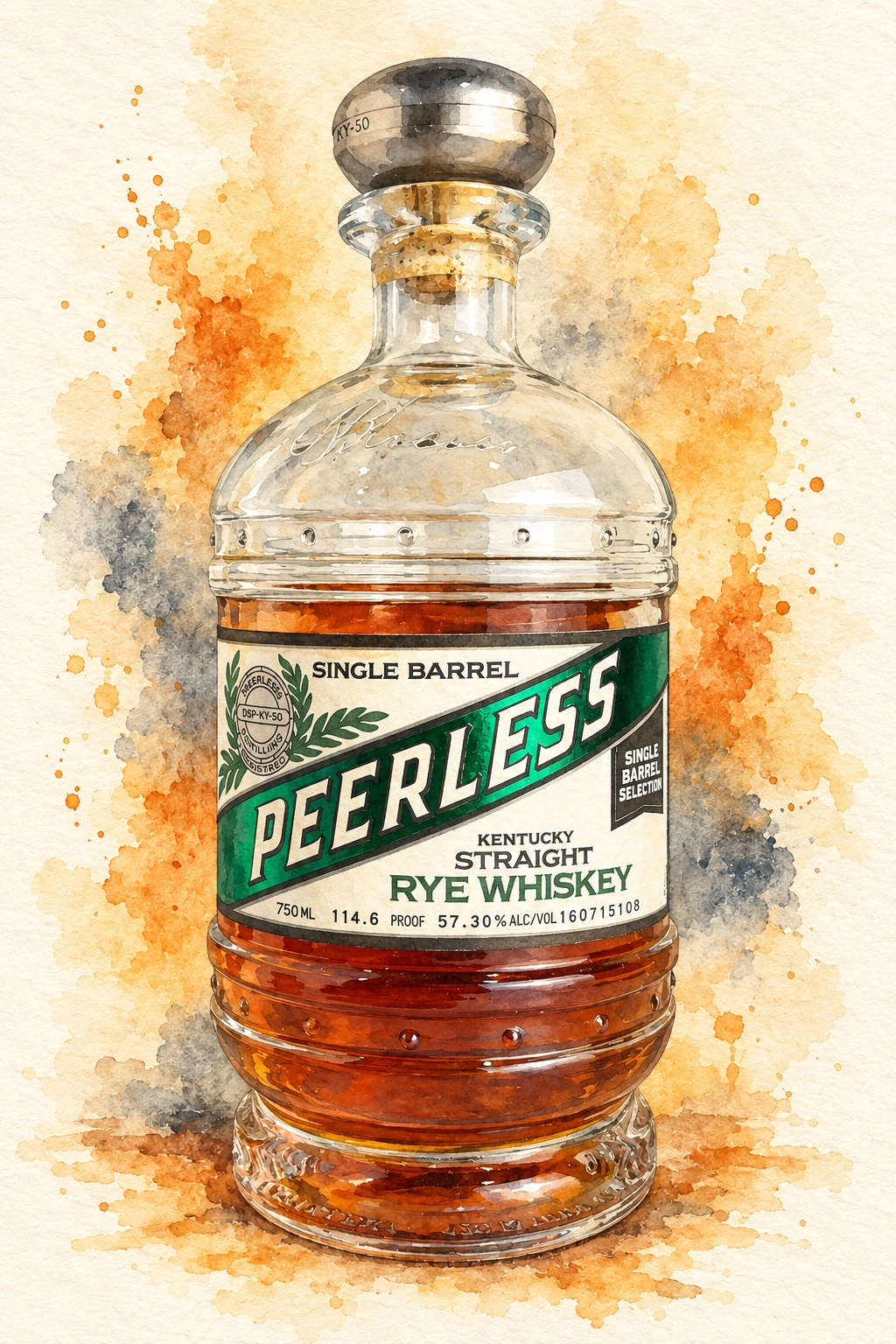
Approved watercolor of Peerless Single Barrel Rye - Pearl Dram - IBN

Peerless Single Barrel Rye - Pearl Dram - IBN

W0360 · 114.6 proof · Barrel R160715108 · Pick Its Bourbon Night

The photographed Pearl Dram selection confirms barrel R160715108, 114.6 proof / 57.30% ABV, 750 mL and the It’s Bourbon Night selection. The detail label records selection on July 16, 2021, which is not a bottling or barreled date. No age or mash-bill percentages are inferred.

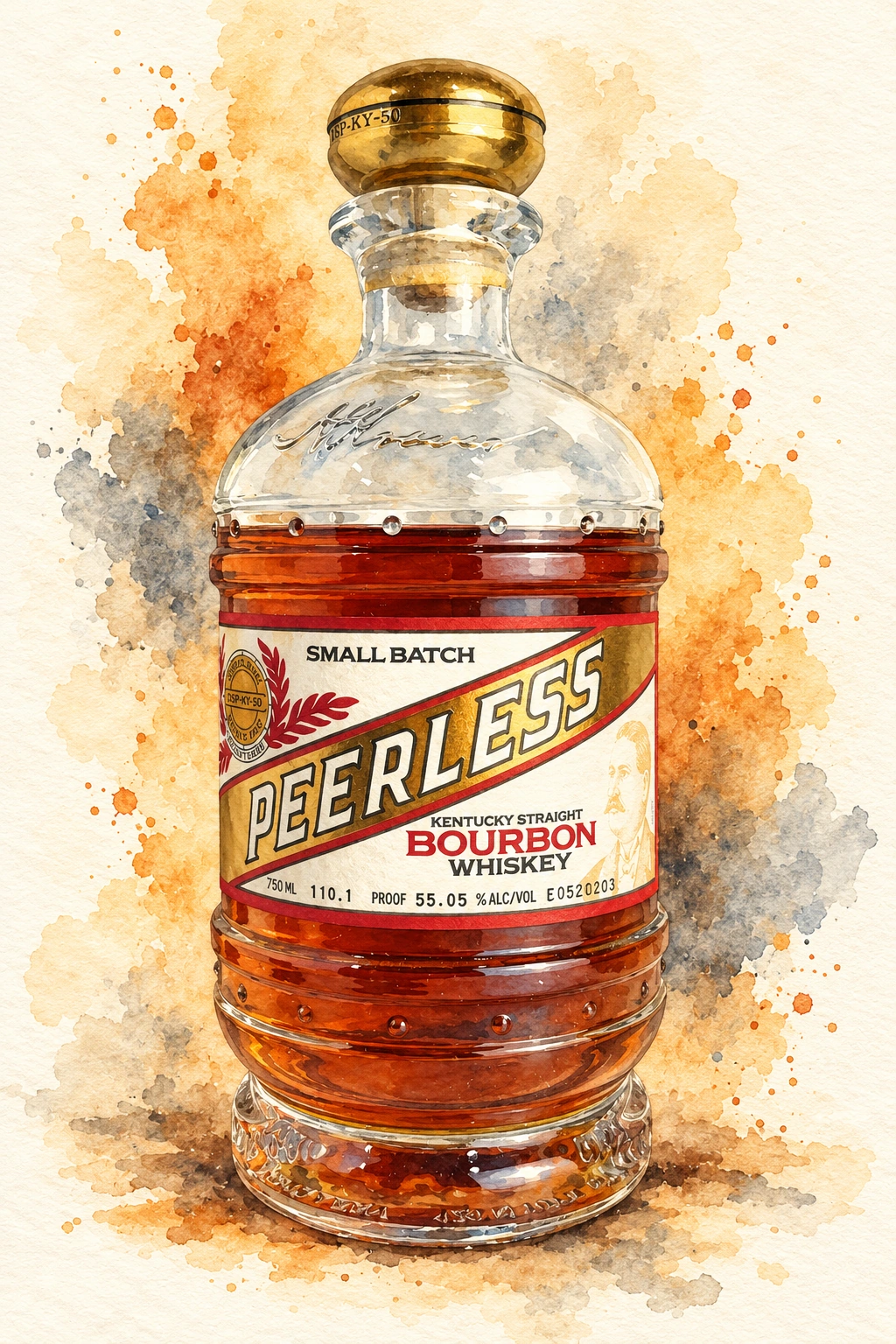
Approved watercolor of Peerless Small Batch Bourbon

Peerless Small Batch Bourbon

W0361 · 110.1 proof

Collection snapshot: October 31, 2026. Exact approved bottle artwork is not yet available for these records. Separate physical bottles and release distinctions are preserved.

Kentucky Peerless guide cover
The illustrated companion

Kentucky Peerless, in three pages.

Origins and people, history and places, whiskey and stories. An illustrated companion with linked research sources.

Sources & research notes

Research qualifications

  • Researched October 16, 2026, America/Phoenix. Official producer pages are primary evidence of what Peerless reports; historical claims are attributed where appropriate.
  • The official timeline and story pages disagree on daily versus weekly production volumes. No historical capacity figure is adopted.
  • Accounts date dismantling or movement of historic equipment to 1917 or 1925. No exact transfer date or causal Vendome-founding claim is adopted.
  • The 2026 release page pairs 117.6 proof with 58.5% ABV, which does not reconcile mathematically. This profile omits those disputed release specifications pending label verification.
  • The 2026 first official age-statement wording conflicts with earlier age-specific releases on the same website. First ten-year whiskey is the narrower claim used here.
  • Caleb Kilburn is credited historically; the 2018 appointment is not used as current staffing evidence. Current release-specific credits are retained.
  • Illustrations are symbolic watercolor interpretations, not photographs, engineering diagrams, exact architectural reconstructions or exact bottle-label reproductions.

Full sources

  1. The Peerless story
  2. Official historical timeline
  3. History comes full circle
  4. The return of Peerless rye, 2017
  5. First bourbon in 102 years, 2019
  6. Caleb Kilburn appointment, 2018
  7. The Peerless still
  8. Peerless and Kelvin Cooperage
  9. Double Oak announcement, 2021
  10. High Rye Bourbon
  11. Toasted Bourbon Batch 1, 2024
  12. The Peerless team
  13. Ten-year bourbon announcement, 2026
  14. Ten-year release retrospective, May 2026
  15. Henry Kraver’s Old Reserve
  16. Small Batch Bourbon
  17. Small Batch Rye
  18. Single Barrel Bourbon
↑