A grandfather becomes a name
The producer traces the name to Basil Hayden Sr. and his grandson, Colonel R.B. Hayden. That family tribute supplies a recognizable character for the brand, rather than a modern master-distiller job title.[1]
Last updated Last researched
A family tribute. A whiskey with a stubborn streak.
An old-fashioned name conceals a surprisingly restless whiskey story. Old Grand-Dad links a Hayden family tribute with Kentucky industrial history, memorable glass packaging and the modern Beam portfolio. Its high-rye identity runs through an expanding range, but a familiar name does not make every bottle the same age, proof or kind of selection. Follow the people, the places and the editions, and the orange-label favorite becomes a much richer story.[1][2][18]
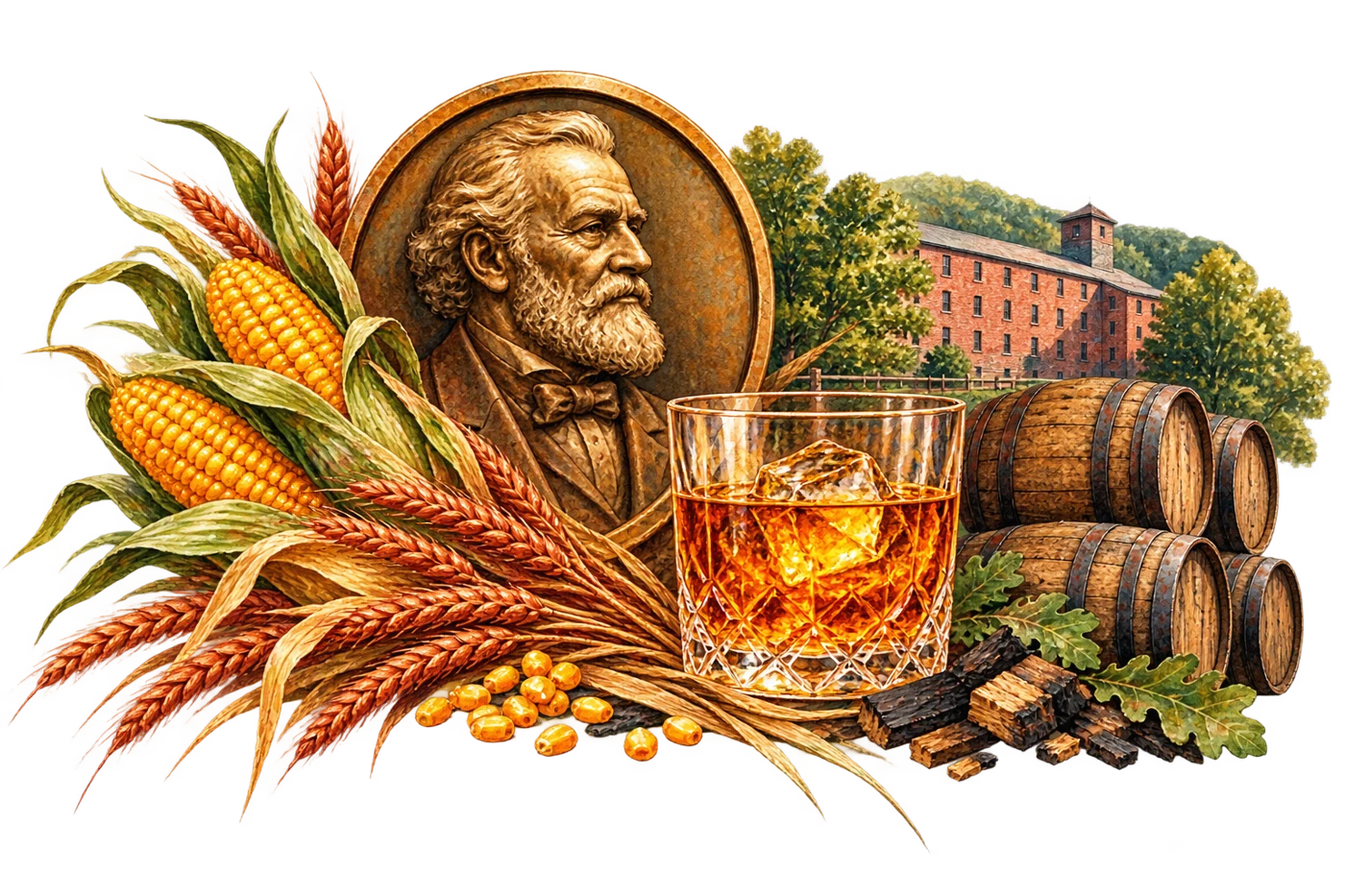
The producer traces the name to Basil Hayden Sr. and his grandson, Colonel R.B. Hayden. That family tribute supplies a recognizable character for the brand, rather than a modern master-distiller job title.[1]
The current official history identifies 1882 as the first bottling year. It is the clearest brand date in the reviewed primary material. Older accounts of farming and distilling should not be converted into an 1882 opening date for every later production site.[1][9]
Old Grand-Dad presents itself as high-rye bourbon, emphasizing rye spice within a bourbon framework. This profile retains that verified description without supplying an unsupported exact percentage or claiming an unchanged historical recipe.[2]
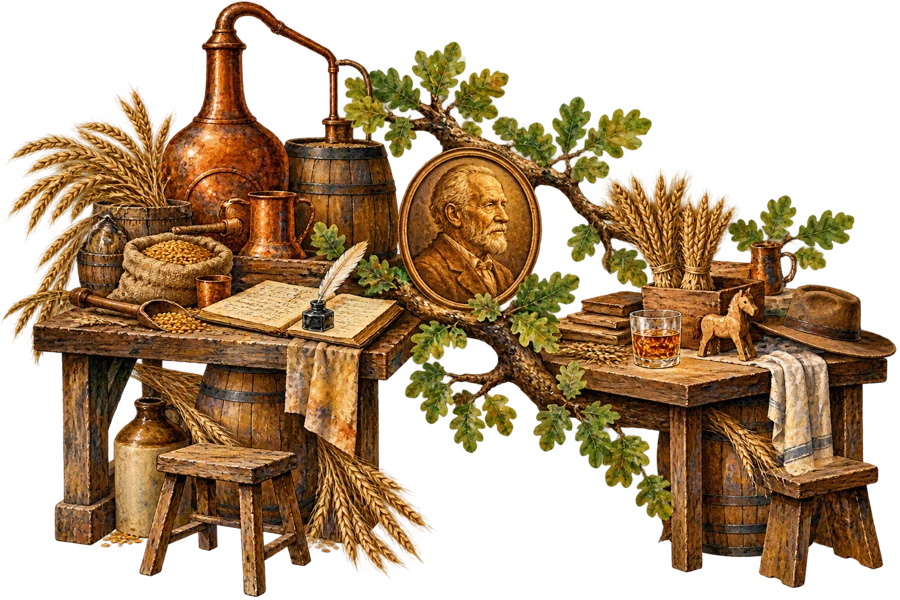
The namesake appears in the producer’s story as a farmer-distiller. The account suggests he may have preferred rye; that is family tradition expressed with uncertainty, not a surviving quantitative recipe.[1]
The grandson is credited with naming the distillery and bourbon for his grandfather. His naming role belongs to the Hayden story, which is distinct from the Beam family’s later stewardship.[1][15]
Fred Noe and Freddie Noe represent the seventh and eighth Beam-family distilling generations. They place the contemporary portfolio in a continuing production organization, without making every Old Grand-Dad expression a personal single-barrel selection by either man.[15]
A 2021 company profile of Angela Brandford-Stevenson documents the workforce at Frankfort’s Bottling Center of Excellence, also called the Old Grand Dad Plant. Whiskey history includes that operational work as well as named distillers.[14]
Follow the company, its production home and the evolving whiskey range. Each date belongs to its documented event.
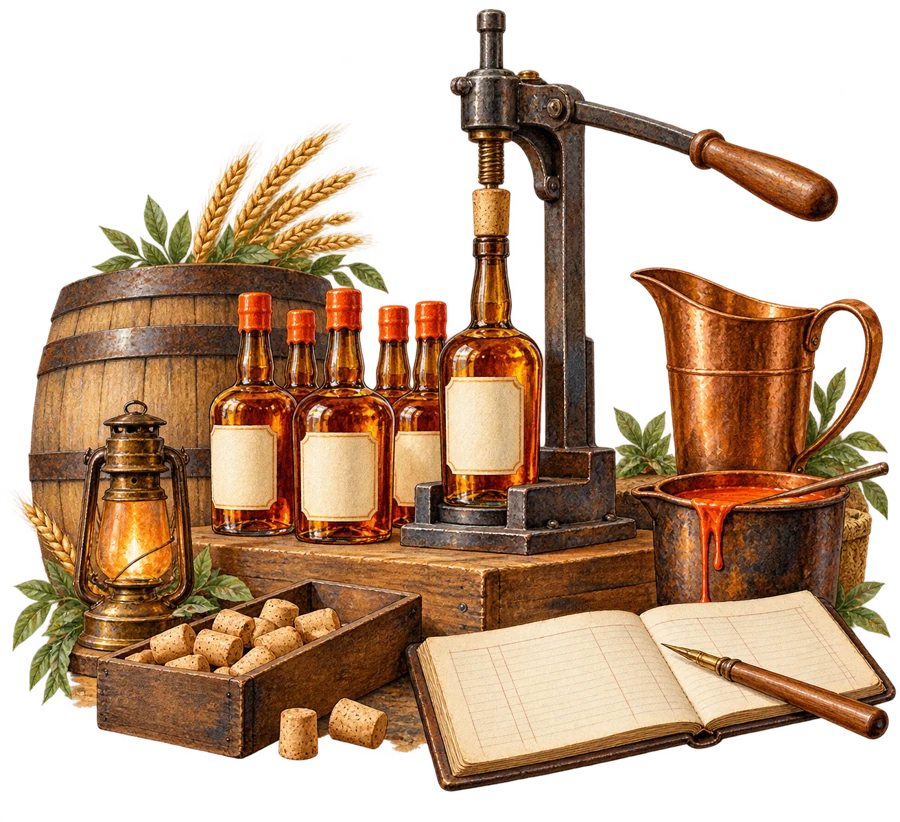
The official brand account dates first bottling to 1882 and connects the name to the Hayden family. This is the brand’s documented historical anchor.[1]
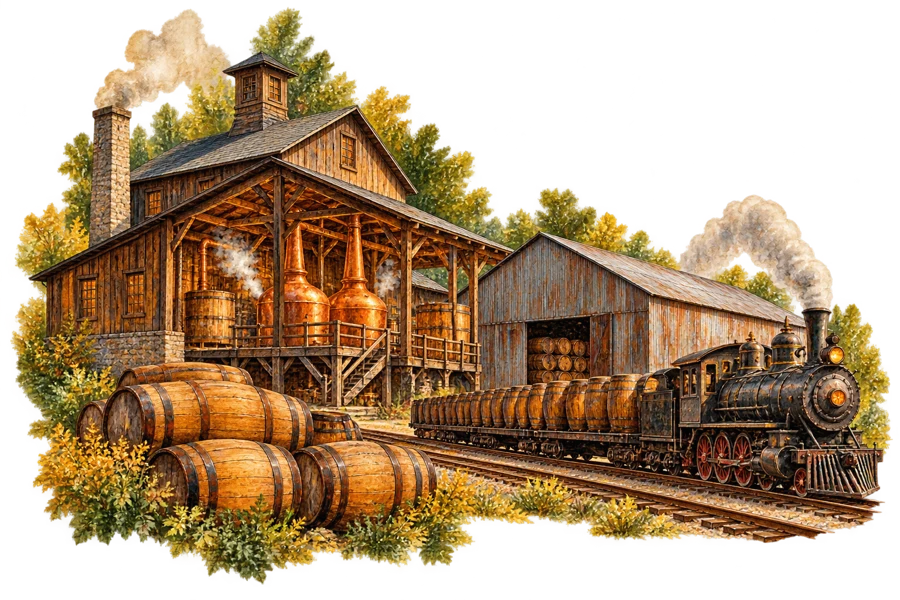
A specialist compilation places the railway-side Hobbs Station plant in 1885 and describes later insurance records. Its facility chronology remains separate from the official first-bottling date.[9]
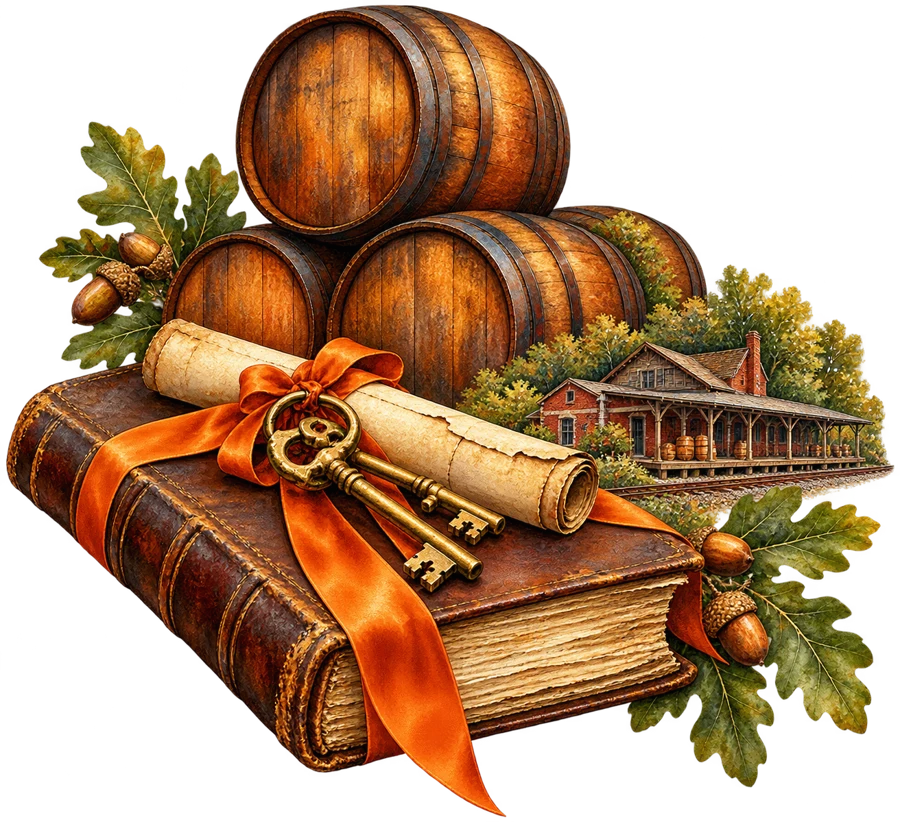
The same historical compilation records the Wathen family acquiring the plant in 1899. This belongs to the earlier Kentucky business story, not to the present Clermont campus.[9]
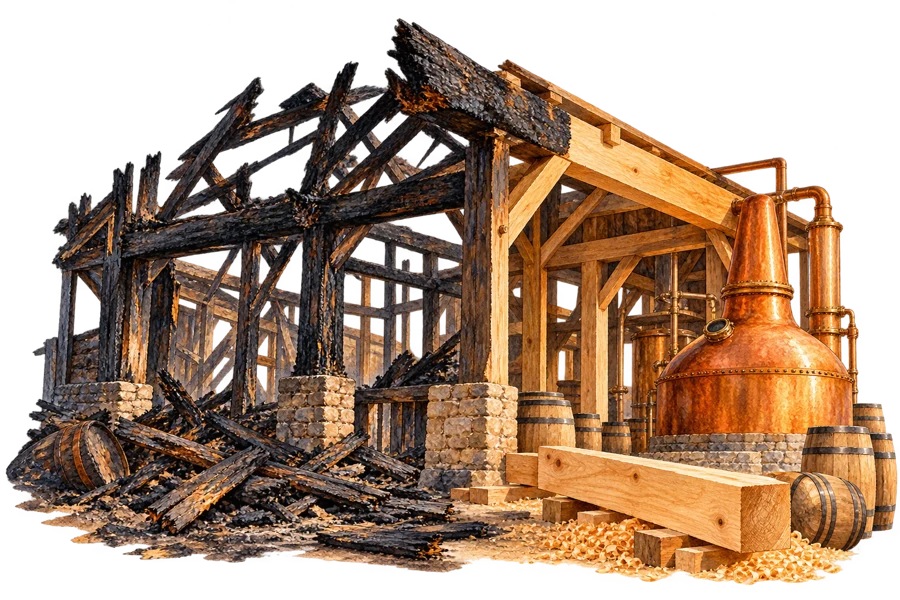
The historical plant compilation records a fire in 1900 and subsequent rebuilding. It marks a physical interruption in the former facility’s story.[9]
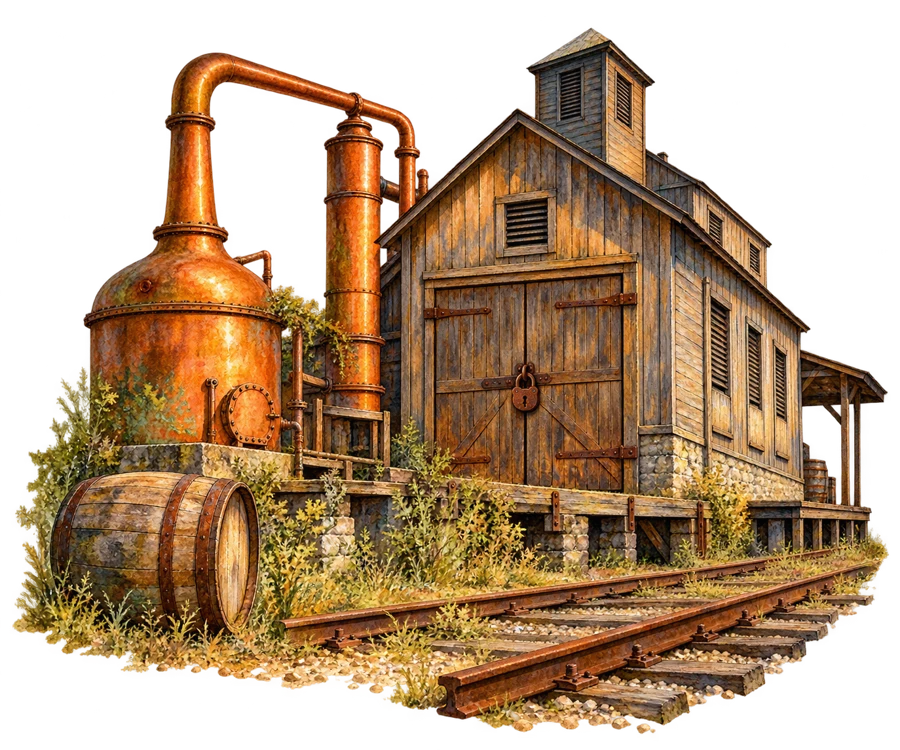
The same account records the plant abandoned at Prohibition and not reopened. The brand’s later survival must be distinguished from continuity of that original site.[9]
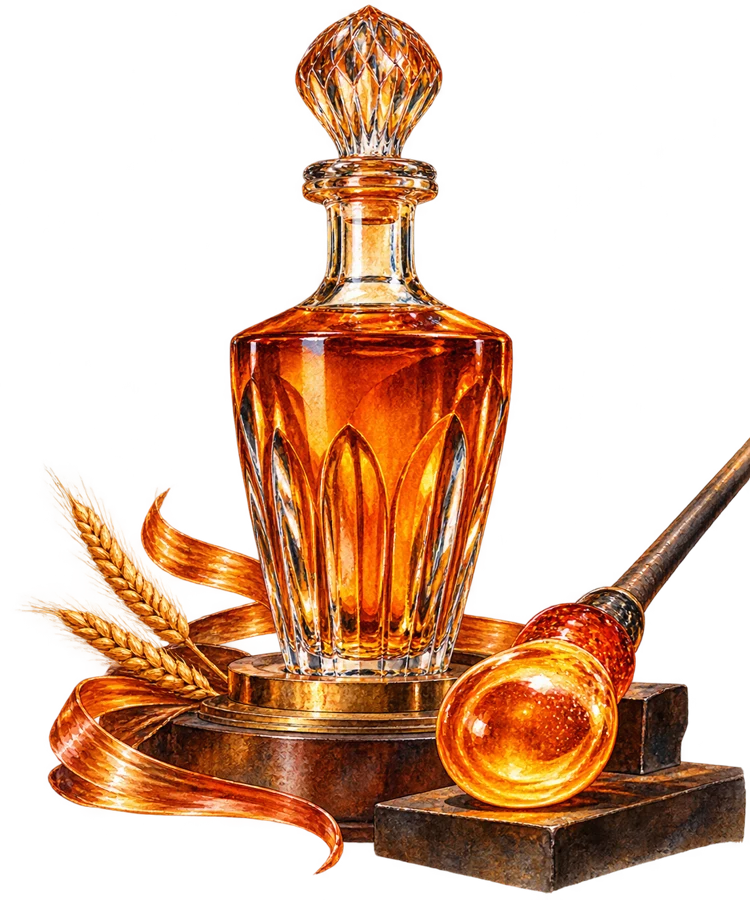
The Smithsonian catalogs an Old Grand-Dad whiskey decanter made in 1960 by Owens-Illinois in Ohio. The object records packaging history, not the age or source of liquid inside a particular bottle.[10]
The producer dates the brand’s acquisition by James B. Beam Distilling Co. to 1987. Stewardship changes, while the brand retains its own name and high-rye identity.[2]
Suntory’s financial report records Beam becoming a wholly owned subsidiary on May 1, 2014. This changes the parent-company context; it does not move every production activity to Japan.[12]
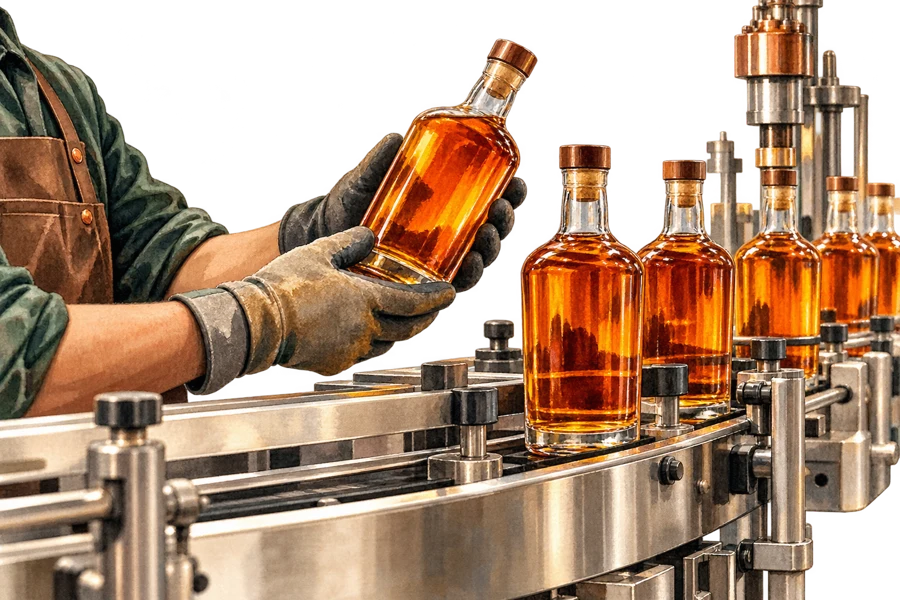
A company workforce profile identifies the Old Grand Dad Plant as Frankfort’s Bottling Center of Excellence. The dated record helps distinguish bottling from brand identity and distillation.[14]

The US announcement introduces Suntory Global Spirits on April 30. A Tokyo release follows on May 1. These are two announcements of one corporate rename, not separate acquisitions.[13][17]
The producer dates its one-time 16-year, 100-proof expression to late 2024. An older selection expands the story beyond the familiar core proof points.[8]
The official product history introduces an annual seven-year bottled-in-bond expression in 2025. The currently described 2026 edition traces to Fall 2018; its season is edition-specific.[6]
By this research date, the producer separately lists a seven-year 114-proof single barrel and the standard 114. Matching proof is not proof of matching age or selection method.[7][4]
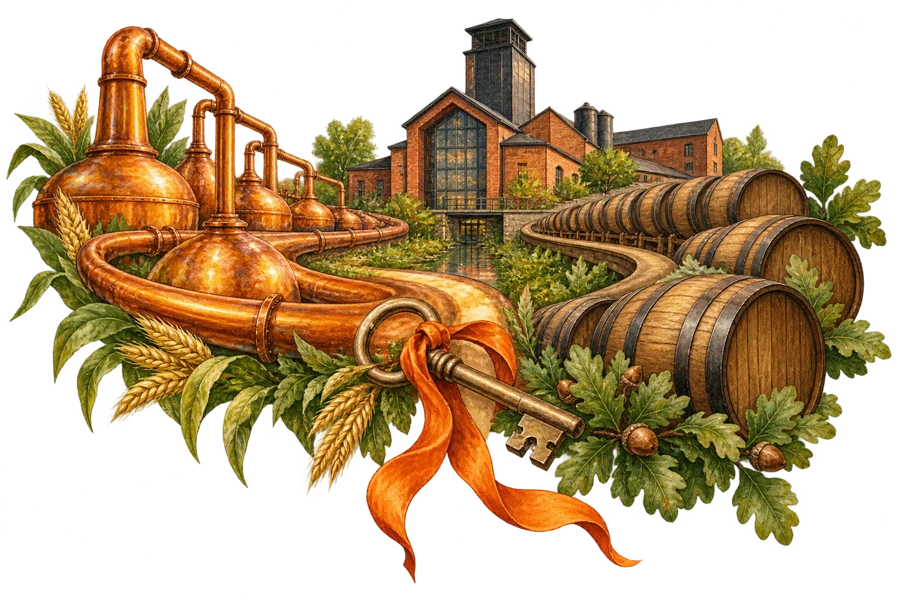
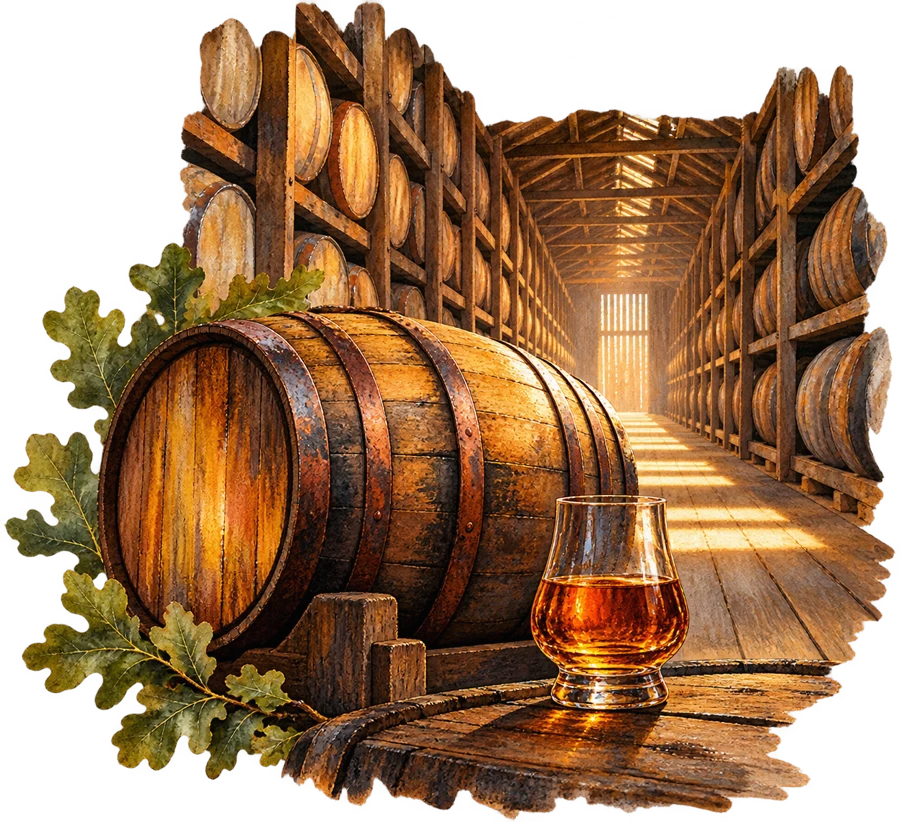
Original watercolor interpretations accompany the history. Buildings, objects and scenes are symbolic, not documentary reconstructions.
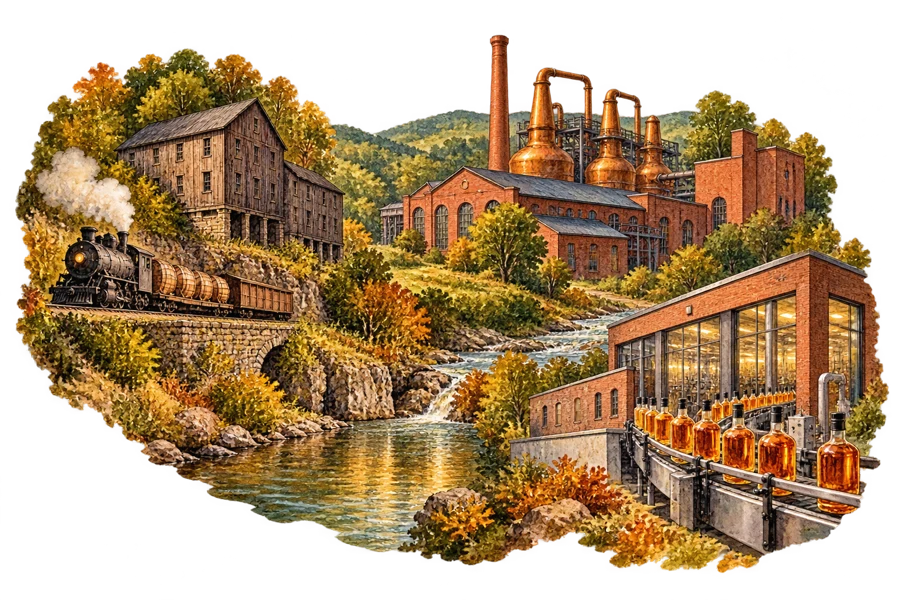
The historical compilation describes a railway-linked Kentucky plant and a bonded warehouse. It also records closure with Prohibition. Its oldest dates conflict with the current brand account, so this profile uses the narrower, explicitly attributed facility evidence.[9]
The official brand site directs visitors to the James B. Beam Distilling Co. in Clermont. This is the contemporary visitor and company connection, rather than a claim that every historical bottle was made at the same equipment.[16][18]
The March 2021 workforce record gives the Old Grand Dad Plant a specific role: a bottling center serving multiple company products. A plant name alone cannot identify the distilling source of every bottle carrying the brand.[14]
A 1960 Ohio-made decanter and an undated packaging negative are preserved in Smithsonian collections. They connect the whiskey story to glass manufacture, commercial design and museum documentation.[10][11]
Namesake & brand
A naming and heritage relationship, anchored by the producer’s account of a grandfather and grandson. It is not the legal identity of today’s parent company.[1]
Current portfolio
The contemporary whiskey portfolio includes Old Grand-Dad alongside Jim Beam, Basil Hayden, Knob Creek and other distinct brands. A shared portfolio does not make their specifications interchangeable.[18]
Corporate ownership
The modern corporate context follows Suntory’s 2014 Beam acquisition and the 2024 spirits-company rename. The two names describe different levels of the group.[12][17]
Related name, separate range
Basil Hayden also belongs to the Beam portfolio and shares a historical namesake connection. It remains a separate branded whiskey range; its release details cannot fill missing Old Grand-Dad specifications.[15][18]
Historical ownership
The compiled plant record assigns an 1899 acquisition to the Wathen family. This is a historical connection, not a statement of present ownership.[9]
Packaging & design evidence
The museum records identify a glassmaker for one decanter and preserve a packaging-design negative in the Nesbitt papers. Neither record makes its subject the whiskey’s distiller.[10][11]
Grain, fermentation, distillation, oak and selection each leave a mark. Age and proof claims below belong to the expressions named.
The verified contemporary description is high-rye Kentucky bourbon. The reviewed official product material does not provide a numeric mash bill, so this profile avoids repeating popular percentages as established specifications.[2]
The standard 114 page describes whiskey reduced to 114 proof. That is different from automatically calling it uncut barrel-proof whiskey. Proof and barrel selection answer different questions.[4]
The bonded expression is 100 proof and at least four years old, from one distillation season and one distiller. Seven years is an additional specification on the separate age-stated edition.[5][6]
The 16-year limited expression, seven-year bonded and seven-year single barrel each carry their own identity. None supplies an age statement for a standard 114 bottle simply because the same brand is printed above it.[8][6][7]
The seven-year 114 single barrel is selected from individual barrels. Its appeal includes barrel individuality; a common proof target does not remove that distinction.[7]
The 80-proof page emphasizes a lighter, spicy profile; standard 114 describes rye-led spice and dark-fruit accents. These are producer tasting descriptions, useful as orientation rather than guarantees for every palate or vintage.[3][4]
The origin story itself uses cautious language about the namesake’s grain preference and inherited technique. Preserving that caution makes the family story more credible and keeps folklore separate from a documented modern formula.[1]
A museum-cataloged decanter makes glass manufacture part of bourbon history. Its 1960 date dates the object, while the undated Nesbitt negative leaves a design question open. Both are more useful when read within their actual evidence.[10][11]
Old Grand Dad Plant sounds like a dedicated distillery, yet the 2021 company record describes bottling multiple brands and categories there. Geography becomes clearer when each place is assigned its documented role.[14]
The standard and seven-year single-barrel products share 114 proof. The extra age and selection language still matters. Reading the whole product name prevents a newer release from rewriting an older bottle’s identity.[4][7]
The producer frames the 16-year release as a return to an earlier premium stature and reports 2025 competition recognition. Those are release-scoped claims, not a ranking for every whiskey sold under the brand.[8]
The seven-year bonded page identifies 2026 as Fall 2018 distillate. A calendar year on a current webpage is not permission to assign that season to every previous edition.[6]
A curated reading of the whiskey family, selected for its role in the story. This is not an exhaustive current catalog.
The accessible core proof point provides a different intensity from the higher-proof range. Its present product page is evidence for this expression, not every earlier orange-label bottle.[3]
A minimum-four-year expression whose single-season and single-distiller conditions provide information beyond the number on the label.[5]
The familiar high-proof expression is reduced to 114 proof. It remains separately listed from the age-stated single barrel and receives no borrowed seven-year age claim here.[4]
An annual series launched in 2025. The reviewed 2026 edition is 100 proof and tied to Fall 2018 distillation and barreling.[6]
An individually selected barrel expression at 114 proof, explicitly aged seven years. Its full name is essential to identifying it correctly.[7]
A one-time limited release introduced in late 2024, showing a longer-aged side of the range. Its age and reported awards remain attached to this specific whiskey.[8]
One physical record connects the brand to the collection: W0351, Old Grand-Dad 114 at 114 proof. Its age, batch, barrel, vintage and bottle number remain unverified from original photographs. The newer seven-year single barrel is a distinct release.
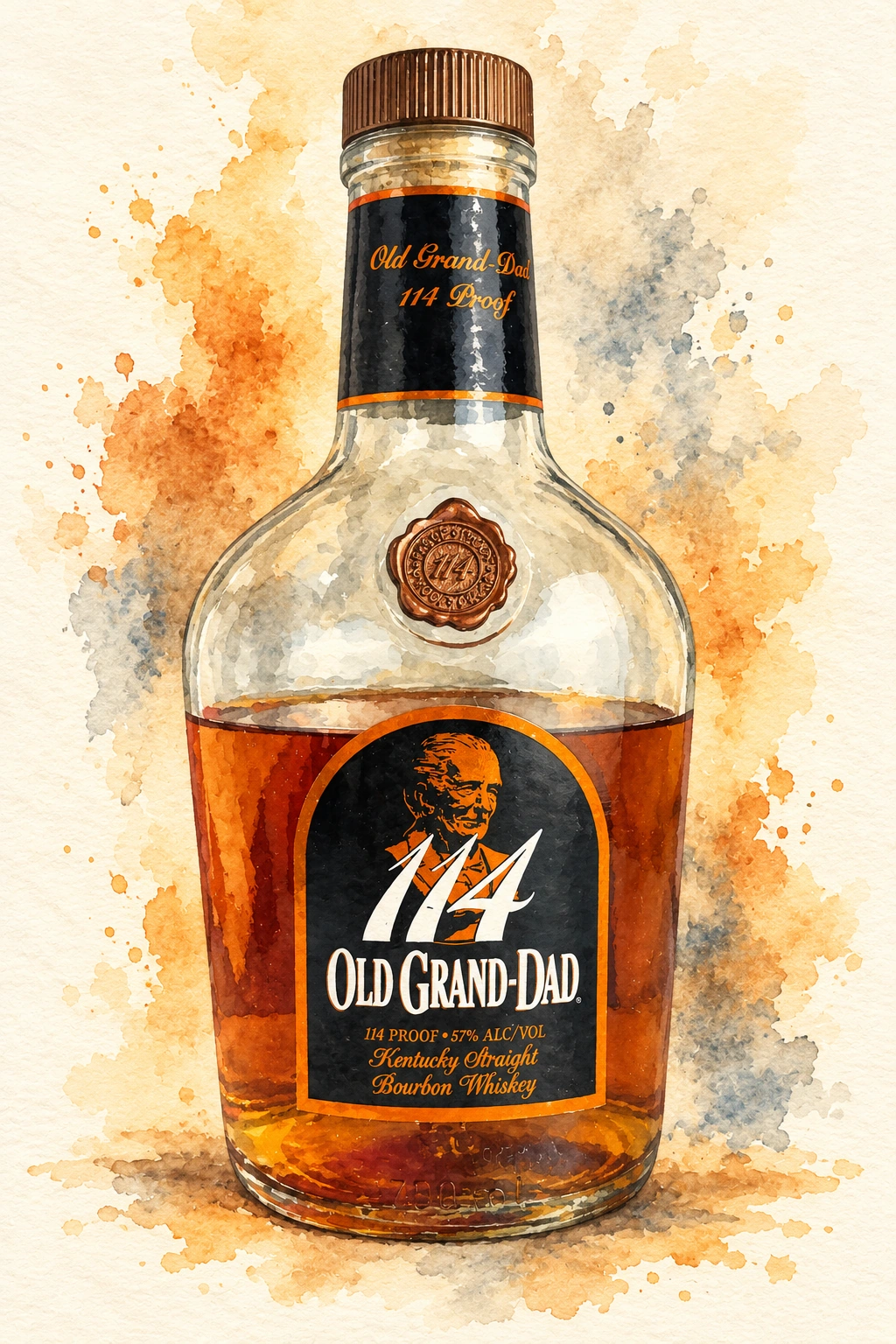
W0351 · 114 proof · Batch Lot No. 1
Physical back label: Lot No.1. No numeric age, barrel, bottle number or production date is shown.
Collection snapshot: October 23, 2026. One physical record. Exact approved bottle artwork appears only when a verified match is available.
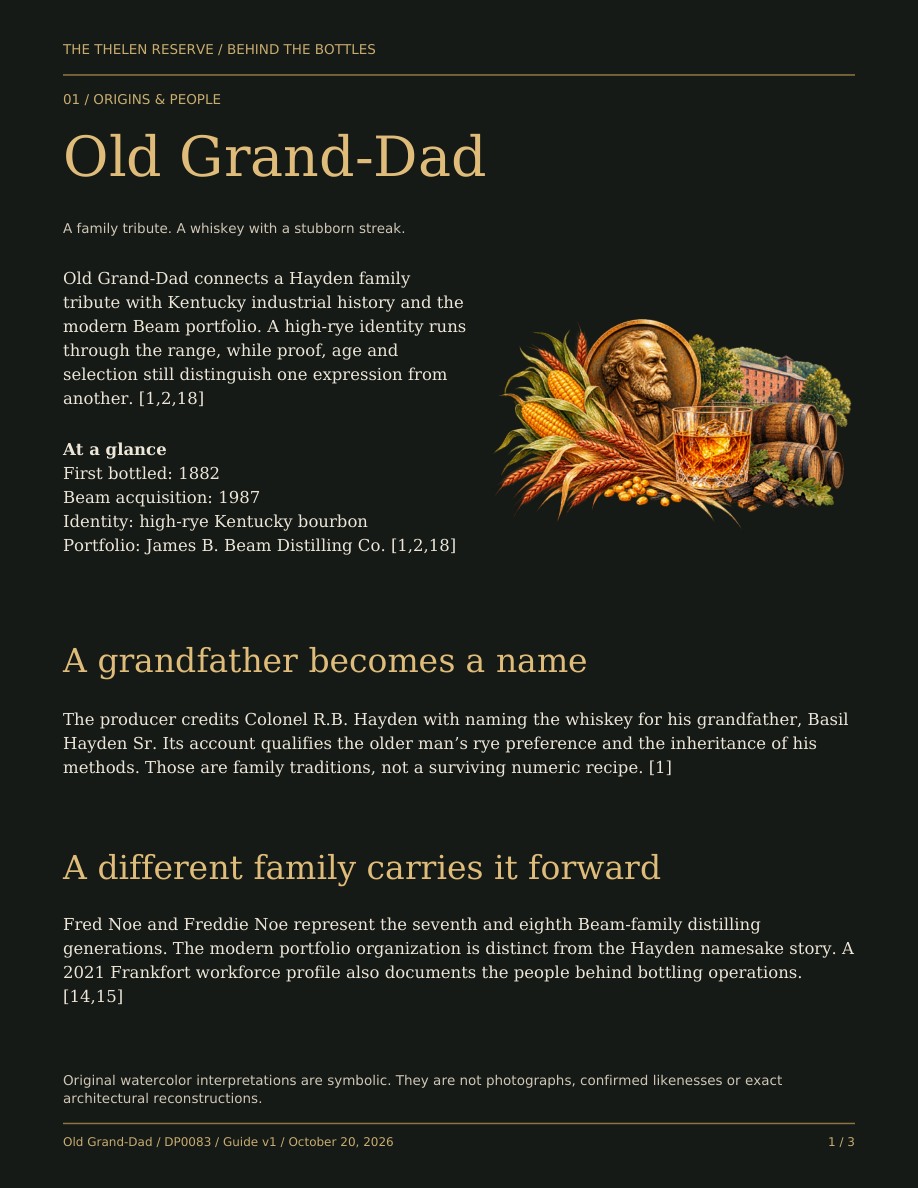
Origins and people, history and places, whiskey and stories. A concise companion to this full profile, with linked research sources.
Researched October 20, 2026. Primary producer announcements and institutional records are used wherever available. Product specifications are release- and market-specific.