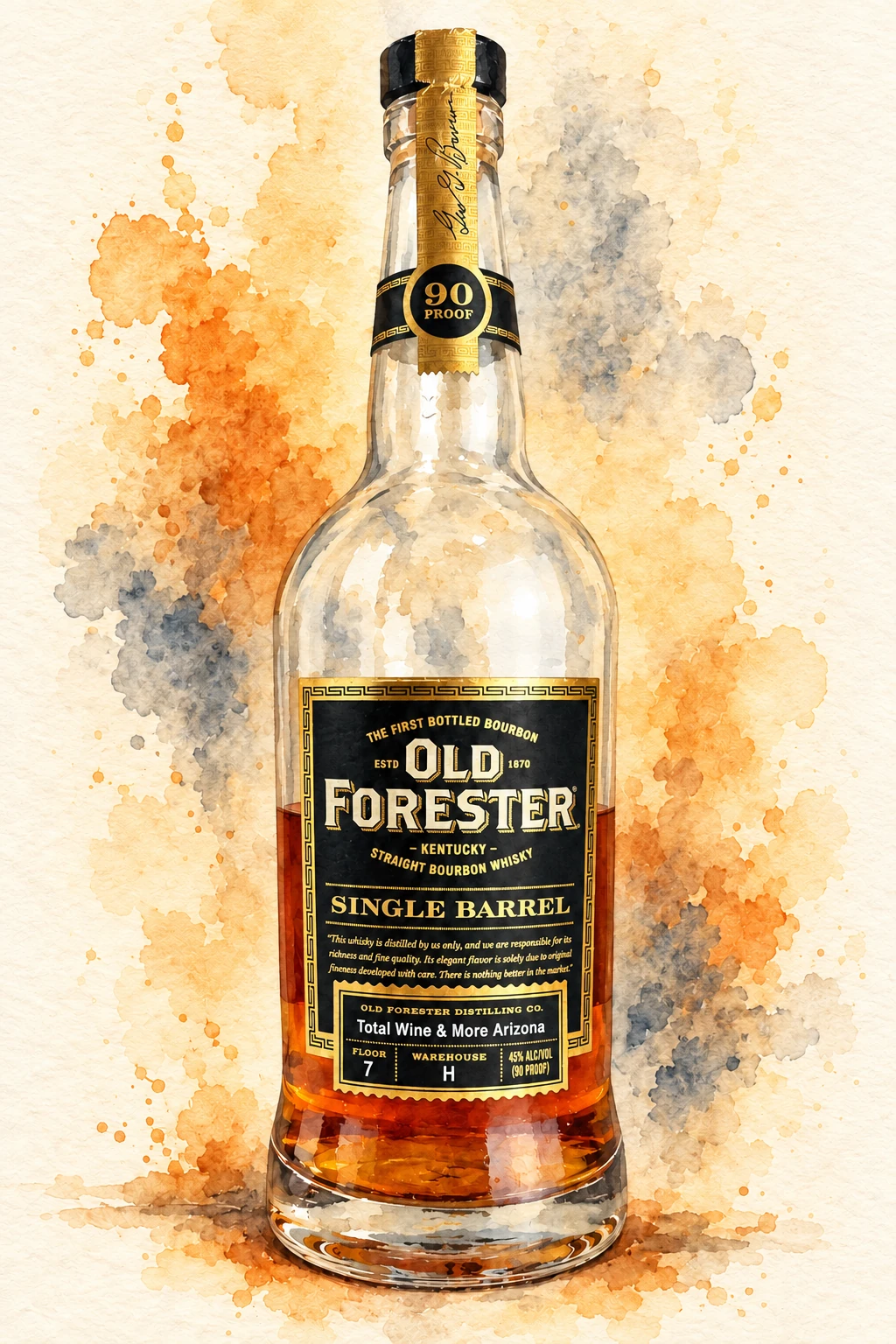
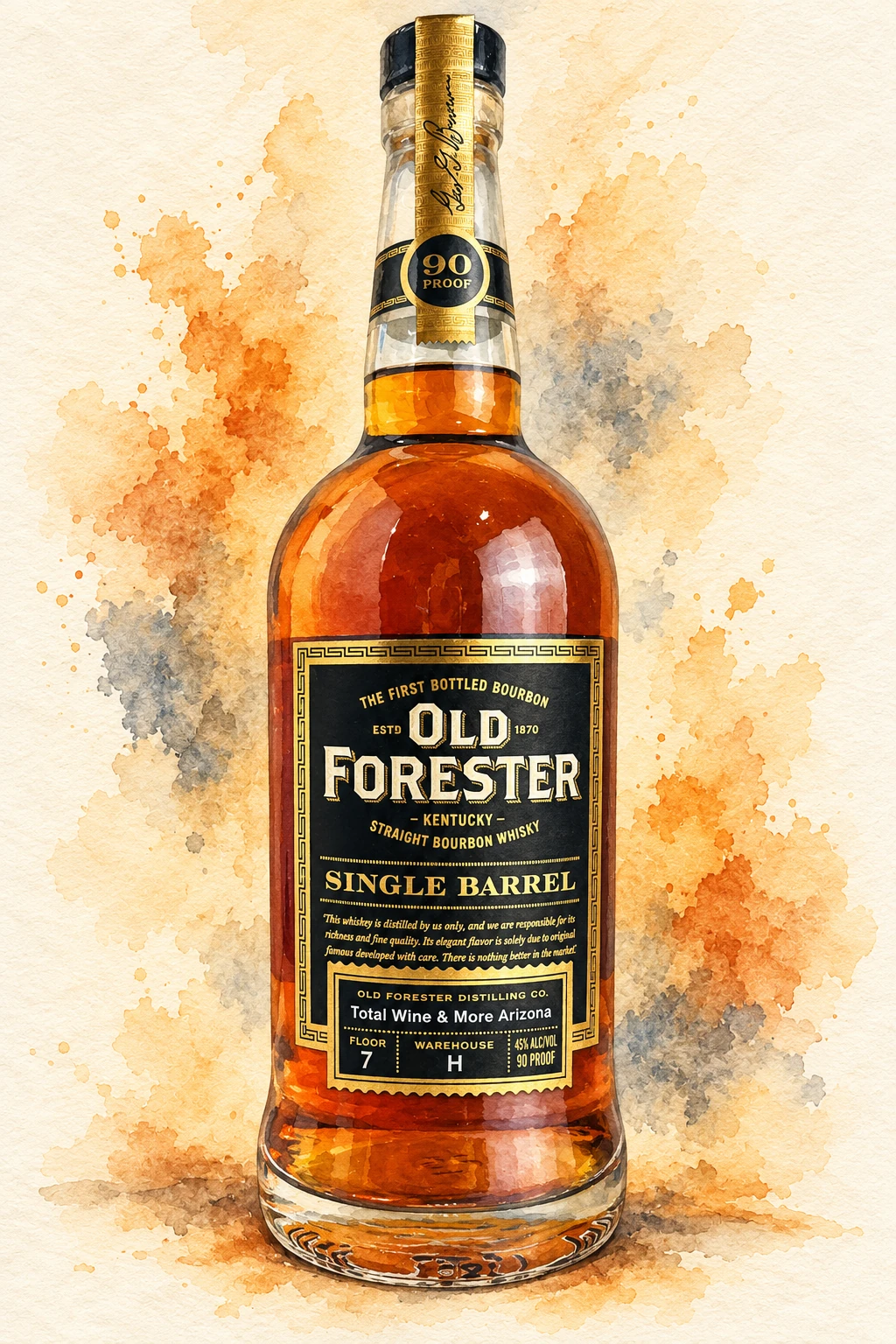
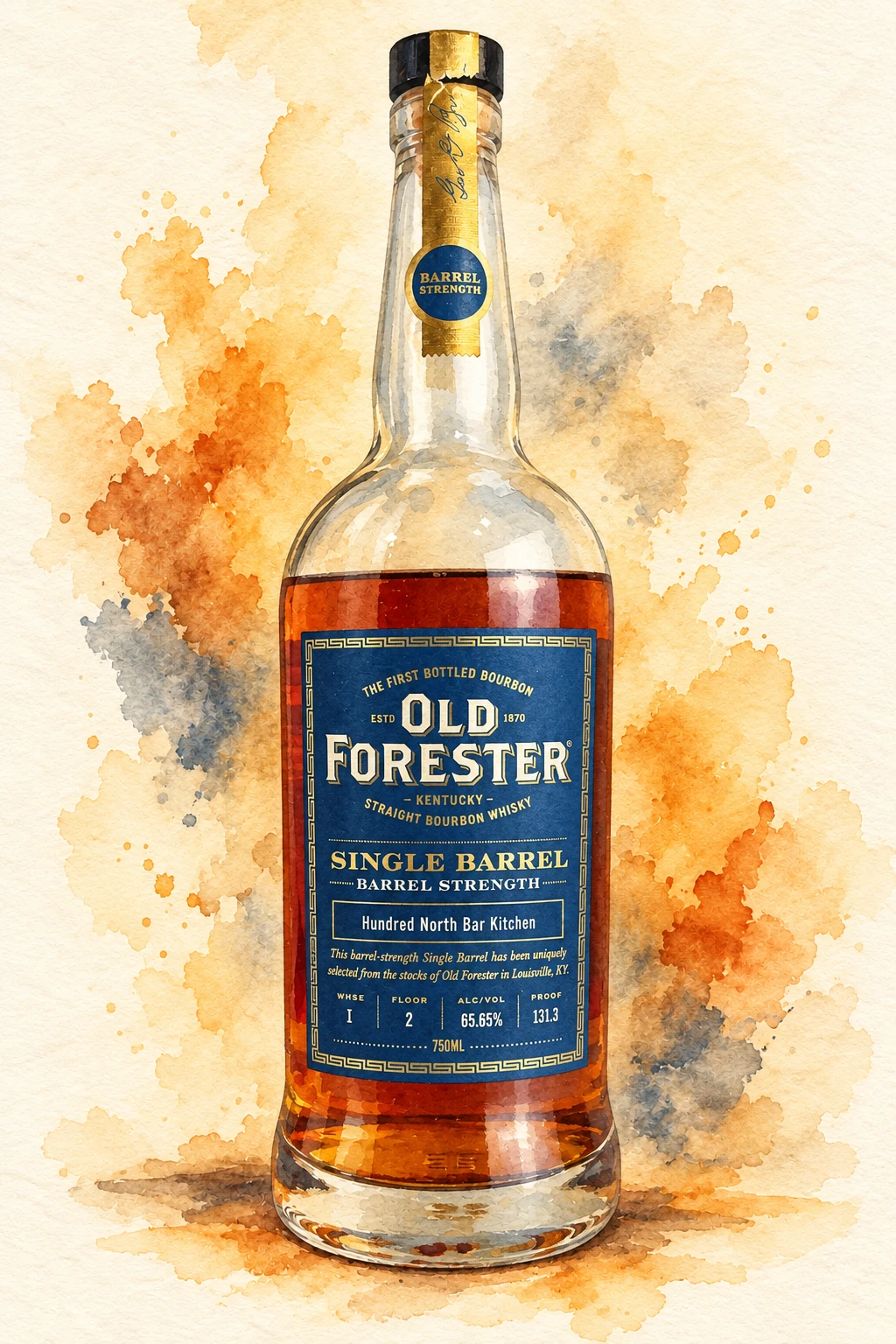
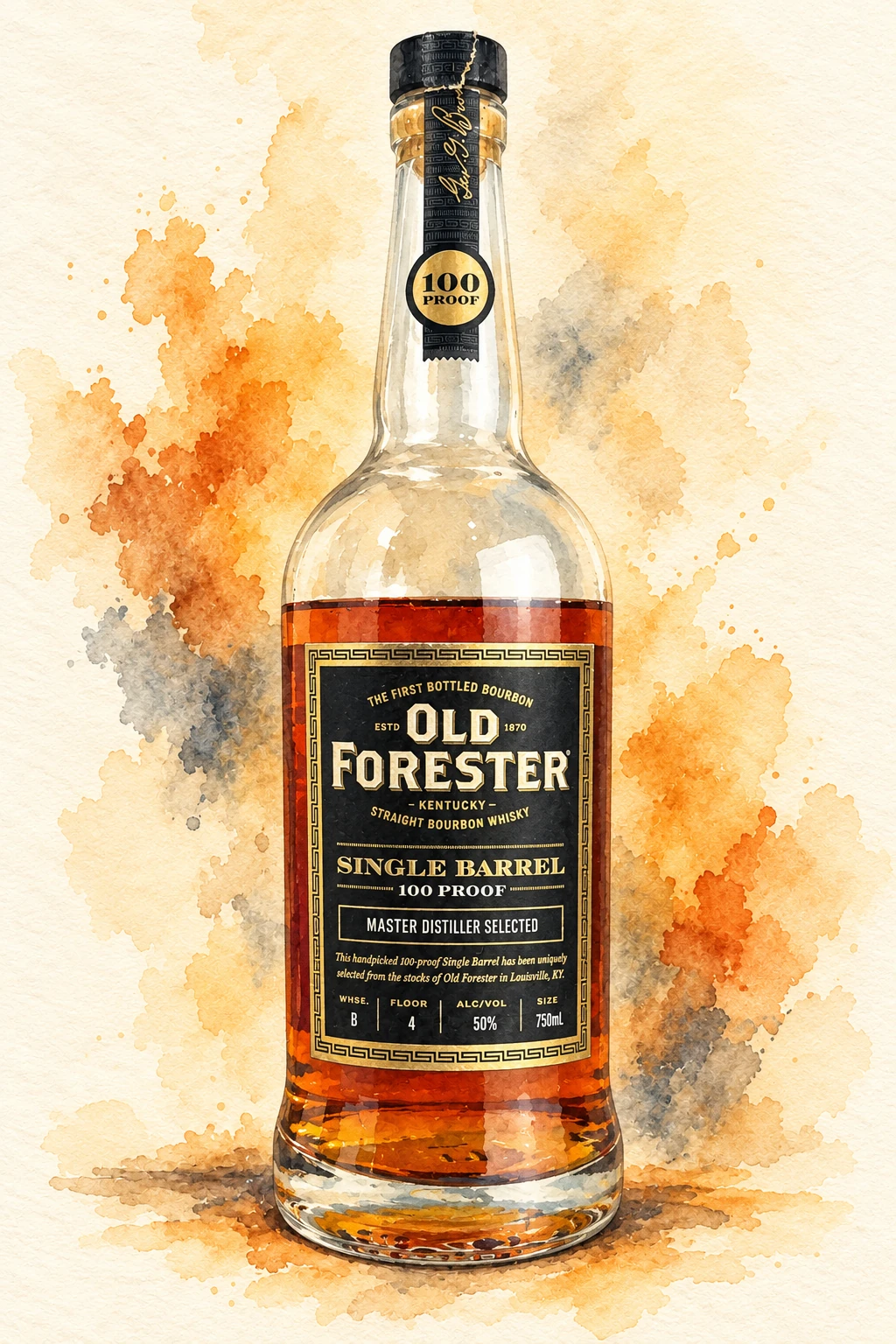
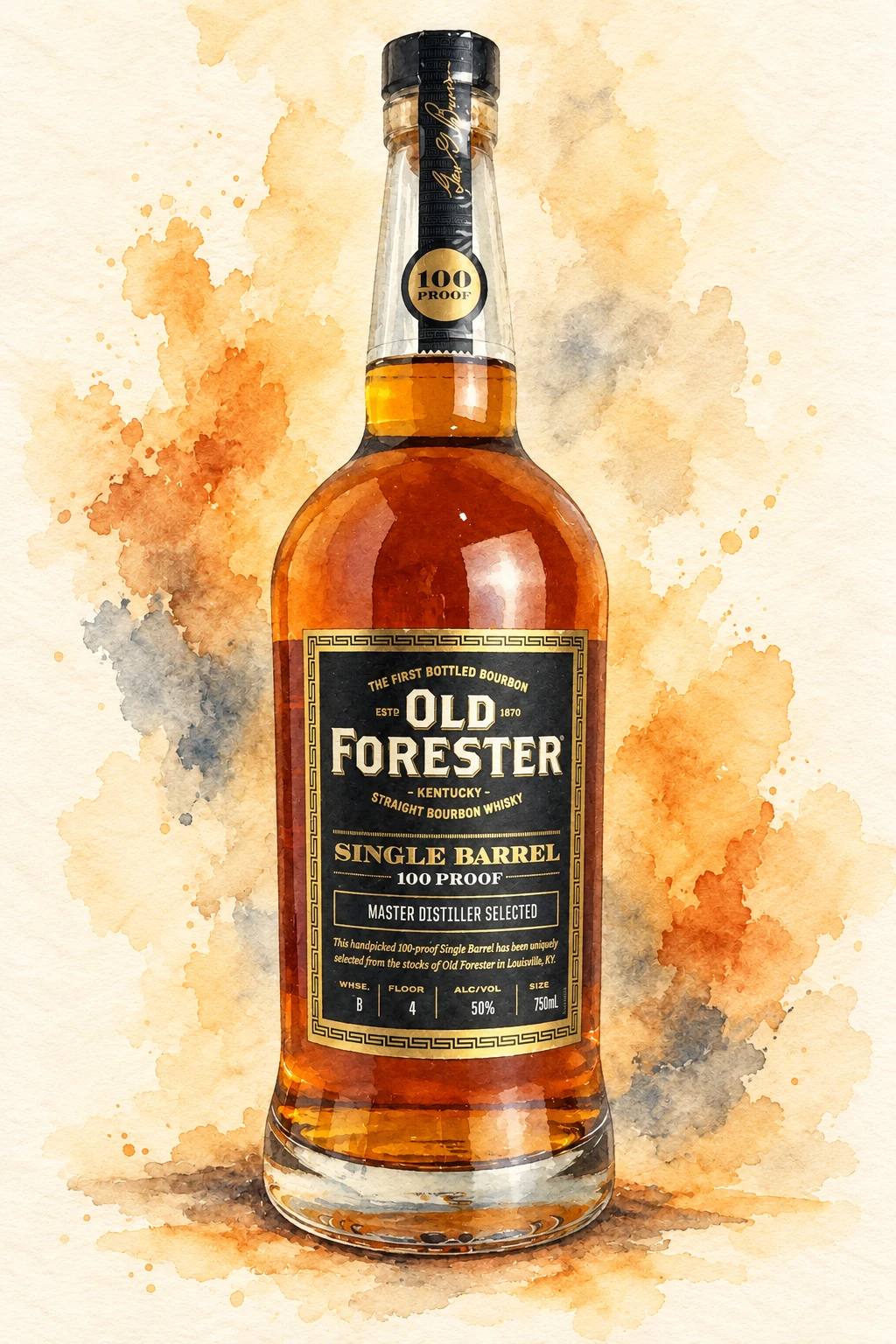
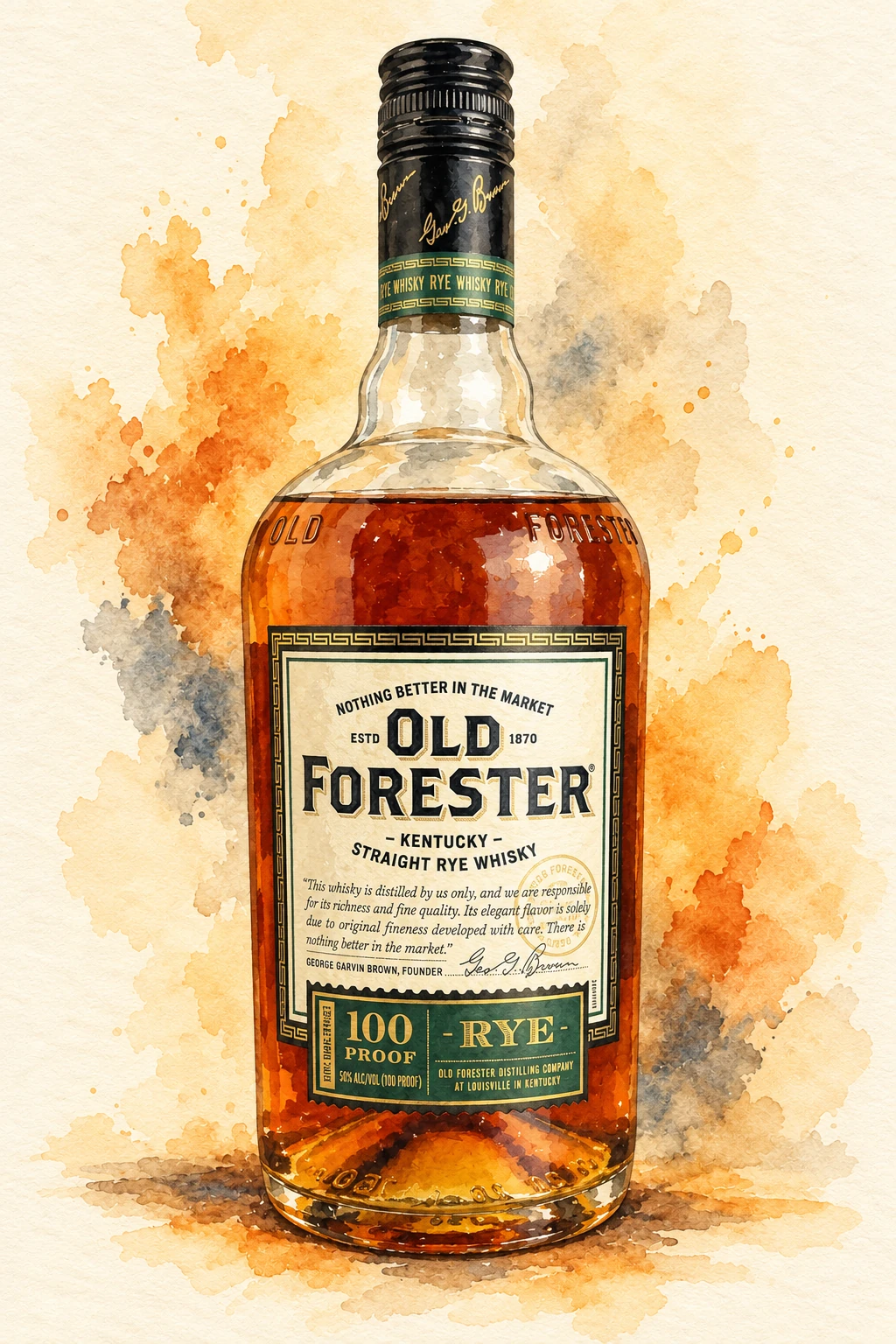
A bottled promise, a surviving business and a city homecoming. Dates distinguish brand origins, facilities, releases and changing production.
1870
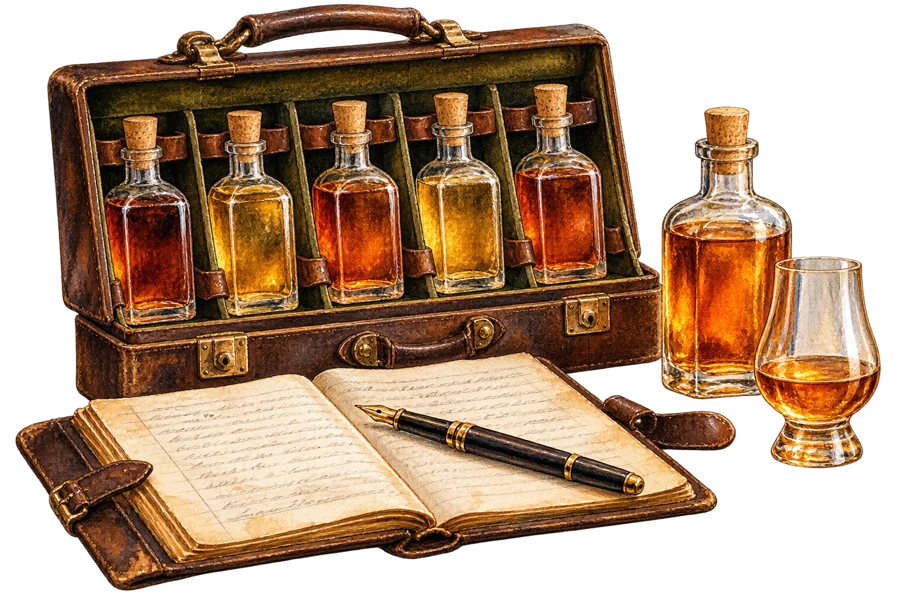
A promise sealed in glass
Old Forester begins as a deliberately bottled, signed whiskey. Brown’s commercial idea makes consistency and accountability part of the product, rather than leaving the customer to rely on an anonymous barrel.[1][4]
1882–1919
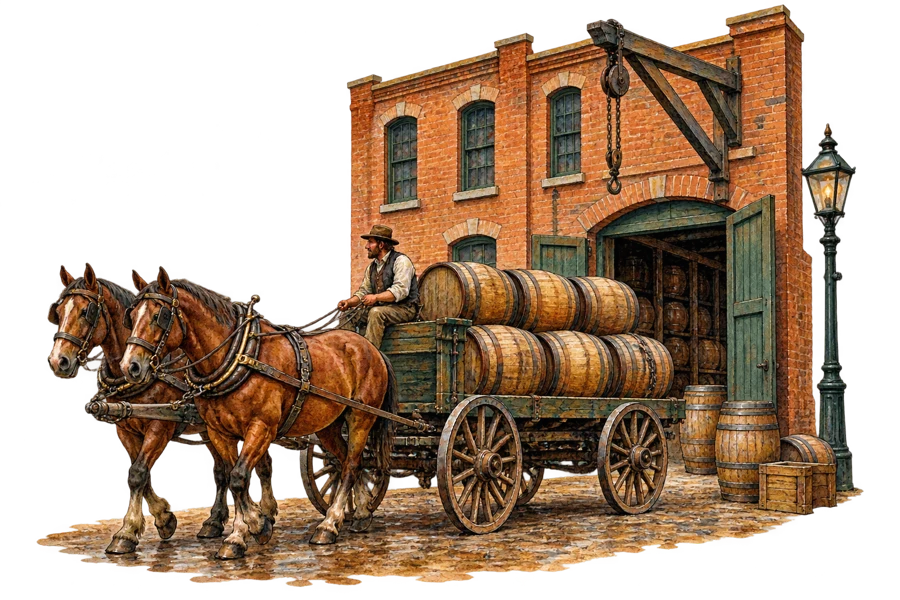
The Whiskey Row years
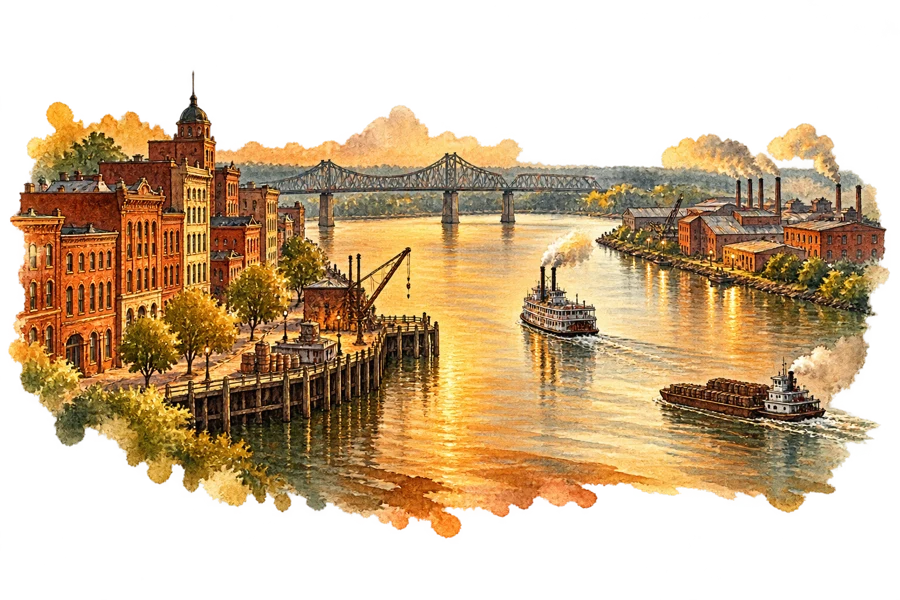
The brand identifies this stretch as its earlier home on Main Street. These were merchant and warehouse premises, not the modern visitor distillery. Returning to the address later would connect a new production facility with an older commercial story.[3][17]
1897
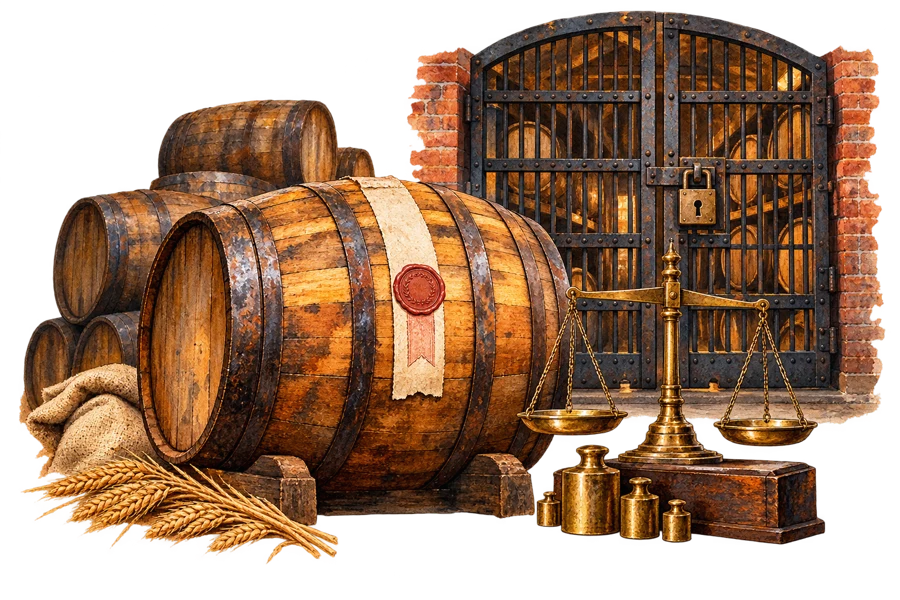
A stronger quality framework
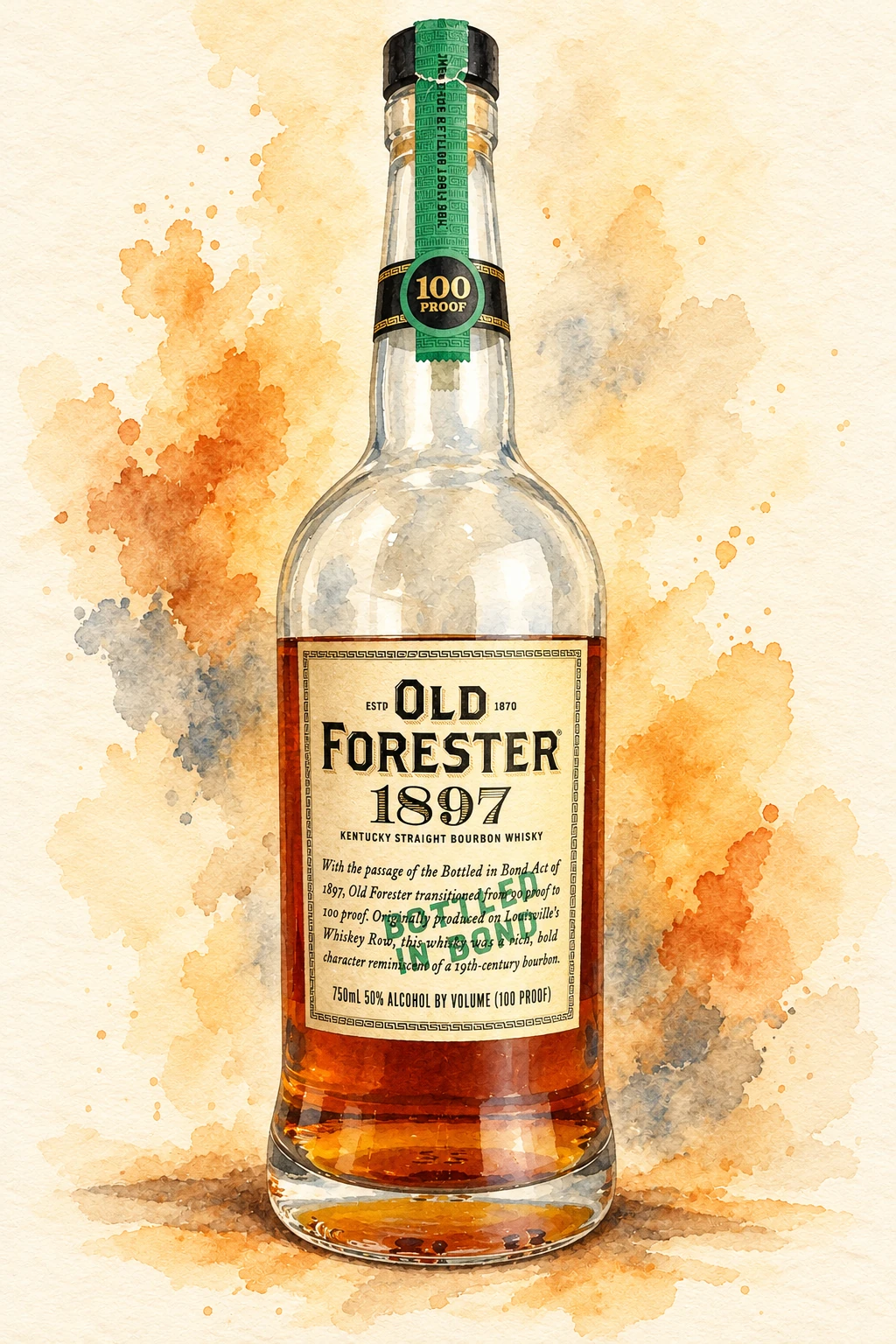
Bottled-in-bond becomes a defining reference point. Today’s 1897 expression connects Old Forester’s sealed-bottle identity to a more specific production and maturation framework, bottled at 100 proof.[8]
1901–1902
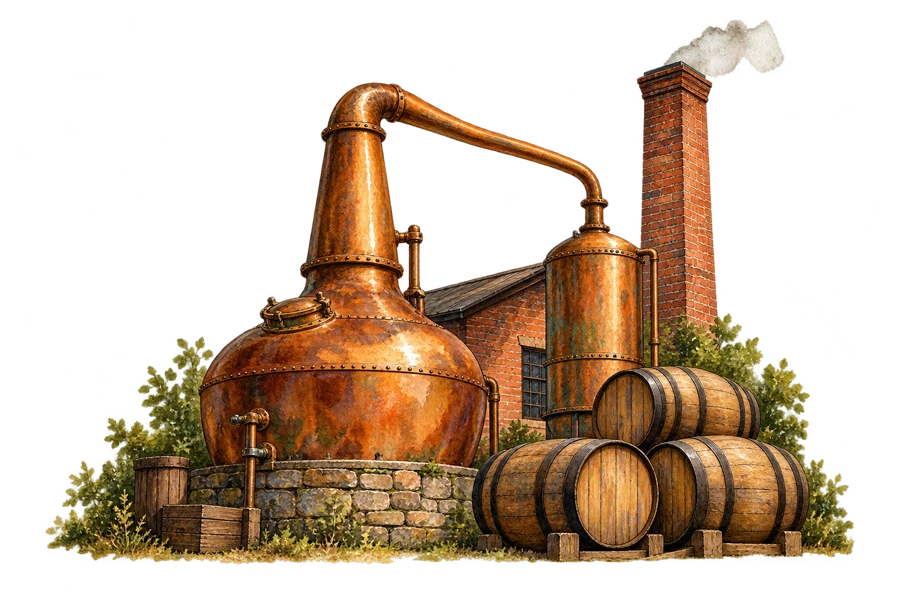
From supplier to owned distillery
Brown-Forman incorporates and acquires B.F. Mattingly, one of its suppliers. Company sources disagree by a year on the purchase. The larger change is clear: the merchant gains its own distilling operation.[1][2]
1910
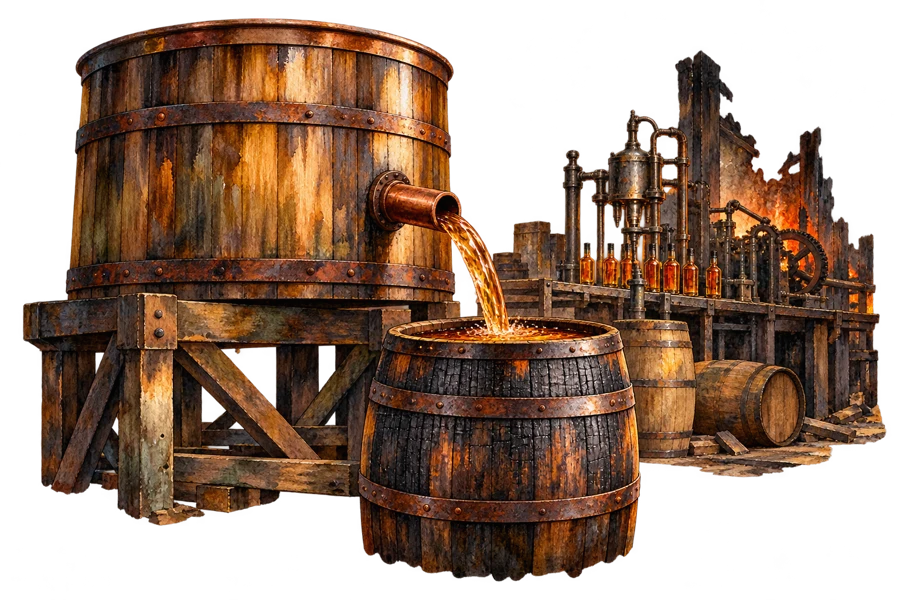
An interruption becomes inspiration
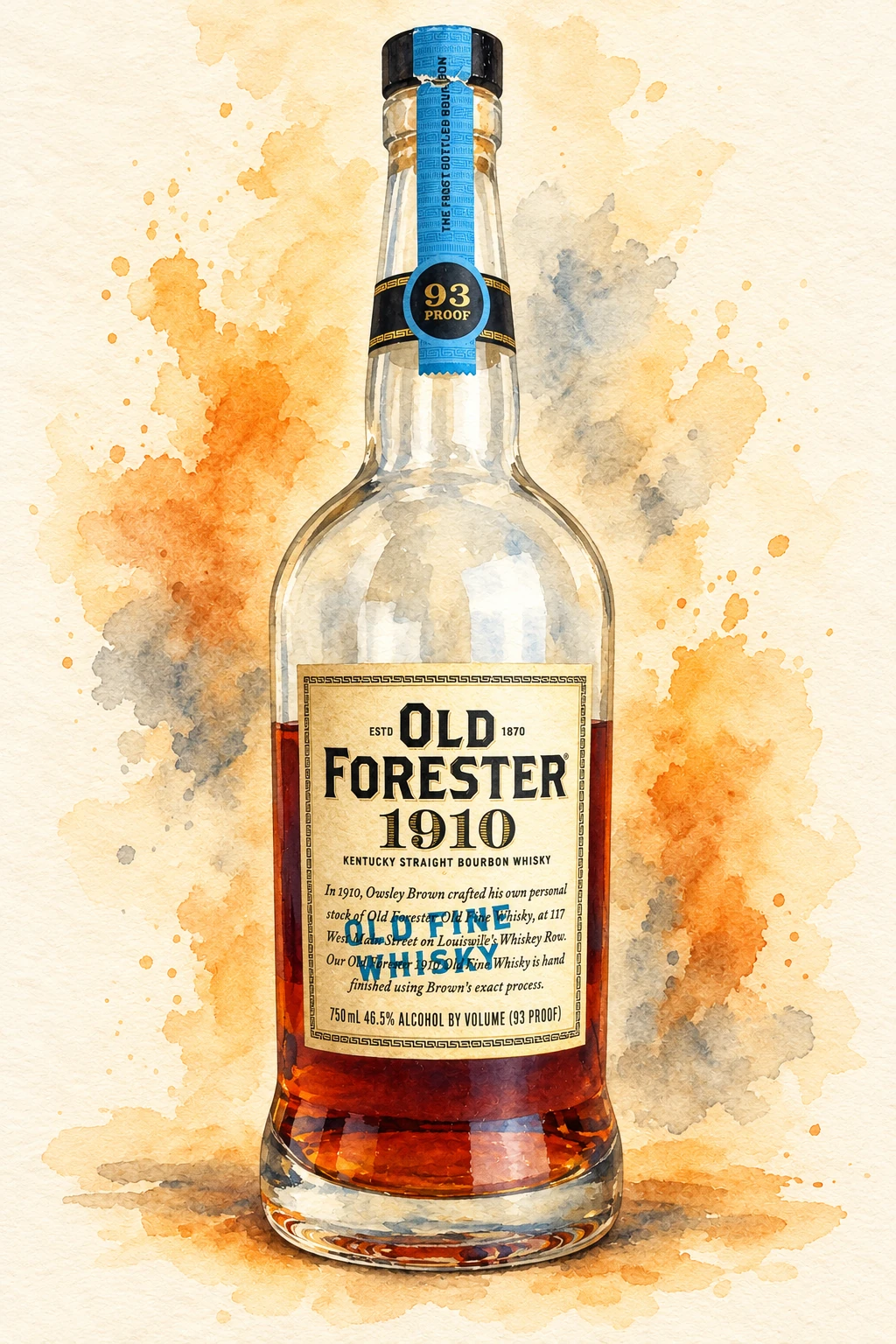
In the brand’s account, a bottling-line fire forces mature whiskey into a second barrel. The modern 1910 expression revisits that episode through deliberate secondary maturation. It is a contemporary interpretation of an attributed origin story.[9]
1920–1933
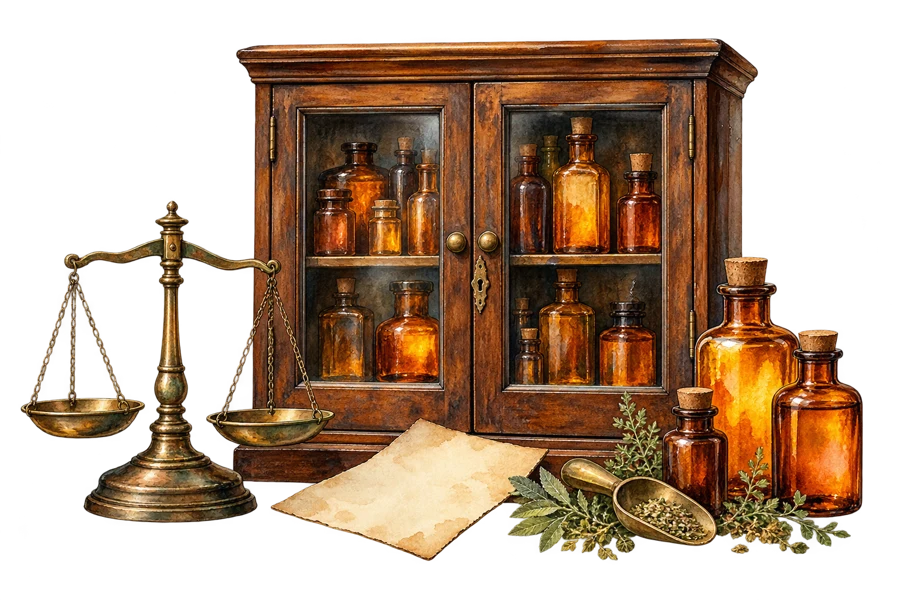
Surviving the dry years
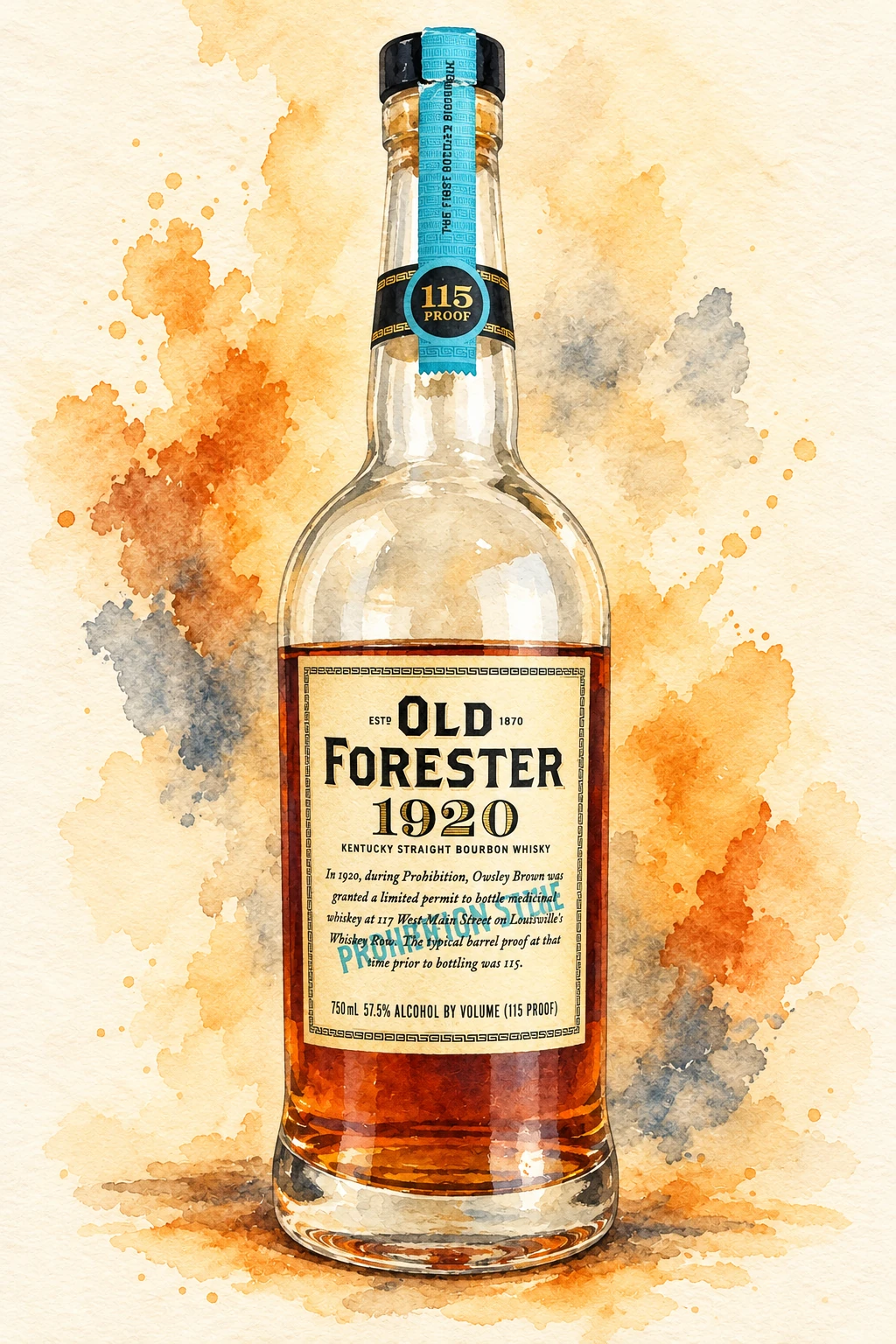
Medicinal whiskey keeps the company operating. The corporate history distinguishes a bottling license from later permission to replenish stocks by distilling in 1929. Continuous commercial survival does not mean continuous normal production.[2]
1940
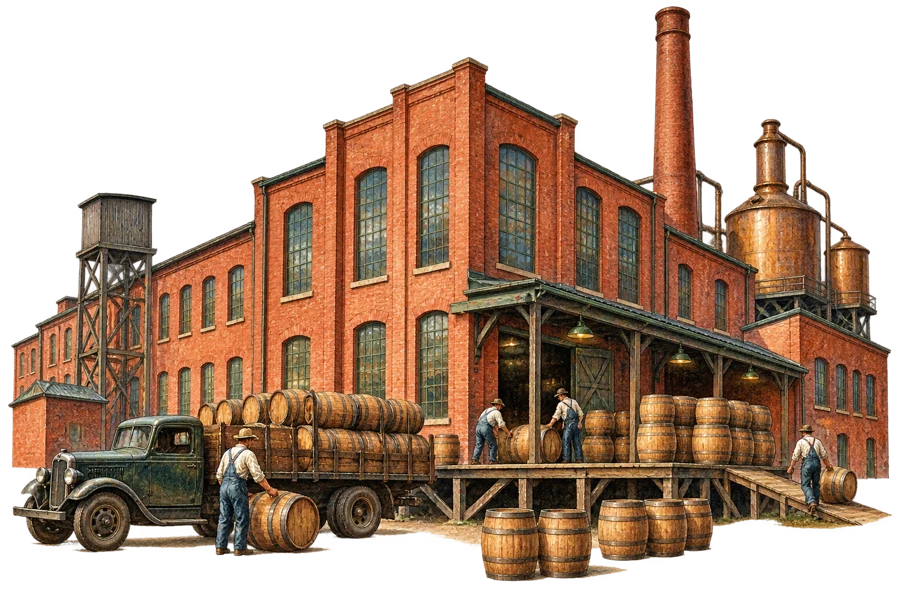
A larger production foundation
The acquisition of Old Kentucky Distillery establishes the basis of the Brown-Forman Distillery operation in the Louisville area. It also brings the Normandy Rye lineage into the company’s history, a connection revisited decades later.[3][12]
1941
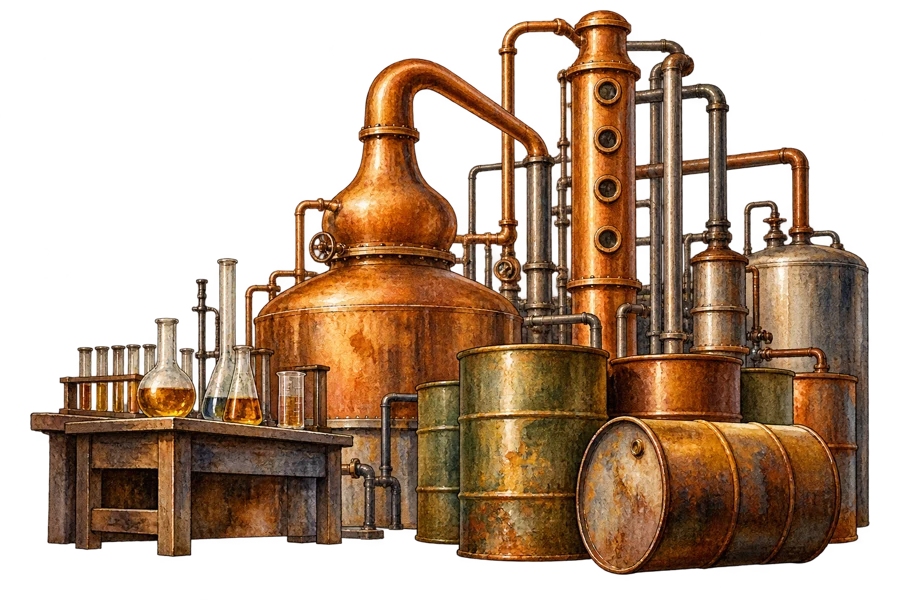
Production serves the war effort
Brown-Forman’s chronology records industrial-alcohol deliveries shortly after Pearl Harbor and conversion of its distilleries to wartime production. This is another reminder that a brand’s continuity can span very different uses of its equipment.[2]
1959
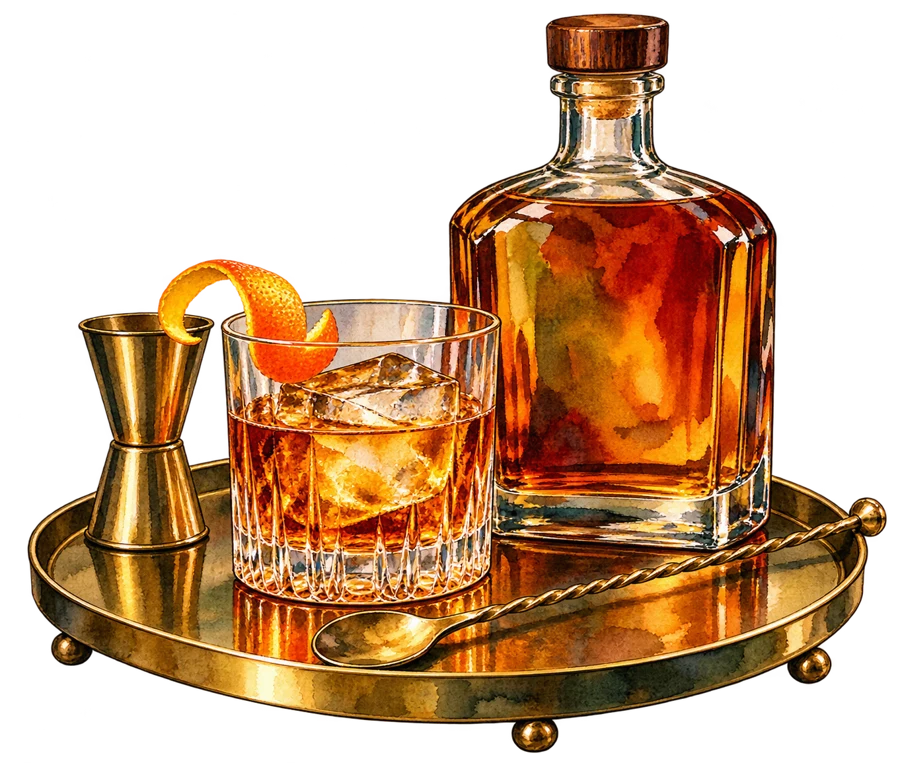
An 86-proof direction
Old Forester adds an 86-proof expression as cocktail culture grows. The change shows a long-running brand adapting its presentation to how people drink, while retaining more robust expressions elsewhere in the range.[1]
1960s
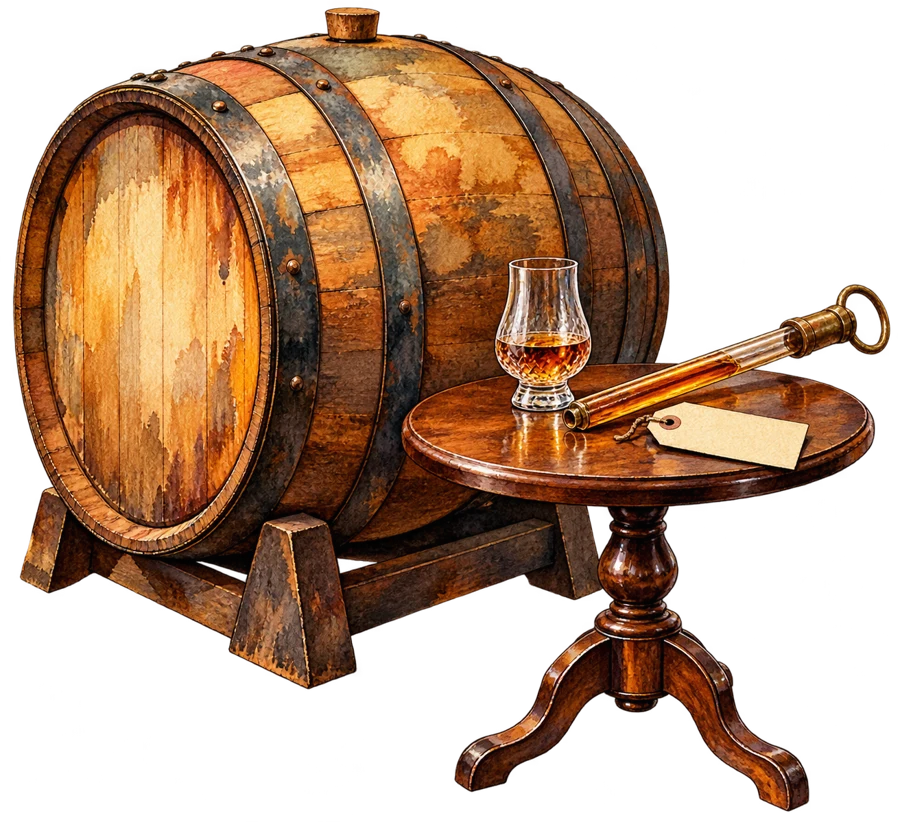
A president’s personal selection
President’s Choice turns the preference of a company leader into a single-barrel story. Official sources cite 1962 and 1964, so the decade is the reliable level of precision here. Its later revival draws on those earlier selections.[1][14]
Early 2000s
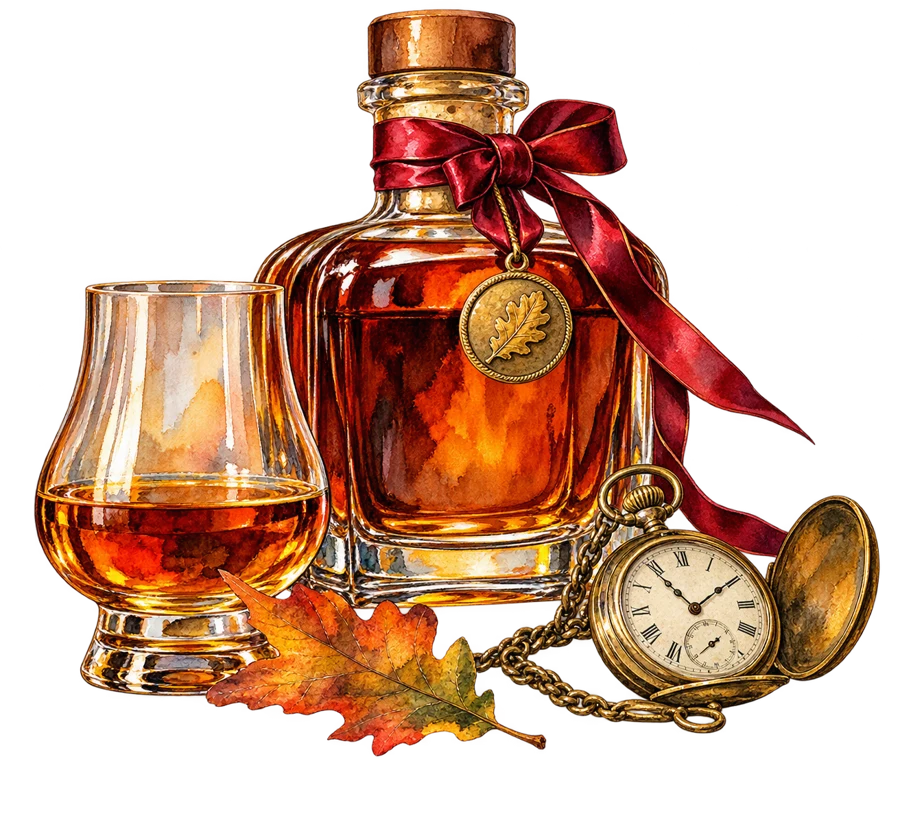
A birthday becomes an annual release
Birthday Bourbon develops into a recurring tribute to the founder. The legacy timeline gives 2002, while dated release announcements count editions differently. The tradition matters more than forcing the conflicting numbering into an unsupported launch year.[1][15][16]
2014
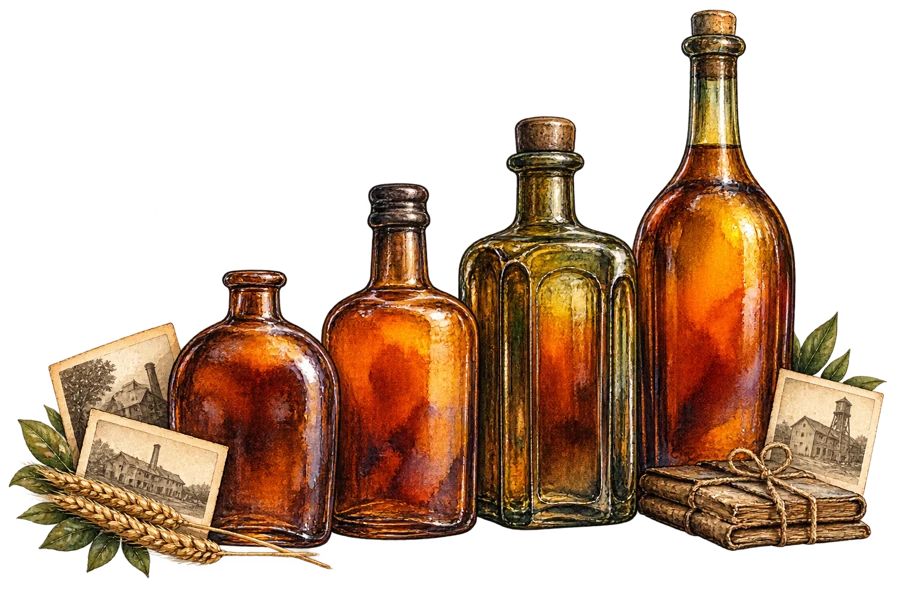
History becomes a tasting series
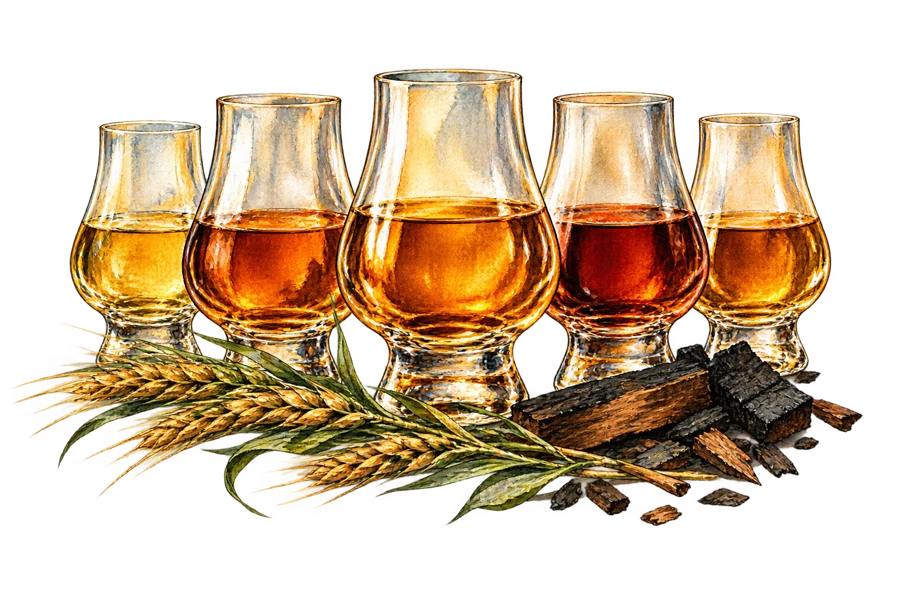
The Whiskey Row Series begins. Its dates name historical reference points, not bottling years or age statements. The original sequence will eventually expand, using different proofs and production choices to tell distinct chapters.[1][13]
June 2018
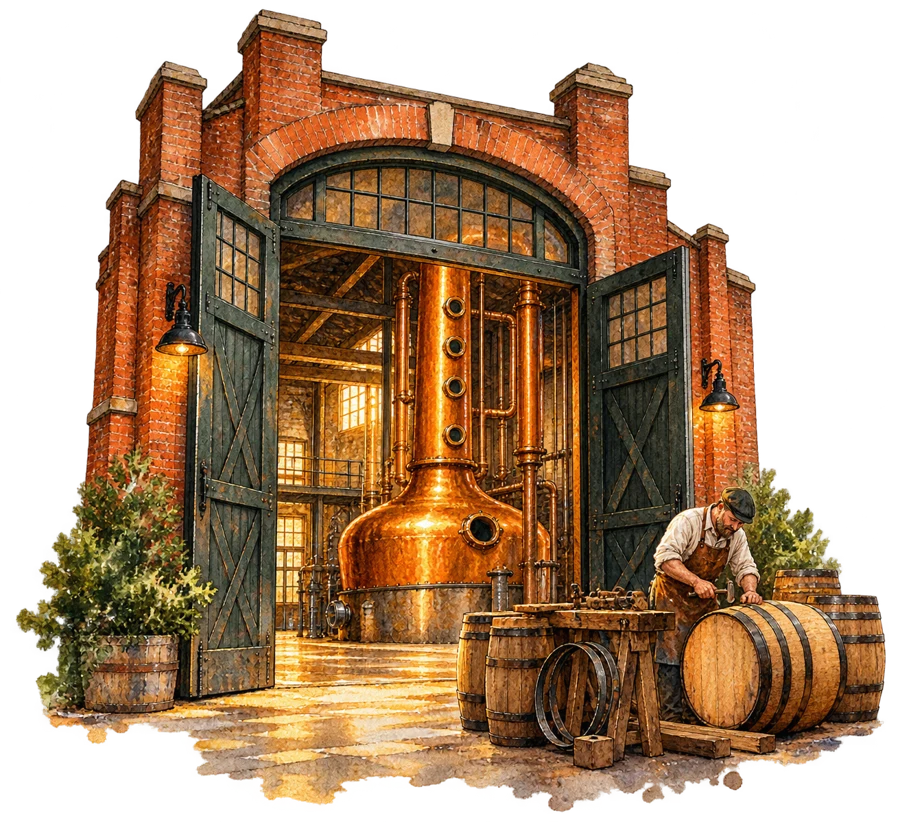
The downtown homecoming
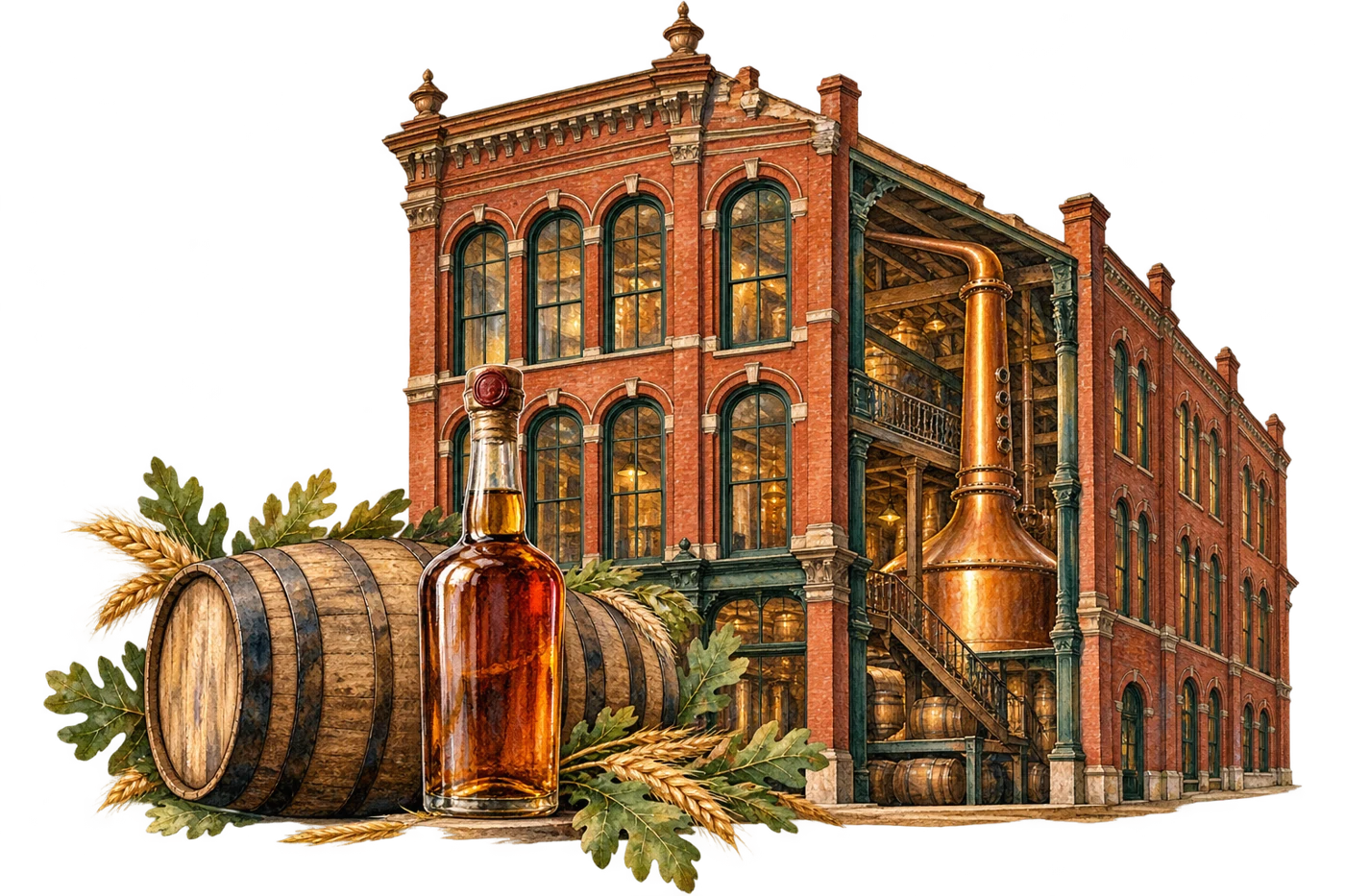
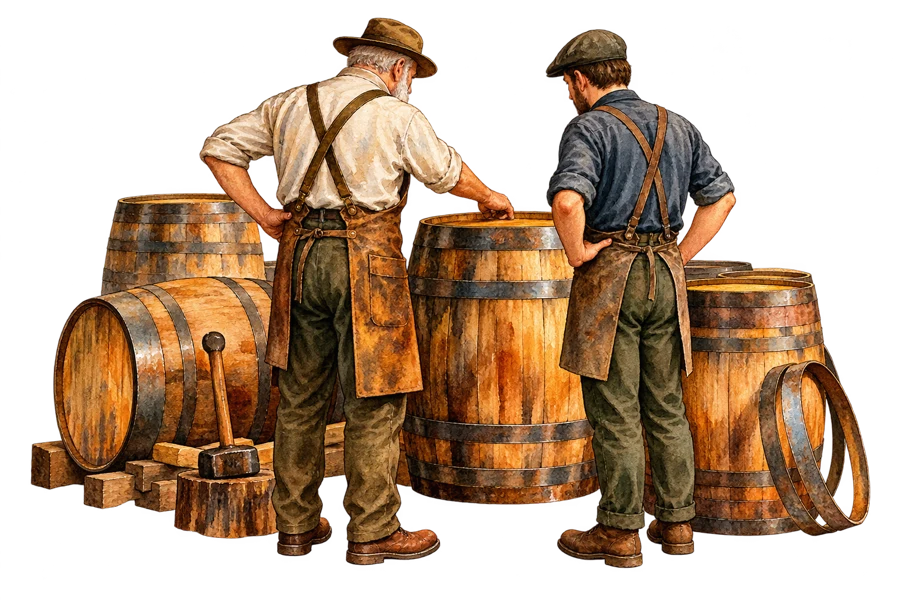
The new distillery opens at 119 West Main Street. Fermentation, distillation, coopering, maturation and bottling are brought into an urban visitor experience. A historic business address now houses a distinctly modern way of sharing the craft.[4][5]
2019
Rye joins the family
A new rye recipe draws inspiration from Normandy’s historic formula: 65% rye, 20% malted barley and 15% corn. At 100 proof, it creates another branch of the portfolio rather than a variation in bourbon proof alone.[12]
2021
A smaller stage for experiments
The 117 Series launches with High Angels’ Share. Its small releases can investigate a warehouse, a maturation choice or an unusual selection. The address supplies the name; experimentation supplies the reason to return.[17]
November 2022
A new master taster
Melissa Rift joins Old Forester after building experience in whiskey education and single-barrel programs. Her appointment places communication and selection alongside the brand’s long technical production history.[6]
2024
The family gains another recipe
1924 extends Whiskey Row with a ten-year, 100-proof bourbon using a different grain recipe. Soon afterward, Caleb Trigo is named assistant master distiller. New expressions and technical succession move the story forward together.[7][13]
Original watercolor interpretations accompany the history. Buildings, objects and scenes are symbolic, not documentary reconstructions.