A farming origin
John and Michael Shenk established a gristmill and distillery beside Pennsylvania’s Snitzel Creek in 1753. The National Park Service traces its shift from farming toward commercial distilling.[1]
Last updated Last researched
Pennsylvania heritage, 1753 / Louisville, Kentucky today
Pennsylvania roots. A Kentucky revival. Whiskey shaped by deliberate choices.
Michter’s tells two connected stories: a Pennsylvania whiskey lineage beginning with a farming distillery in 1753, and a revived Kentucky business built around carefully selected American whiskey. Its identity lives in that bridge between remembered names, working copper and patient decisions in the rickhouse.[1][10]
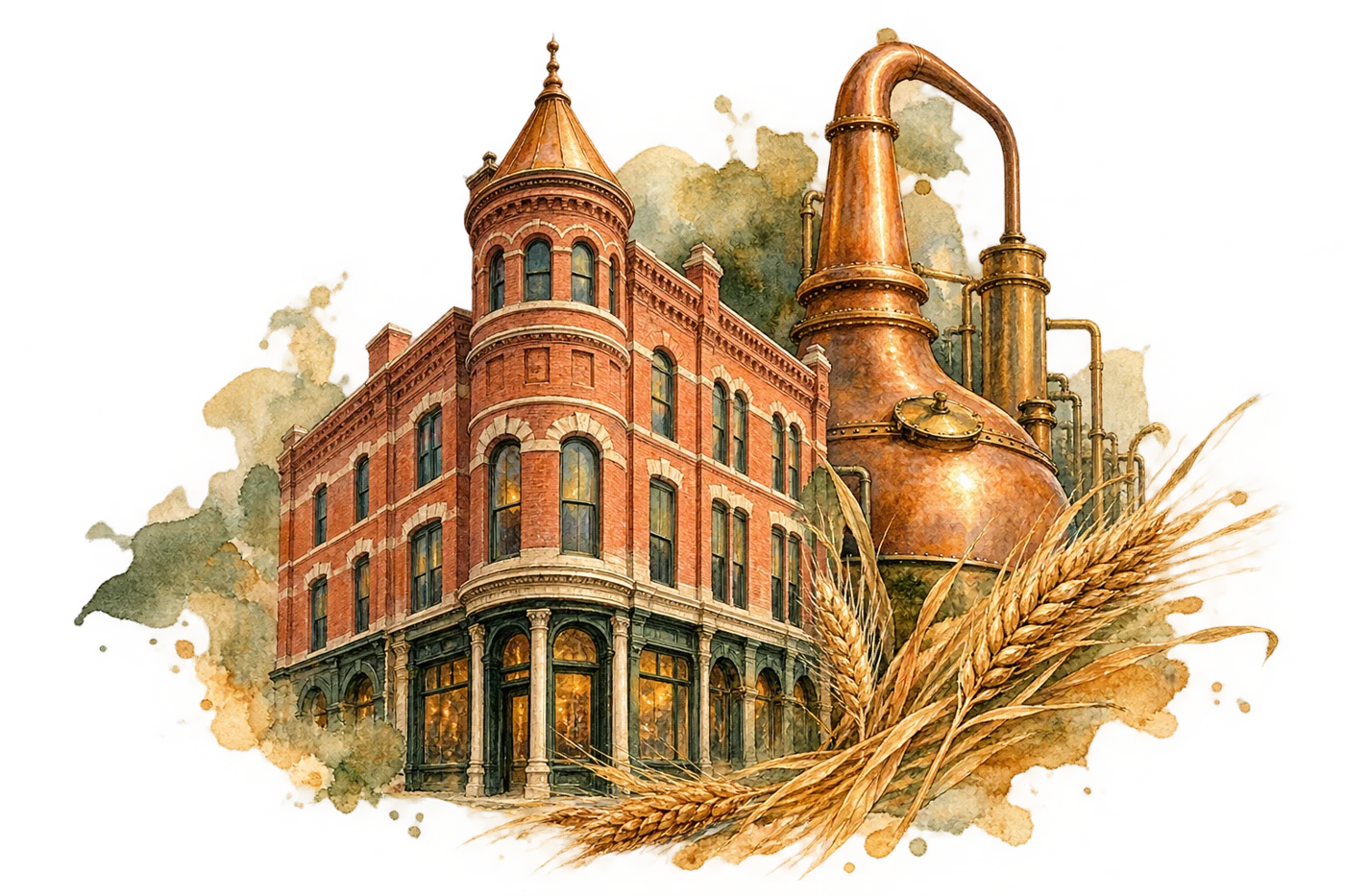
John and Michael Shenk established a gristmill and distillery beside Pennsylvania’s Snitzel Creek in 1753. The National Park Service traces its shift from farming toward commercial distilling.[1]
The modern Kentucky operation is a revival of the Michter’s name and heritage. It should be read through its own facilities and leadership rather than as one uninterrupted Pennsylvania distillery. The distinction helps explain why a very old date appears beside a comparatively young Kentucky production story.[10]
Michter’s president also leads parent company Chatham Imports. With consultant and mentor Dick Newman, he helped bring the abandoned name back in the 1990s.[3][2]
The current Master Distiller trained at Jim Beam and Booker Noe before Michter’s. His work spans production, the Kentucky facilities and grain planning with local farmers.[3]
Master of Maturation and Chief Operating Officer, Wilson oversees the choices that follow distillation: barrel specifications, maturation conditions, filtration and innovation. Her role gives oak and time an explicit place in leadership.[3]
Heilmann is Master Distiller Emerita; Bell is Distiller and Vice President of Production. Their current titles represent the continuation of a production team rather than a single-person authorship of the whiskey.[3]
Follow the Pennsylvania lineage, the break in operations and the revived Kentucky business. Heritage, facility and leadership dates tell different parts of the story.
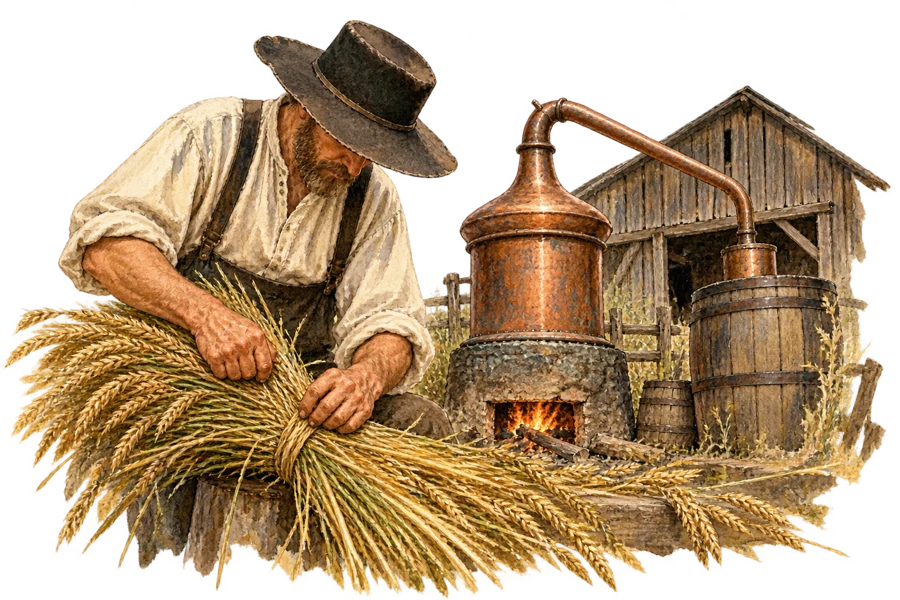
John and Michael Shenk establish the Pennsylvania mill and distillery. Rye and surplus farm grain connect the early spirit to its agricultural setting.[1]
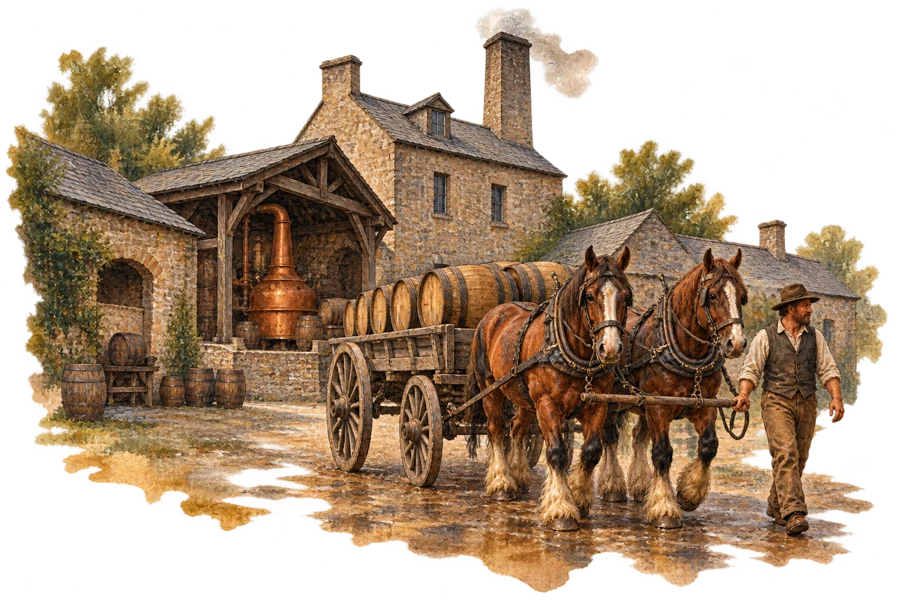
The National Park Service dates the Bomberger family’s acquisition to 1861. Their name becomes one of the enduring identities attached to the Pennsylvania site.[1]
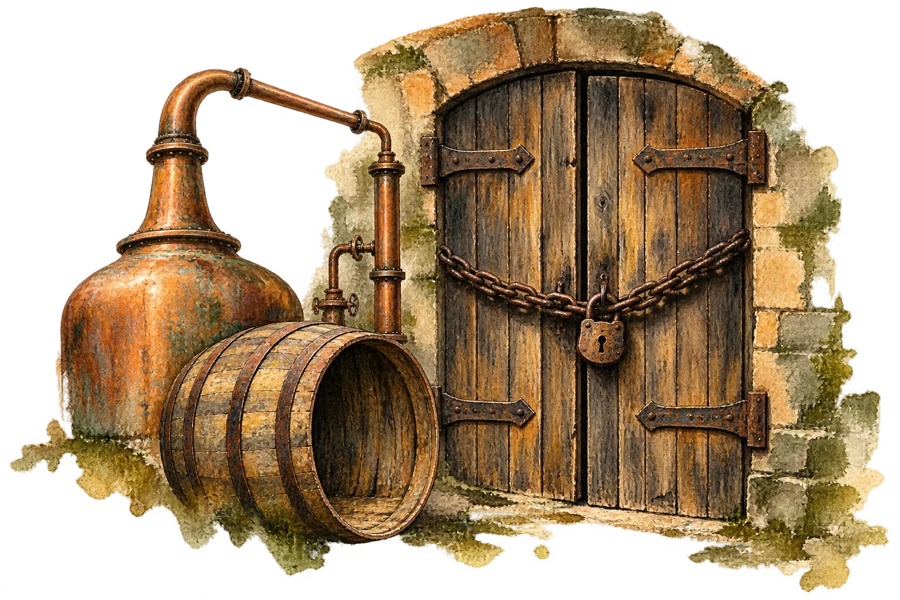
The Pennsylvania operation closes in the Prohibition era. The interruption is part of the lineage; an early origin date does not mean continuous whiskey production.[1]
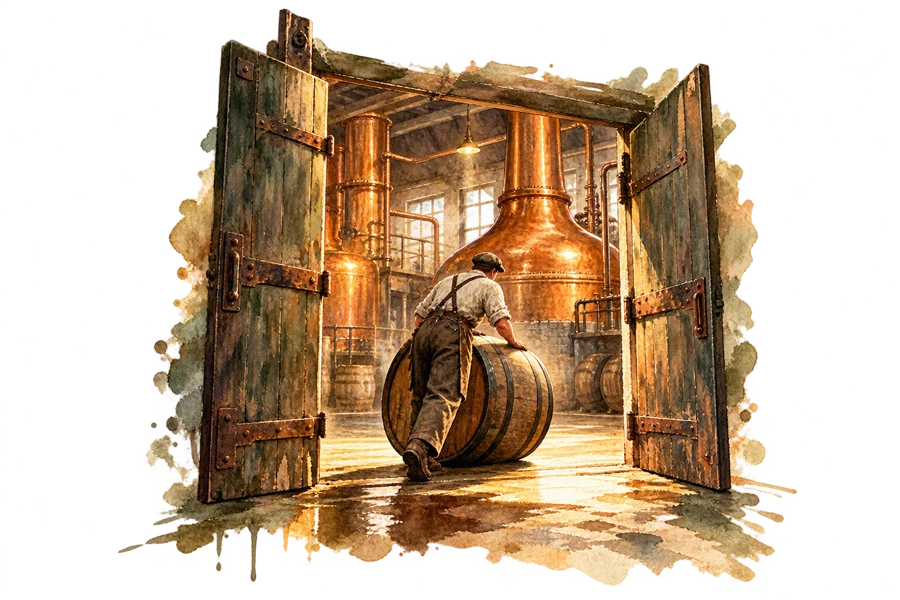
Following repeal, distilling resumes in Pennsylvania, but ownership changes and financial strain continue. Revival is a recurring theme long before the Kentucky chapter.[2]
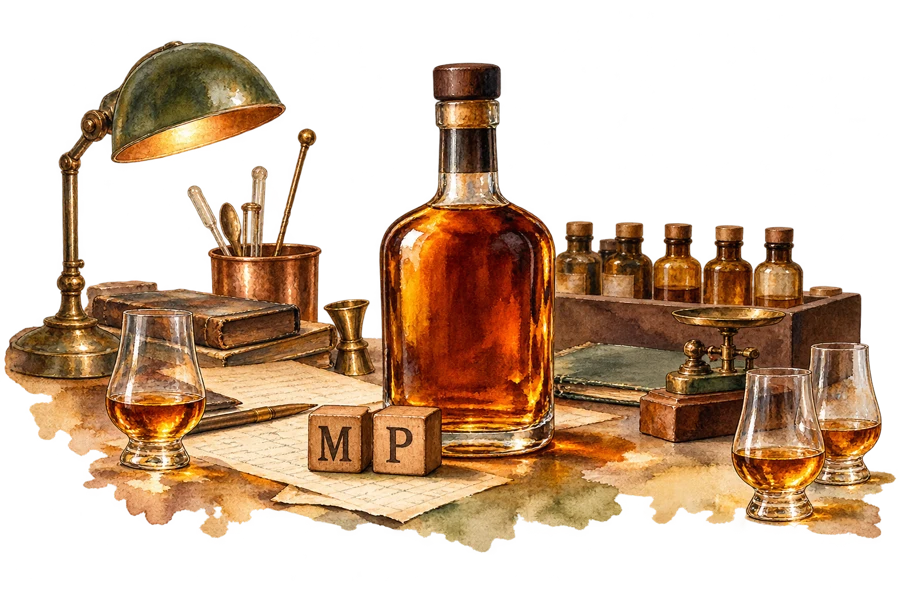
Lou Forman creates the Michter’s name from portions of his sons’ names, Michael and Peter. The name is twentieth-century, even though the heritage reaches much further back.[2]
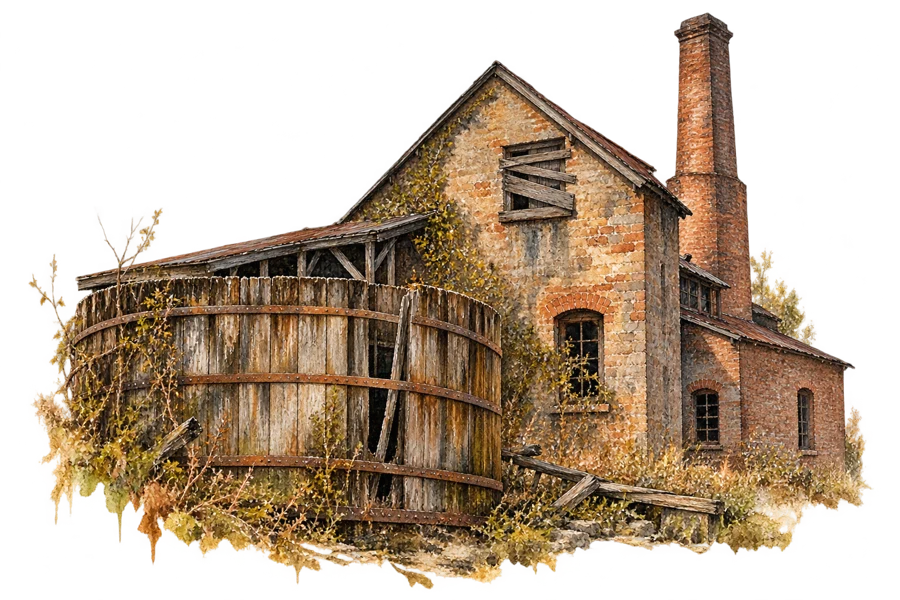
Bankruptcy closes the old operation and leaves the premises abandoned. The modern company’s story begins with this break, rather than an uninterrupted transfer of a working distillery.[2]
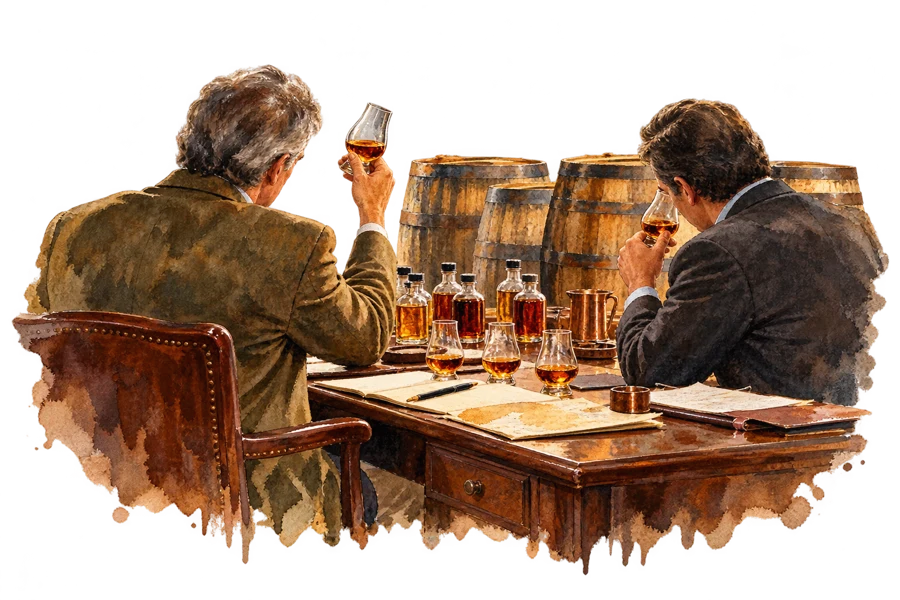
Magliocco and Dick Newman revive the abandoned brand. Their chosen home is Kentucky, drawing on its whiskey expertise and resources.[10]
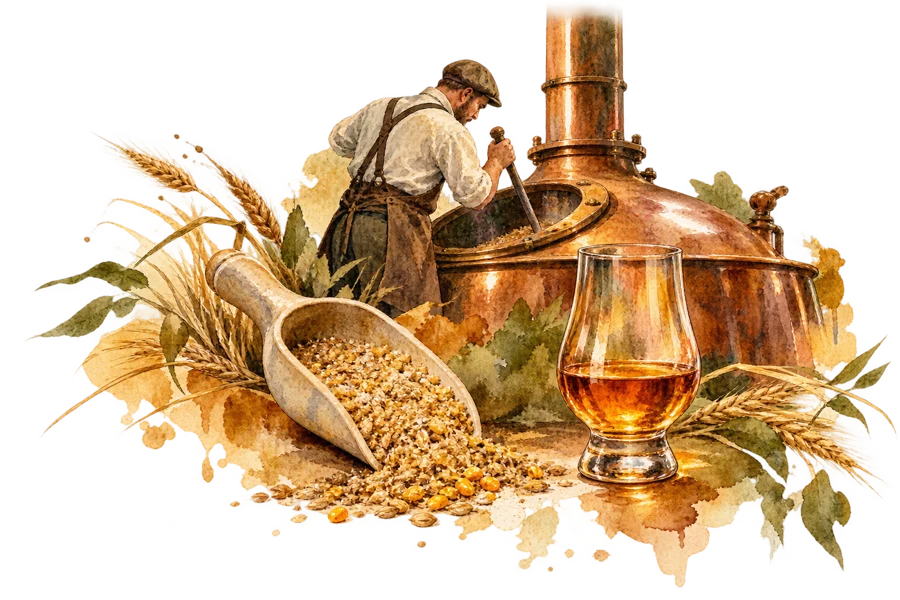
US★1 Sour Mash brings back a name absent from the market since 1989. Its grain selection places it outside both bourbon and rye categories.[8]
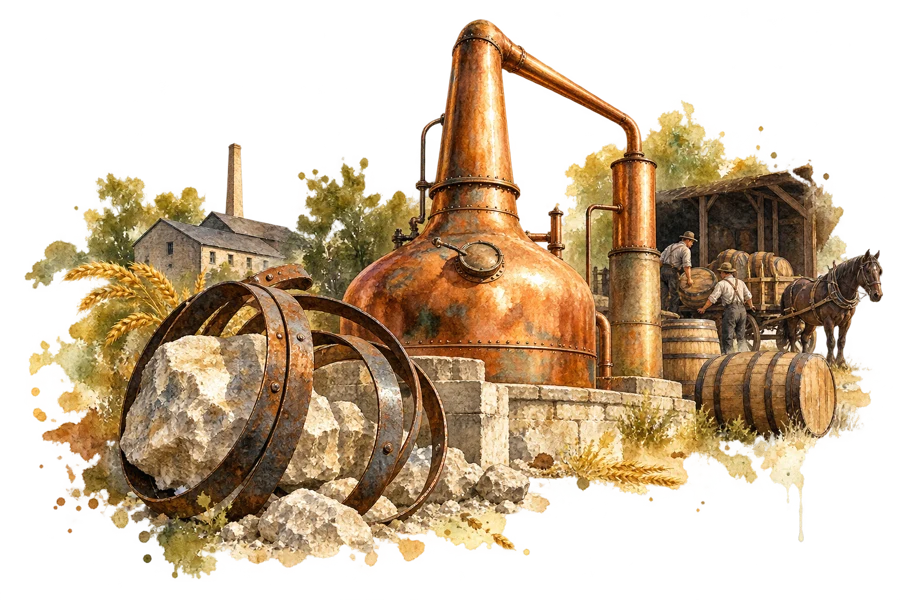
Michter’s joins the Kentucky Distillers’ Association as its first Proof-level member. The membership marks the revived business’s growing place in the state’s industry.[9]
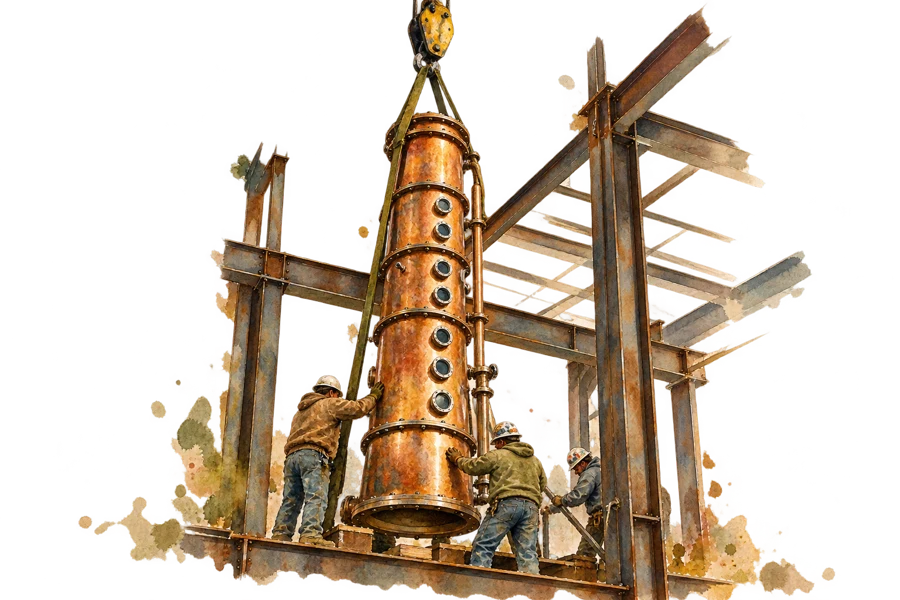
A custom 32-inch copper column and 250-gallon pot doubler are installed at Shively. This is an equipment milestone, distinct from the founding date of the revived brand.[10]
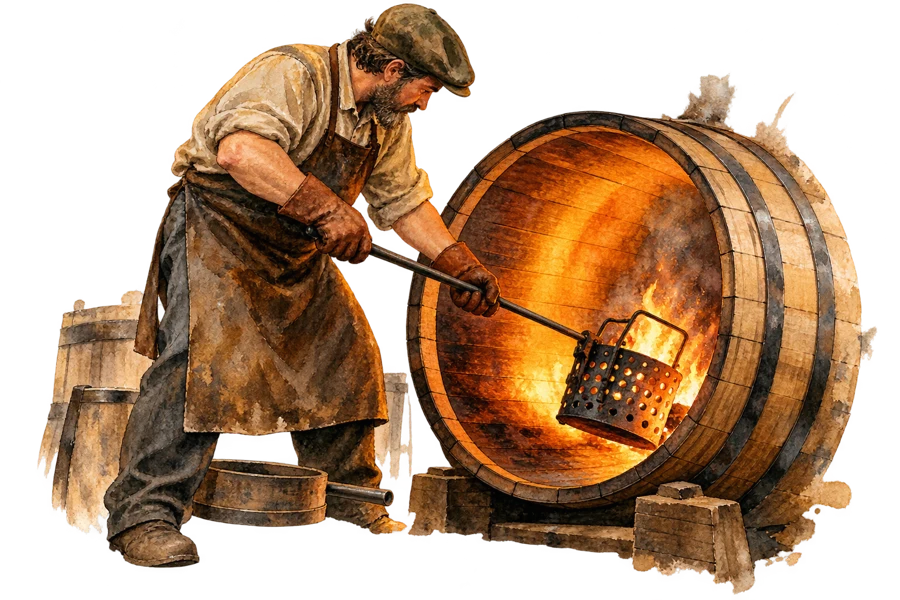
Toasted Barrel Finish Bourbon debuts. Mature bourbon enters a second barrel that is toasted rather than charred, making oak treatment the focus of the finish.[11]
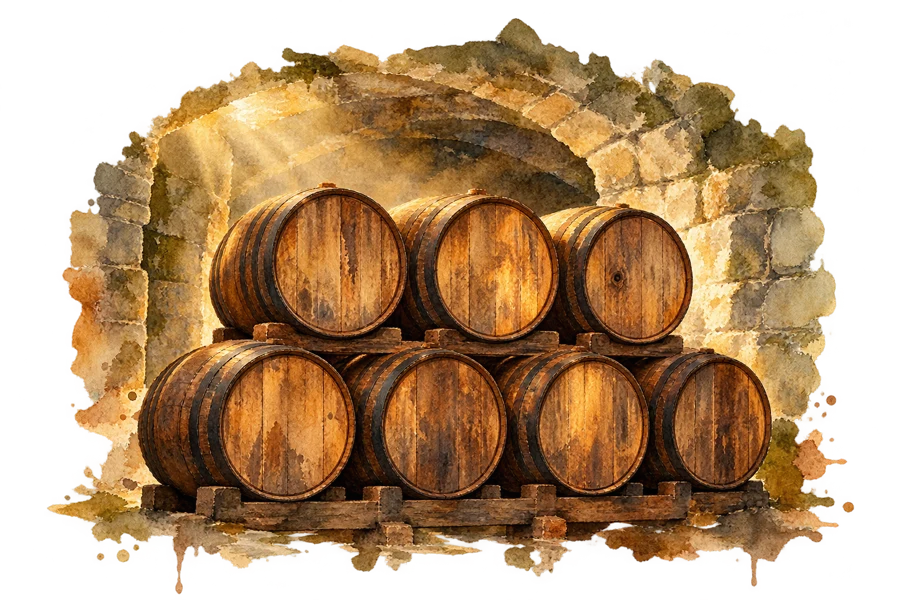
Michter’s becomes the KDA’s seventh Heritage member, the first new member at that level since 1982. The designation reflects its Kentucky investment and aging stocks.[10]
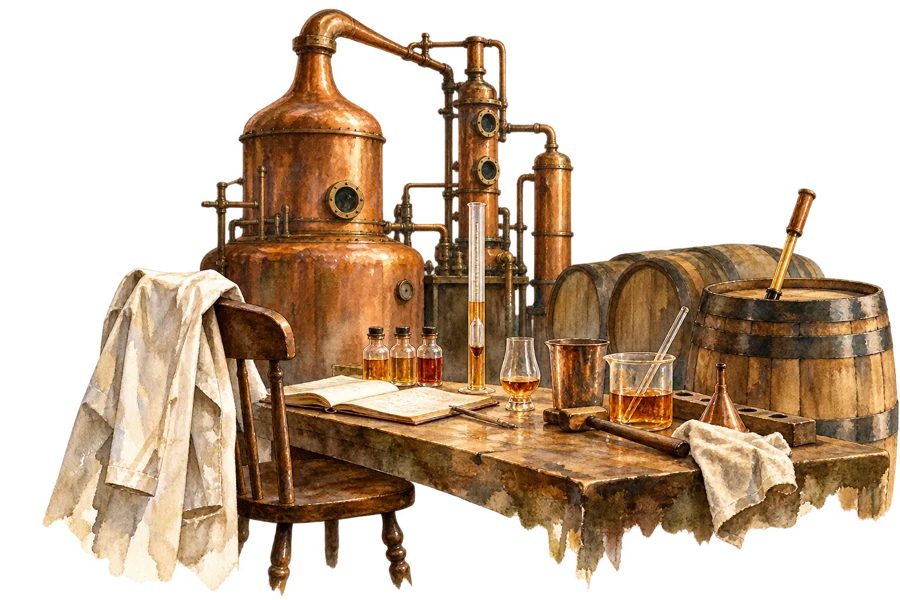
Pamela Heilmann succeeds Willie Pratt as Master Distiller. Andrea Wilson adds Master of Maturation, while Dan McKee advances to Distiller.[12]
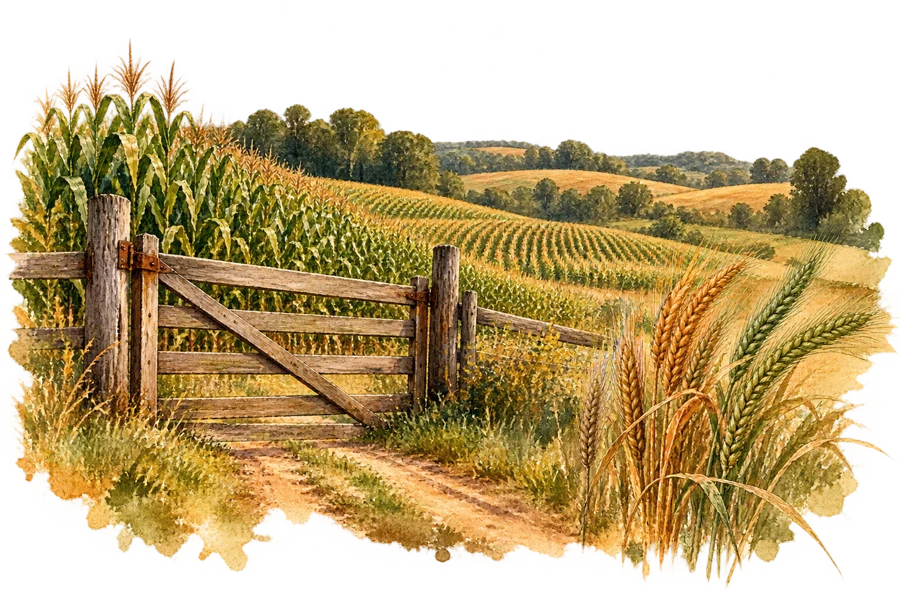
Land acquisition begins the Springfield agricultural chapter. The company works with local farmers on estate corn, rye and barley; today it describes the property as 205 acres.[5]
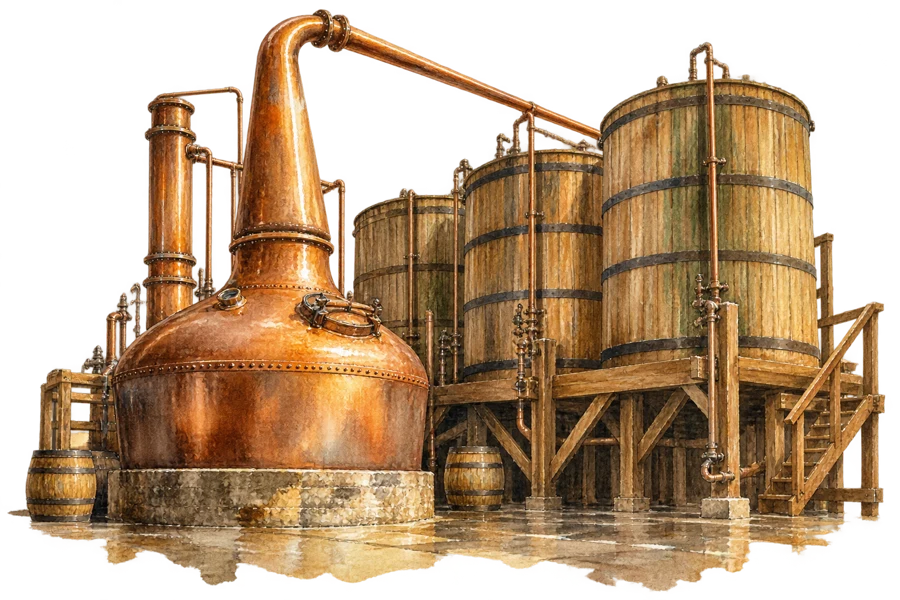
The opening celebration is January 31, with public tours scheduled from February 2. Restored Pennsylvania pot-still and cypress-fermenter equipment connects the visitor distillery to the earlier chapter.[13]
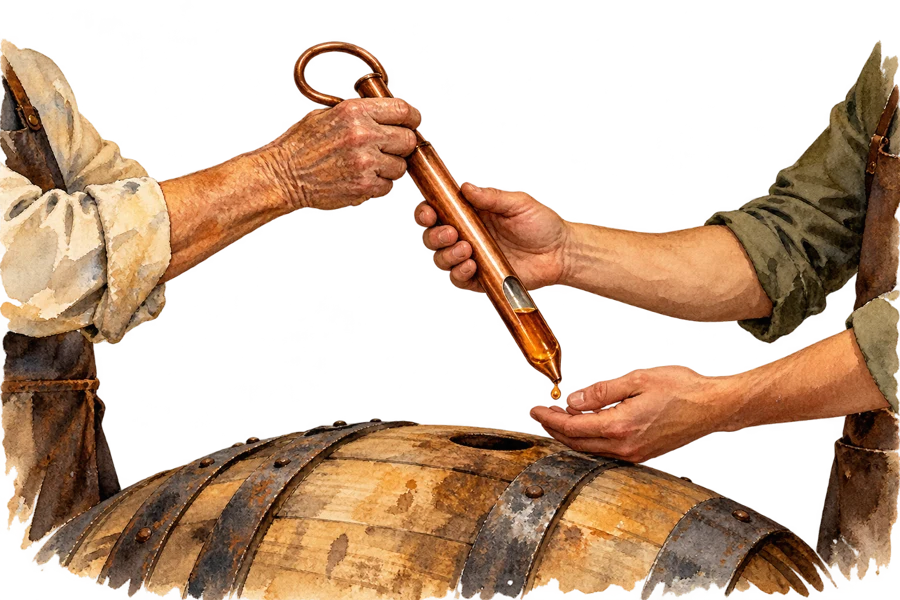
Dan McKee becomes Master Distiller on May 1 as Heilmann retires from full-time work and becomes Emerita. Matt Bell advances to Distiller.[14]
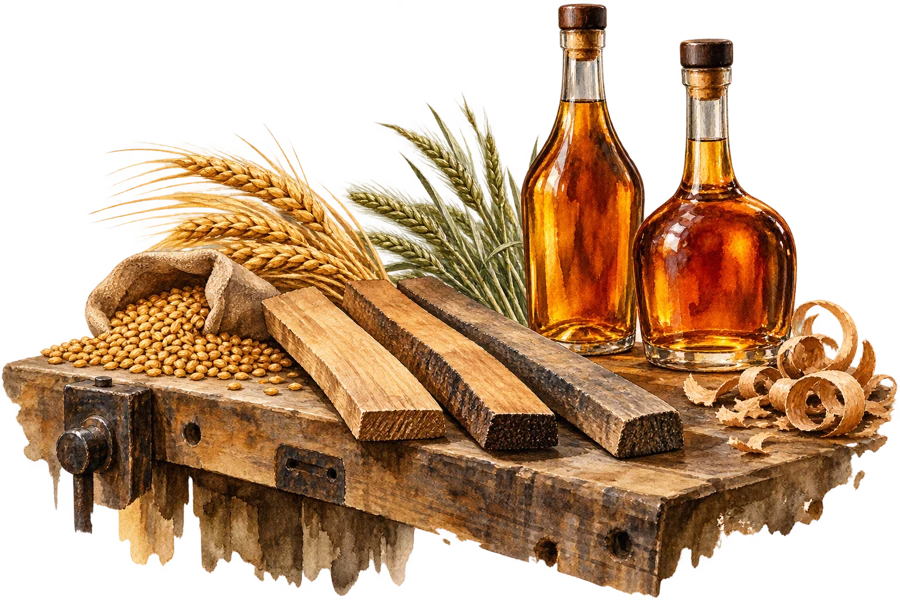
The latest Shenk’s and Bomberger’s announcements emphasize changing grain and oak choices. Historical names frame contemporary experiments rather than fixed recipes carried unchanged through centuries.[19]
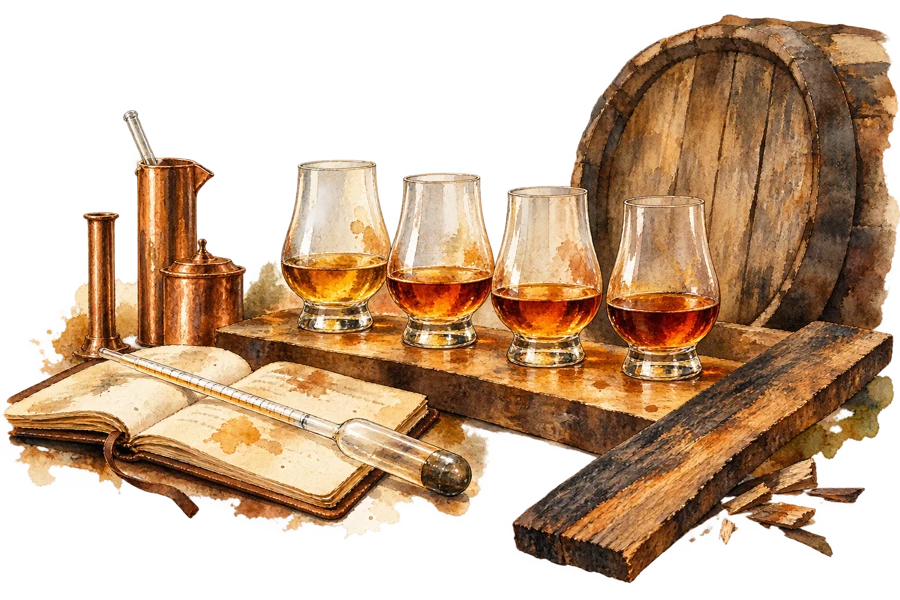
Original watercolor interpretations accompany the history. Buildings, objects and scenes are symbolic, not documentary reconstructions.
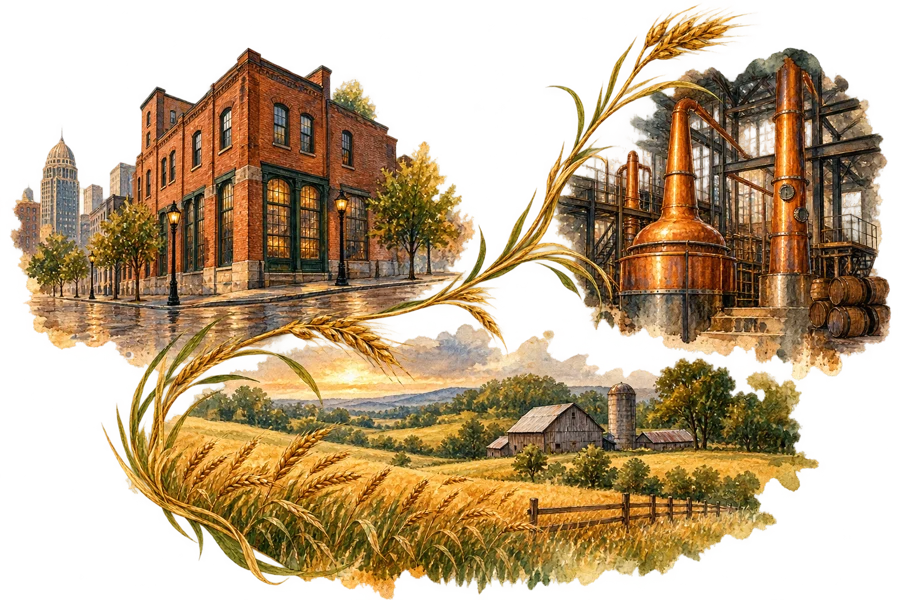
The historical origin is a Pennsylvania mill-and-distillery site. It supplies the lineage, former names and surviving equipment in the story; it is not the present Kentucky production address.[1][13]
The working production and bottling home is now described as 88,674 square feet on 14.3 acres. It houses the column-and-doubler system, small pot stills, processing and bottling.[4]
At 801 West Main Street, the visitor-facing distillery and bar bring whiskey into Museum Row. It is a working distillery with a hospitality role, distinct from Shively’s larger production footprint.[6]
The current 205-acre farm and operations add an agricultural dimension. Estate grain is intended for both Kentucky distilleries; that is not a claim that every release is entirely estate-grown.[5]
Understand the modern company, its whiskey families and the historical names that still appear on its labels.
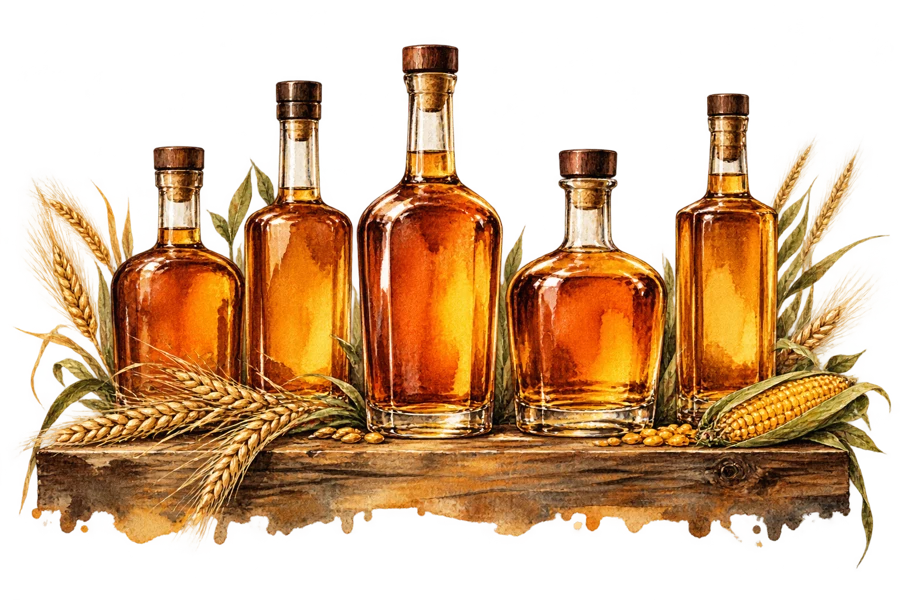
The company team page identifies Magliocco as president of Michter’s and its parent Chatham Imports. This is the modern corporate relationship behind the whiskey family.[3]
Bourbon, single-barrel rye, American whiskey and Sour Mash form four distinct entry points. US★1 is a family name, not one uniform recipe or barrel format.[20]
Shenk’s Homestead and Bomberger’s Declaration recall earlier Pennsylvania names. They are contemporary Kentucky releases, with editions that may vary from year to year.[19]
Ten-year and older whiskeys, barrel-strength releases, toasted finishes and Celebration Sour Mash expand the range. A portfolio page describes the family; it cannot promise that a scarce bottle is available today.[20]
Newman’s background included National Distillers and Austin Nichols/Wild Turkey. That career connection explains experience brought to the revival; it does not establish current common ownership with those brands.[2]
Grain, fermentation, distillation and oak shape the whiskey. Follow each production choice and keep specifications tied to the expression named.
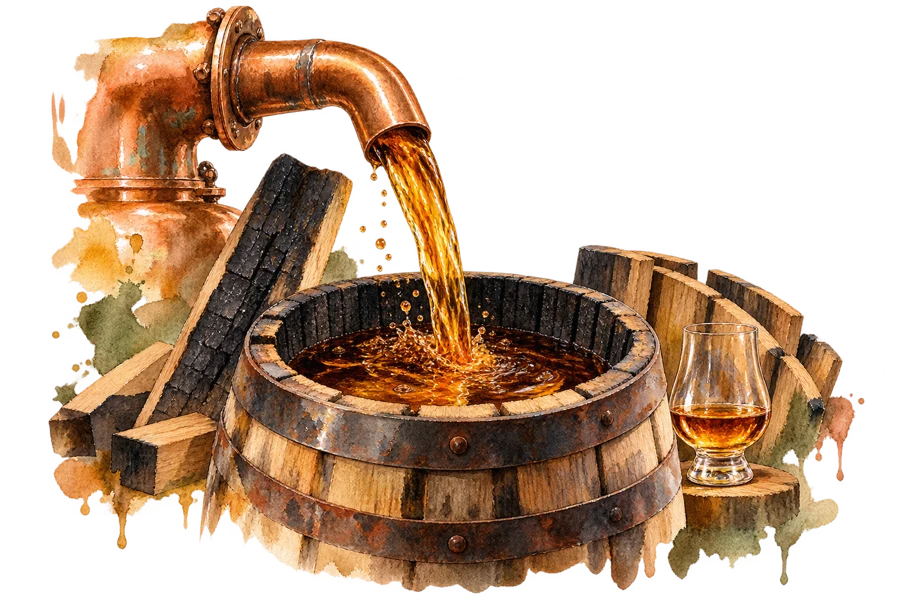
Shively uses US-sourced, non-GMO USDA Grade #1 grain. Delivery samples, laboratory analysis and sensory assessment connect agricultural material to production decisions.[4]
Shively’s copper column is 46 feet tall and 32 inches across, followed by a 250-gallon pot doubler. The system gives the larger plant a different production setting from Fort Nelson’s historical pot equipment.[4][13]
The company specifies oak air-seasoned for 18–60 months and toasts before charring. Wood preparation is part of the recipe.[7]
Michter’s states a 103-proof barrel-entry strength, or 51.5% ABV. Entry proof describes the spirit going into oak, not the eventual label strength.[7]
Warehouse warming and cooling extend interaction with oak during colder weather. The company accepts greater evaporation as part of this maturation approach.[7]
The stated small-batch maximum is twenty barrels; single-barrel releases remain distinct. Filtration is selected for each expression rather than treated as one uniform setting.[7]
Michael and Peter explain Michter’s more directly than a map does. The naming story places a family detail inside a brand whose public identity often begins with 1753.[2]
The company presents the Washington and Valley Forge whiskey story as Pennsylvania historical lore. It is an evocative tradition, not treated here as documented proof of a purchase by Washington.[2]
Fort Nelson was built in 1890 and purchased in 2012 in severely damaged condition. Its restoration gave Pennsylvania pot stills and cypress fermenters a working Kentucky setting. The physical connection is more precise than a claim of uninterrupted corporate continuity.[13]
The term describes using material from a previous fermentation to help start the next. Michter’s US★1 Sour Mash also names a particular whiskey whose grain selection is neither bourbon nor rye. The process term and product identity answer different questions.[8]
Fort Nelson tours connect whiskey making with maturation, filtration and historical equipment. The experience offers a way to ask how production choices change a glass; exact tours and pours should be checked before booking.[21]
A curated reading of the whiskey family, selected for its role in the story. This is not an exhaustive current catalog.
Single barrel at 84.8 proof. This is a useful introduction to the rye side of the family: one barrel identity at a consistent bottling strength.[15]
Small batch at 91.4 proof. The brand describes a holding tank with room for at most twenty full barrels, giving its small-batch language a concrete scale.[16]
Bottled at 83.4 proof and matured in bourbon-soaked American white oak. Its used-oak treatment helps explain why it occupies a separate place beside straight bourbon.[17]
An 86-proof small-batch whiskey with its own grain identity. The 2012 return connects a former Pennsylvania product name with the revived Kentucky range.[8]
The 2026 announcement gives 94.4 proof and describes selection beyond the ten-year threshold. Individual barrel readiness matters; an age statement is a minimum, not a promise that every barrel develops alike.[18]
Introduced in 2014, this expression takes matured bourbon into a second, toasted but uncharred barrel. It demonstrates finishing as a distinct stage after initial maturation.[11]
Shenk’s is 91.2 proof and Bomberger’s 108 proof. For 2026, the company describes caramel-malted barley and French/American oak for Shenk’s, and Chinquapin plus Hungarian oak for Bomberger’s. These details belong to that edition, not every historical bottle.[19]
5 physical bottle records connect this story to the collection. Each keeps its own proof, barrel, batch, pick and release details.
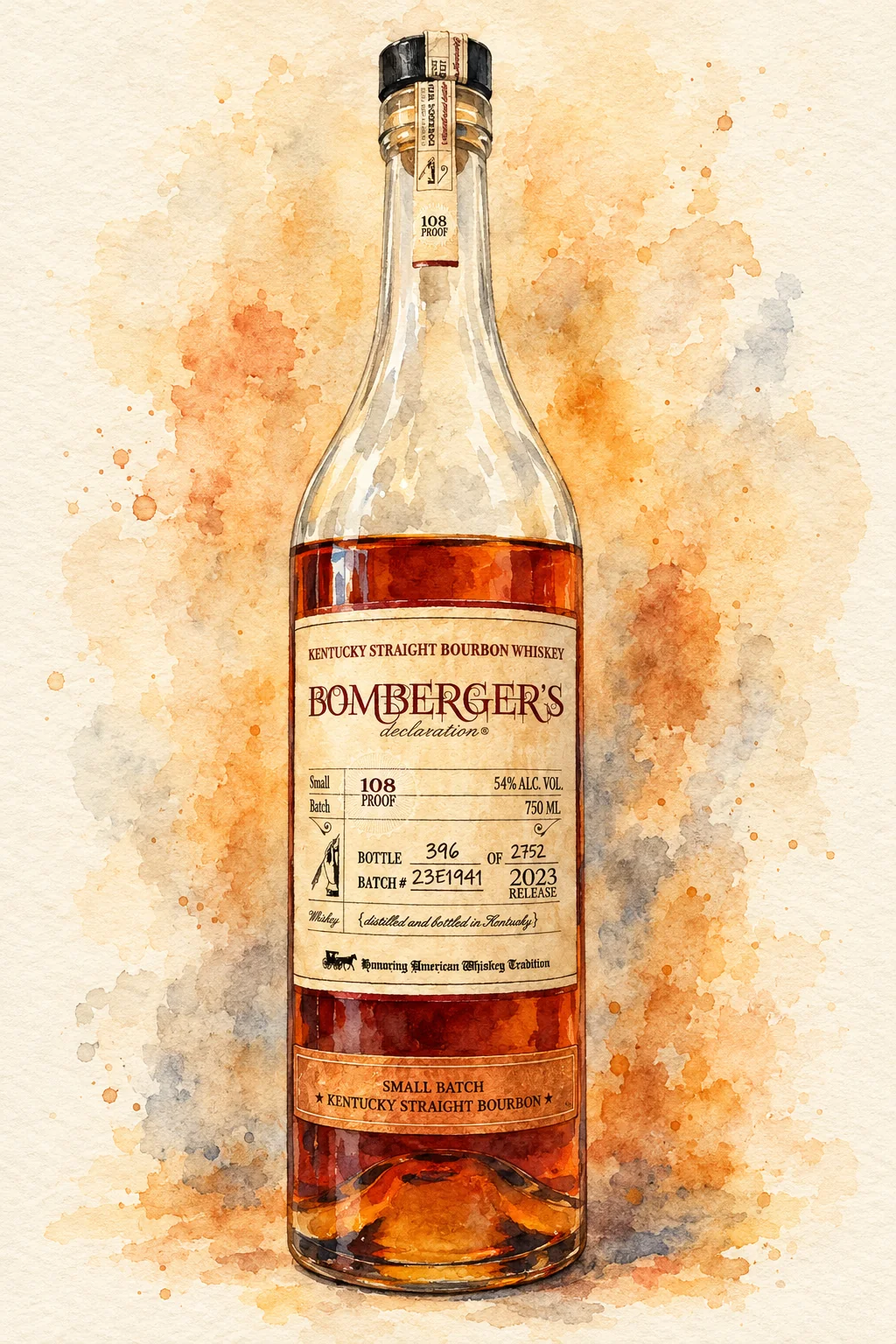
W0100 · 108 proof · Bottle 396/2752 · Batch 23E1941 · Bottled / release detail 2023
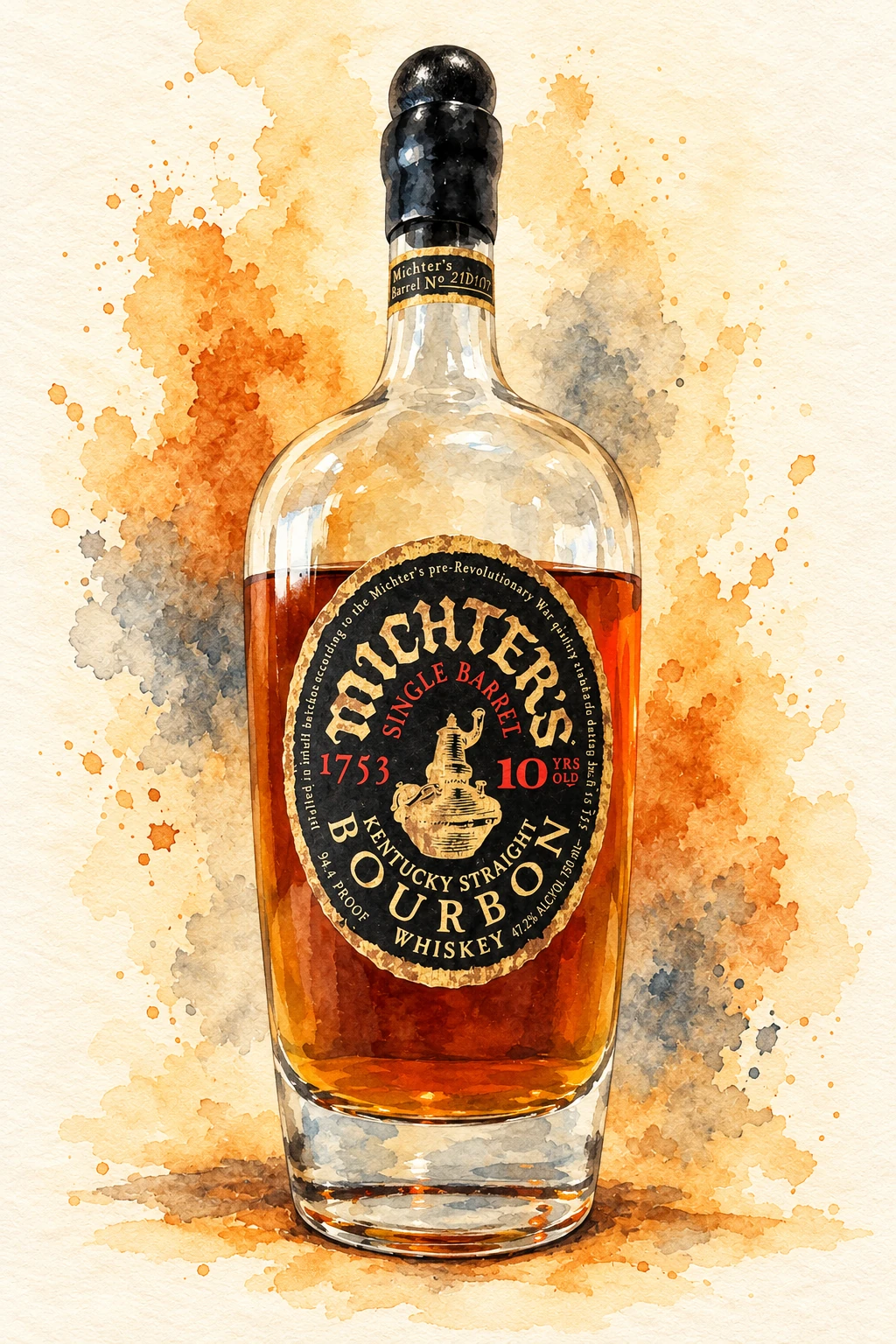
W0310 · 94.4 proof · Barrel 21D1107
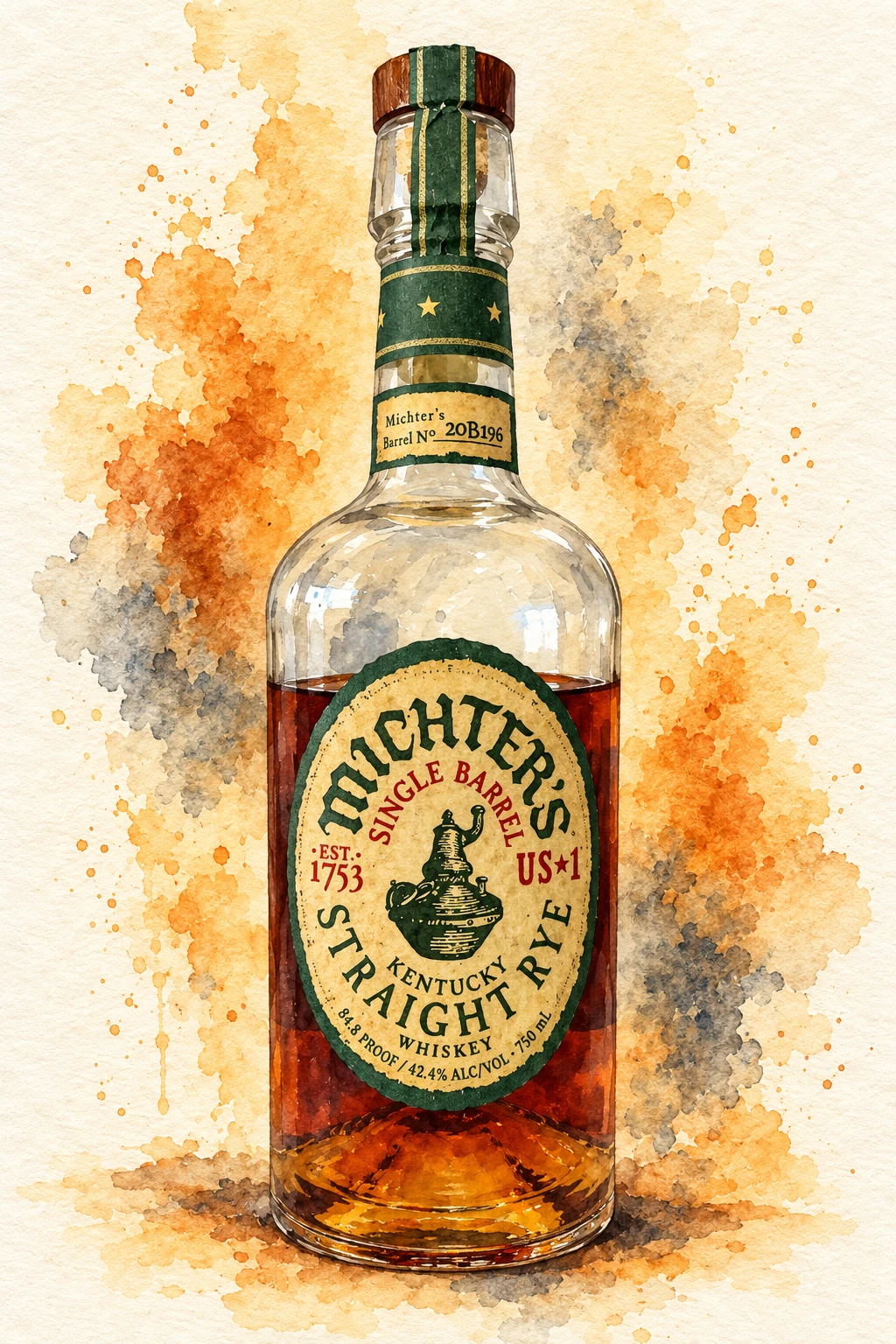
W0311 · 84.8 proof · Barrel 20B196
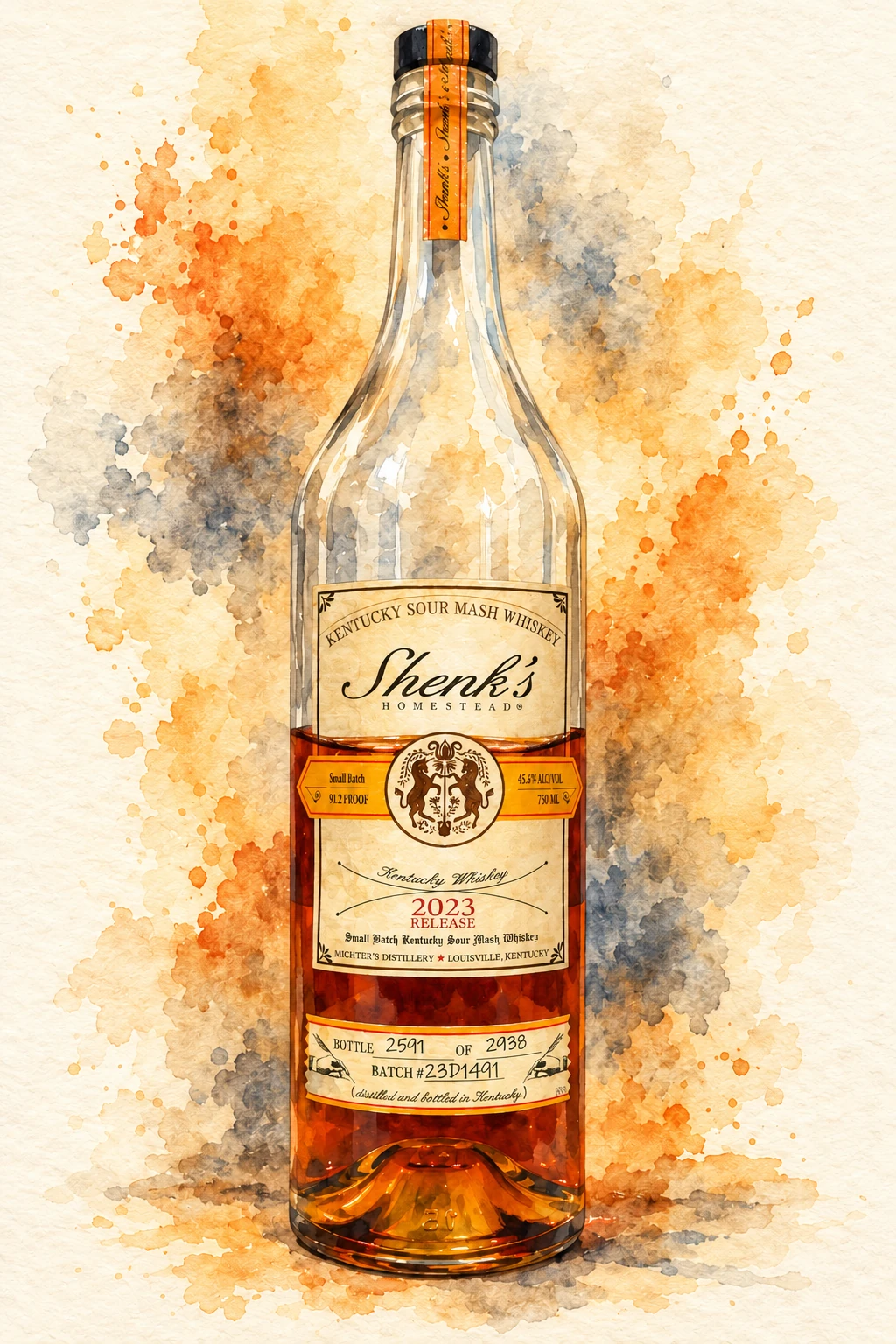
W0418 · 91.2 proof · Bottle 2591/2938 · Batch 23D1491 · Bottled / release detail 2023
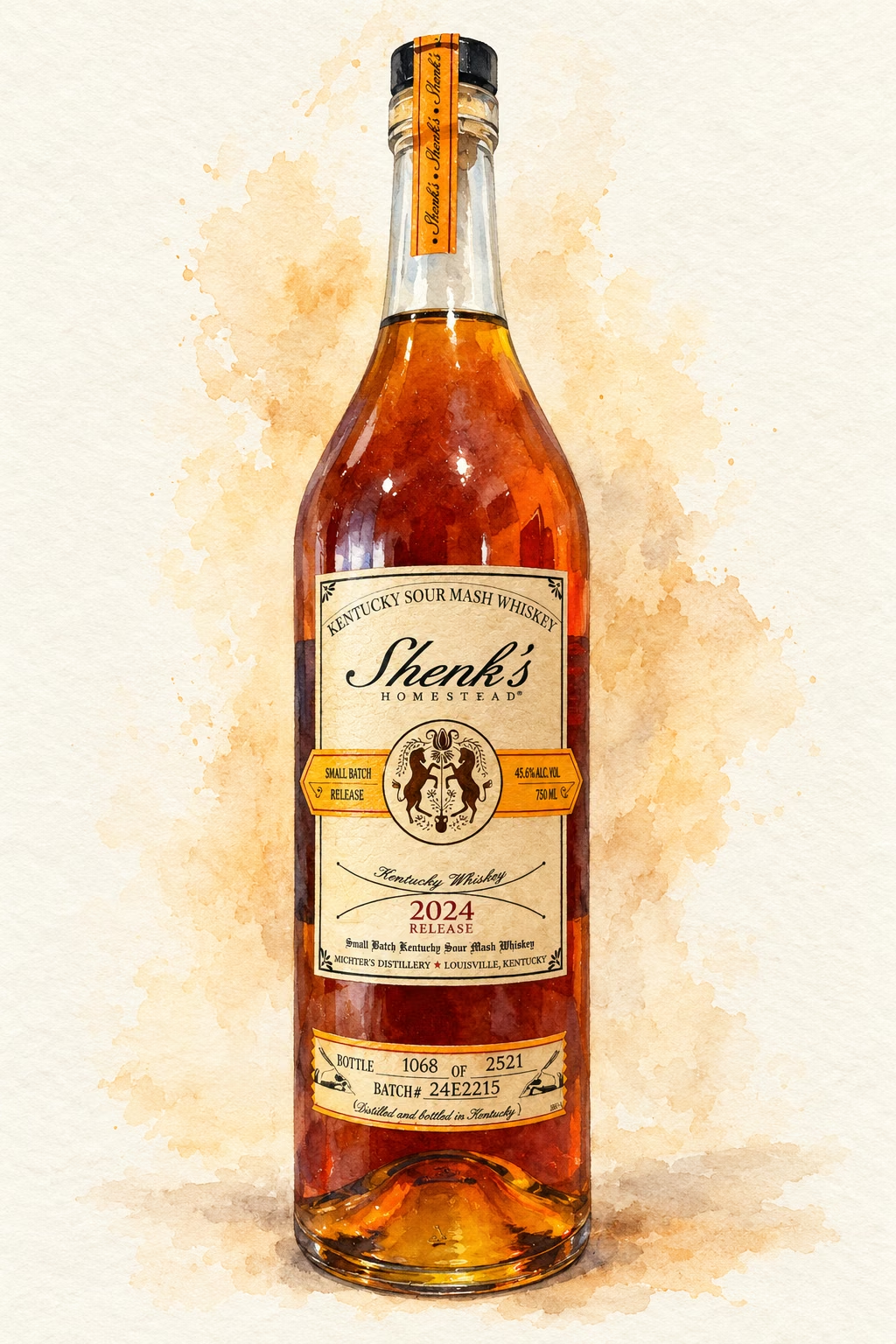
W0419 · 91.2 proof · Bottle 1068/2521 · Batch 24E2215 · Bottled / release detail 2024
Collection snapshot: October 22, 2026. All five front/back photo pairs are linked in the live records. The two Shenk’s batches remain separate. Current edition recipes are not assigned to these older bottles, and a batch code alone is not treated as a vintage.
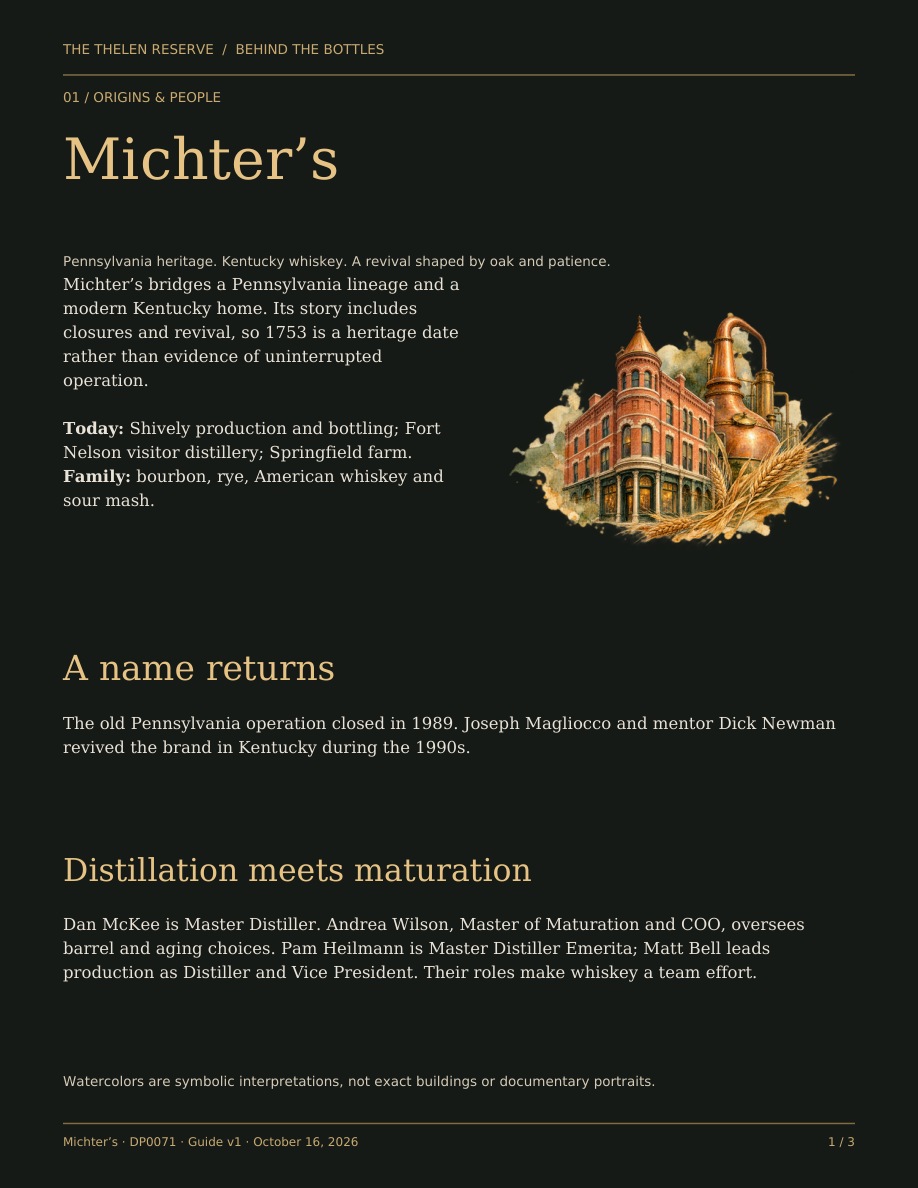
Origins and people, history and places, whiskey and stories. A concise companion to this complete profile, with linked research sources.
Researched October 16, 2026. Official brand and company pages, dated announcements and clearly identified supporting sources are distinguished in the research. Product specifications are release- and market-specific.