TJ THELEN'S COLLECTION
The Thelen Reserve
Behind the Bottles / Colorado grain & Denver spirit

Laws Whiskey House

Last updated Last researched

Laws Whiskey House

Colorado grain. Denver spirit. Time with a purpose.

Laws Whiskey House makes place part of the recipe. Its Denver stills turn Colorado grain into whiskey, while the growing seasons, farm relationships and high, dry maturation environment remain part of the story. The Four Grain Bourbon supplied an early foundation. Bonded releases, single-grain explorations and the ORIGINS series have since shown how many directions that foundation can take.[1][22]

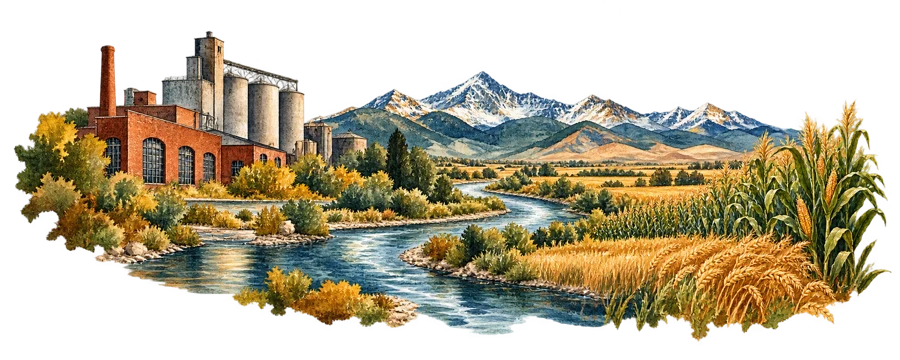
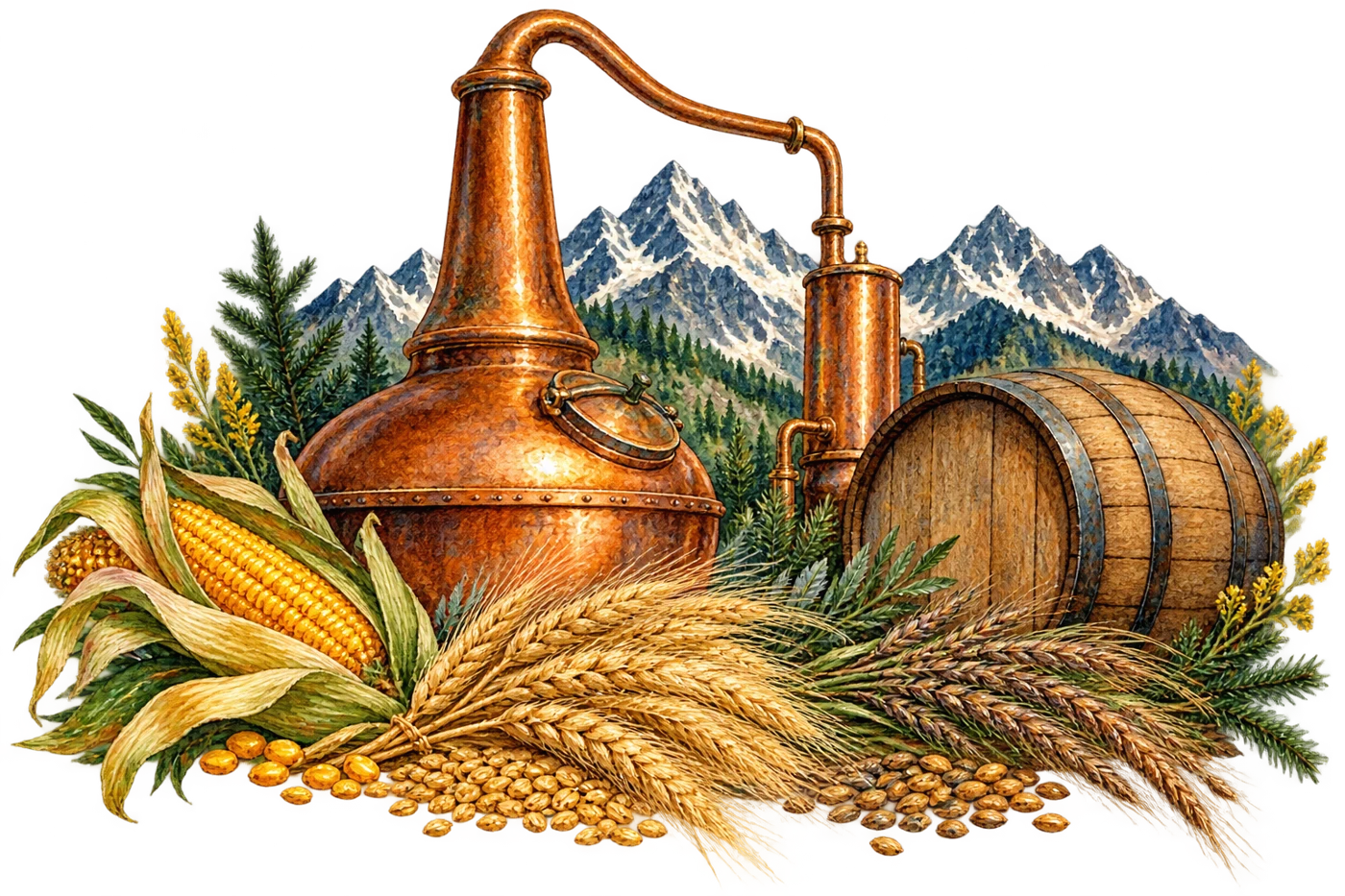
Symbolic Colorado grain, pot still, mountains and oak cask
Distillery home
Denver, Colorado[1]
First distillation
July 4, 2011[2]
Signature recipe
Four Grain Bourbon[17]
Visitor experience
The Whiskey Sanctuary[12]
01 / Origins & people

A village, a mentor and a Colorado beginning.

An encounter before a distillery

In Laws’ account, a 2009 Kentucky trip by Al and Marianne Laws led to an introduction to retired Barton master distiller Bill Friel. A conversation became a mentoring relationship. The significance is practical: a new Colorado enterprise could learn from an experienced Kentucky maker while developing its own regional character.[2]

Wait for whiskey worth releasing

Production began in 2011; the first bottle was sold in fall 2014. Those dates describe different milestones. Building inventory before selling it became central to the company’s patient approach, and the later bonded and ORIGINS releases made that accumulated time visible.[3]

The farm begins the flavor

The Cody family supplies heirloom wheat, rye and barley from the San Luis Valley; the Ohnmacht family grows corn on Colorado’s eastern plains. The distillery describes these as relationships with farming families rather than interchangeable commodity purchases. Its current story credits the wider working community, the Village, for the result.[1]

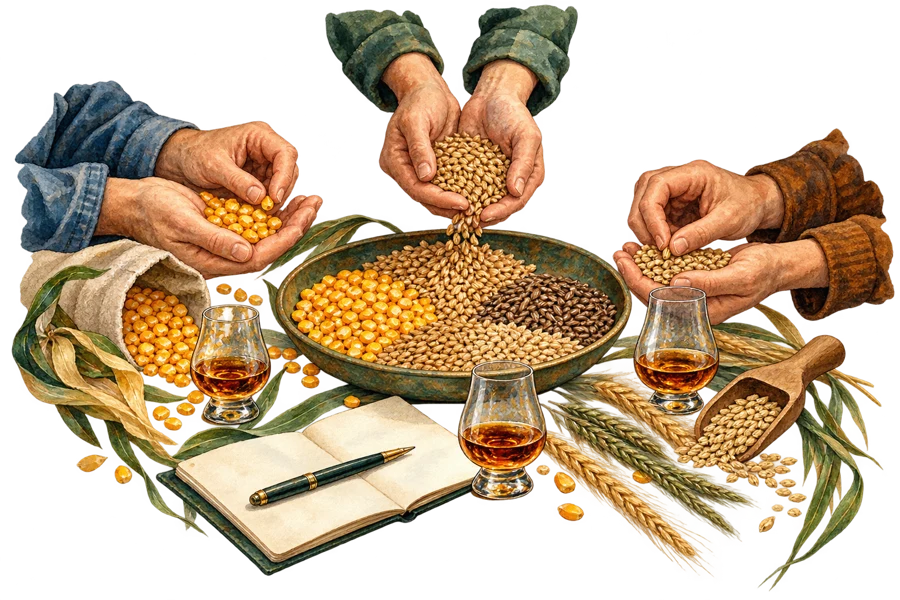
Symbolic hands sorting four Colorado grains

Al Laws

Founder

Founder and whiskey maker. His early distilling work with Friel, participation in barrel selection and continuing involvement in hospitality link the production and visitor sides of the company.[2][6]

Marianne Laws

Founding story

Part of the foundational Kentucky journey. Her presence belongs in the company’s origin story without assigning an unsupported current operating title or ownership percentage.[2]

Bill Friel

Mentor

The retired Barton distiller became Al’s mentor. This is a relationship of technical guidance; it does not make Laws a Barton brand or establish shared ownership.[2]

The Village

A working community

Farmers, distillers, warehouse and blending staff, bottlers and hospitality colleagues form Laws’ collective description of its makers. James Kunz is named in the company’s barrel-selection and blending accounts.[1][3][4]

02 / The illustrated history

From the first barrel to a whiskey sanctuary.

Follow the people, partnerships and documented releases. Dates of reporting and partner offerings remain distinct from founding and release dates.
Symbolic illustration: A mentor enters the picture
2009

A mentor enters the picture

Al and Marianne Laws visit Kentucky. The company traces Bill Friel’s involvement to an unexpected introduction during that trip.[2]
Symbolic illustration: The first barrel
July 4, 2011

The first barrel

The first bourbon is distilled in Denver. This is the production anniversary, distinct from the later first commercial bottle.[2]
Symbolic illustration: The original ORIGINS marriage
2013

The original ORIGINS marriage

Twenty-eight two-year-old barrels representing the first sixteen spirit runs are mingled, then returned to their casks. Friends and family invest in these early barrels.[5]
Symbolic illustration: The first bottle reaches drinkers
Fall 2014

The first bottle reaches drinkers

After three years of maturation, Laws begins selling its whiskey. The young distillery now has a public product as well as a growing warehouse.[3]
Symbolic illustration: A bonded bourbon milestone
Fall 2016

A bonded bourbon milestone

Laws identifies its four-year Four Grain Bourbon as Colorado’s first bottled-in-bond bourbon. The designation becomes a recurring focus.[3]
Symbolic illustration: Bonded rye follows
March 2017

Bonded rye follows

The first Laws bonded rye arrives. The company identifies it as Colorado’s first bonded rye, extending the approach beyond bourbon.[3]
Symbolic illustration: A single barrel opens ORIGINS
December 2020

A single barrel opens ORIGINS

ORIGINS 9 brings an early barrel to market. The announcement describes nine-and-a-half years of aging and a release lottery adapted to pandemic conditions.[5]
Symbolic illustration: Ten years, drawn from the beginning
November 2021

Ten years, drawn from the beginning

ORIGINS X celebrates a decade of distilling using the final original ORIGINS barrels. Its contemporary announcement records a marriage of four casks.[6]
Symbolic illustration: INTENTION widens the age spectrum
November 2022

INTENTION widens the age spectrum

The nine-barrel bourbon release marries whiskey aged three to ten years at cask strength. ORIGINS becomes an exploration of contrasting ages.[7]
Symbolic illustration: CORNERSTONE turns to rye
November 2023

CORNERSTONE turns to rye

Nine barrels of rye aged five to ten years form the first ORIGINS vertical rye blend. The release also looks ahead to the planned new visitor space.[8]
Symbolic illustration: The river joins the recipe
2024

The river joins the recipe

The inaugural Headwaters edition pairs bourbon with Colorado River water and a conservation purpose. The series connects whiskey to the resource behind both grain and spirit.[9]
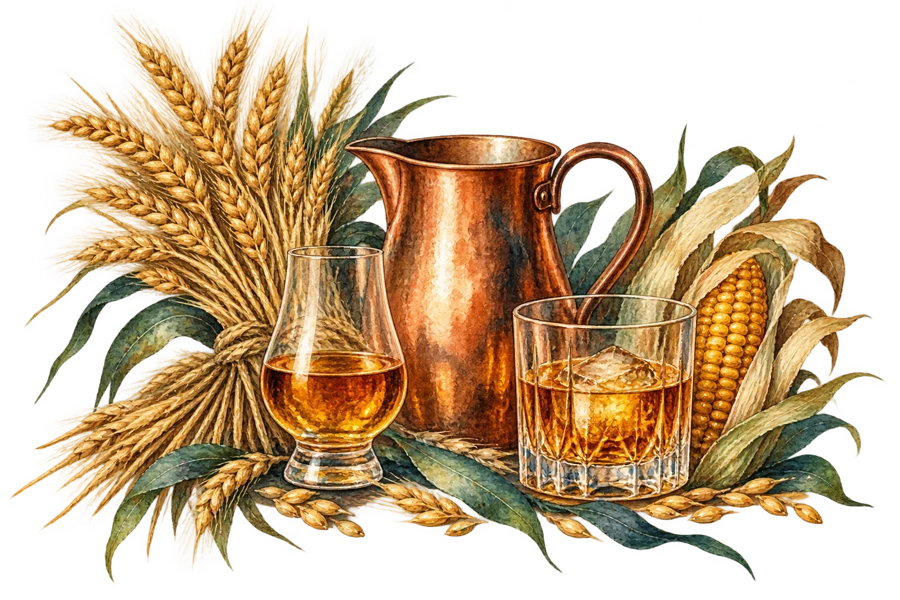
Symbolic illustration: A different kind of wheat whiskey
2024

A different kind of wheat whiskey

SUPER WHEATER combines Four Grain Bourbon with Centennial Wheat whiskey. Its high-wheat identity comes from blending two styles, not a renamed bourbon recipe.[4][14]
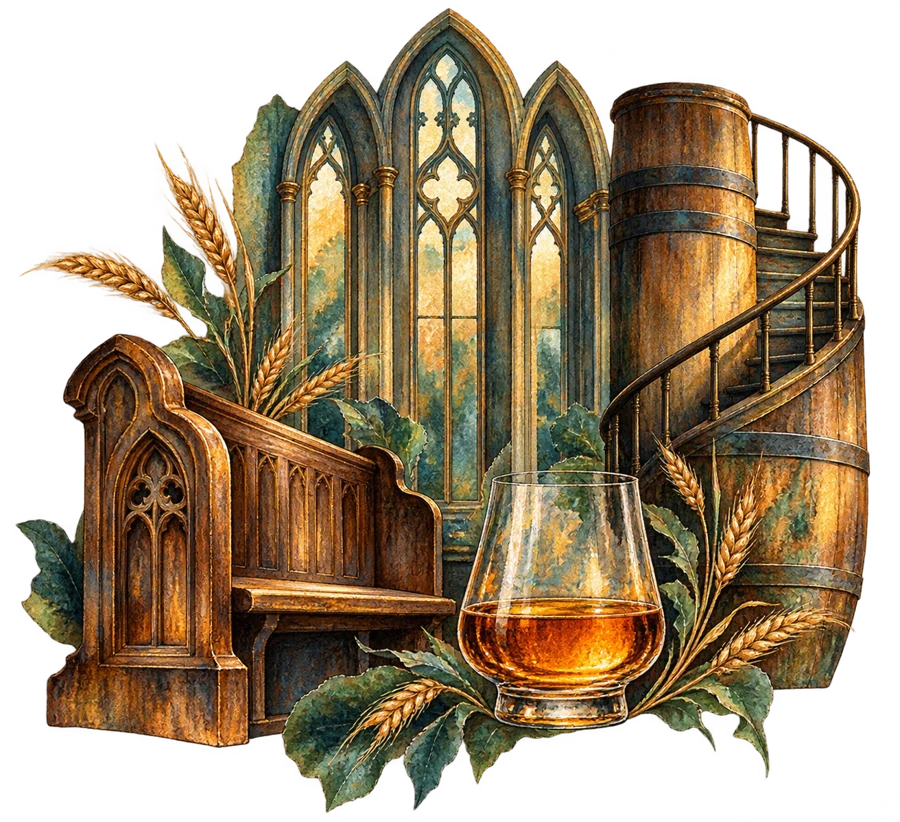
Symbolic illustration: The Sanctuary opens its doors
December 21–22, 2024

The Sanctuary opens its doors

The announced grand-opening weekend introduces the Whiskey Church, visitor center and upstairs cocktail lounge. This is a hospitality expansion at an established distillery.[11]
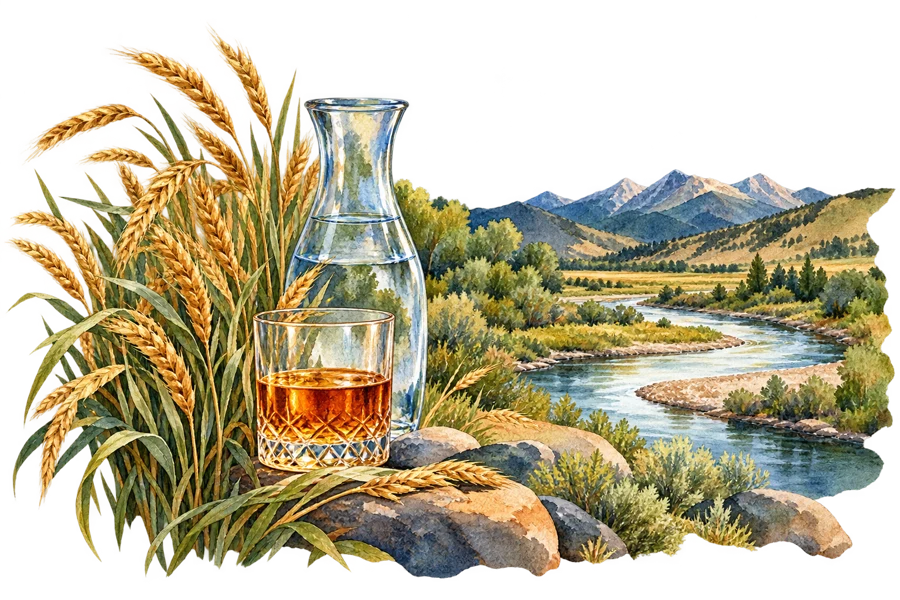
Symbolic illustration: Headwaters follows the Rio Grande
May 2025

Headwaters follows the Rio Grande

The second edition uses San Luis Valley rye and purified Rio Grande proofing water. Laws pledges a share of proceeds to the Rio Grande Headwaters Restoration Project.[10]
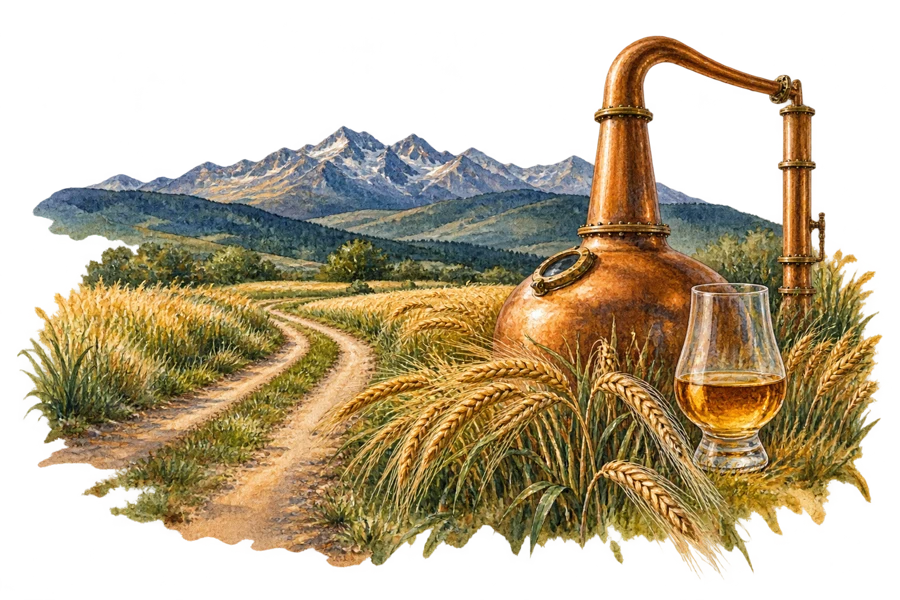
Symbolic illustration: Henry Road returns
August 2025

Henry Road returns

After a July announcement, the August 10 release brings Henry Road back with an American single malt designation. The edition blends seven- to eleven-year whiskey.[13]
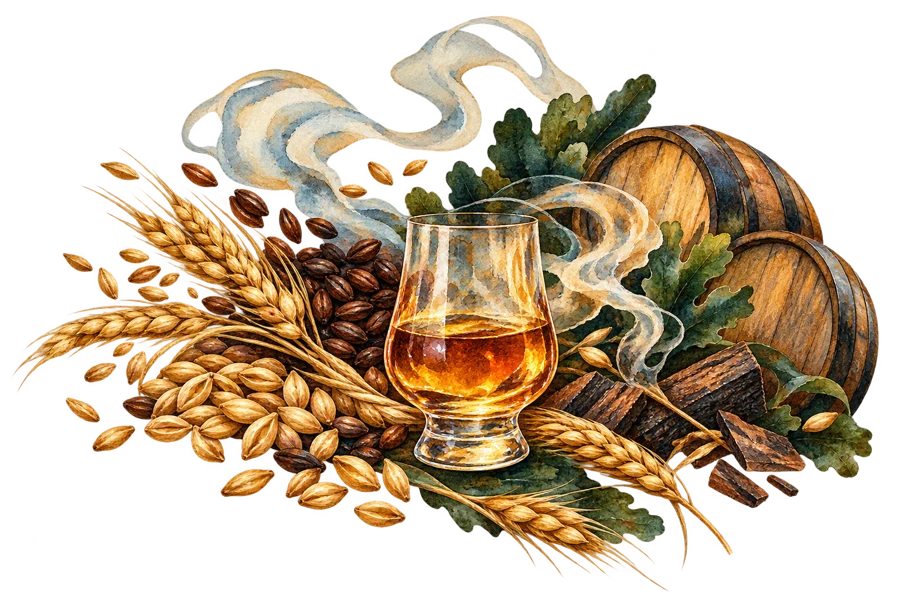
Symbolic illustration: Eight barrels become MOSAIC
November 2025

Eight barrels become MOSAIC

ORIGINS explores malt through an eight-barrel marriage. Specialty malts, seven- to nine-year ages and several cask histories contribute different pieces.[14]
Symbolic illustration: Recognition reaches the whole house
February–July 2026

Recognition reaches the whole house

Laws reports Icons of Whisky America hospitality honors in February and SIP/ASCOT liquid awards in July. These are distinct competitions recognizing different parts of the enterprise.[15][16]

Original watercolor interpretations accompany the history. Buildings, objects and scenes are symbolic, not documentary reconstructions.
03 / Geography & roles

One name. Several places that matter.

Symbolic Denver, Colorado grain regions and river landscape

Denver production

Laws states that all whiskey it has bottled was distilled at its Denver facility. Grain sourcing from elsewhere in Colorado does not change the distilling location.[22]

San Luis Valley

The Cody family’s farm and malting work connect Laws to southern Colorado. Wheat, rye and barley carry this agricultural relationship into several different whiskey styles.[13][21]

Burlington and the eastern plains

Corn comes through the Ohnmacht family and Whiskey Sisters Supply. The eastern-plains connection complements the valley-grown small grains in Four Grain Bourbon.[1][22]

80 West Arkansas Avenue

The Sanctuary is the visitor gateway: Church, courtyard, production tour and sensory tasting. Its cocktail lounge and mountain views offer another way to encounter the whiskey.[12]

Colorado River and Rio Grande

These waterways belong to the Headwaters editions’ proofing and conservation stories. They are not separate distilling sites, and the named water treatment belongs to each edition.[9][10]

04 / The whiskey family

Understand the name on the label.

Trace the producer, its expression families and the distinct roles of collaborators and historical personnel.

Laws Whiskey House

Producer and distillery

The Denver producer and distillery, founded by Al Laws. The reviewed sources identify its founder and direct production; they do not provide a complete current shareholder register.[1]

Cody family / Colorado Malting Company

Grain and malt partner

Farming and malting partners. Their independent operation supplies barley, wheat and rye expertise; a supply partnership does not imply ownership of Laws.[13][21]

Ohnmacht family / Whiskey Sisters Supply

Corn supply

The corn relationship links Four Grain Bourbon to Colorado’s eastern plains. Keep this role distinct from distillation and whiskey blending.[1][22]

ORIGINS

Release series

An annual exploratory family growing out of the earliest barrels. Later named editions use bourbon, rye, wheat combinations or malt; ORIGINS is not one universal recipe.[4][14]

Headwaters

Conservation release series

A series organized around Colorado river systems and conservation. The specific whiskey, proofing water and beneficiary are edition-specific.[9][10]

University of Colorado Athletics

Commercial and community collaboration

The official-whiskey partnership includes Ralphie’s Reserve and Black & Gold Select. Sales support described programs; this is not university ownership of the distillery.[18]

Great Divide Brewing Company

Barrel collaboration

The two producers exchange the influence of their barrels. The documented Yeti sequence returns stout-seasoned casks to Laws for a bourbon finish.[19]

Bill Friel / Barton heritage

Historical mentoring connection

Friel’s mentoring links the founders’ journey to Kentucky experience. No sourced Barton whiskey or common parent is inferred from that personal connection.[2]

05 / Making & choosing

The choices behind the label.

Grain, fermentation, pot distillation and Colorado maturation shape the whiskey. Keep every specification tied to the expression and edition named.

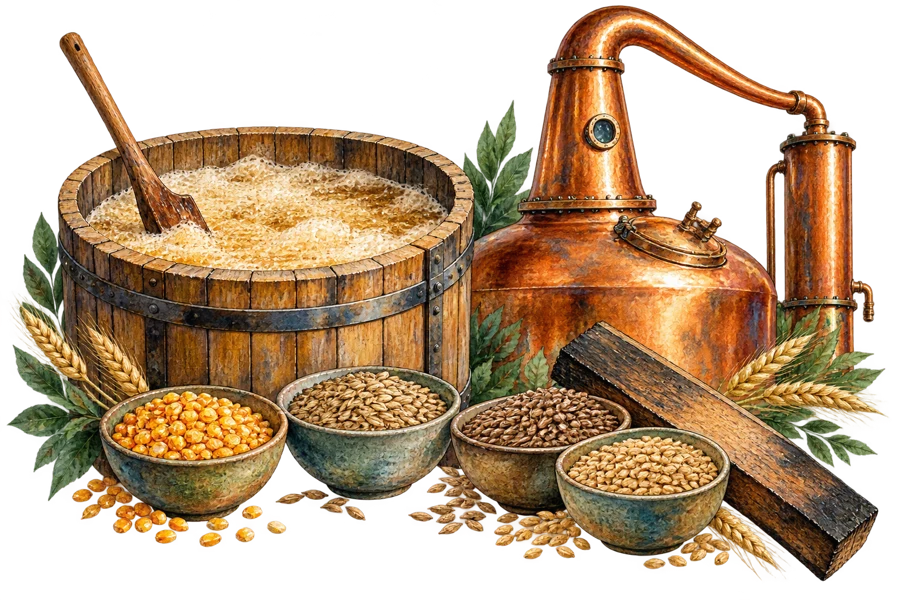
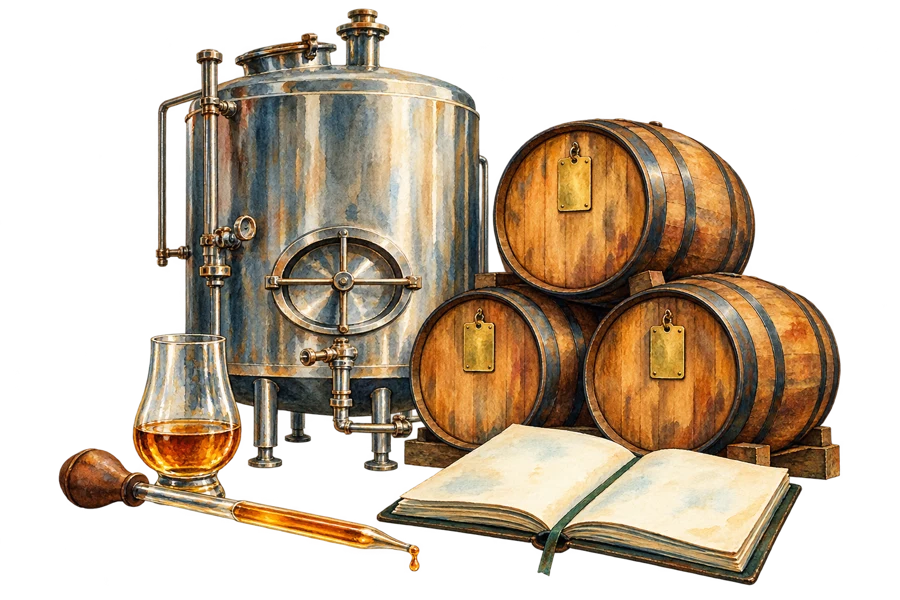
Open fermenter, copper pot still and grain bowls

Four grains together

The signature bourbon recipe is 60% corn, 20% wheat, 10% rye and 10% malted barley. Using both wheat and rye gives the distillery two different flavor grains to work with in one bourbon.[22]

A grain-specific cook

Laws describes a longer cooking process intended to develop each grain’s character. That care precedes fermentation; it is one way the producer translates its regional-grain idea into production.[22]

Fermentation and the pot still

In a direct interview, Al describes open-air fermentation and two pot-still distillations, with the first run on the grain. This account describes the company’s process rather than a home-distillation instruction.[20]

Maturation in Colorado

Dry air, elevation and temperature variation create a different maturation environment from Kentucky. Laws treats climate as part of its style; no simple claim that elevation makes whiskey mature a fixed number of times faster is supported here.[22]

A family with different presentations

Standard, bonded and cask-strength releases can share a grain foundation while differing in age, selection and proof. Current cask-strength specifications explicitly vary, so a generic website number cannot identify an older barrel.[17]

Blending across ages

INTENTION and CORNERSTONE deliberately combine younger and older barrels. The outcome is a designed balance of grain, fruit and mature oak rather than a claim that the oldest component defines the age of the whole blend.[7][8]

An additional life for a barrel

The Great Divide collaboration follows bourbon, stout and bourbon again. The return cask is a finishing decision, distinct from the new charred cooperage used for the bourbon’s original maturation.[19]

Malt as a flavor palette

MOSAIC uses toasted, smoked and darker specialty malts with diverse cask histories. Henry Road and MOSAIC show why the malt portfolio should be understood at edition level.[14][13]

06 / The details worth knowing

The stories inside the barrels.

A bottle funded by early believers

The early ORIGINS barrels helped finance custom bottles and the emerging brand. The company’s history links patient maturation with the friends and family willing to back that long interval.[5]

The Church is an idea made physical

Al Laws handcrafted the Sanctuary’s pews, while BOSS.architecture developed the space. The church language expresses reverence for whiskey; it does not establish a former religious use for the building.[11]

A circular cask relationship

Great Divide chose Laws’ first twelve used barrels in winter 2014. A decade later, the documented bourbon finish brought back wood that had already hosted Yeti Imperial Stout.[19]

Water belongs in the story

The Rio Grande edition connects a rye-growing region with its proofing water and a pledged restoration contribution. The claim is a defined program, not proof that one bottle solves a watershed’s challenges.[10]

Names that point outward

Henry Road refers to the road alongside the barley fields. Ralphie’s Reserve points to CU’s live mascot program. Both make the wider Colorado community visible through the whiskey names.[13][18]

Awards need their proper category

Visitor Attraction and Marketing Team honors concern the experience and team. SIP and ASCOT awards concern named spirits. Keeping those distinctions makes the recognition more informative than a generic award-winning claim.[15][16]

07 / Selected expressions

Different ways into the whiskey family.

A curated reading of the whiskey family, selected for its role in the story. This is not an exhaustive current catalog.

Four Grain Bourbon

The signature 60/20/10/10 foundation appears in a 95-proof standard presentation, variable-proof cask releases and bonded editions. Read the actual edition for its age and proof.[17]

San Luis Valley Rye

The rye family reflects the Cody grain relationship. Published recipes include 100% rye and 95% rye / 5% barley in different offerings; these cannot be applied interchangeably to older bottles.[17][8]

INTENTION / CORNERSTONE

The 2022 bourbon and 2023 rye editions place a broad range of barrel ages at the center of ORIGINS. They offer two different examples of the same blending question.[7][8]

SUPER WHEATER

The 2024 ORIGINS edition blends Four Grain Bourbon with Centennial Wheat whiskey. Its five- to twelve-year components make it a distinct release rather than a standard Four Grain variation.[4]

Headwaters: Rio Grande

The 2025 rye edition uses purified river water for proofing and supports restoration through the announced proceeds pledge. Its relationship to a watershed is the defining idea.[10]

Henry Road / MOSAIC

Henry Road’s 2025 return and the subsequent ORIGINS malt edition explore Colorado barley through different barrel selections. They belong to a growing malt story, not the bourbon recipe.[13][14]

08 / The Reserve connection

Continue from the story to the bottles.

Laws Whiskey House in The Thelen Reserve

Two physical bottle records connect this story to the collection. Each keeps its own proof, batch and bottle details.

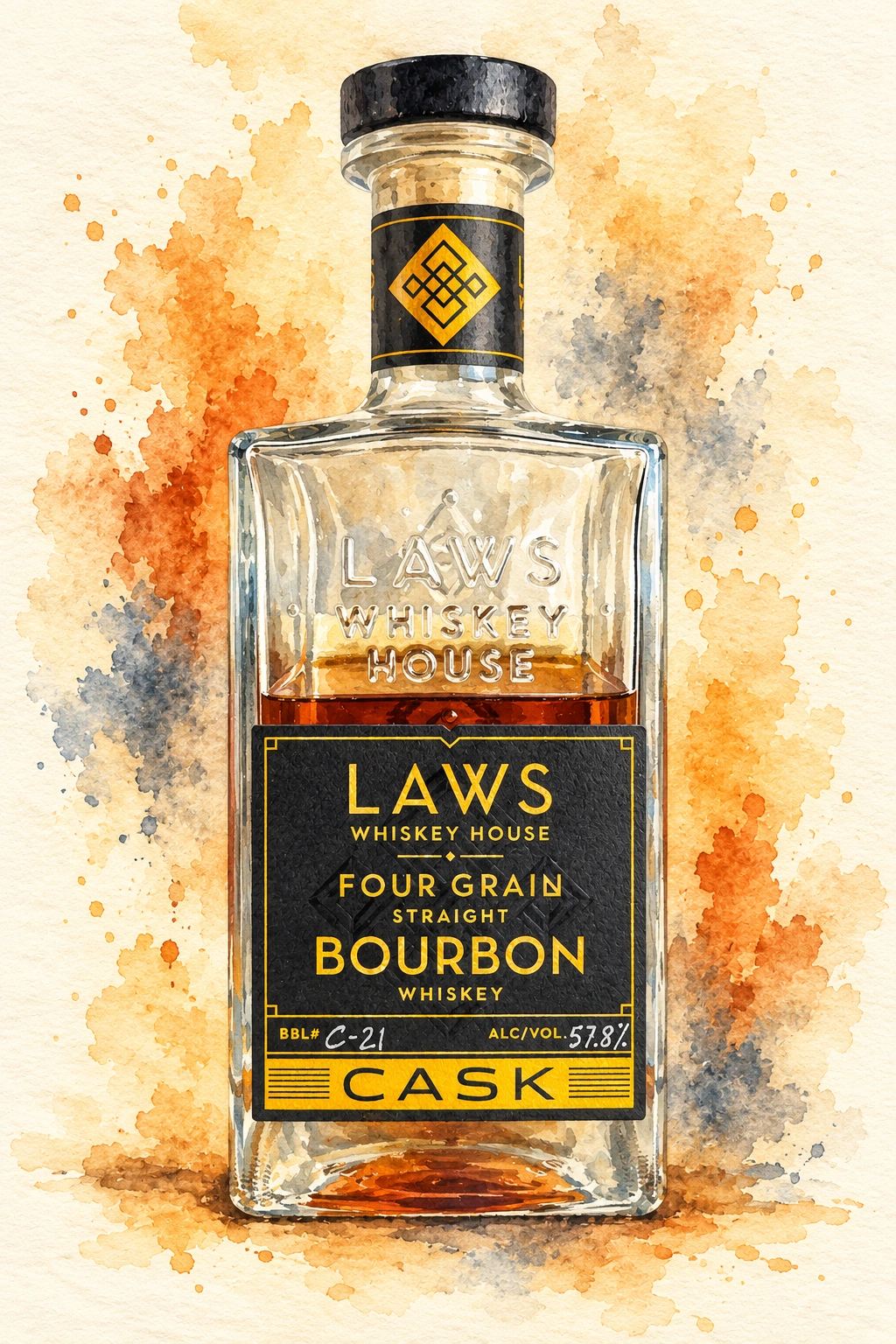
Approved watercolor of Laws Whiskey House Four Grain Straight Bourbon - Cask

Laws Whiskey House Four Grain Straight Bourbon - Cask

W0291 · 115.6 proof · Barrel C-21

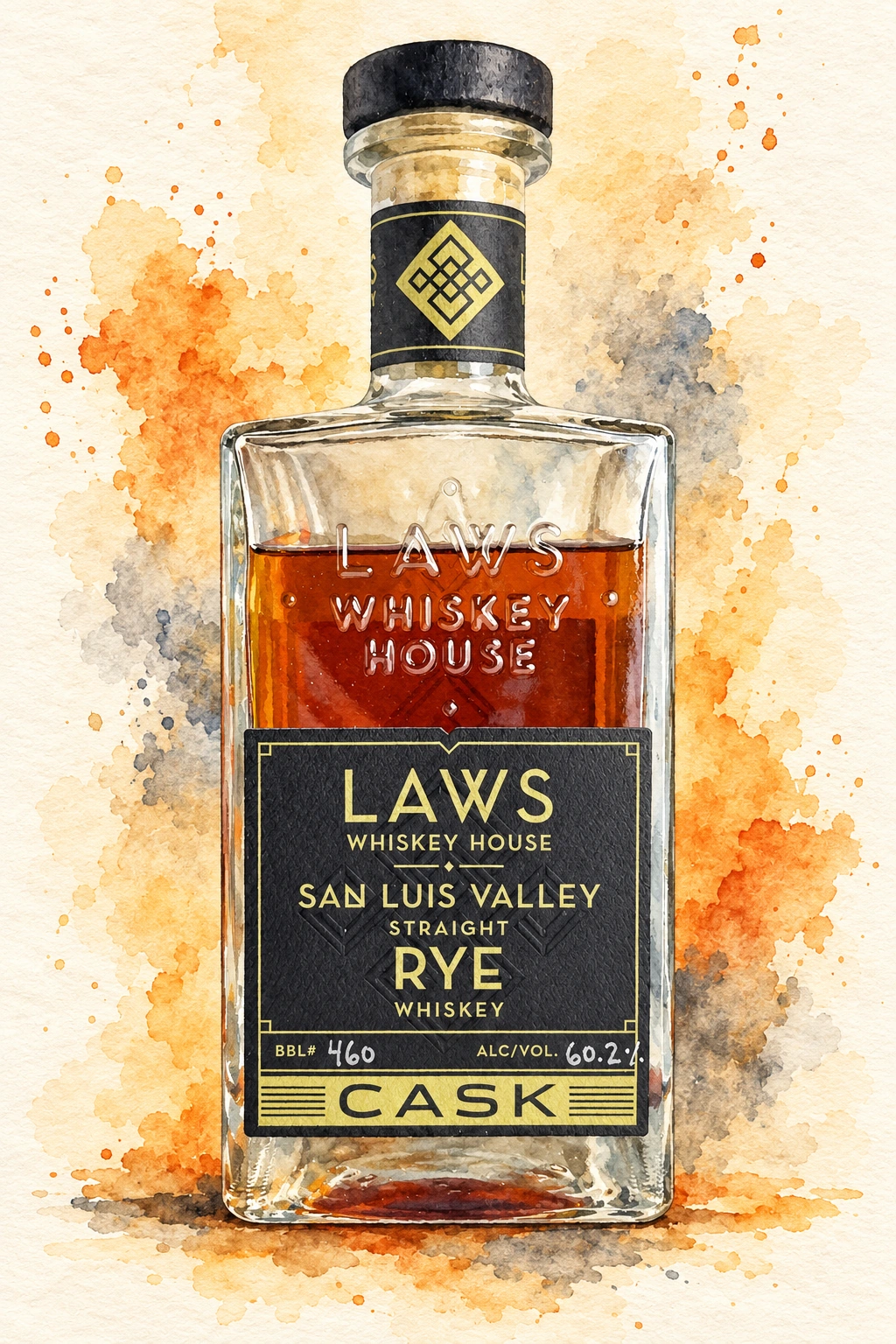
Approved watercolor of Laws Whiskey House San Luis Valley Straight Rye - Cask

Laws Whiskey House San Luis Valley Straight Rye - Cask

W0292 · 120.4 proof · Barrel 460 · Bottled / release detail Cask strength;aged at least3years on rear label;no exact age,bottling or release date stated.

Exact historical rye recipe, age and distillation dates remain unverified.

Collection snapshot: October 23, 2026. Two physical records. Approved artwork appears only where an exact record or verified release match is available.

Laws Whiskey House three-page guide cover
The illustrated companion

Laws Whiskey House, in three pages.

Origins and people, history and places, whiskey and stories. A concise companion to this complete profile, with linked research sources.

Sources & research notes

Researched October 18, 2026. Official brand and company pages, dated announcements and clearly identified supporting sources are distinguished in the research. Product specifications are release- and market-specific.

Research qualifications

  • The company states that it distills all of its whiskey in Denver. Farming, malting, mentorship, commercial collaborations and conservation relationships are not treated as parent-company ownership. A complete current capitalization record was not established.[1][21][18]
  • Historical specifications remain historical. The current product page mixes three-year prose with four-plus-year specifications, and broad bonded language with specific seven- or ten-plus-year listings. No current age or recipe is retroactively assigned to an older bottle.[17][16]
  • The November 2021 ORIGINS X announcement says four final barrels; the January 2025 retrospective says three. The contemporary source is used for the barrel count. The 2021 bonded article also contains a March 2020 availability typo; its dated historical milestones are treated separately.[6][4][3]
  • The Sanctuary opening is December 2024; the 2023 CORNERSTONE announcement describes a future project. The 2025 Henry Road post was published in July and names August 10 availability. Announcement and opening/release dates are differentiated.[8][11][13]
  • Company-reported firsts, awards, flavor and terroir language remain attributed. Legal category history is not inferred from marketing shorthand. Current website checked October18,2026; selected releases are not an exhaustive availability list. All architecture and people artwork is symbolic.[15][16][20]

Full sources

  1. Laws: our storyFounded in Denver in 2011; founder Al Laws; Cody and Ohnmacht farm relationships. Current production and age statements are not retroactive bottle specifications.
  2. Laws: fourteen years of distillingJune 12, 2025 anniversary account. Recounts the 2009 trip with Marianne Laws, the introduction to Bill Friel and first distillation on July 4, 2011.
  3. Laws: the bonded journey, 2021January 13, 2021. First commercial bottle in fall 2014, bonded bourbon in fall 2016 and bonded rye in March 2017. Opening availability paragraph contains a March 2020 date typo.
  4. Laws: ORIGINS retrospectiveJanuary 22, 2025 retrospective. Early barrel financing and ORIGINS sequence; SUPER WHEATER is the 2024 edition. Retrospective says three final X barrels, versus four in the original announcement.
  5. Laws: ORIGINS 9 announcementNovember 23, 2020 announcement for December release. In 2013, 28 two-year-old barrels from the first 16 spirit runs were mingled and returned to cask.
  6. Laws: ORIGINS X original announcementNovember 24, 2021. Contemporary ORIGINS X announcement records four final original barrels and roughly 107 proof; preferred over the later retrospective count.
  7. Laws: INTENTIONNovember 15, 2022 announcement; November 17 tasting-room availability. Nine bourbon barrels aged three to ten years, bottled at 118 proof.
  8. Laws: CORNERSTONENovember 1, 2023. Nine rye barrels aged five to ten years, using 95/5 rye/barley and 100% rye recipes. The visitor center is still a future plan in this source.
  9. Laws: Headwaters SeriesHeadwaters conservation program. The inaugural 2024 bourbon edition connects to the Colorado River; the 2025 edition connects to the Rio Grande. Water source is not a separate distilling site.
  10. Laws: Rio Grande editionMay 13, 2025. Rye aged four to eight years, purified Rio Grande proofing water and a pledge of 10% of bottle proceeds to the Rio Grande Headwaters Restoration Project.
  11. Laws: Sanctuary grand openingDecember 8, 2024 announcement for the December 21–22 grand-opening weekend. Whiskey Church, Al Laws’ handcrafted pews and BOSS.architecture design.
  12. Laws: current visitor centerCurrent visitor gateway at 80 West Arkansas Avenue, Denver. Church, courtyard and silos, production tour and sensory tasting bar. Hours and access policies may change.
  13. Laws: Henry Road returnsJuly 17, 2025 announcement with August 10 availability. Henry Road returns as American single malt with seven- to eleven-year whiskey in new and used American oak.
  14. Laws: MOSAICNovember 17, 2025. MOSAIC marries eight malt barrels aged seven to nine years, using specialty malts and several cask histories. Marketing legal-history shorthand is not adopted.
  15. Laws: 2026 hospitality recognitionFebruary 17, 2026 report of the February 12 Icons of Whisky America ceremony. Visitor Attraction and Marketing Team honors are distinct from liquid-category awards.
  16. Laws: 2026 SIP and ASCOT resultsJuly 29, 2026 company report of SIP and ASCOT results. Named honors across Founder’s Select, Four Grain Bourbon and bonded releases; current seven-year minimum bonded policy.
  17. Laws: current whiskey specificationsCurrent product catalog. Four Grain Bourbon recipe, standard and variable-proof cask presentations; rye recipes differ across offerings. Retain mixed old and current age-copy limitations.
  18. Laws: CU Athletics partnershipCU Athletics collaboration. Ralphie’s Reserve and Black & Gold Select, with described mascot and student-athlete support. Commercial partnership is distinct from ownership.
  19. Laws: Great Divide collaborationNovember 13, 2024. Great Divide selected the first twelve used Laws barrels in winter 2014; later Four Grain Bourbon returns to Yeti stout-seasoned casks.
  20. Al Laws: single malt interviewDirect Al Laws interview. Open-air fermentation, double pot distillation with the first run on-grain, and farm malting. Forward-looking 2025 plans are not completed-release evidence.
  21. Colorado Malting Company: farm historyPartner primary source. Alamosa-area family farming and malting; company founded in 2008; Wayne, Jason and Josh Cody. Barley, wheat, rye and specialty malts.
  22. Laws: Colorado bourbon, September2026September 3, 2026. Burlington corn through Whiskey Sisters Supply, Cody farm grain and malting, grain-specific cooking, dry Denver maturation and current product positioning.
↑