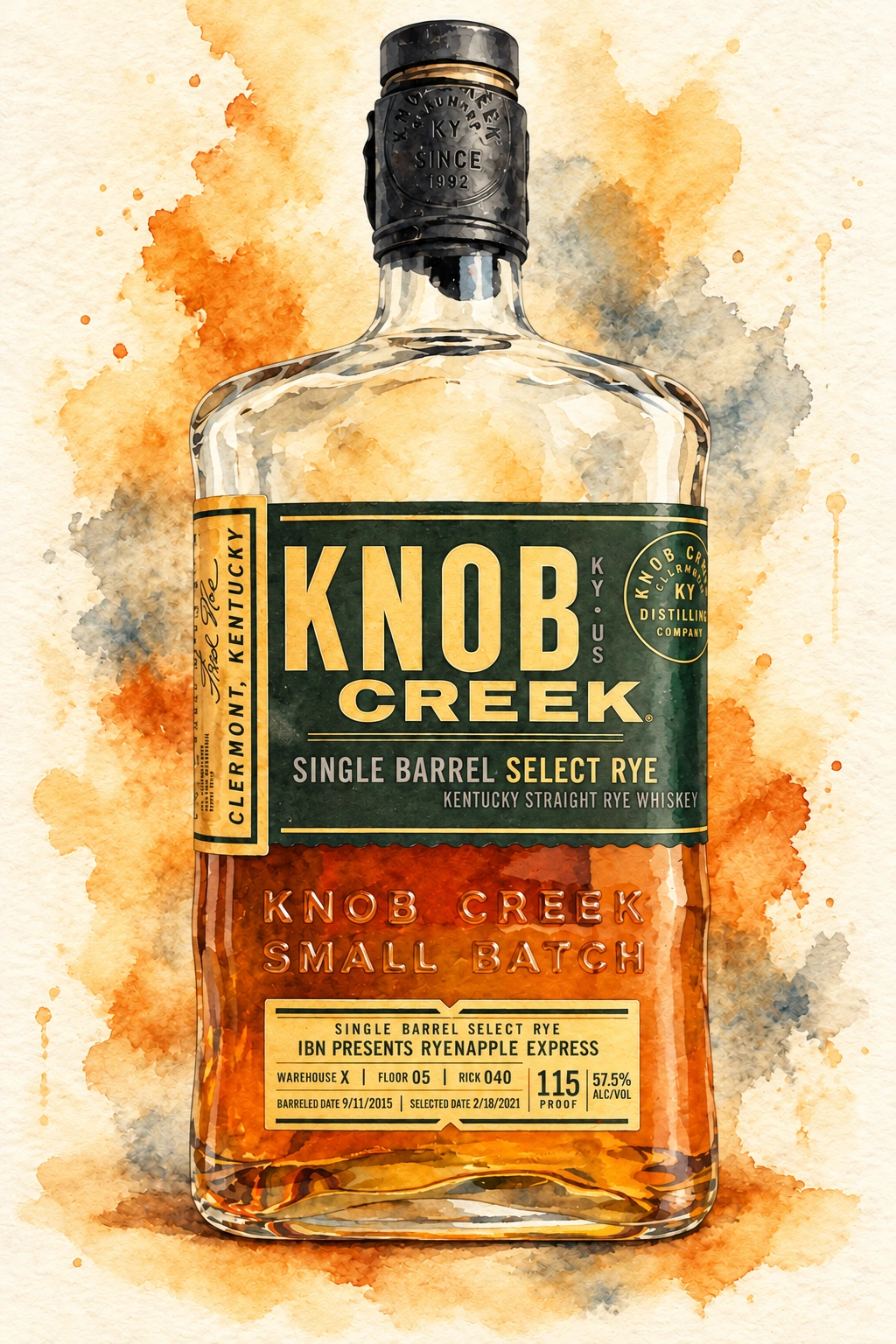
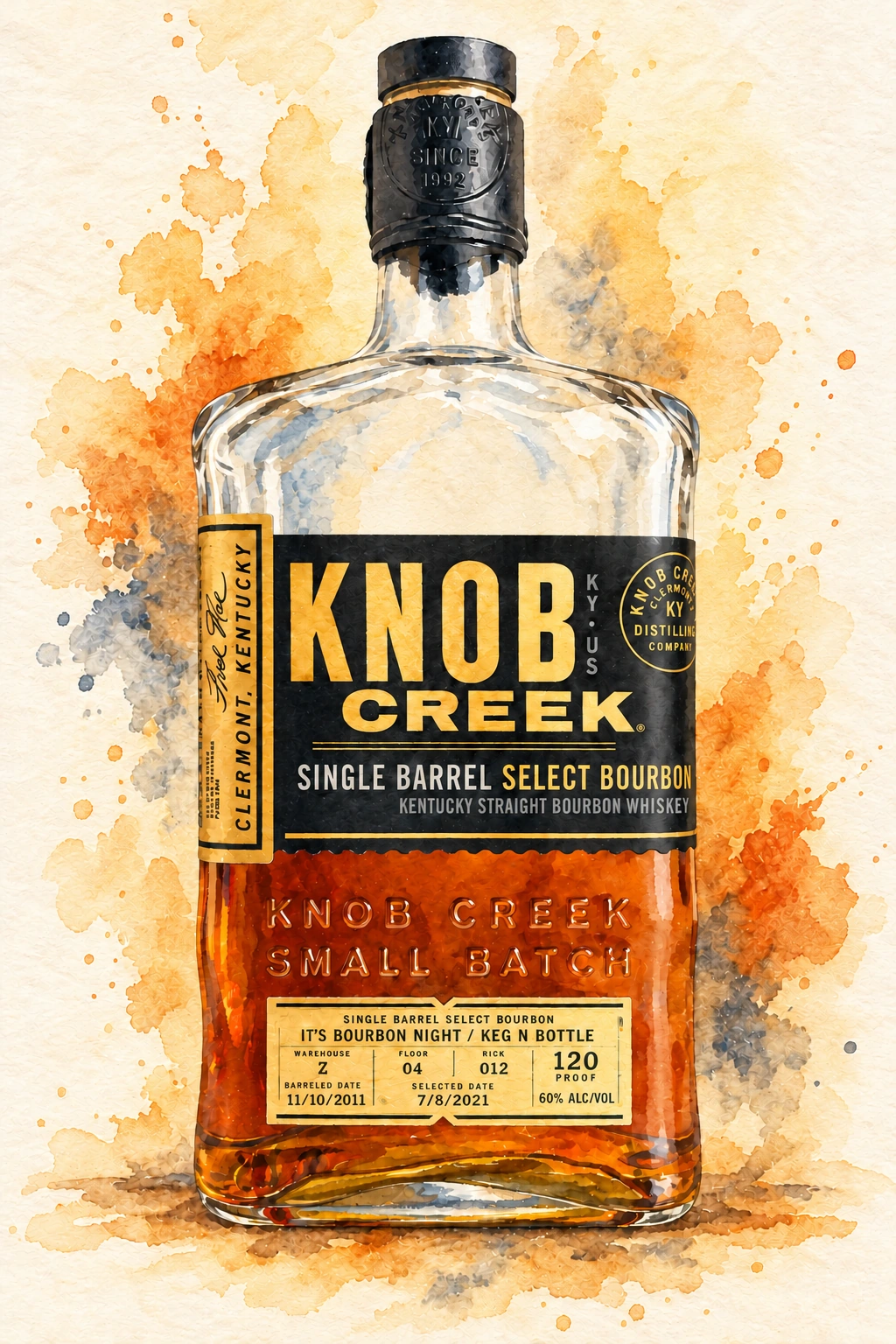
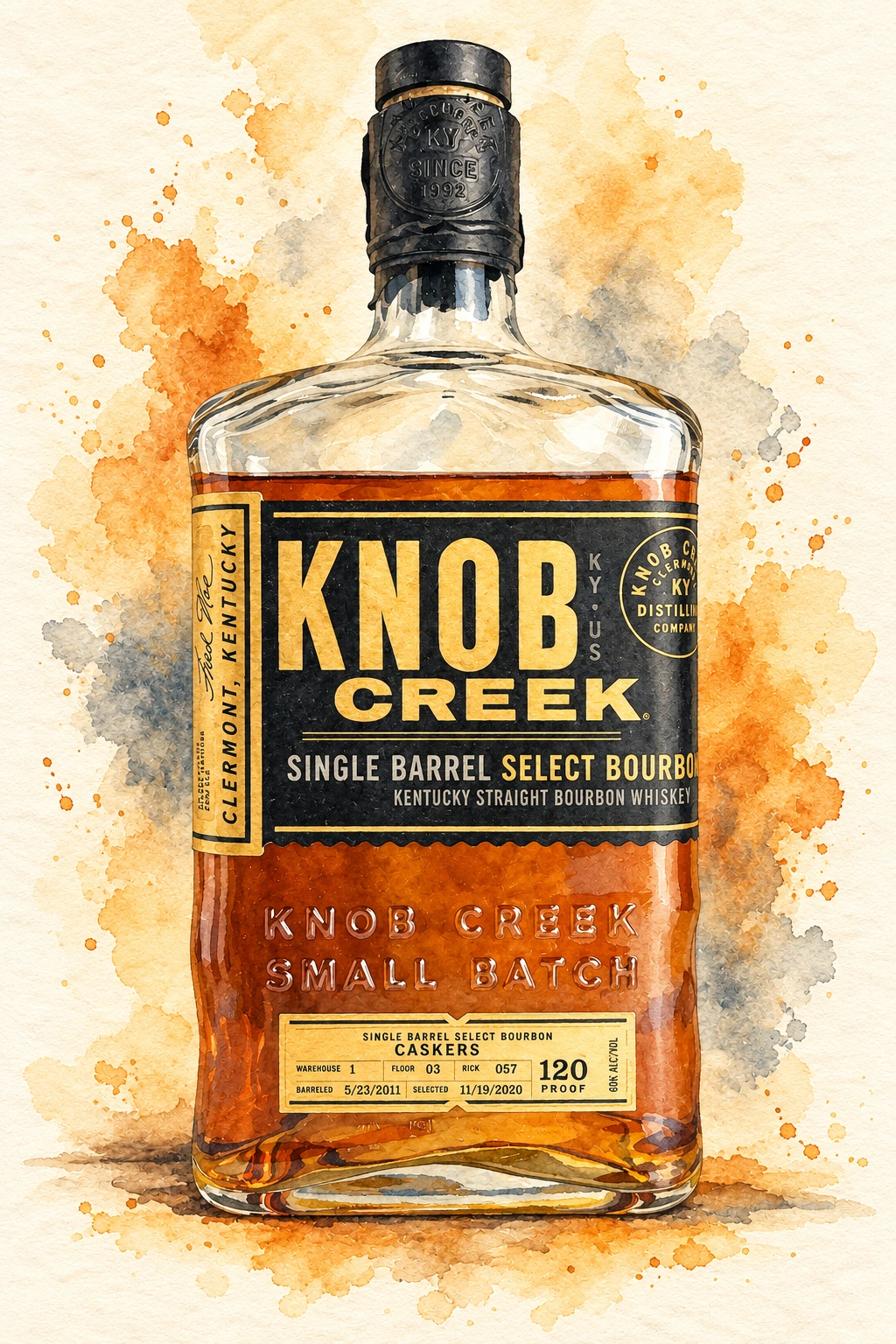
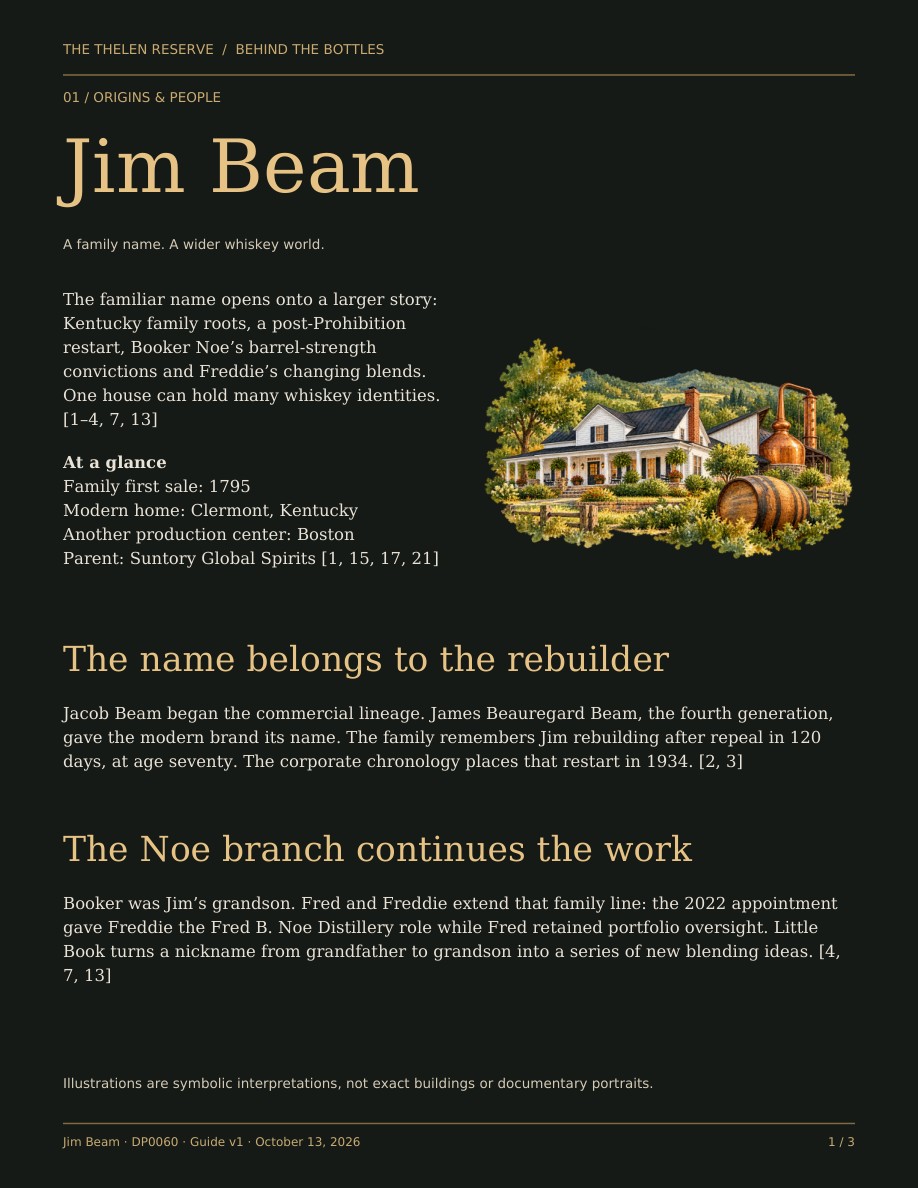
A family lineage, a rebuilt business and an evolving whiskey family. Dates distinguish succession, facilities, releases and ownership.
1795
A first barrel finds a buyer
Jacob Beam’s first whiskey sale anchors the family chronology. It begins the commercial lineage, rather than dating the modern Jim Beam brand or the present Clermont buildings.[1]
1820
David takes the next turn
David Beam takes over the family distilling business. Expansion follows as the nineteenth century brings new production methods and a growing market beyond the farm.[1][3]
1850s
Old Tub meets the railroad
David M. Beam moves the business near rail connections in Nelson County. Official histories disagree on the precise relocation year; the lasting change is clearer: better transport helps turn regional whiskey into a more widely distributed brand.[2][3]
1890s
Jim takes responsibility
James B. Beam becomes the leading figure in the family business. Producer accounts give different handover dates, so this milestone uses the decade rather than pretending the record is unanimous.[1][3]
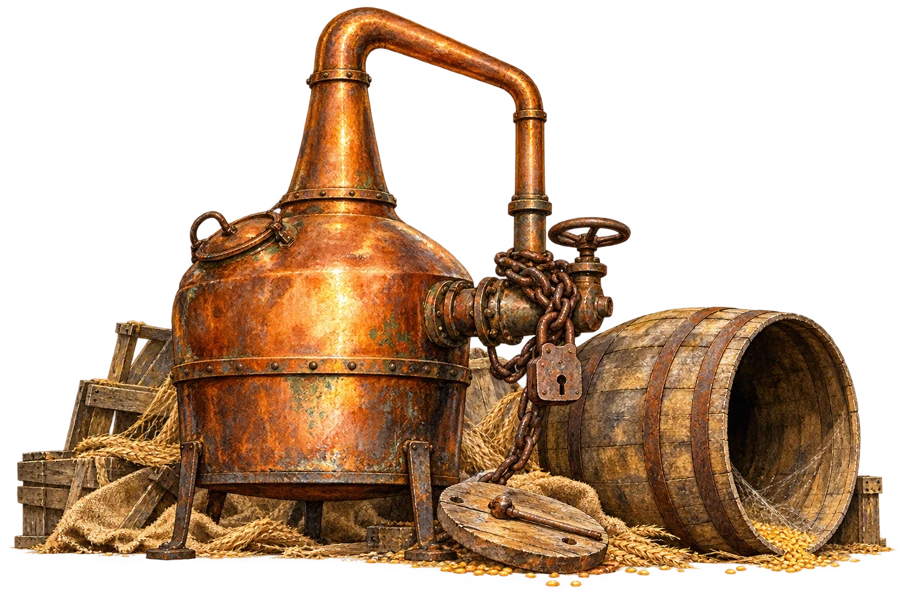
1920–1933
Prohibition breaks the rhythm
National Prohibition interrupts the family’s distilling business. Repeal makes a restart possible, but rebuilding requires people, equipment and working knowledge—not simply reopening the old doors.[1]
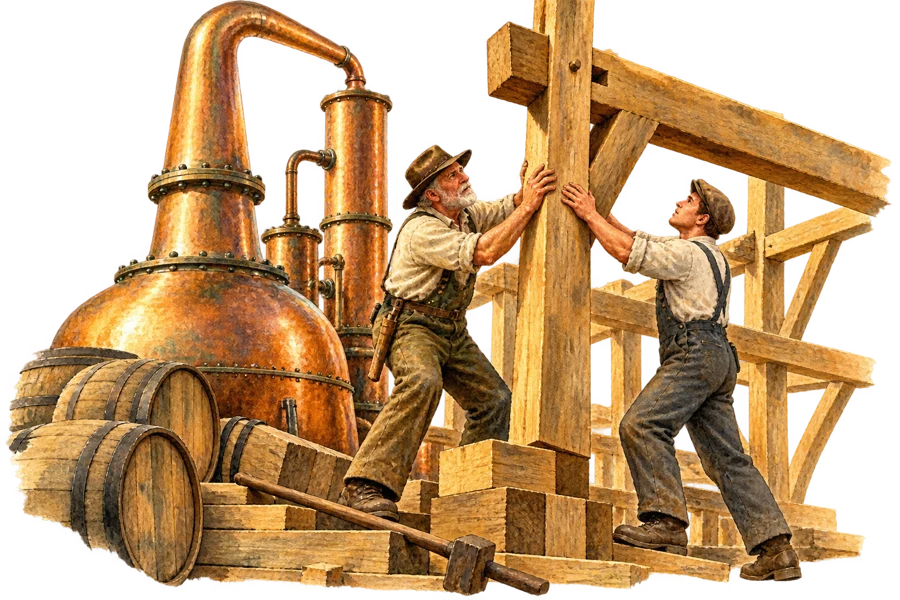
1934
The Clermont restart
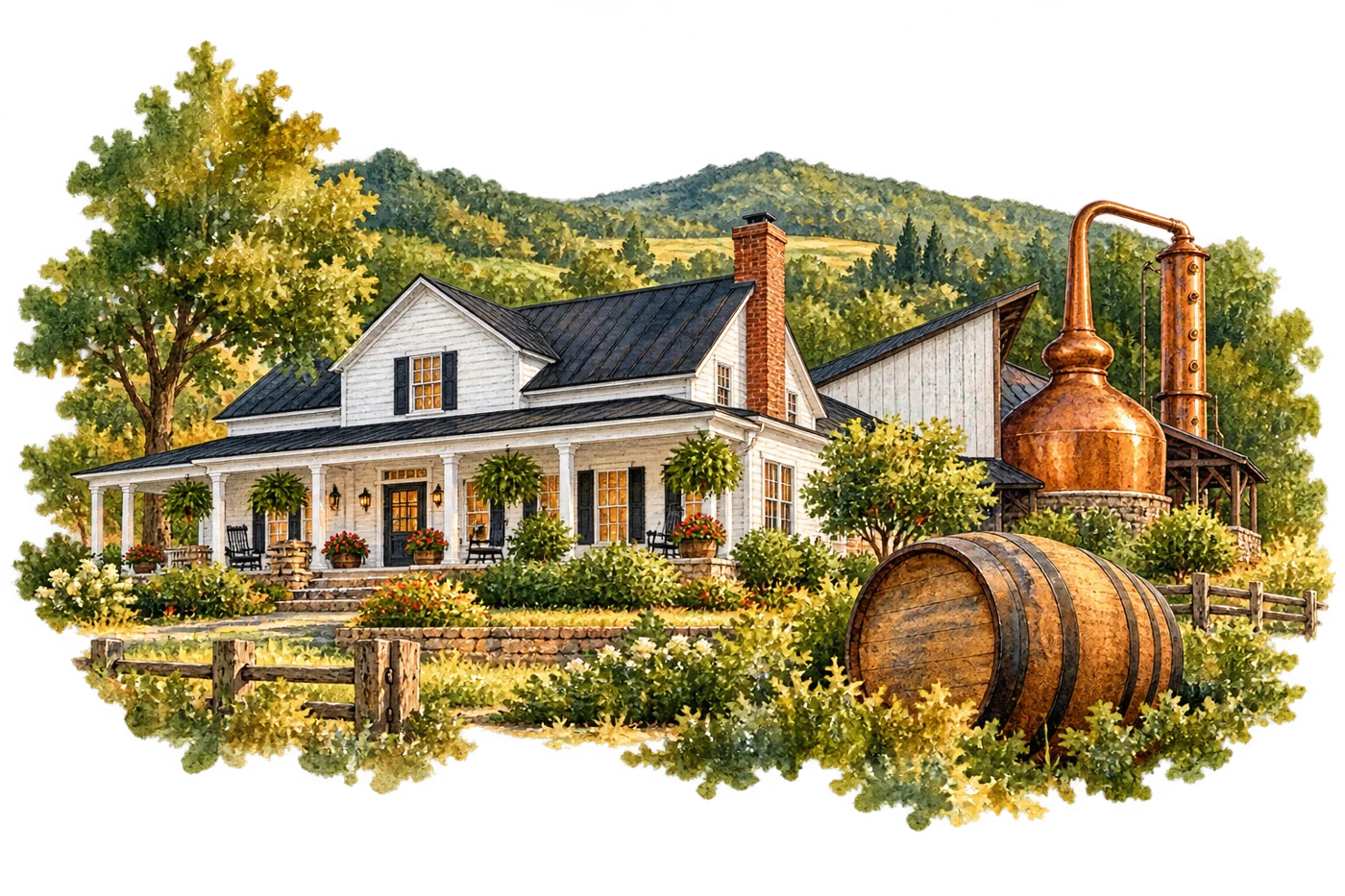
The corporate heritage chronology dates the new James B. Beam Distilling Company and Clermont rebuild to 1934. The celebrated 120-day rebuilding account belongs to this return after repeal.[3]
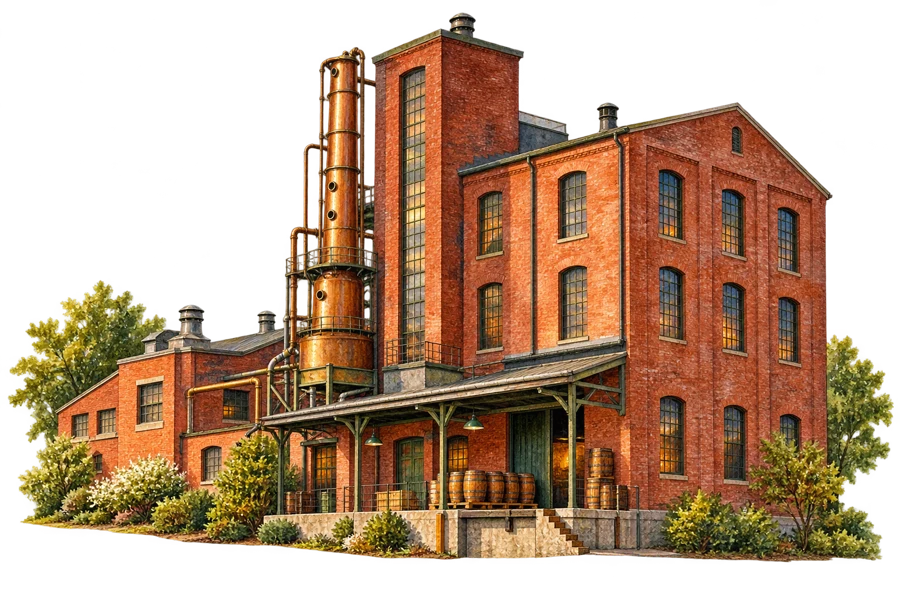
1954
A second production home
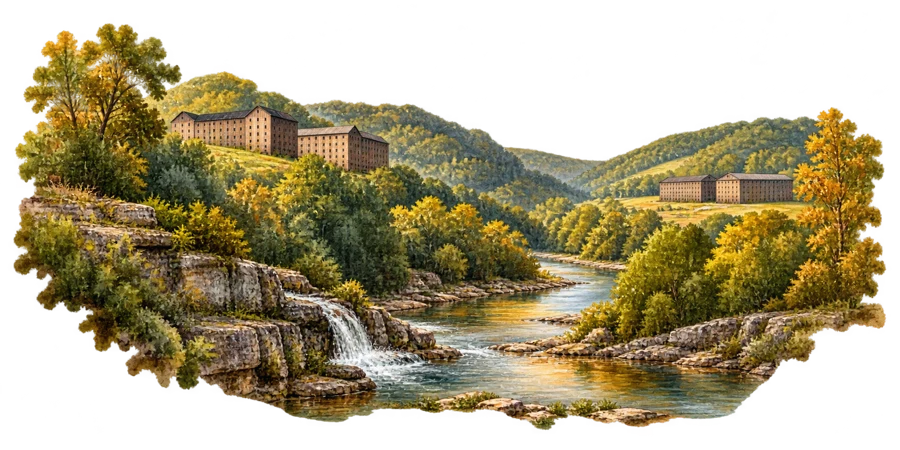
A second distillery opens in Boston, Kentucky. This expands the geography behind the Beam name: Clermont remains the familiar homestead, while Boston becomes another substantial production center.[3]
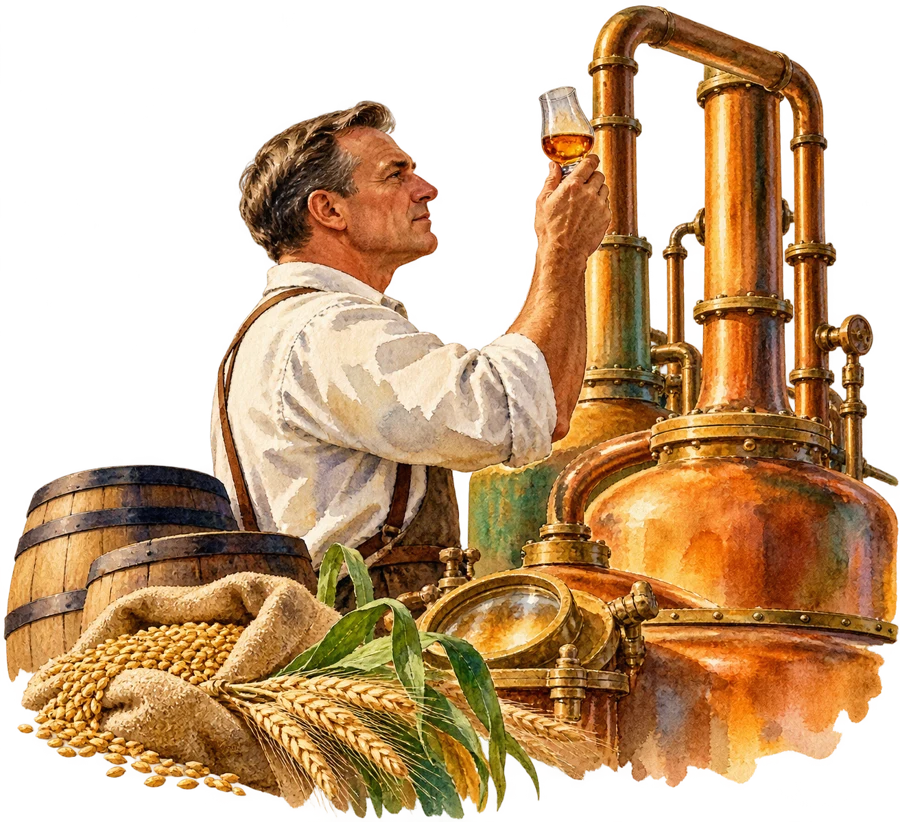
1960
Booker at Boston
Booker Noe becomes master distiller at the Boston plant. His work connects large-scale whiskey making with the curiosity about individual barrels that later shapes his namesake bourbon.[1][3]
1987–1988
Private gifts become Booker’s
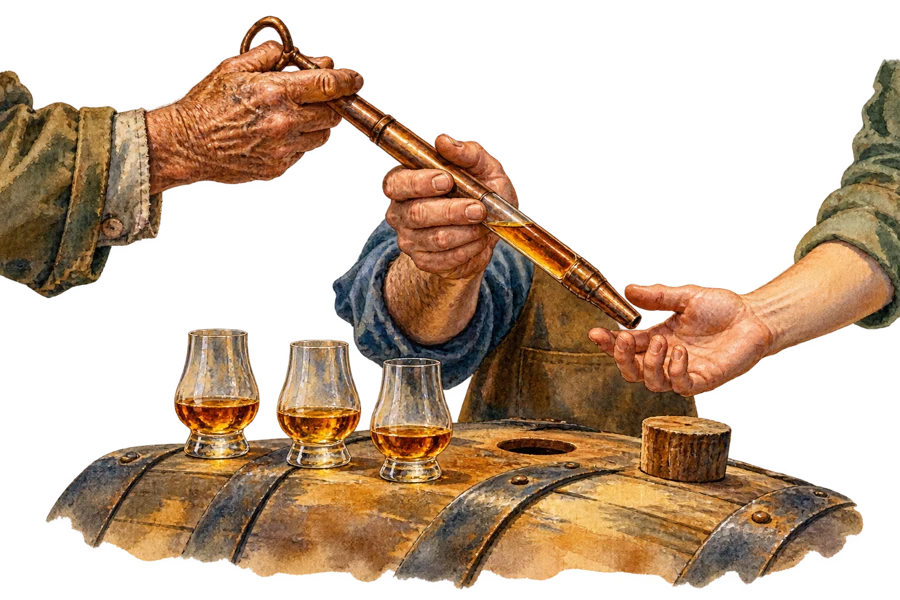
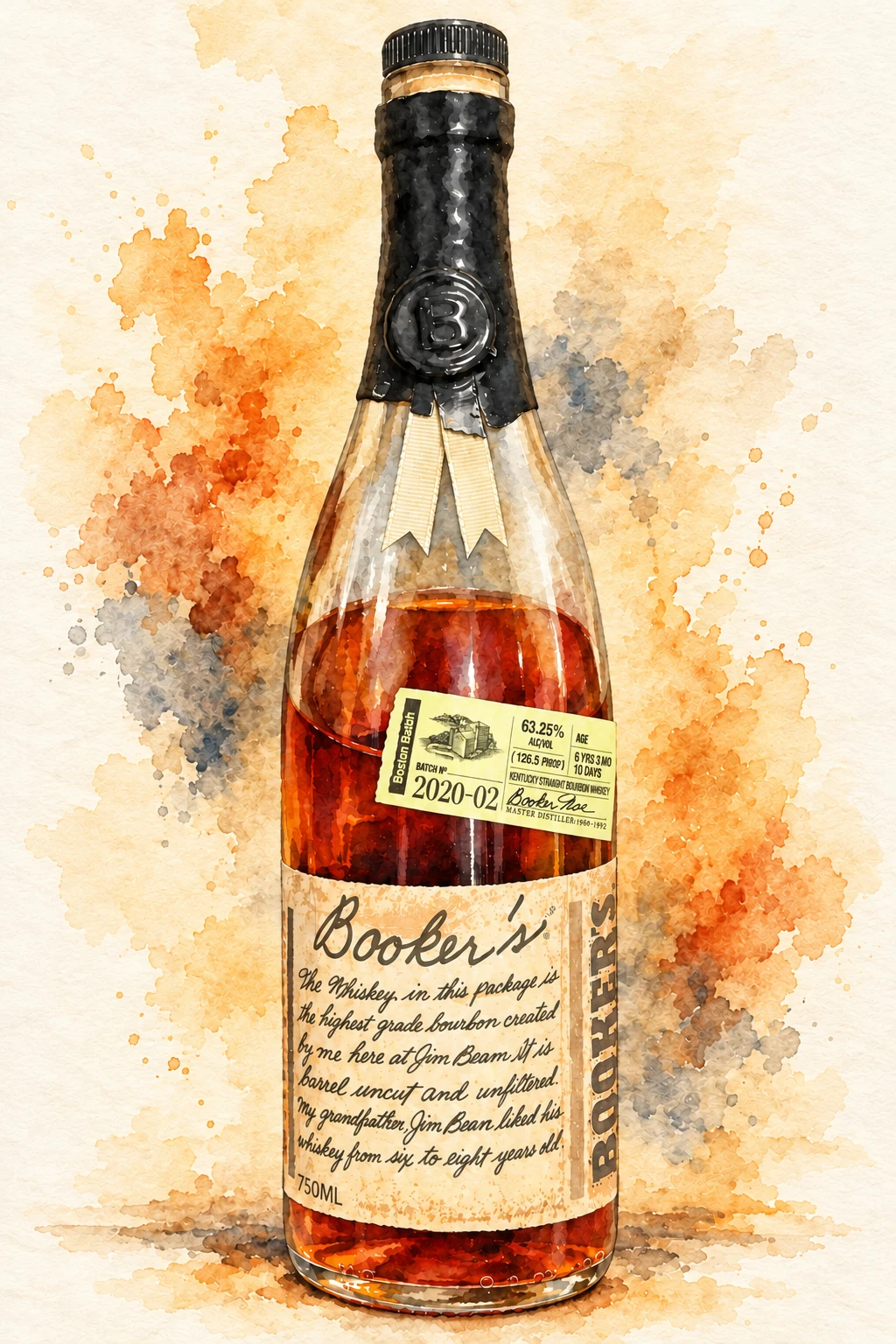
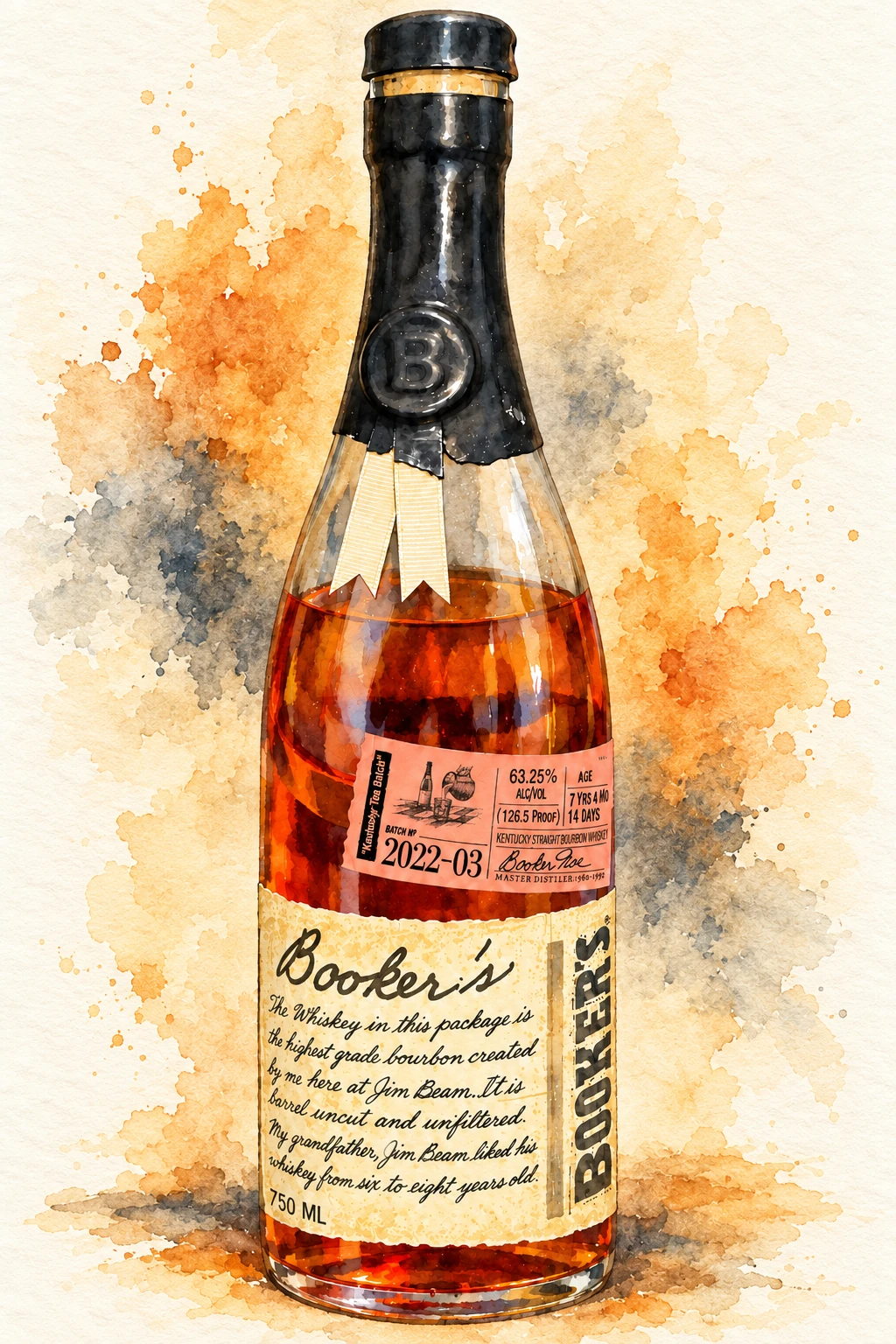
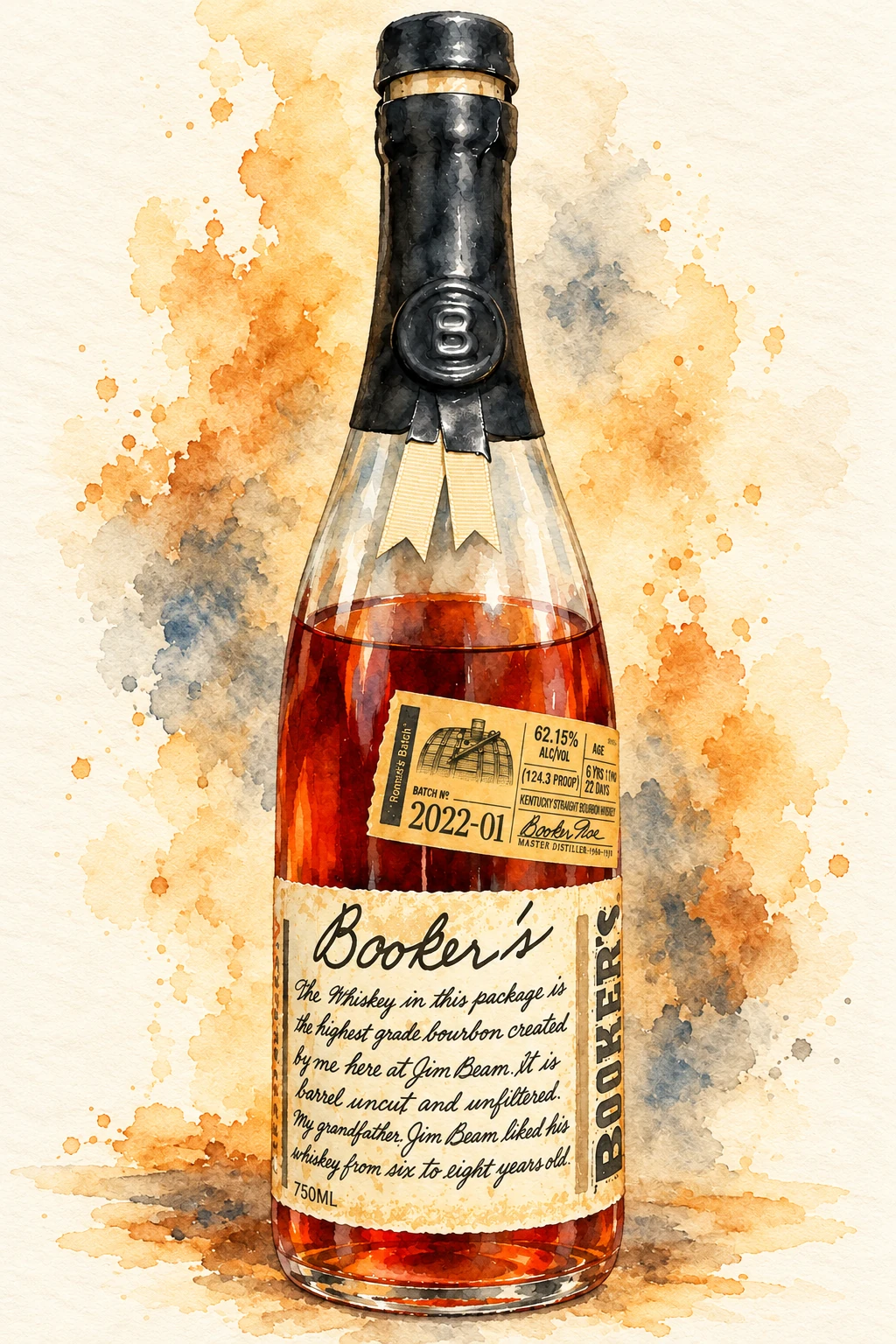
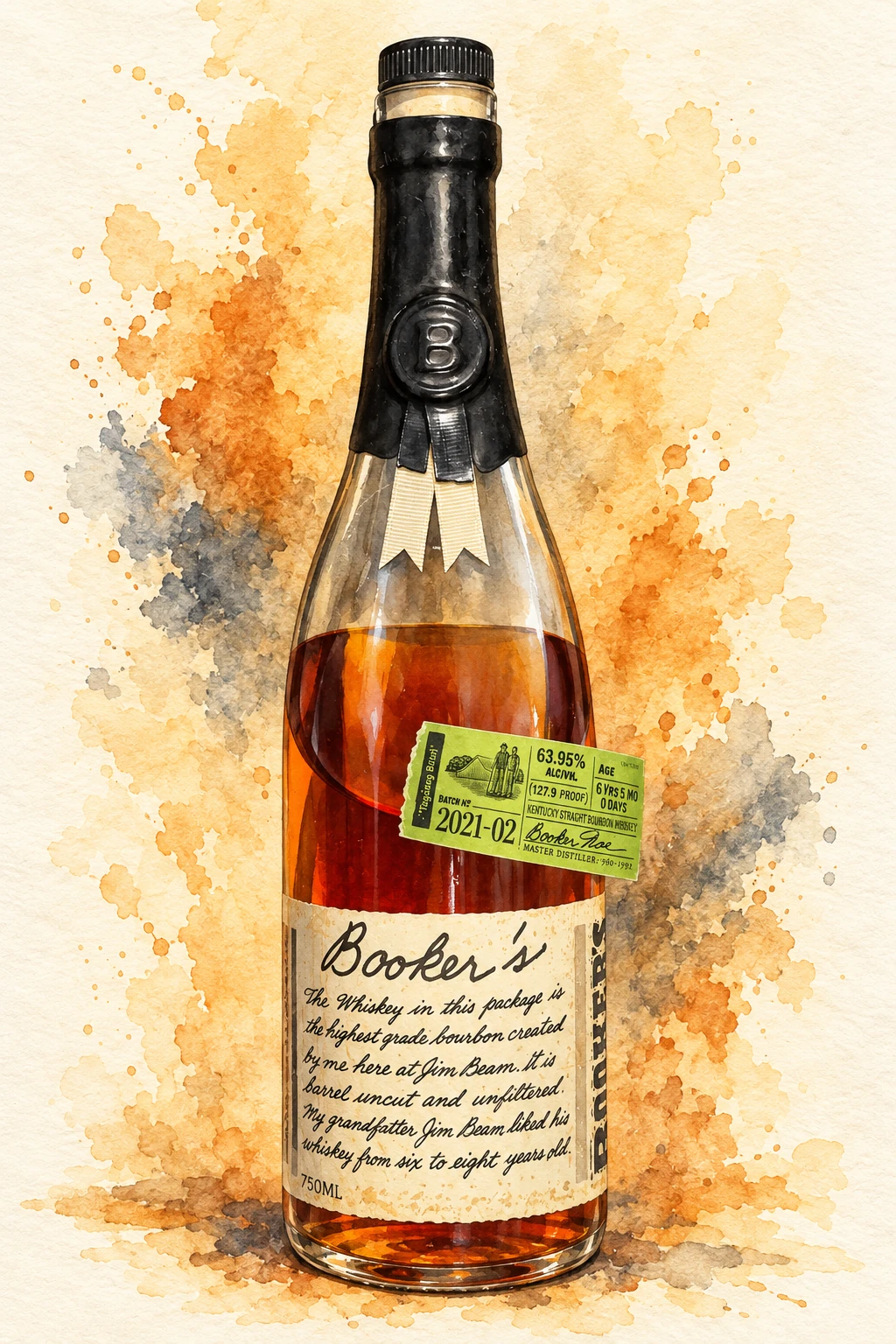
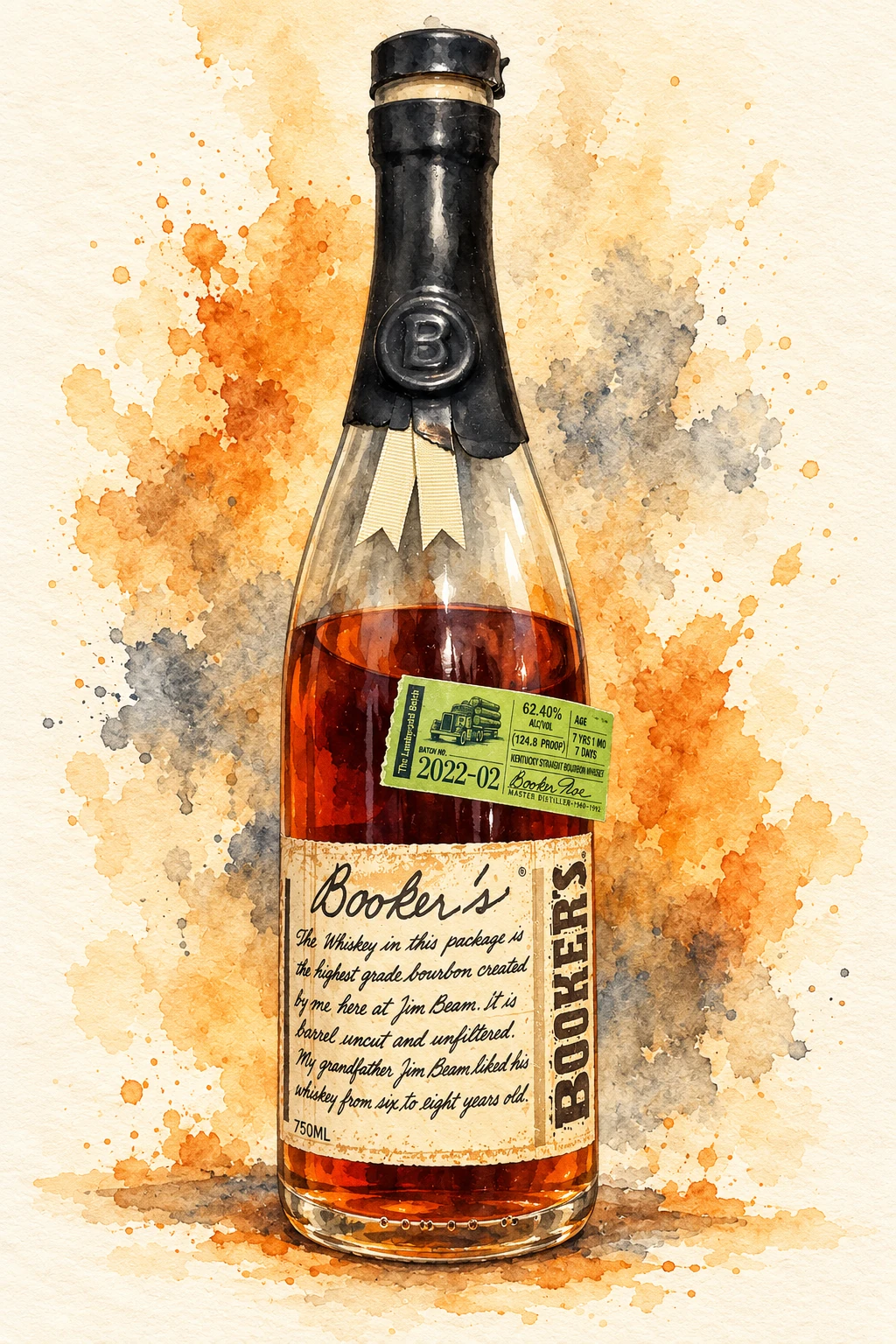
Booker’s own history traces the whiskey to 1987 holiday gifts. The corporate archive places its public launch in 1988. Those are compatible stages in a story that begins with sharing whiskey straight from the barrel.[7][3]

1992
Four distinct small-batch voices
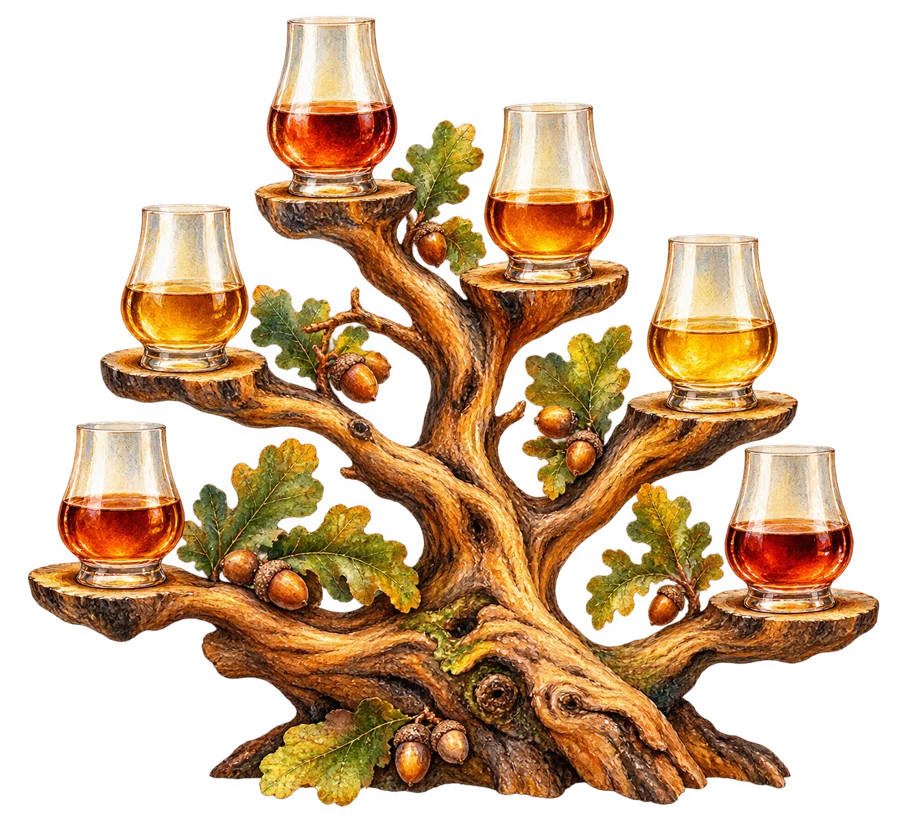
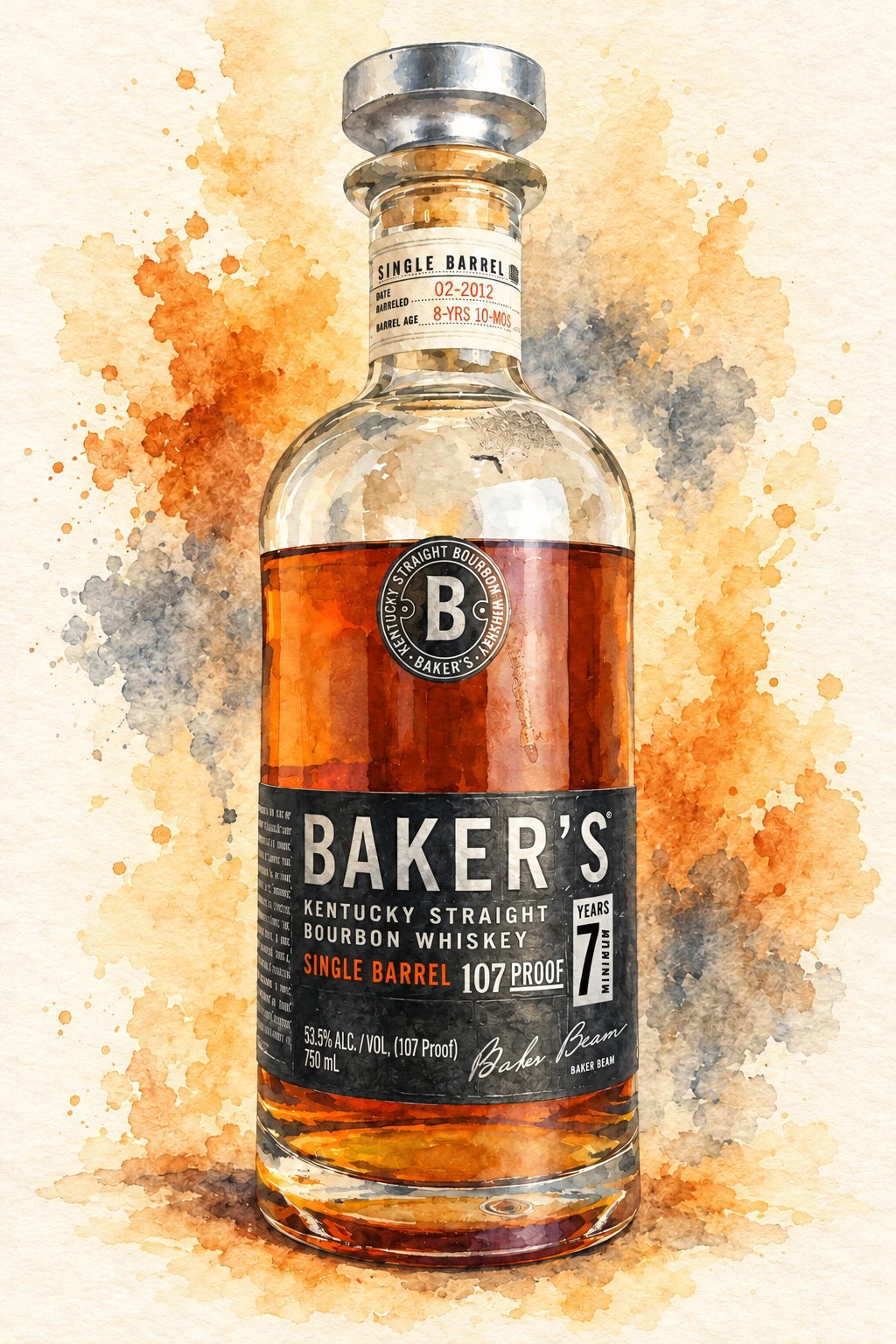
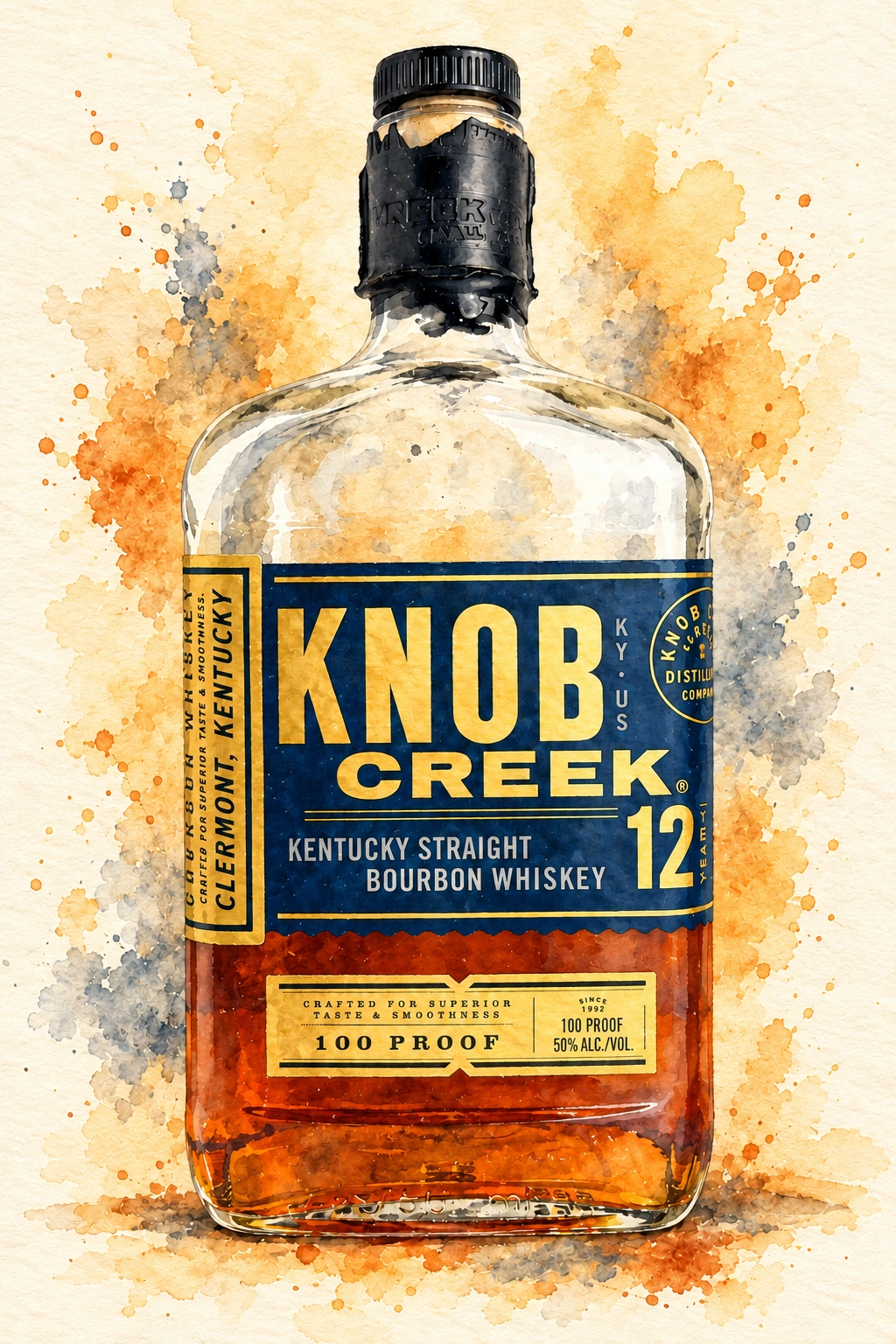
Baker’s, Basil Hayden and Knob Creek join Booker’s in the Small Batch Bourbon Collection. The collection offers drinkers different expressions within the Beam family rather than one premium whiskey wearing four labels.[1][10]
2014
Beam joins Suntory
Suntory acquires Beam, linking the Kentucky whiskey business to a global Japanese drinks company. Ownership changes; the Beam and Noe family story remains part of the whiskey’s public identity and leadership.[16]
2017
Little Book begins
Freddie’s first Little Book chapter, The Easy, blends bourbon with corn, rye and malt whiskeys. Its composition makes the point immediately: a Beam-family project can explore American whiskey beyond straight bourbon alone.[11][12]
May 2022
Two generations, distinct roles
Freddie is named master distiller of the Fred B. Noe Distillery during the celebration of the renewed Clermont homestead. Fred retains his portfolio role, making the occasion a shared working chapter.[4]

September 2022
Boston’s next investment
Beam announces an investment exceeding $400 million to expand the Booker Noe distillery. A planned system would turn spent stillage into renewable gas. The announcement establishes the ambition; it does not by itself verify later completion.[18]

2024
Seven years on the black label
Jim Beam Black is relaunched with a seven-year age statement and 90-proof bottling strength. The change is expression-specific, a reminder to read the label on a bottle rather than carry older specifications forward.[19]
2026
A pause with a defined scope
A company statement issued in late 2025 plans a 2026 pause at the main Clermont distillery, with site improvements. It says the Fred B. Noe Craft Distillery, the Boston operation and the visitor experience continue. The plan does not describe the entire Beam business closing.[21]
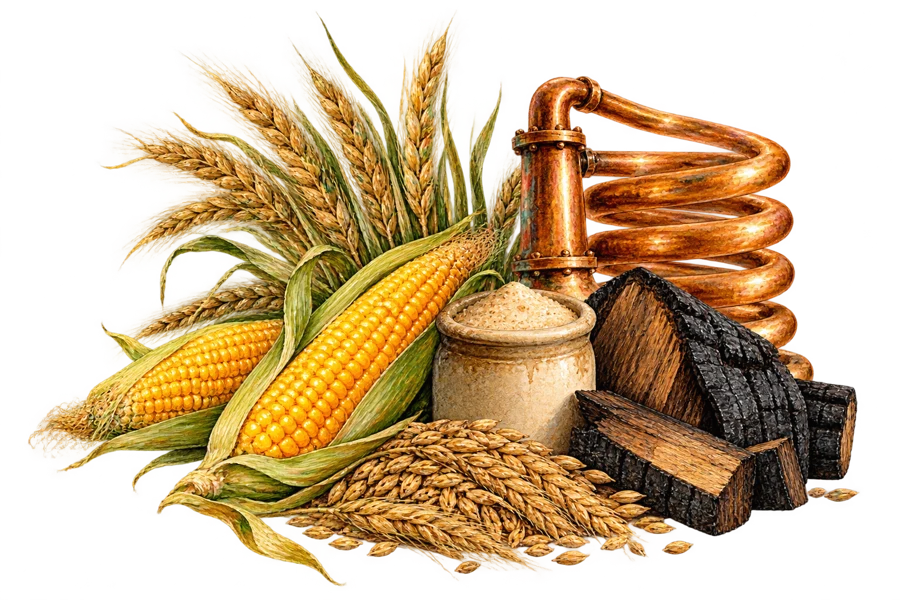
Original watercolor interpretations accompany the history. Buildings, objects and scenes are symbolic, not documentary reconstructions.