TJ THELEN'S COLLECTION
The Thelen Reserve
Behind the Bottles / Ancram, New York

Hillrock Estate Distillery

Last updated Last researched

A whiskey story rooted in the field.

At Hillrock, the landscape is part of the production story. Grain fields, a malt house and copper distilling equipment turn a Hudson Valley estate into a working whiskey proposition. Yet the name also carries a second tradition: Solera Bourbon, built through blending and successive maturation. Understanding how those strands meet makes the label more interesting, and more precise.[1][10][18]

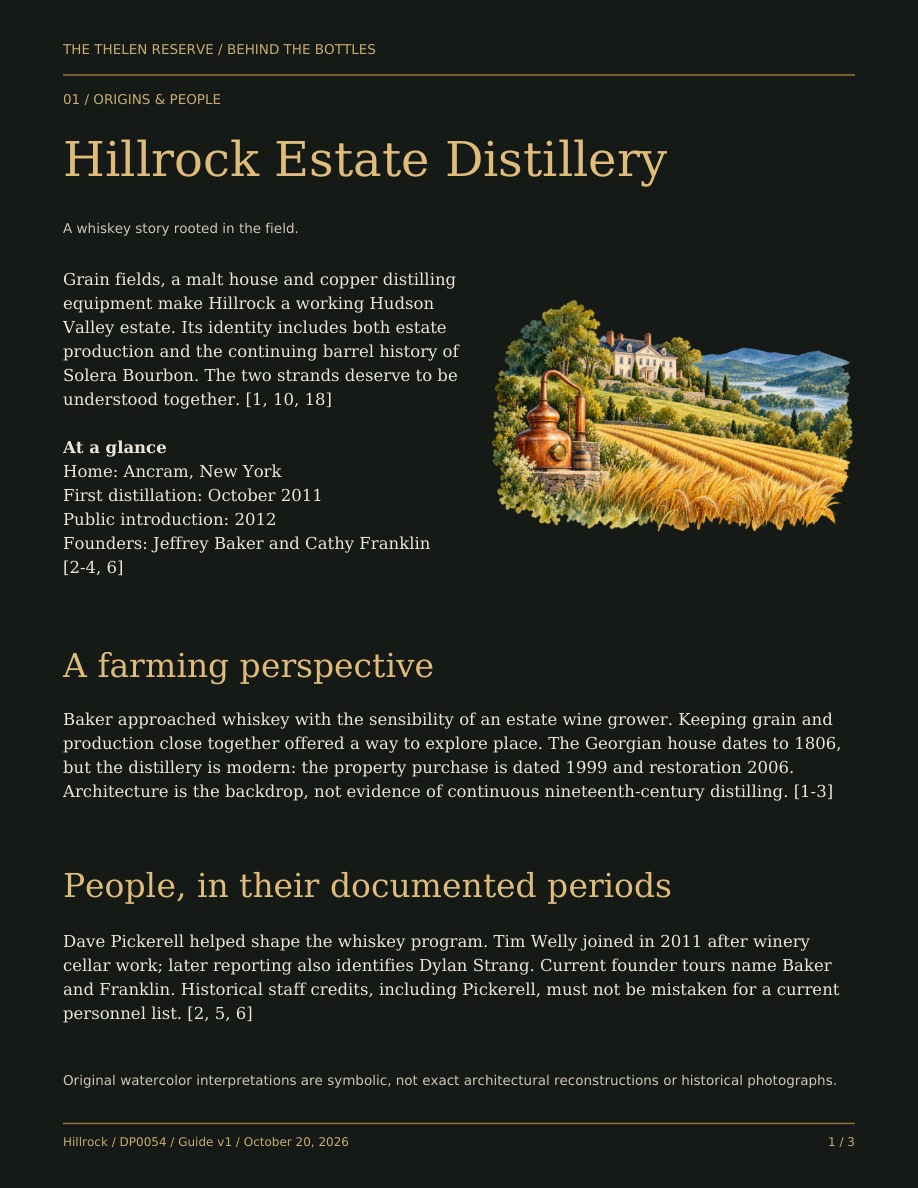
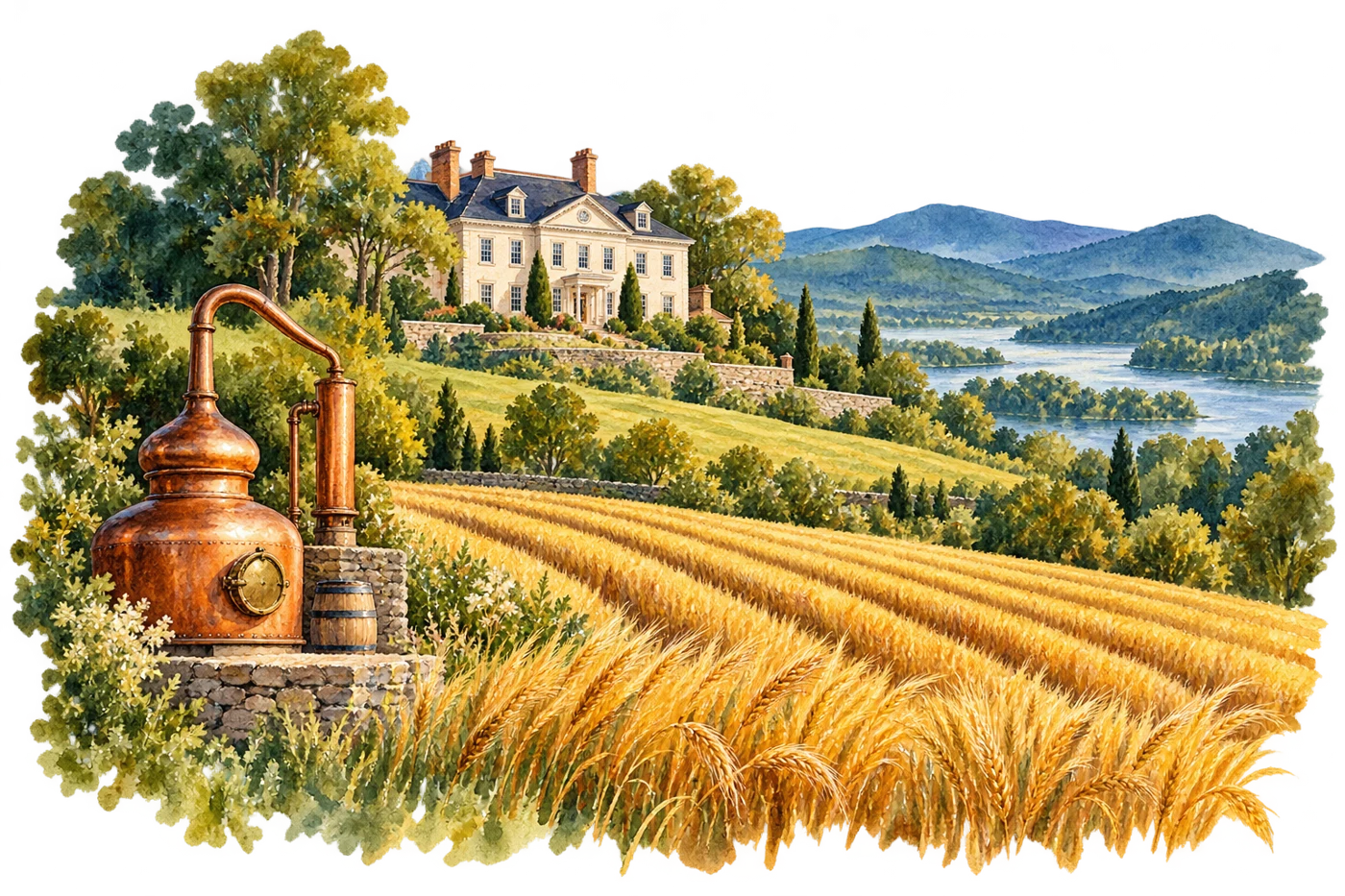
Symbolic Hudson Valley estate house and barley fields
Home
Ancram, New York[6]
First distillation
October 2011[2]
Public debut
2012[3][4]
Signature approach
Estate grain + solera[1][10]
01 / Origins & people

A farm becomes a whiskey estate.

Start with the farm

Jeffrey Baker brought a farming perspective to a whiskey project: the raw material could express a place before a cask supplied its own influence. The estate model draws a deliberate parallel with wine, asking what changes when the grower and whiskey maker work within the same landscape. The result is a producer whose identity includes agriculture as well as equipment.[3]

The house is older than the whiskey

The Georgian house dates to 1806. It provides a historic focal point, but it is not evidence of two centuries of continuous distilling. Reporting describes its move to the estate; a contemporary 2012 interview dates the Ancram property purchase to 1999 and the house restoration to 2006. Distilling began much later.[1][2][5]

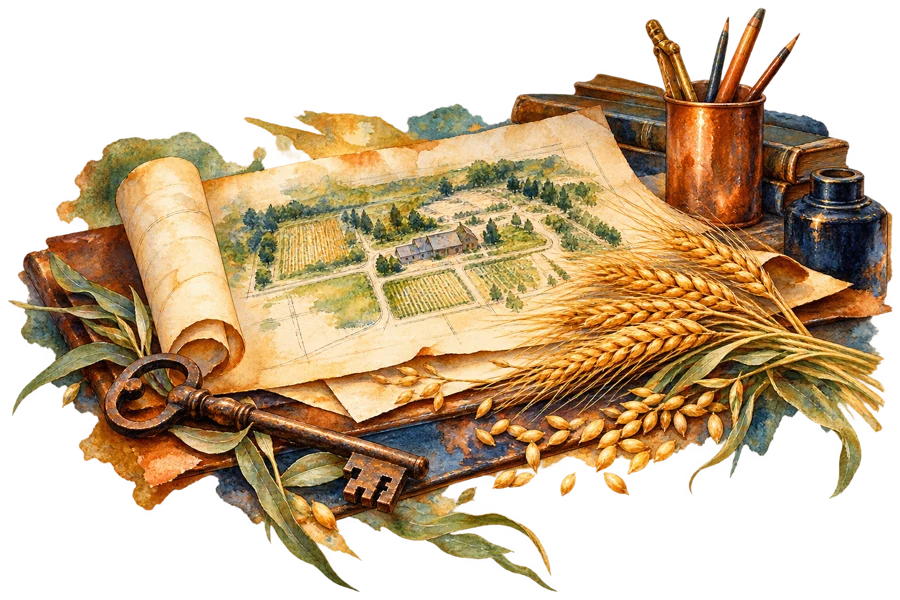
Symbolic estate planning desk and grain

Jeffrey Baker

The founder's estate vision connects grain growing with whiskey making. The University of Kentucky identified him as Hillrock's CEO in its 2024 and 2025 announcements. His role in the Alliance extends that agricultural idea into a wider discussion about provenance.[7][8]

Cathy Franklin

Hillrock's current visitor program names Franklin and Baker together as founders. Interview reporting credits her with shaping the square bottle, inspired by a perfume flacon. That design story belongs to the packaging, rather than serving as evidence about the liquid inside.[6][5]

Dave Pickerell and the early team

Pickerell helped establish the whiskey program. Tim Welly joined in 2011 after winery cellar work; later reporting also names Dylan Strang among the distillers who worked with Pickerell. These are dated credits. They should not be mistaken for a verified current staffing chart.[2][5]

02 / The illustrated history

Fields, copper and a living barrel history.

Follow the estate, the working distillery and the whiskey family. Each date belongs to its documented event.
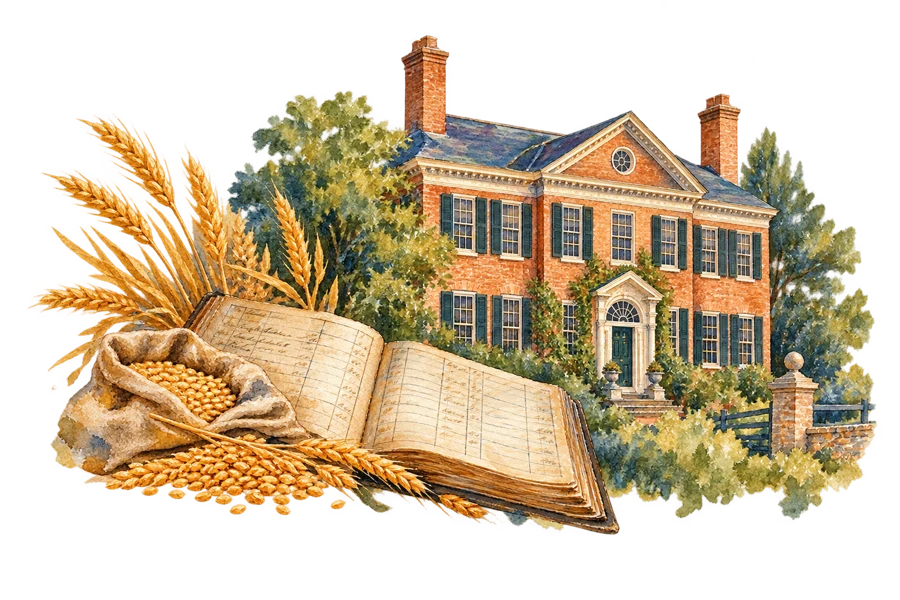
Symbolic illustration: A house, before a distillery
1806 / architectural heritage

A house, before a distillery

The Georgian house gives the estate its historic landmark. Its construction year belongs to the building, not the modern whiskey business.[1]
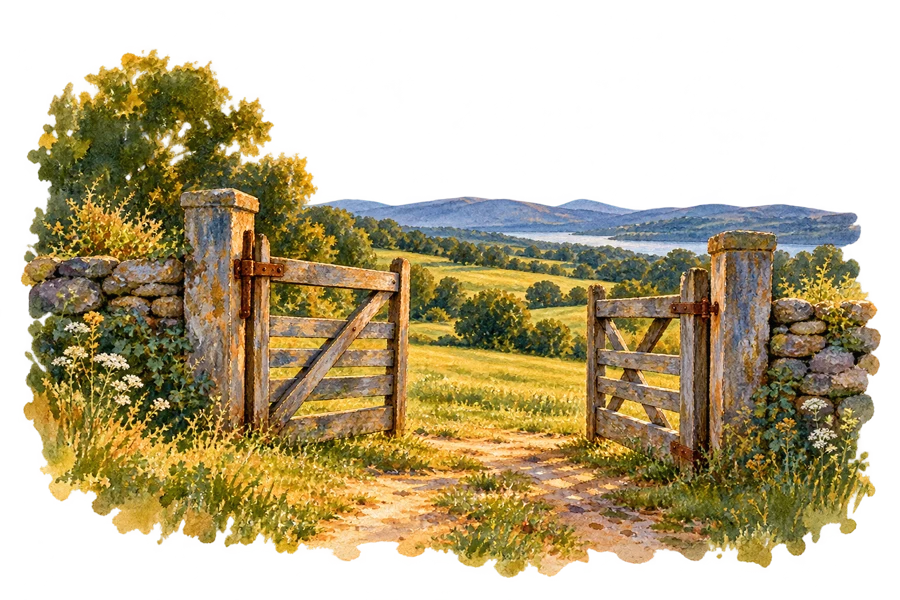
Symbolic illustration: The land is acquired
1999

The land is acquired

Baker's later account dates the Ancram property purchase to 1999. The distillery would emerge from a longer relationship with the land.[2]
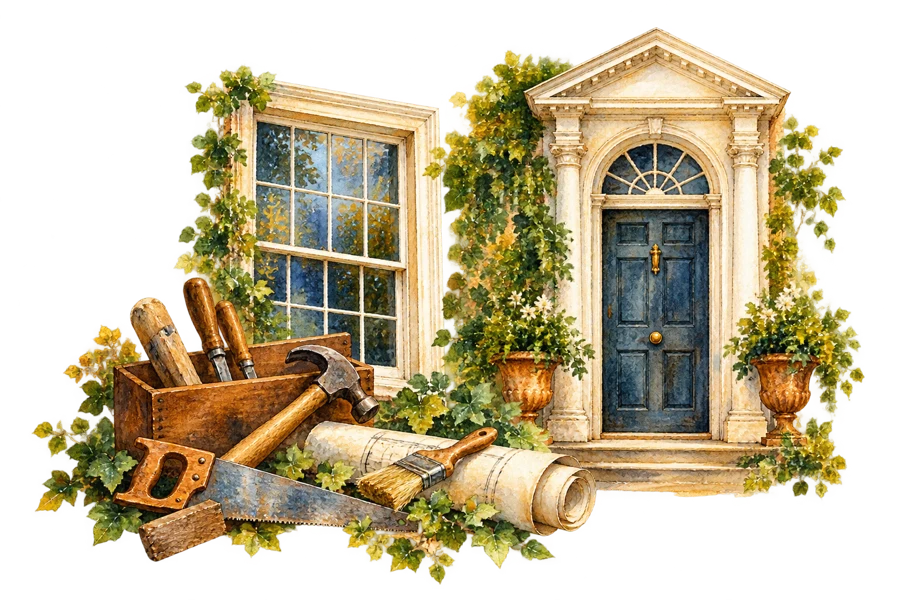
Symbolic illustration: The house is restored
2006

The house is restored

The 2012 interview dates restoration to 2006, another step before production. Architecture and agriculture frame the later distillery project.[2]
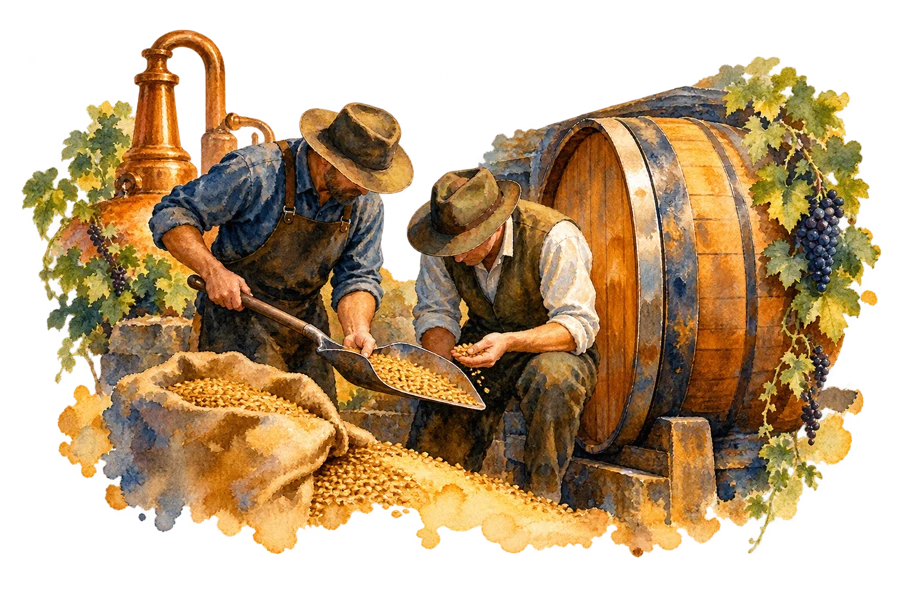
Symbolic illustration: Wine experience joins the team
2011

Wine experience joins the team

Tim Welly arrives after cellar work at Millbrook Winery. His early operations role adds another connection between wine practice and whiskey making.[2]
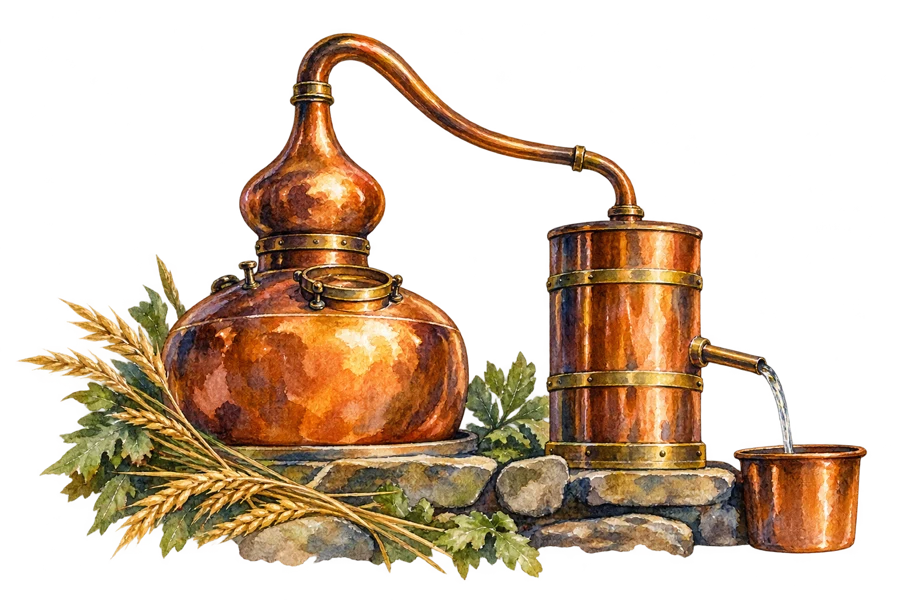
Symbolic illustration: The still begins working
October 2011

The still begins working

Contemporary reporting dates first distillation to October 2011. This is the production milestone, distinct from the next year's public introduction.[2]
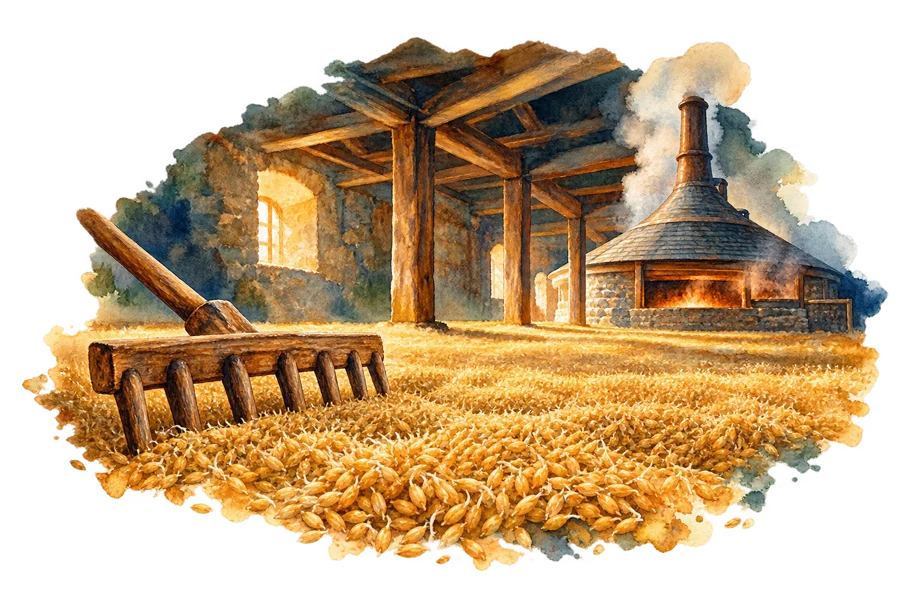
Symbolic illustration: Malting becomes part of the estate
2012 / launch period

Malting becomes part of the estate

The launch announcement describes on-site floor malting and smoking. Handling grain before mashing becomes a defining part of the production story.[3]
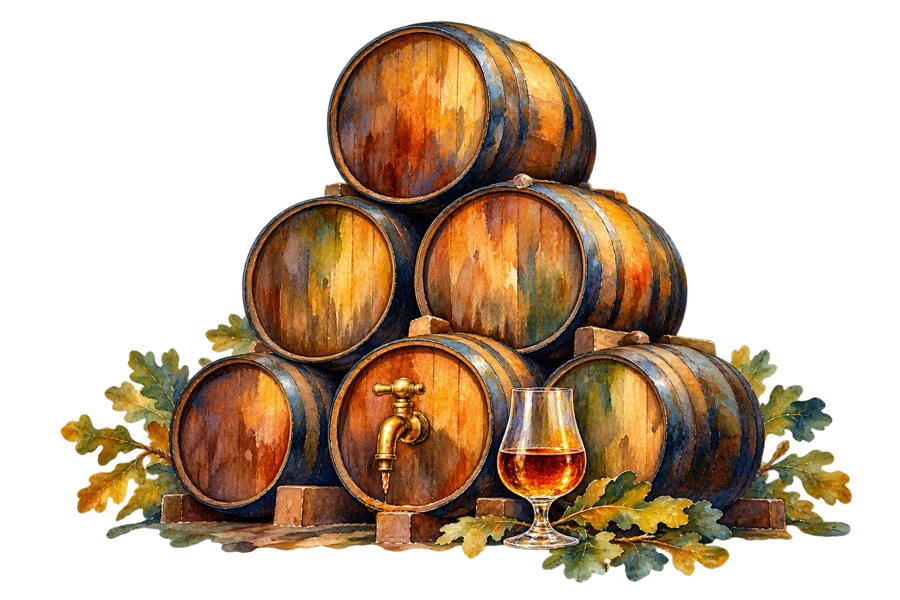
Symbolic illustration: Solera Bourbon enters the story
September 2012 / announced

Solera Bourbon enters the story

The August announcement schedules the bourbon's New York introduction for September. Later accounts use other debut dates; the profile preserves the distinction between announcement and celebration.[3][18]
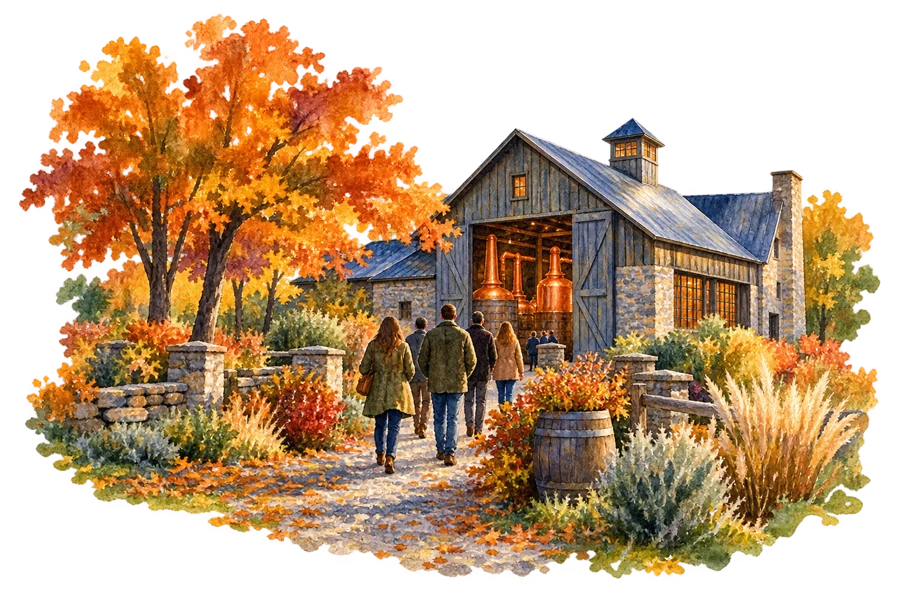
Symbolic illustration: An open house welcomes visitors
November 2012

An open house welcomes visitors

A January 2013 trade report records nearly 600 visitors at the November open house celebrating the first spirits. The event makes the estate a public destination.[4]
Symbolic illustration: Investment in copper
2018 / reported in 2020

Investment in copper

Founder-interview reporting dates a Vendome still purchase to 2018. It documents investment in the production plant without turning a historical capacity statement into a current figure.[5]
Symbolic illustration: Pickerell's legacy continues
November 2018

Pickerell's legacy continues

Pickerell's death marks a change in the founding team. Subsequent reporting describes his procedures and training continuing through the people who worked beside him.[5]
Symbolic illustration: A founding Alliance member
August 23, 2024

A founding Alliance member

The University of Kentucky names Hillrock among seven Estate Whiskey Alliance founding members. A shared provenance initiative becomes a new chapter in the estate idea.[7]
Symbolic illustration: Certified estate releases
June 10, 2025

Certified estate releases

Hillrock joins the first wave of certified products. The register separately identifies its bourbon, rye and malt lots. The certification is product-specific, not retroactive for the whole portfolio.[8][9]

Original watercolor interpretations accompany the history. Buildings, objects and scenes are symbolic, not documentary reconstructions.
03 / Geography & roles

A working landscape, with distinct roles.

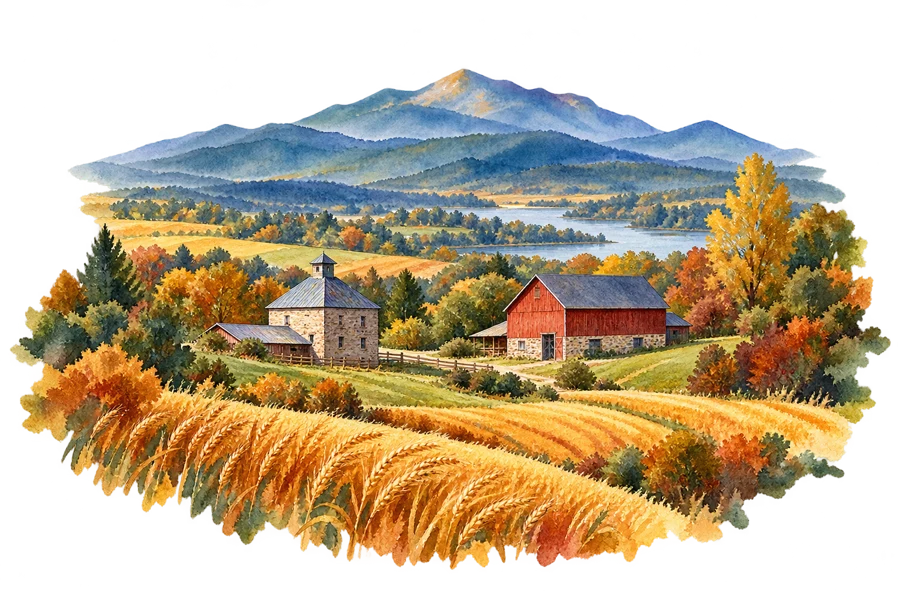
Symbolic Hudson Valley production estate

Ancram / production home

The official contact address is 408 Pooles Hill Road, Ancram. The estate brings production and visitor experiences together in the Hudson Valley, with distant Berkshire views contributing to its visual identity.[1][6]

Malt house / grain transformation

The malt house is where barley becomes a prepared ingredient. Floor malting gives the team control over germination and drying, including smoke where the named whiskey calls for it. It is a production role, beyond the picturesque farm setting.[1][3]

Rickhouse / time and wood

The visitor program includes the rickhouse as well as the distillery and malt house. That route helps explain how field work, spirit making and maturation happen in different spaces within one estate operation.[6]

Named fields / traceable lots

The certification register identifies Hillrock Estate for Double Cask Bourbon, Long Lake for the listed rye and Pooles Hill for the listed malt. These entries give specific releases a closer geographical identity than a state name alone.[9]

04 / The whiskey family

Understand the name on the label.

Selected ownership, site and production relationships. Corporate links do not make every whiskey the same release.

Hillrock Estate Distillery

Producer and production home

The producer and estate identity brings several whiskey categories together. Solera Bourbon, Double Cask Bourbon, Double Cask Rye and malt are related through the producer, but their recipes and maturation histories differ.[10][11][12][13]

Estate Whiskey Alliance

Founding member

An independent certification and research relationship, not an ownership link. Membership appeared in 2024; qualifying product certification followed in 2025.[7][8]

Historical sourced bourbon

Historical liquid relationship

Release-era reporting identifies sourced bourbon alongside Hillrock distillate in Solera. It does not justify assigning a specific undisclosed source distillery, or calling every older bottle wholly estate-distilled.[18][19]

Wine and fortified-wine casks

Maturation connections

The current catalog extends beyond Oloroso into Sauternes, Pinot Noir and other finishes. A cask supplier or finish name does not establish an ownership relationship with that wine producer.[14][15]

05 / Making & choosing

The recipe is only the beginning.

Grain, fermentation, distillation, oak and selection each leave a mark. Age and proof claims below belong to the expressions named.

Symbolic new-oak casks with differing char and estate rye

Estate grain, with evidence

The EWA register gives the 2025 Double Cask Bourbon a 51% estate corn, 49% estate rye recipe. Its listed rye uses estate rye and its malt uses barley malted on the estate. Those percentages belong to those certified releases.[9]

Floor malting and smoke

The Sheffield Hill OPX malt page specifies WintMalt barley and 18 hours of peat smoke. It is a concrete example of how grain variety and malt treatment can be made visible, rather than a universal smoke specification for Hillrock.[13]

A living Solera

Historical accounts describe older and younger whiskey moving through a continuing barrel system. The attraction is continuity across withdrawals and replenishment. An average or oldest component age cannot be read as the age of every drop.[18][19]

The Oloroso connection

The standard Solera page identifies Oloroso finishing and 92.6 proof. Its sherry influence is a separate stage in the story. A barrel previously used for old sherry does not make the bourbon that old.[10]

Two chars, two casks

The standard 90-proof Double Cask Rye moves from #3 char new American oak to #4 char new oak. Double Cask Bourbon also uses two char levels, but has its own grain and age description.[11][12]

Proof and finish define the edition

Winter Dram, special rye casks and Owner's selections appear alongside standard products. They should be read individually. Shared brand and bottle shape do not make higher-strength or differently finished releases interchangeable.[14][15][16]

06 / The details worth knowing

Where the estate idea gets interesting.

Estate is a claim that can be checked

The certification requires production on the estate and a minimum estate-grain share. Hillrock's listed 2025 products report 100%. The useful question is which release carries that evidence, rather than whether the word estate appears somewhere in the brand story.[8][9]

A square bottle with a different inspiration

Interview reporting links Franklin's square bottle design to Chanel No. 5. It is an unexpected design reference for a whiskey estate. The silhouette became a recognizable part of the presentation while the whiskey family continued to diversify.[5]

The launch has more than one date

September was the announced debut; November brought the documented open house. Some retrospective coverage says October. These may describe different stages. Treating them as a single indisputable day would erase the evidence rather than clarify it.[3][4][18]

Awards belong to a whiskey and a year

Hillrock's selected list records recognition across bourbon, rye and malt, including 2013 recognition for Solera and 2015 for Single Malt. It shows breadth over time, but an older award is not a result for every current limited cask.[17]

An old house is not an old distilling license

The estate architecture offers a long historical backdrop. The working distillery has a twenty-first-century beginning. Keeping those timelines apart gives credit to the new project without borrowing an unsupported continuous history.[1][2]

A producer can evolve without rewriting its past

The estate-certified Double Cask products add a clearly documented chapter. They do not replace the historical blending account for Solera. Both can belong in the same producer story when the release names remain visible.[9][18]

07 / Selected expressions

Read the grain, then the cask.

A curated reading of the whiskey family, selected for its role in the story. This is not an exhaustive current catalog.

Solera Aged Bourbon

The standard 92.6-proof Oloroso-finished bourbon is the clearest introduction to Hillrock's continuing barrel-system story. Historical source-and-estate blending accounts remain relevant to its development; no universal age or exact source is assigned.[10][18]

Double Cask Bourbon / Bottled in Bond

The current 100-proof product is described as 100% estate grain with more than five years across two char levels. It provides a useful comparison with Solera because its production identity is separately documented.[12]

Double Cask Rye

The standard 90-proof rye emphasizes estate rye and two new-oak char treatments. Its special finishes and higher-strength casks extend that foundation without changing the specifications of the standard bottling.[11][15]

Sheffield Hill / OPX Single Malt

The listed 96.4-proof bottling specifies 6.58 years, WintMalt barley and an extended peat treatment. It makes a field and grain variety part of the release identity. The product page does not establish a calendar year for its Father's Day reference.[13]

Limited cask finishes

Sauternes, Pinot Noir, rum and other finishes appear in the Solera range. Treat these as separate editions, with proof and cask details verified from each release rather than inherited from a range-page image.[14]

08 / The Reserve connection

Continue from the story to the bottles.

Hillrock Estate Distillery in The Thelen Reserve

1 physical bottle record connects this story to the collection. Each keeps its own proof, barrel, batch, pick and release details.

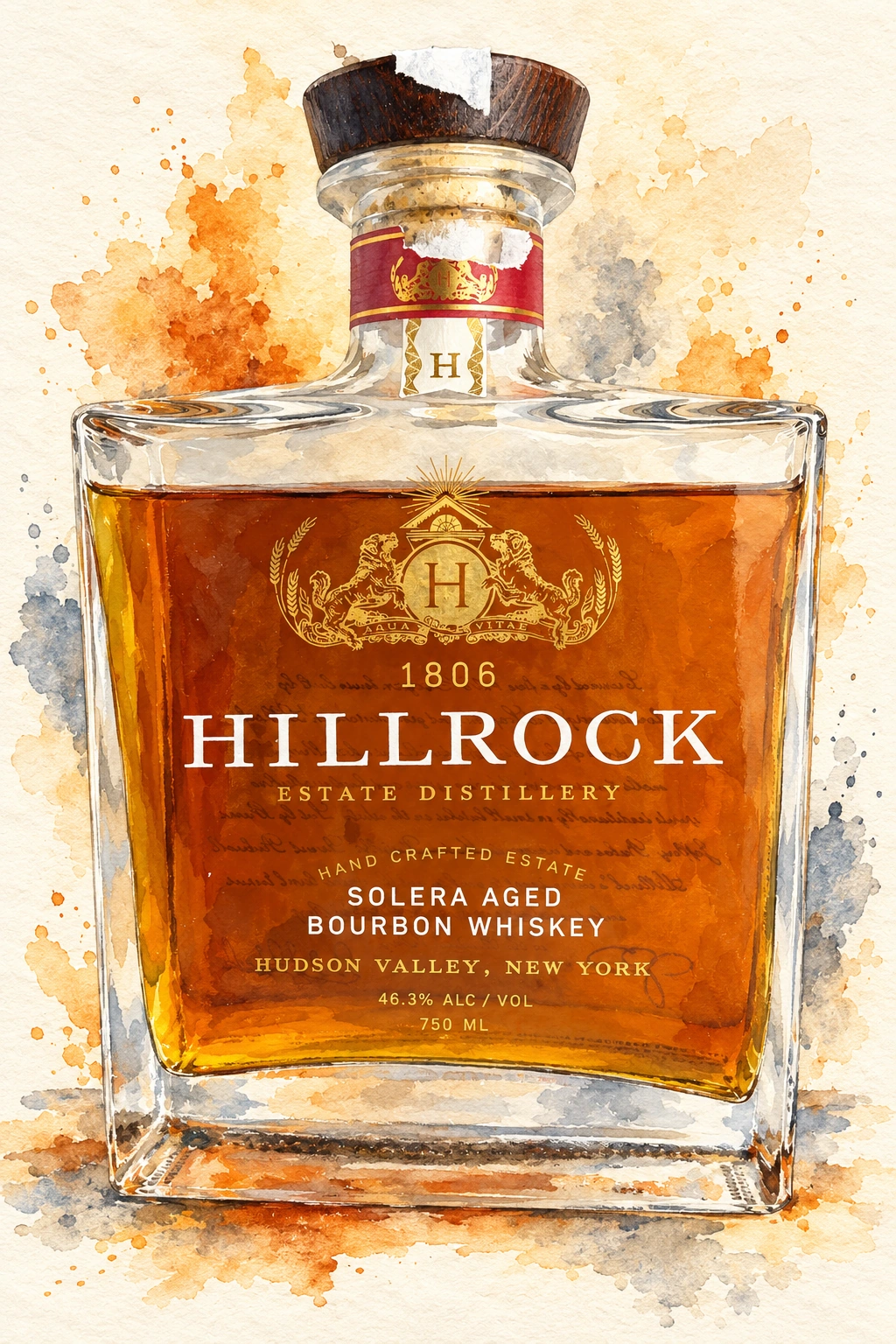
Approved watercolor of Hillrock Solera Aged Bourbon Whiskey - Sherry Cask Finished

Hillrock Solera Aged Bourbon Whiskey - Sherry Cask Finished

W0263 · 92.6 proof · Barrel 208

Front and side labels confirm barrel 208, 92.6 proof / 46.3% ABV, 750 mL, American oak aging and a sherry-cask finish. Hillrock in Ancram, New York is named as handcrafter, solera ager and bottler. No exact bottling date or complete original distillation-source composition is established; 1806 is an estate-history reference. The guide uses a disclosed broader-expression / other-barrel flavor reference.

Collection snapshot: October 23, 2026. One physical record. Exact approved bottle artwork appears only when a verified match is available.

Hillrock three-page guide cover
The illustrated companion

Hillrock, in three pages.

Origins and people, history and places, whiskey and stories. A concise companion to this full profile, with linked research sources.

Sources & research notes

Researched October 20, 2026. Primary producer announcements and institutional records are used wherever available. Product specifications are release- and market-specific.

Research qualifications

  • Researched October 20, 2026. Producer material and University of Kentucky/EWA records anchor current production and certification. Contemporary journalism supports early chronology.
  • The 1806 date is architectural heritage. First distillation is dated October 2011 in contemporary reporting. Announced September 2012 opening, retrospective October launch and documented November open house are preserved separately.
  • Dave Pickerell is discussed historically. Current official age-gate boilerplate still names him in present tense; no current master distiller is inferred. Welly and Strang credits are dated.
  • Estate certification applies to specified 2025 products and lots. It must not be applied to older Solera Bourbon without bottle-specific evidence.
  • No exact distillery for historical sourced Solera bourbon is asserted. A secondary review and indexed producer-hosted interview support the historical blending distinction; the Edible PDF could not be fetched in full.
  • Some range-page image descriptions differ from product titles in proof and cask numbering. Specifications follow named product pages or certified lot entries. No year is assigned from the undated Father's Day malt copy.
  • All watercolor scenes are fresh symbolic interpretations, not photographic evidence or exact reconstructions.

Full sources

  1. Hillrock / Our storyEstate mission, 1806 house, on-site grain, malting and distillation. Note: Historical first and terroir claims are producer claims, not independently proven rankings.
  2. Chatham Press / September 2012Contemporary interview: 1999 land purchase, 2006 restoration, Welly joining in 2011 and October 2011 first distillation. Note: Proposed September tours are plans; the article also covers unrelated businesses.
  3. Hillrock opening announcement / August 27, 2012Producer announcement reproduced by Bar Business: September opening, launch plans, copper still and estate production. Note: September 1 opening and September 15 tour plans are announcement dates, not proof every planned release occurred then.
  4. Beverage Media / January 3, 2013Reports nearly 600 visitors at a November 2012 open house marking first spirits. Note: November celebration does not erase the earlier September announcement.
  5. Tapping into Terroir / February 18, 2020Founder interviews: house relocation, bottle design, 2018 still investment and Pickerell legacy. Note: Staff, farm acreage and finishing durations are historical. The page has an issue-history ambiguity; use displayed date with qualification.
  6. Hillrock / Founders toursNames Jeffrey Baker and Cathy Franklin as founders; describes malt house, rickhouse and estate tours. Note: Availability is live and may change; no opening hours inferred.
  7. UK / EWA founding members, August 23, 2024Hillrock named as founding member; certification announced for 2025. Note: Membership is distinct from product certification.
  8. UK / First certified products, June 10, 2025Hillrock bourbon, rye and malt included in first certification wave. Note: Certification applies to qualifying products, not every historical Hillrock bottle.
  9. EWA / Certified product register2025 Hillrock Double Cask Bourbon, Double Cask Rye and Single Malt, specific lots and grain percentages. Note: Product and lot-specific. Solera Bourbon is not listed as one of these three certifications.
  10. Hillrock / Solera Bourbon 92.6 proofCurrent standard proof and Oloroso sherry finish. Note: Do not treat the age of the sherry cask as the age of its whiskey.
  11. Hillrock / Double Cask Rye 90 proof100% estate rye, pot distillation and sequential #3 then #4 char new oak. Note: Named standard release, not all special rye editions.
  12. Hillrock / Double Cask Bourbon 100 proof100% estate grain, more than five years across two char levels and bottled-in-bond designation. Note: This is a separate product from 92.6-proof Solera Bourbon.
  13. Hillrock / Sheffield Hill OPX maltWintMalt barley, 18-hour peat smoke, 6.58-year maturation and 96.4 proof. Note: Father's Day reference has no explicit year in the product copy; no release year inferred.
  14. Hillrock / Solera rangeWine-finished variations and current limited cask listings. Note: Some image descriptions disagree with current titles on cask number and proof. Do not use alt text as release identity.
  15. Hillrock / Rye rangeRye cask finishes, Winter Dram, Exceptional Cask and Single Malt Rye listings. Note: Range pages are mutable and individual release specifications remain separate.
  16. Hillrock / Malt rangeStandard and higher-strength malt offerings. Note: Triple Finish title says 112.3 proof while image description says 109.9. Exact bottle version must be checked.
  17. Hillrock / Selected awardsProducer-listed dated awards for bourbon, malt and rye. Note: Selected producer list, not an independent complete competition register.
  18. Breaking Bourbon / Solera Bourbon reviewHistorical Solera described as a blend of sourced and Hillrock-distilled bourbon. Note: Secondary release-era evidence; source distillery undisclosed. Its October launch date conflicts with the earlier September announcement.
  19. Edible Manhattan / January 2013 archiveContemporary Pickerell discussion of blending older bourbon and the solera idea. Note: Search-indexed producer archive; full PDF fetch failed. Used only for corroborating the historical blend, not precise specifications.
  20. Hillrock / archived site age gateOfficial site retains boilerplate naming Dave Pickerell. Note: Fetched content is mostly an age gate. Not reliable evidence of current personnel.
↑