Rum came first
Lenny Gotter founded Eastside in Portland in 2008, developing silver-rum samples. Permitting and the first rum sales followed in 2009. Burnside Bourbon arrived in 2011, before Oregon-oak whiskey became the defining thread.[01][23]
Last updated Last researched
Burnside’s distinctive turn happens after the first barrel: selected whiskey meets Oregon white oak. Around that idea, Eastside built a Portland spirits business whose local identity outlasted several changes in its corporate structure.
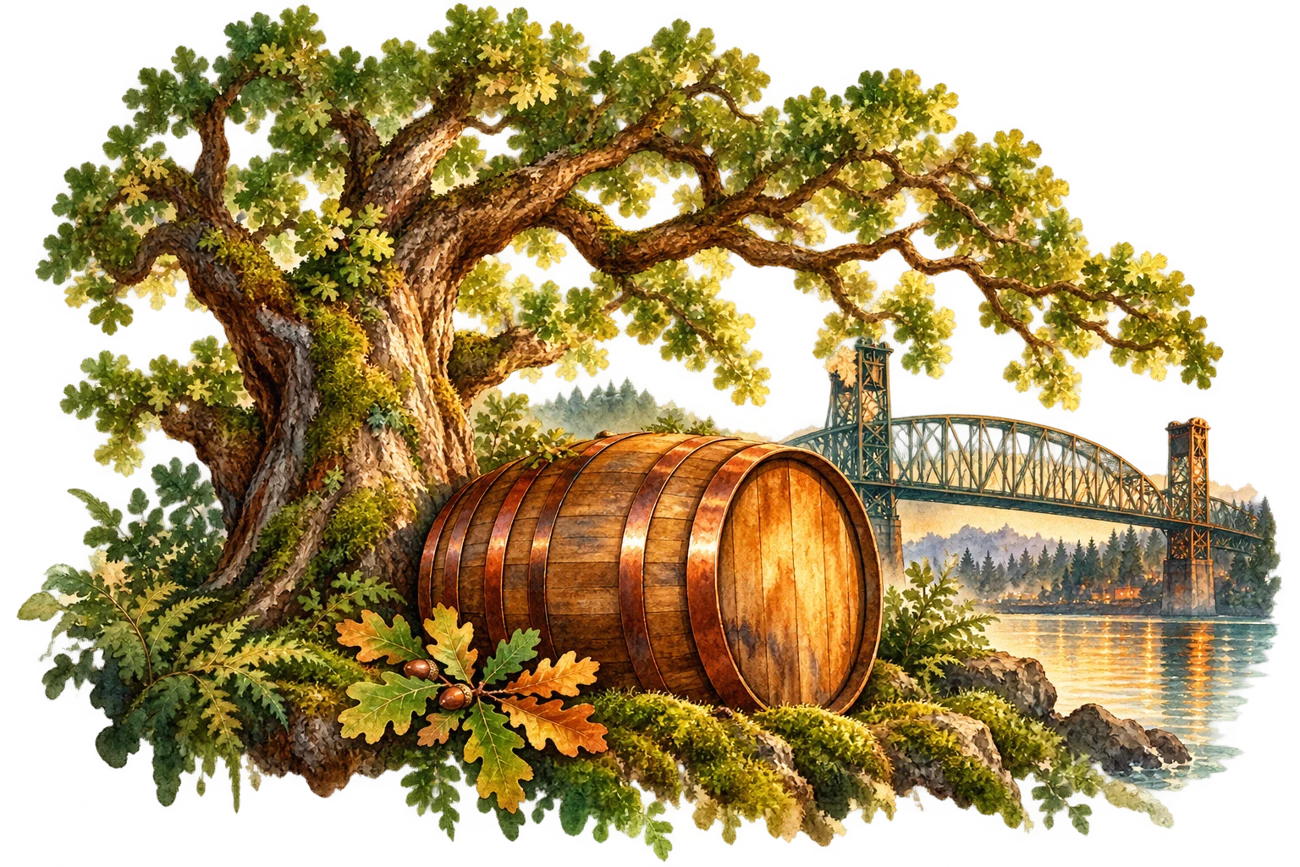
Origins
Burnside introduced
Signature finishing oak
Brand home
Lenny Gotter founded Eastside in Portland in 2008, developing silver-rum samples. Permitting and the first rum sales followed in 2009. Burnside Bourbon arrived in 2011, before Oregon-oak whiskey became the defining thread.[01][23]
Mel Heim joined in 2012. The company later credited her with developing the 2017 Burnside blend. Jason Ericson joined production in 2014 and learned under Heim; his head-distiller appointment was announced in January 2021. These are historical roles, rather than a claimed current staff list.[01][06][14]
The modern Burnside identity celebrates the Portland street and its music culture. That geographical reference is part of the storytelling. It does not establish where each component whiskey was distilled.[25]
Lenny Gotter establishes Eastside and develops silver-rum trial samples. Portland is the starting point for a business that later becomes associated with whiskey.[01][23]
A spirits permit, the first distillery and initial Below Deck rum sales turn the idea into an operating business.[01]
Burnside Bourbon joins the range as Eastside develops its retail presence. This is the brand’s early chapter, before the later redesign.[01]
Mel Heim joins as master distiller. Her later Burnside work links technical blending decisions to a recognizably Oregon identity.[01][06]
Eurocan acquires Eastside Distilling LLC through an October 31 reverse acquisition. A subsequent corporate name change formalizes the Eastside identity. The spirits business’s 2008 origin remains a different date.[02]
MotherLode adds bottling and private-label expertise. Eastside then acquires 90% of Big Bottom. Packaging services and brand ownership broaden the business without identifying the distiller of every whiskey.[03][04]
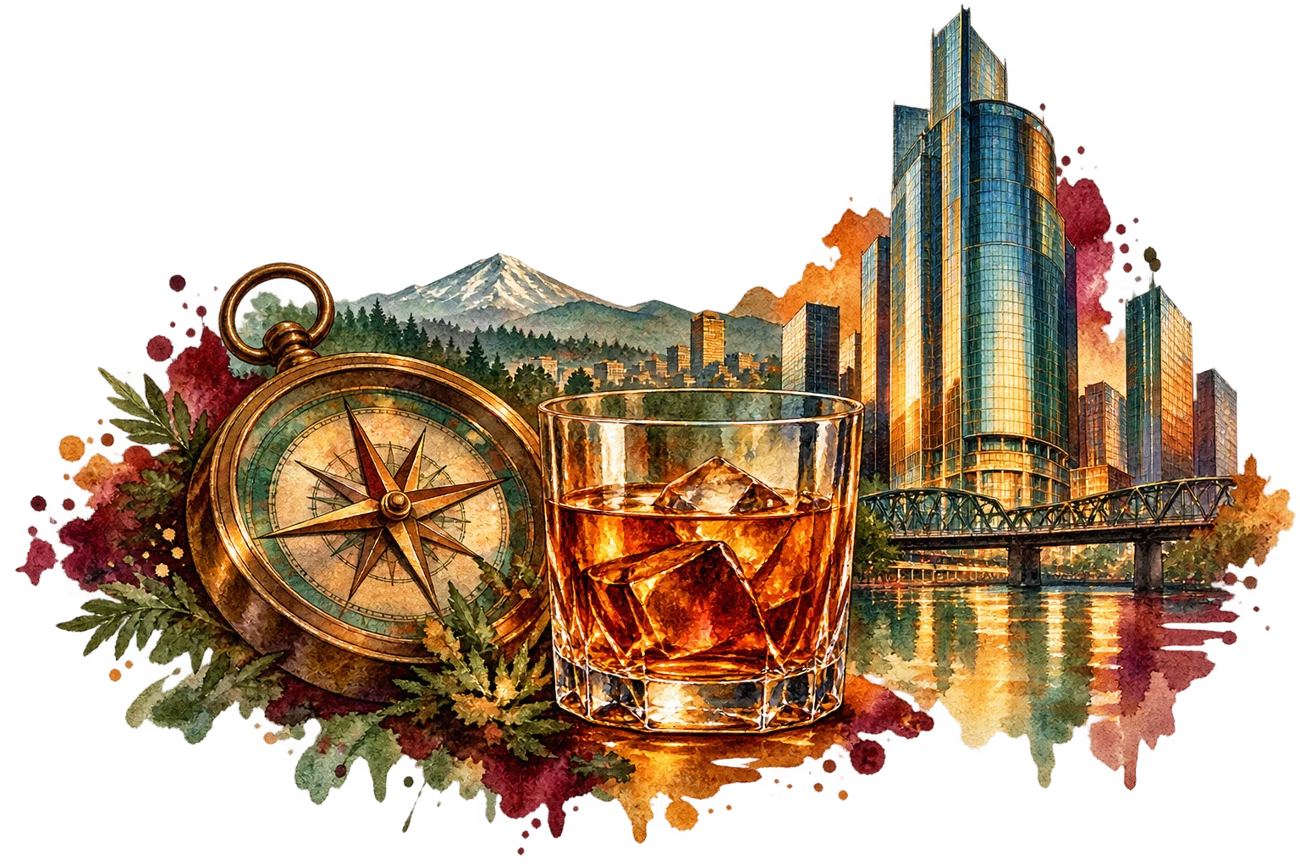
Eastside announces that its shares and warrants begin Nasdaq trading as ESDI and ESDIW. This belongs to the company’s historical public-market period.[05]
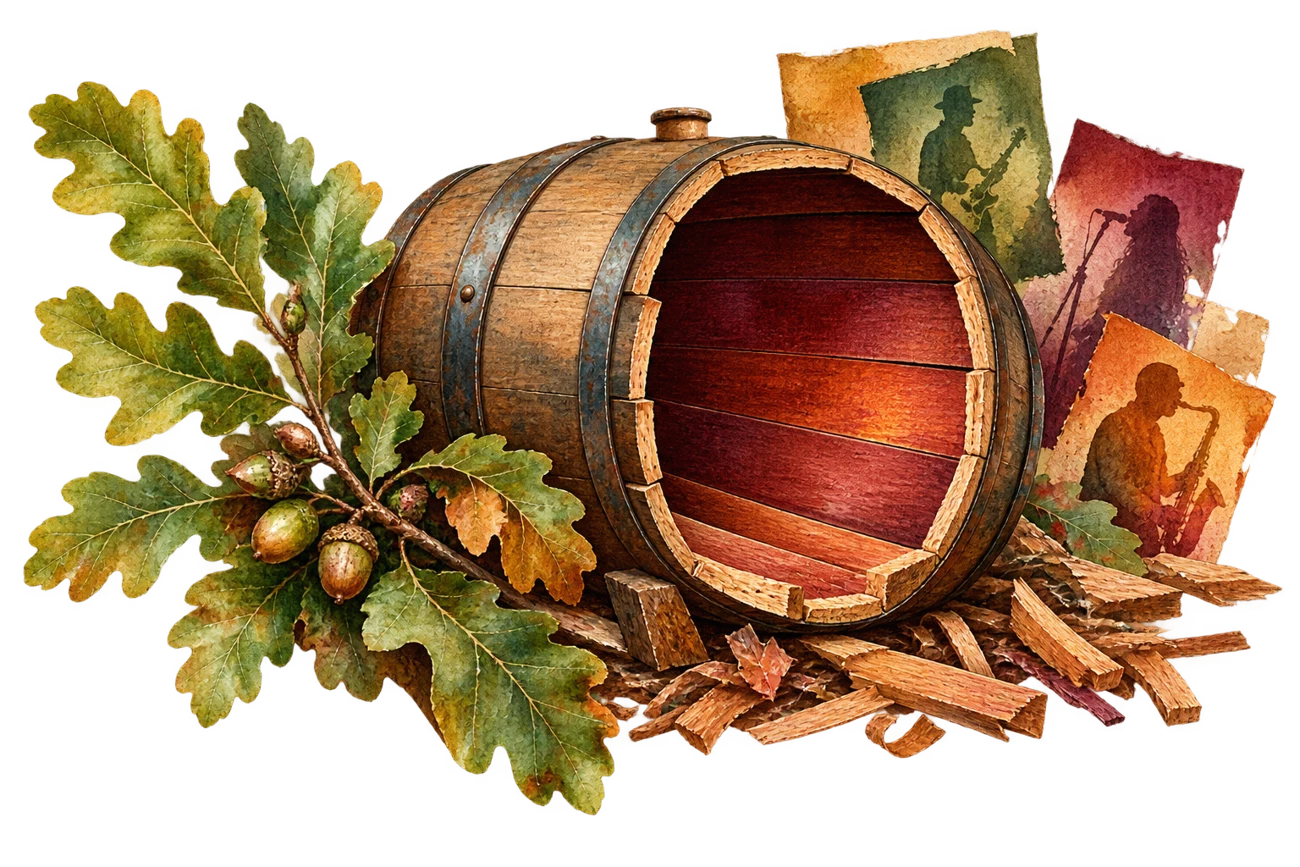
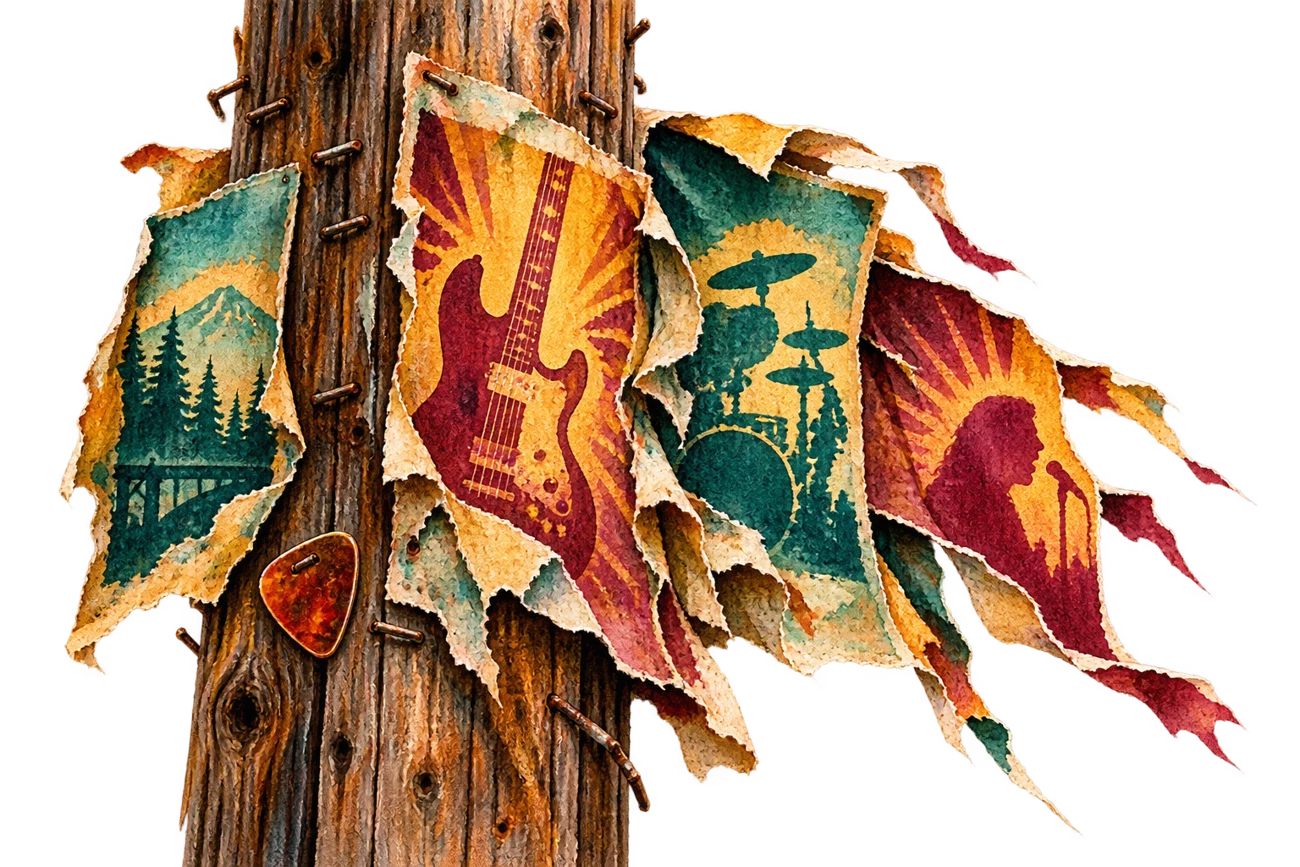
A relaunched Burnside combines five whiskey components and Oregon-oak finishing. Sandstrom’s screen-printed presentation draws on Portland’s concert-poster culture, moving beyond the earlier Ambrose Burnside imagery.[06]
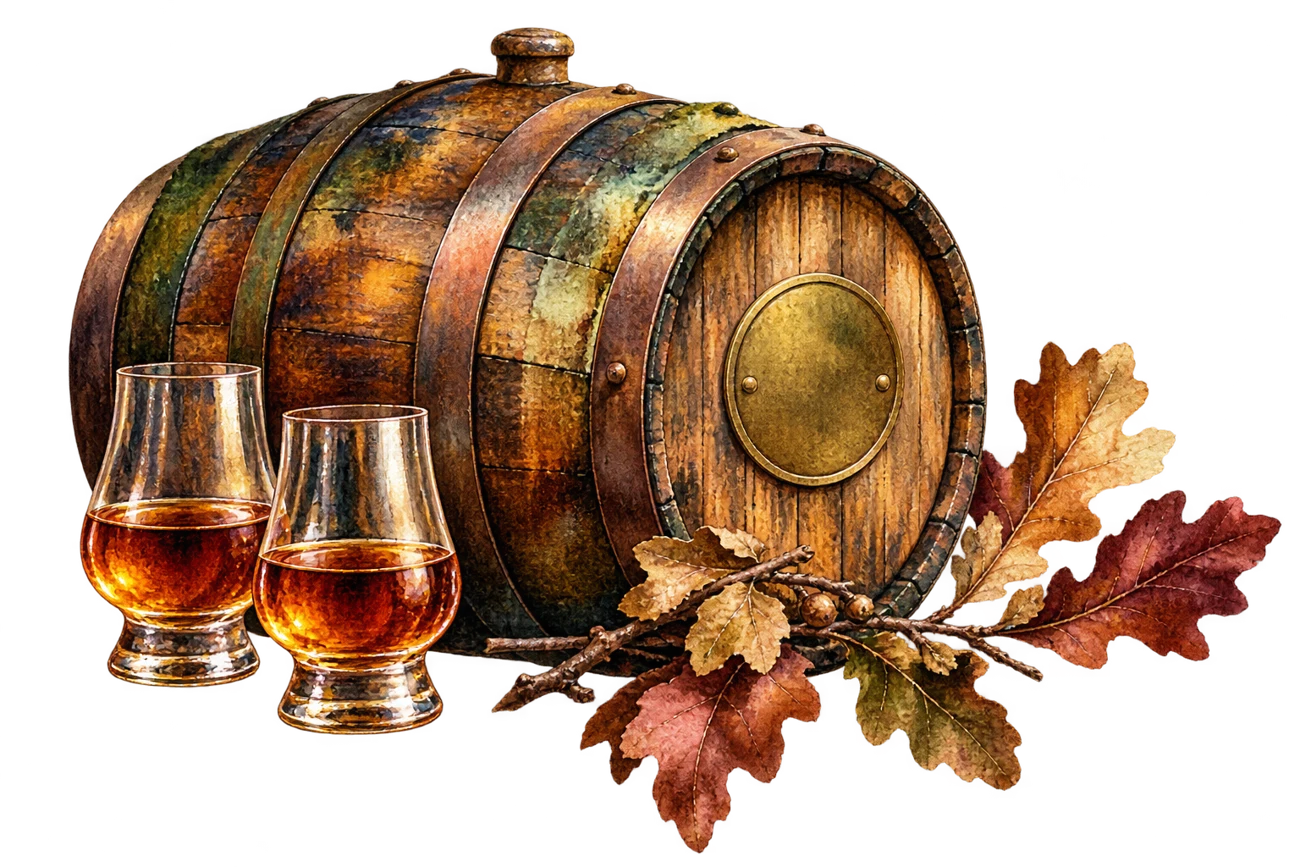
Buckman RSV 10 Year marks Eastside’s tenth anniversary with sourced bourbon finished in Garryana. Separately, the John Rich Redneck Riviera collaboration launches that January.[07][08]
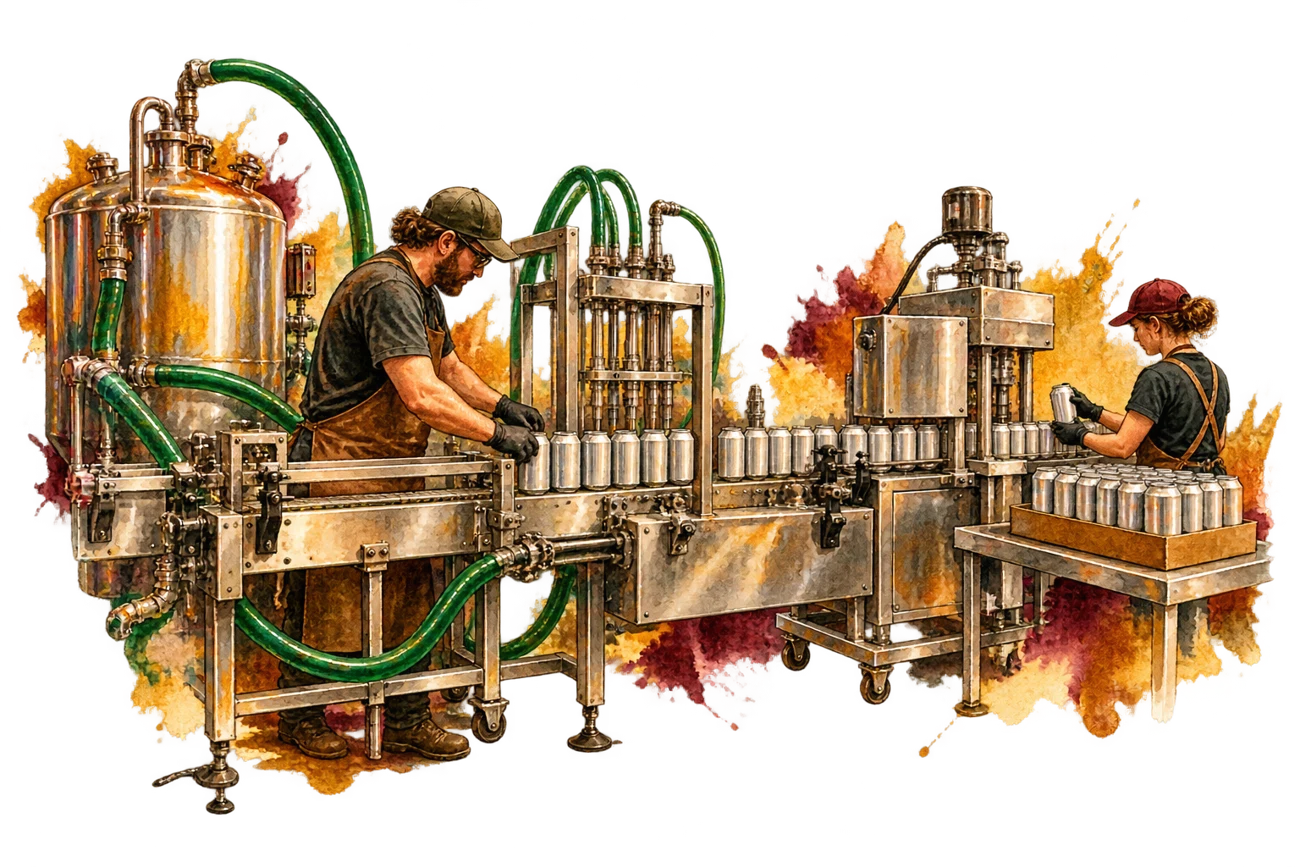
Craft Canning is acquired in January, adding mobile packaging operations. The Azuñia transaction follows in September. These are separate operating and product roles within a broader spirits company.[09][10][11]
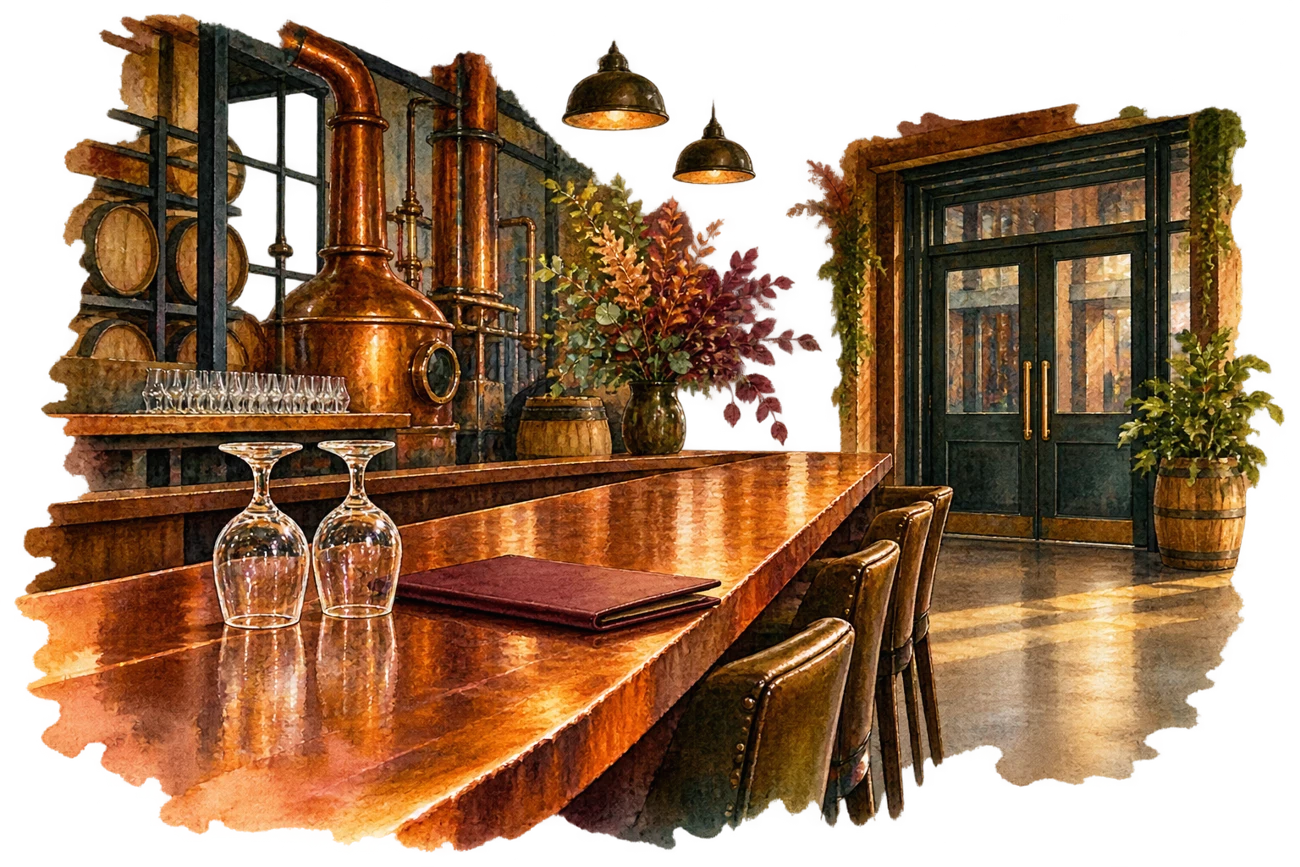
Eastside’s FAQ dates the closure of its tasting rooms to March 31. A closed public tasting counter does not, by itself, mean the spirits business ceased trading.[12]
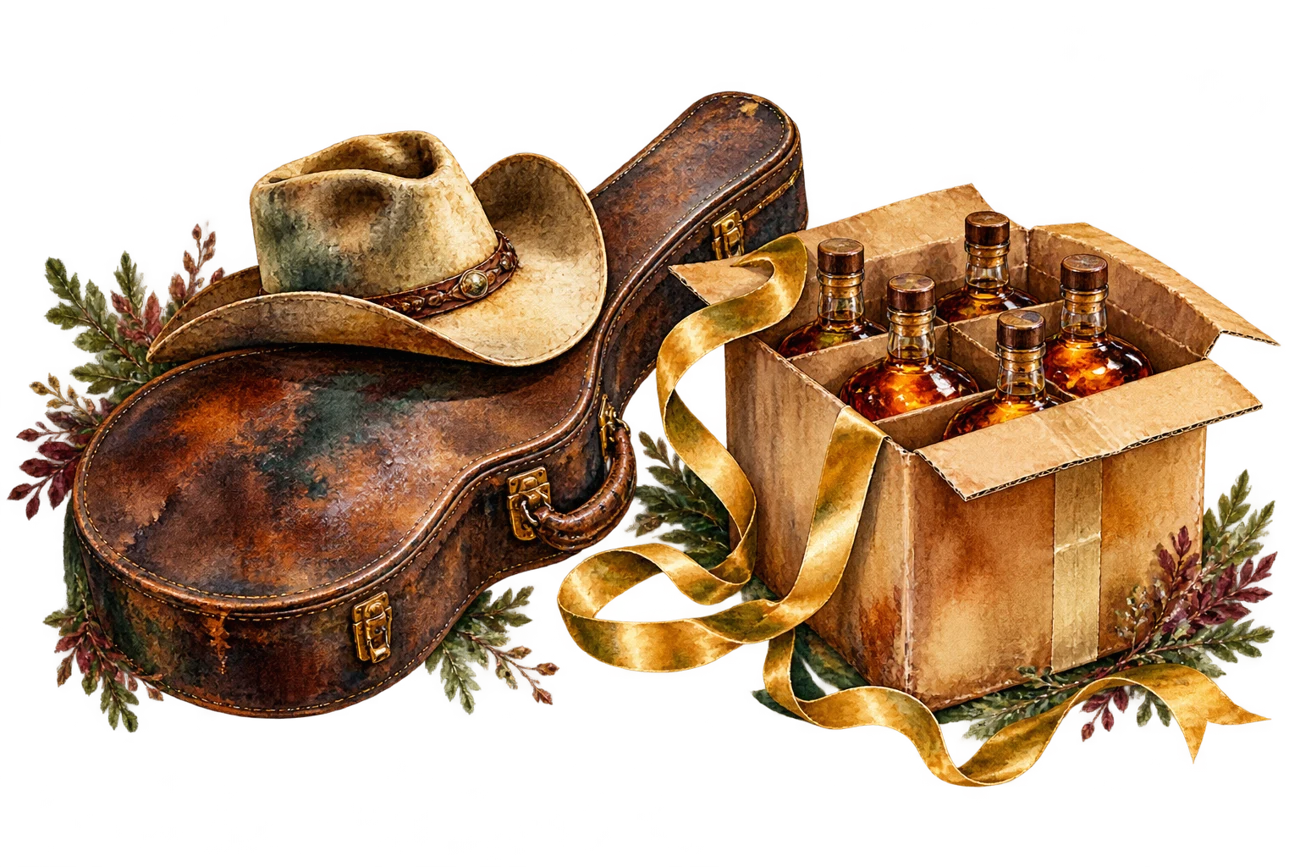
The Redneck Riviera license ends and inventory transfers to Redneck Spirits Group in February. In March, Eastside announces a namesake limited-edition spirits range focused on cellar selection and finishing.[13][15]
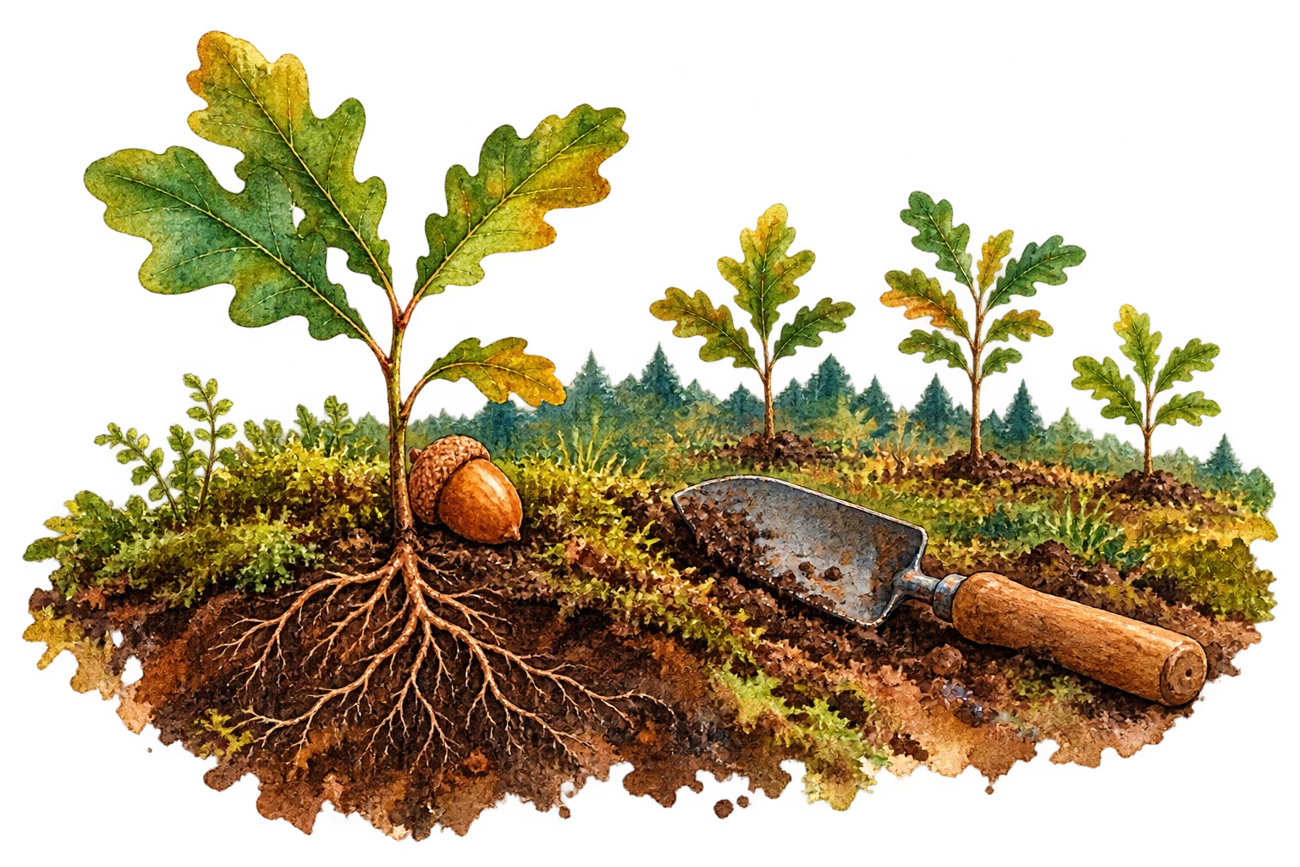
Eastside announces an American Forests partnership with a plan for 5,000 oak trees in the Willamette Valley. The announcement establishes an intention, not independently verified completion.[16]
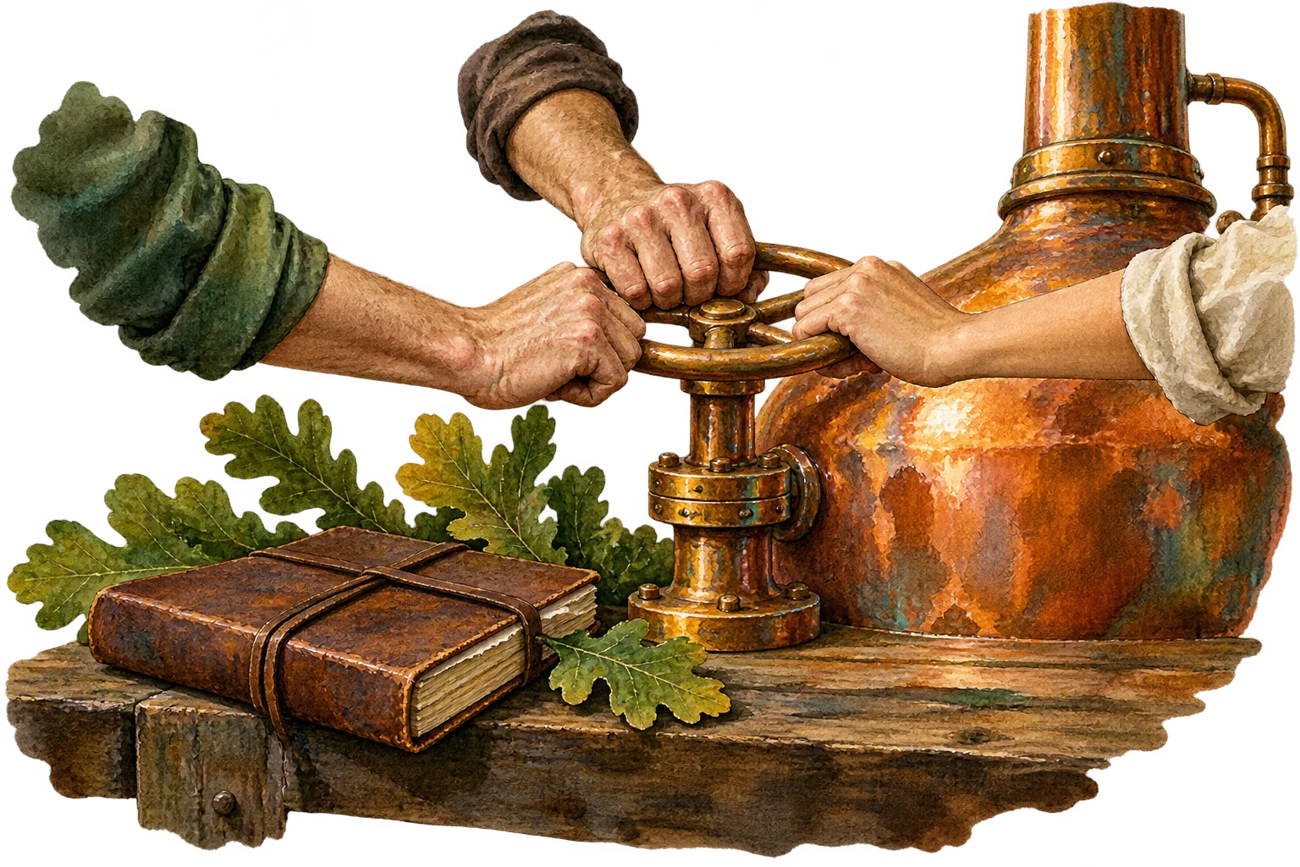
Travis Schoney and partners Kevin Munday and Jason O’Donnell buy back the Big Bottom brand and existing product, according to its official history. Its Eastside relationship is therefore historical.[17]
The Beeline merger closes October 7. Craft Canning leaves the group through a debt exchange, while the spirits business is assigned to Bridgetown Spirits, incorporated that month.[18]
The former public parent adopts the Beeline Holdings name in March. On July 25 it divests its remaining 53% Bridgetown stake to a group led by Geoffrey Gwin. Bridgetown moves forward as a private spirits company.[19][20]
Eastside emerged within Portland’s craft-distilling community. A later company account recalls production behind the original tasting room. These are historical premises, not a current invitation to tour. In January 2025, Eastside described Milwaukie logistics and fulfillment alongside its Rose City production partnership, adding another dated role within the Portland region.[14][23][27]
The city’s east–west artery divides Portland’s north and south. Its shops, venues and layered street graphics became a cultural reference for the whiskey’s presentation. A brand namesake and a production address serve different purposes.[25]
The 2021 conservation announcement places its planned oak restoration in the Willamette Valley. The landscape connection is through Quercus garryana and a stated planting initiative, rather than a claim that all Burnside grain or distillate originates there.[16]
Big Bottom’s Hillsboro operation joined Eastside in 2017. Its later buyback gives that location a distinct ownership history, which should not be folded into a current Eastside facility map.[04][17]
The official shop lists 2321 NE Argyle Street, Unit D, Portland. This is a published contact address. The evidence reviewed does not establish visitor opening hours or prove that every production step takes place there.[24]
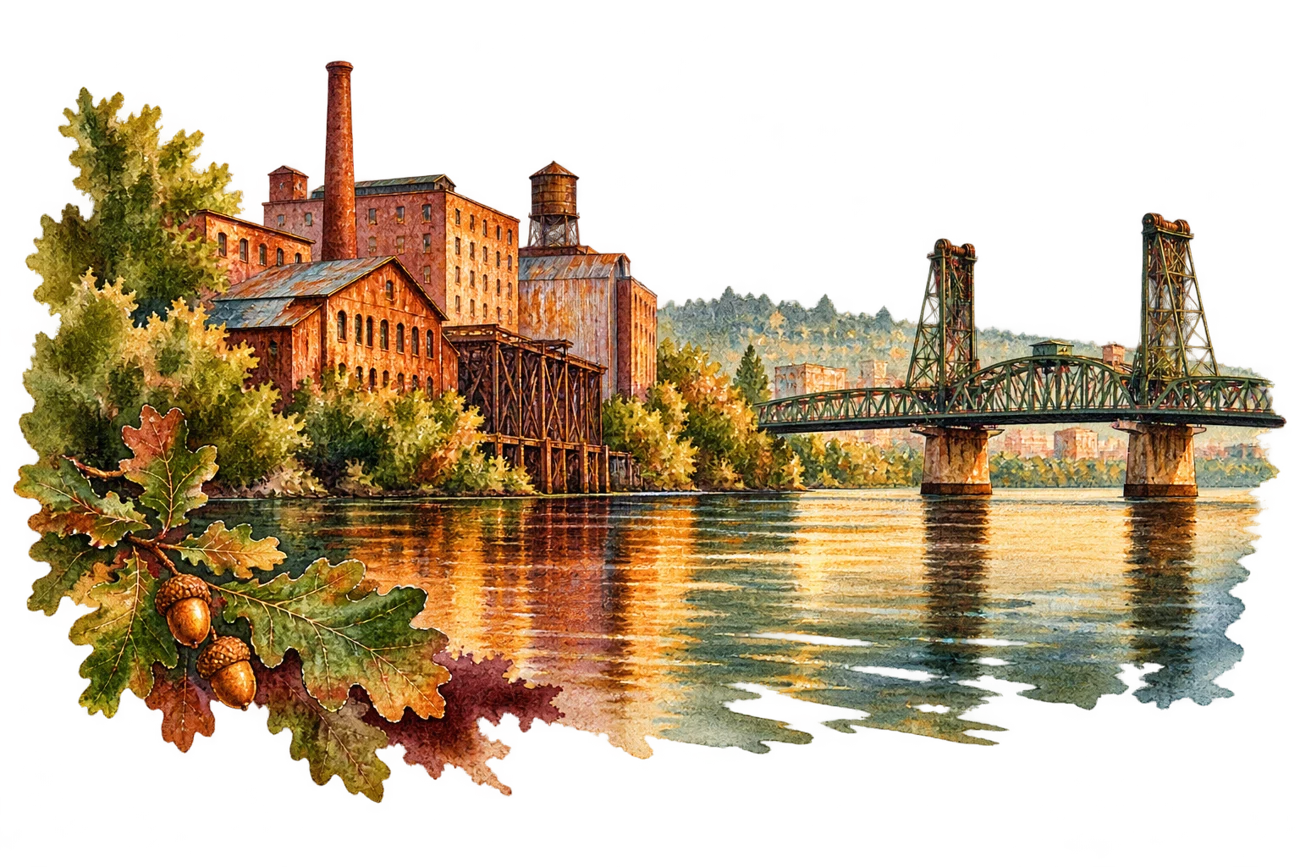
Eastside is the producer identity; Burnside is its whiskey family. The signature story centers selection, blending and Oregon-oak finishing, rather than one universal mash bill.[25]
After the 2025 transaction, Bridgetown is no longer a Beeline subsidiary. The dated announcement describes a privately held spirits business led by a Geoffrey Gwin investor group.[20]
The March 2025 name change concerns the publicly traded parent. Its July exit from Bridgetown means current ownership should not be inferred from an older Eastside investor page.[19][18]
The 2017 acquisition and 2023 buyback are both part of the story. The brand’s current official account identifies Schoney, Munday and O’Donnell’s return, rather than continued Eastside ownership.[04][17]
John Rich’s whiskey collaboration belongs to the 2018–2021 period. The license termination and inventory sale prevent the historical relationship from being mistaken for present brand ownership.[07][13]
MotherLode brought fixed-site bottling expertise; Craft Canning added mobile packaging. Craft’s 2024 divestiture separates those earlier capabilities from a claim about today’s whiskey operations.[03][09][18]
The 2019 transaction involved tequila importer/distributor assets. That relationship broadens the company history, but Mexican tequila production is not evidence about the origin of Burnside whiskey.[11]
The 2021 company account emphasizes blending, aging and finishing distillates selected from other producers. Burnside’s Oregon association therefore describes a finishing and brand identity, not proof of a single Oregon grain-to-glass source. A January 2025 announcement identifies Rose City Distilling as a production partner under an alternating-proprietorship arrangement, with Eastside retaining control of recipes and ingredients. That operating agreement does not establish the original distiller of older Burnside components.[16][27]
Quercus garryana is the oak repeatedly identified by the brand. Burnside applies its influence after selecting the whiskey components. The original distillation and the Oregon finishing stage remain separate parts of the process.[25]
In the 2021 American Forests announcement, Ericson describes at least three years of stave seasoning to moderate the oak’s tannic intensity. This is a stated wood-preparation practice, not an added whiskey-age claim.[16]
The official Bourbon page describes straight bourbons and whiskeys; the Rye page describes straight rye and straight whiskey. West End is a broader American-whiskey blend. Similar branding does not erase differences in category or components.[25][21][22]
The official Oregon Oaked Bourbon shop page lists 46% ABV and 92 proof, combining four-year bourbon with younger whiskeys. That description does not provide a universal recipe, a single distiller or an individual-bottle batch specification.[26]
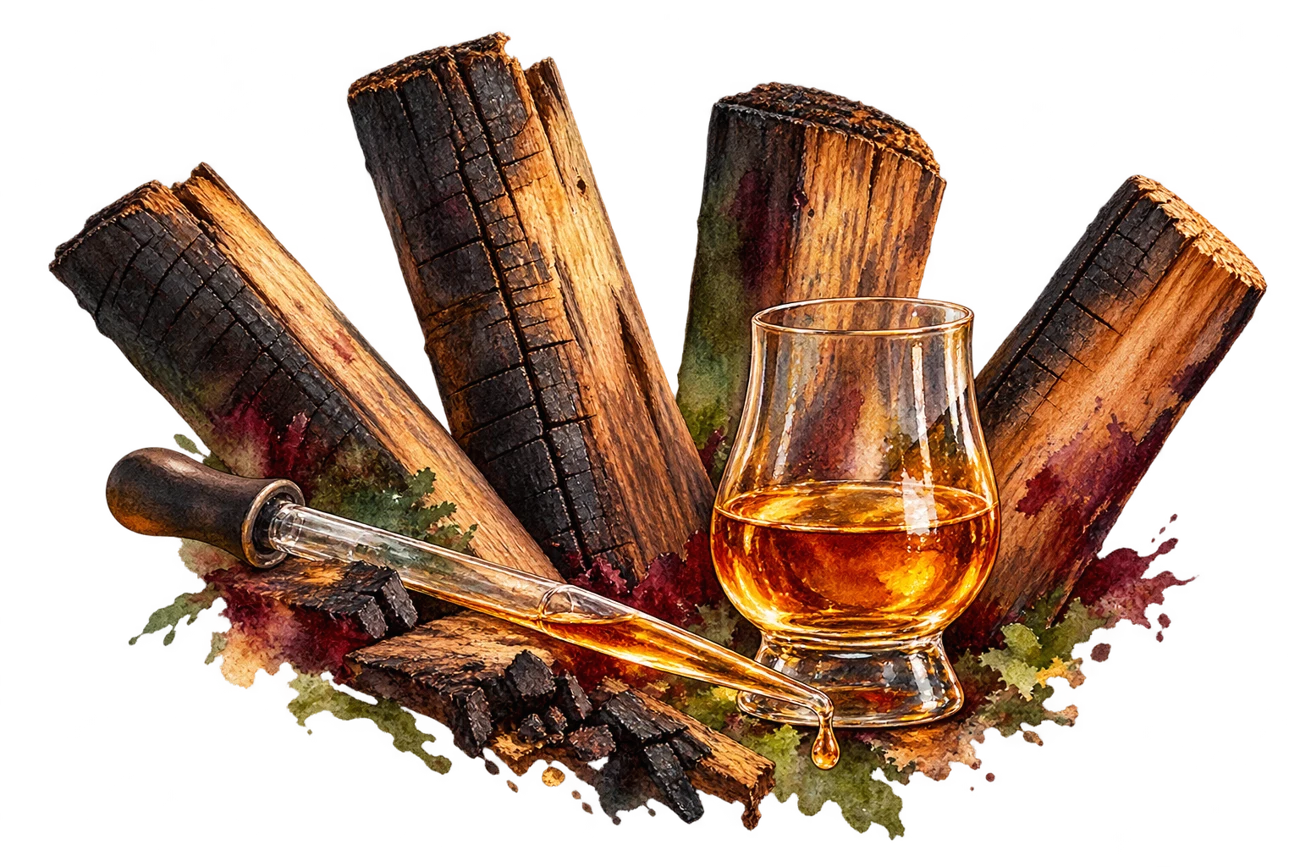
The 2017 announcement explains a deliberate shift away from the earlier Ambrose Burnside reference. Sandstrom’s bold graphics instead drew on concert flyers and Portland street culture. Packaging became another way to express a local voice.[06]
Buckman’s ten-year designation concerns the aged bourbon selected for the anniversary bottling. The official account separately describes Garryana finishing. It does not say the bourbon spent ten years in Oregon-oak casks.[08]
The American Forests partnership announced a 5,000-tree ambition. A dated plan can be reported accurately without turning it into a claim that all trees were planted, survived or offset the brand’s oak use.[16]
The legacy About Us page still describes a Nasdaq-listed company and earlier acquisitions. Later corporate filings and brand histories document the name change, divestiture and buybacks. Reading those dates together produces a more accurate family tree.[23][19][20][17]
The core expression illustrates the family’s blend-and-finish approach. Its official shop specifies 92 proof. Caramel, citrus and wood notes are producer descriptions, rather than a claim about the flavor of every historical batch.[26]
The producer describes a blend of straight rye and straight whiskey with Oregon-oak influence. Its role in the range is to explore that wood through a different whiskey structure, without assuming the Bourbon recipe.[21]
A blend of American whiskeys of different ages and mash bills, touched by Oregon oak. Its broader category makes it a useful comparison with the explicitly bourbon- and rye-led expressions.[22]
A limited anniversary bottling of sourced aged bourbons mellowed in Garryana casks. It shows how a mature base and a regional finishing material can play different roles in the same release.[08]
The announced range included Lion’s oak-finished rye, a 12-year Select Straight Bourbon and an American single malt finished in 70-year-old sherry casks. The last number describes the casks, not a 70-year-old whiskey. Availability is not presumed current.[15]
Eastside’s continuity is easiest to follow through the whiskey: selected components, an Oregon-oak accent and a Portland identity. Its ownership and production roles become clearer when each corporate and brand chapter keeps its own dates.
One physical record connects the story to the collection: Burnside Oregon Oaked Bourbon at 92 proof. No barrel, batch or vintage is recorded for this bottle.
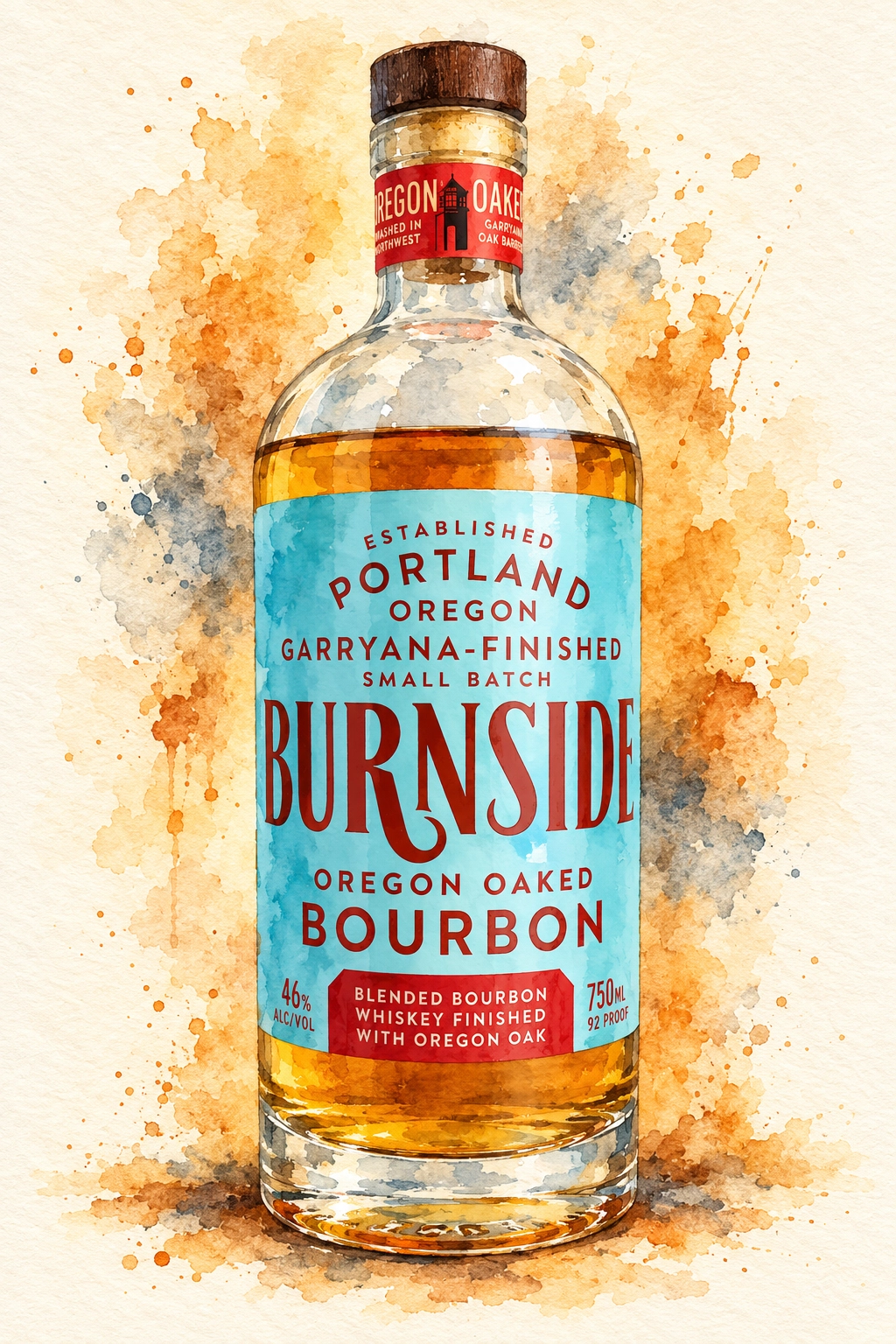
W0126 · 92 proof
92-proof Oregon-oaked bourbon. Barrel, batch and vintage are not recorded.
Origins and people, history and places, whiskey and stories. An illustrated companion with linked sources.
Research checked October 19, 2026. Company and facility dates are separate. Dated SEC filings and brand histories supersede stale Nasdaq, Big Bottom, Craft Canning and Redneck Riviera references on legacy pages. The 2021 Ericson announcement has an inconsistent effective-year statement; only its announcement date and documented historical role are used. The 5,000-tree initiative remains an announced plan. Current product pages establish published descriptions, not guaranteed stock or current on-site distillation. Exact component distillers, recipe proportions and individual historical finish durations remain unverified. Images are symbolic editorial interpretations. Website v1 and Guide v1 await separate review. Illustrations are symbolic editorial interpretations, not documentary reconstructions.