TJ THELEN'S COLLECTION
The Thelen Reserve
Behind the Bottles / Washington

Doc Swinson’s

Last updated Last researched

The work after the barrel.

In Ferndale, Washington, the defining work happens after whiskey has already become whiskey. Doc Swinson’s selects mature spirit, explores finishing casks and assembles blends. Its parent, Distillers Way, also develops spirits for other brands. The distinction makes this a story about authorship at the blending bench: what to combine, what to change and when to leave a barrel alone.[1][16]

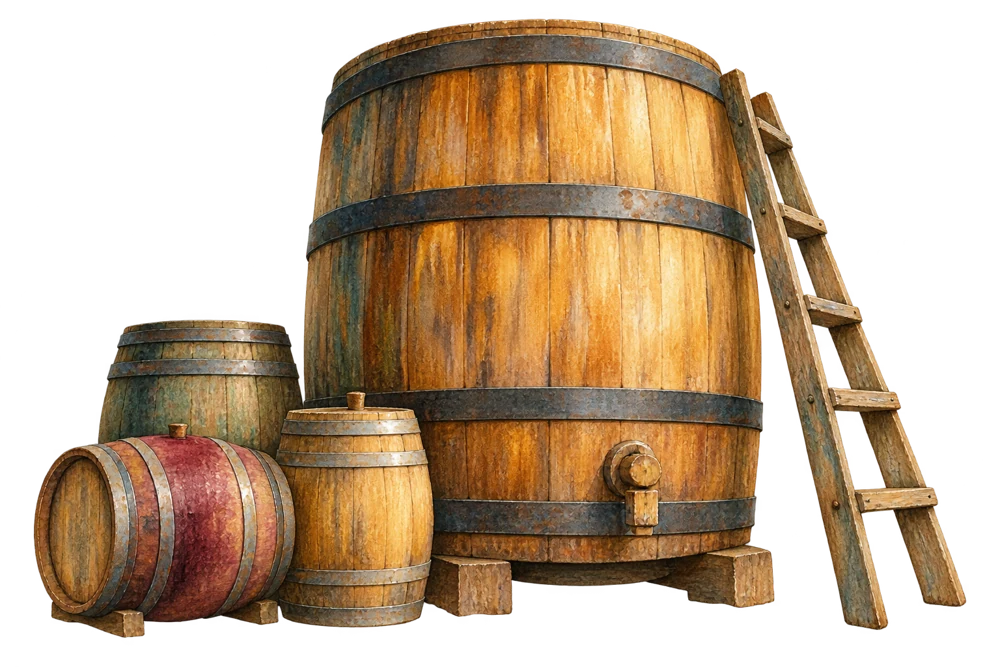
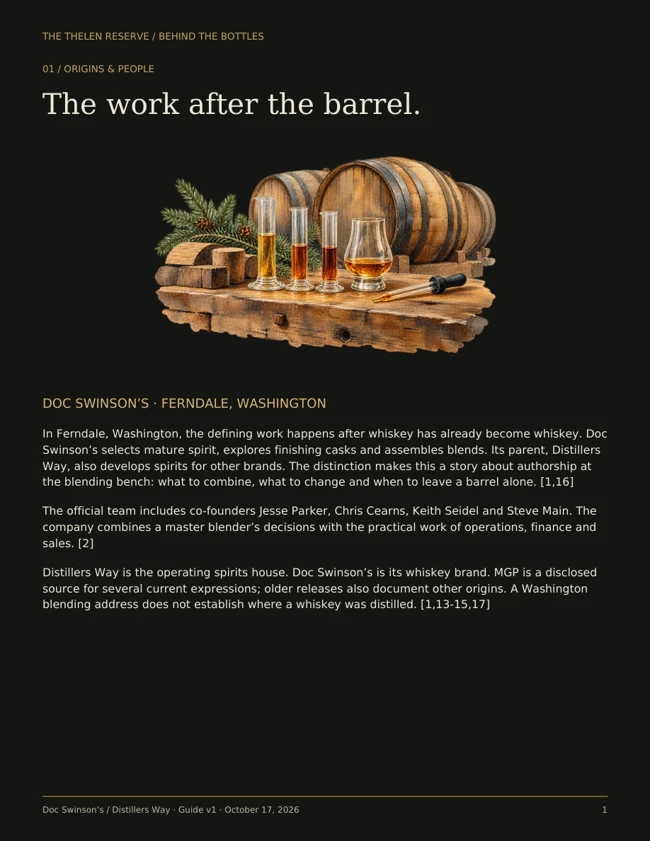
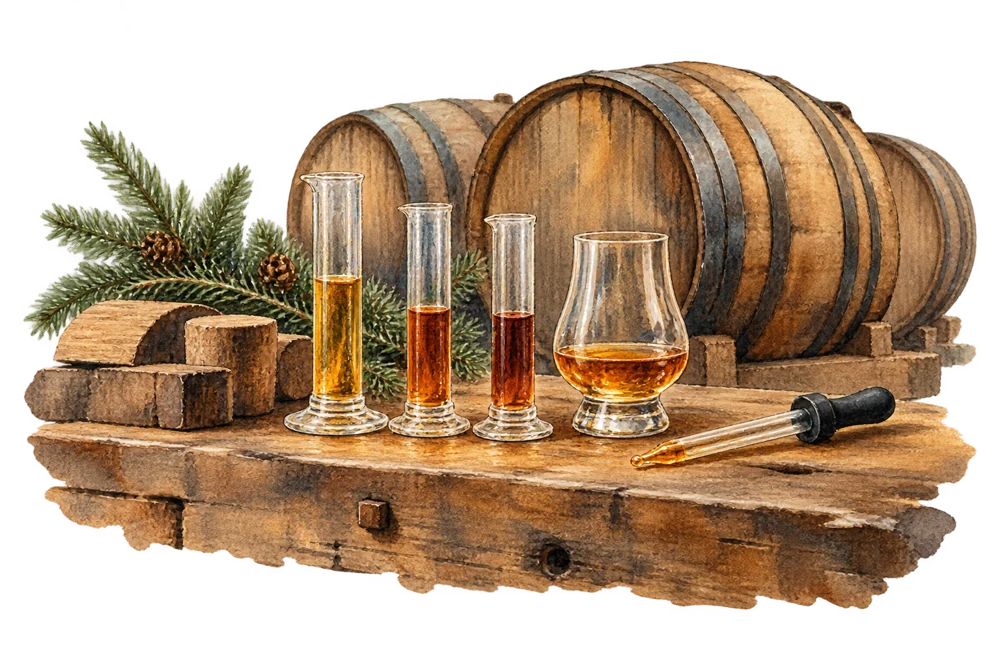
A symbolic watercolor of the Doc Swinson’s blending bench
Ferndale, Washington

Blending, finishing and visitor home

2017

Doc Swinson’s brand launch

Distillers Way

Operating spirits company

Bourbon & rye

Sourced whiskey · distinct cask choices

01 / Origins & people

A side project finds its voice.

An experiment after the day’s work

The company traces Doc Swinson’s to small whiskey experiments after long shifts making other people’s products. A local side project became a house brand. The account describes a team discovering its direction through barrels, rather than inheriting an established family whiskey recipe.[3]

The people behind the bench

The current team page identifies four co-founders: master blender Jesse Parker, Chris Cearns, Keith Seidel and Steve Main. Their roles span whiskey development, finance, operations and sales. Parker’s palate is central, but the business rests on that wider partnership.[2]

Experience beyond bourbon

Before Doc Swinson’s, Parker worked with brandy and gin. That broader spirits background helps explain the range of cask influences in the whiskey. His route into blending belongs to the modern team’s story, separate from the historical figure whose name inspired the brand.[3]

A spirits house with its own voice

Distillers Way offers custom spirits development, blending, bottling and private-label work. Doc Swinson’s is one of its own brands. A customer of those services does not thereby become an owned whiskey brand, and a company’s bottling address does not establish where a whiskey was distilled.[1]

02 / The illustrated history

From the late shift to the Barrel Lab.

A chronology of the brand, its experiments and its reach. Each scene is an original interpretive watercolor.
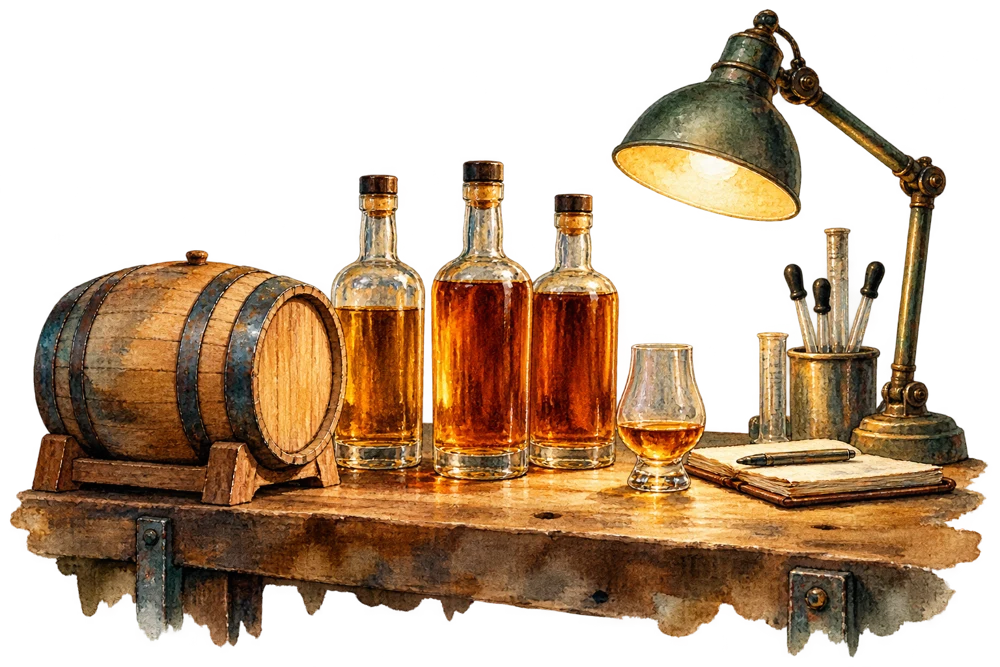
origins, symbolic watercolor illustration
2017

A house brand begins

The Ferndale brand launches, according to the Bellingham Herald’s later reporting. Its beginnings fit the company’s own account of whiskey trials growing out of Distillers Way’s contract work.[4][3]
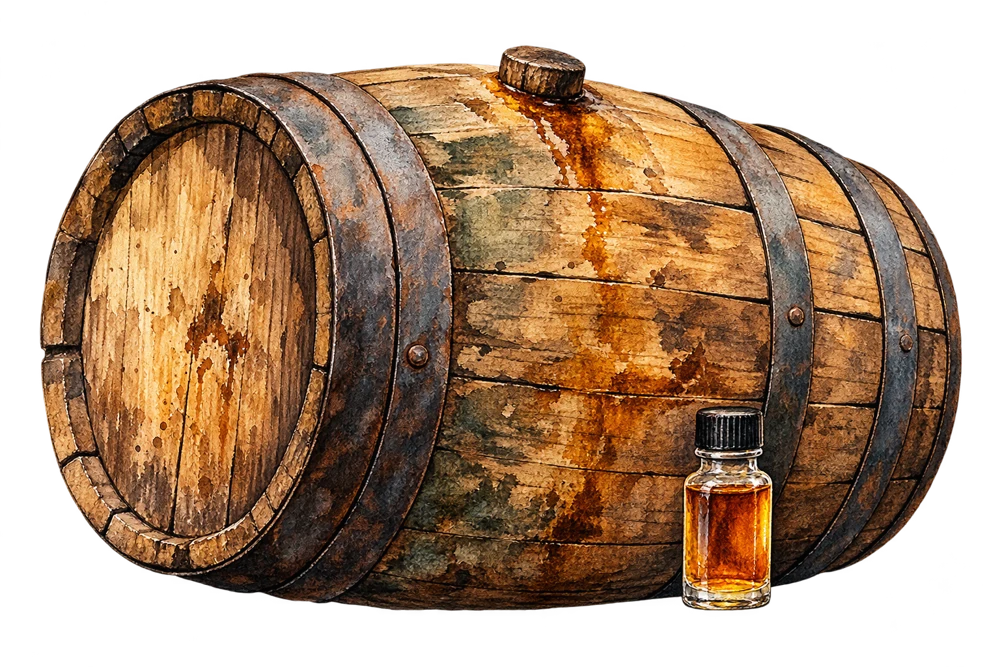
rare, symbolic watercolor illustration
By 2019

Older Kentucky bourbon joins the story

The archive records a 2019 award for its fifteen-year bourbon. These mature Kentucky releases show that careful selection, without an additional finish, was also part of the early identity.[5]
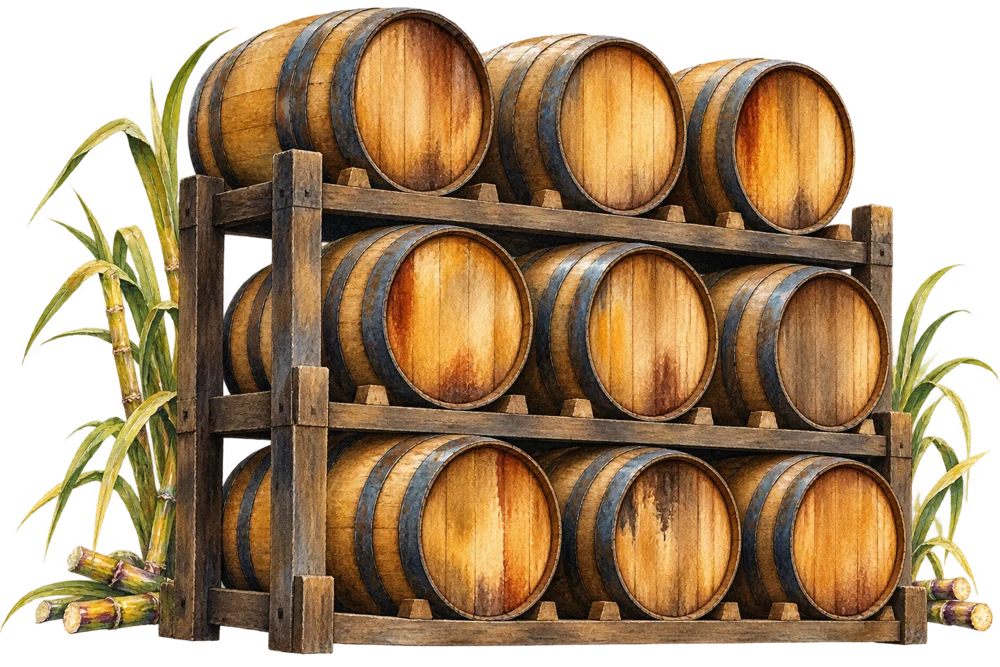
solera, symbolic watercolor illustration
2020

A rum-cask solera takes shape

Later Tres Amigos batch documentation dates the rye whiskey’s ex-rum solera to 2020. This becomes a platform for layered finishing experiments rather than a single isolated barrel treatment.[6]
blend, symbolic watercolor illustration
June 2021

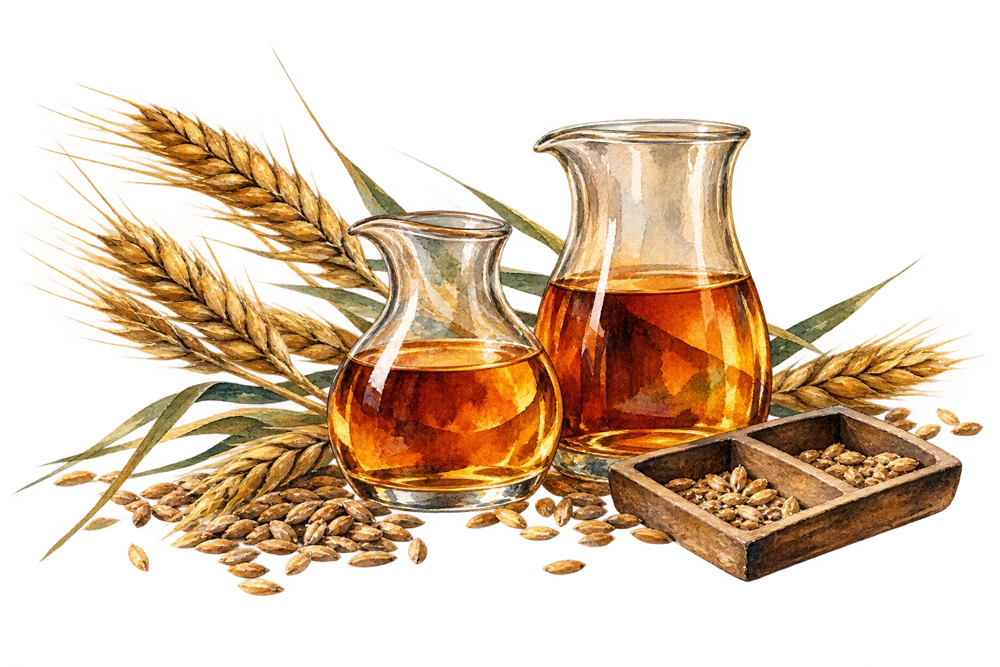
The base blend evolves

The producer announces a larger contribution from its higher-rye bourbon component beginning with release 21-006. The same update describes changes to its rye solera. Batch numbers preserve meaningful stages in the work.[7]
cut, symbolic watercolor illustration
Fall 2021

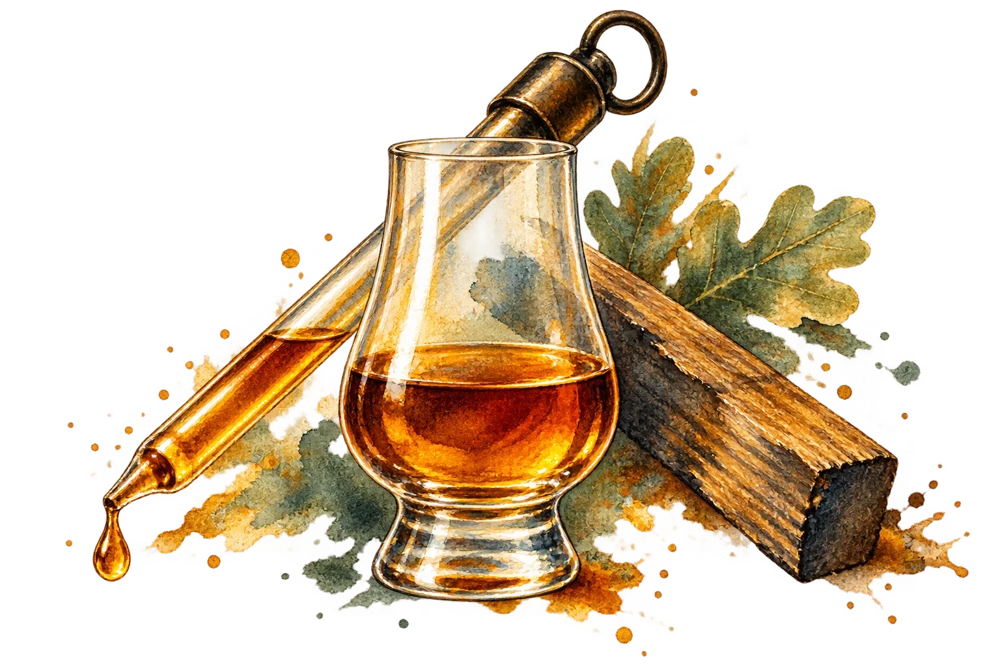
Blender’s Cut reveals the foundation

Blender’s Cut launches at 115 proof, presenting the bourbon blend before finishing. It gives drinkers a direct way to understand the foundation used for Triple Cask and other finished bourbons.[8]
experiments, symbolic watercolor illustration
Summer 2022

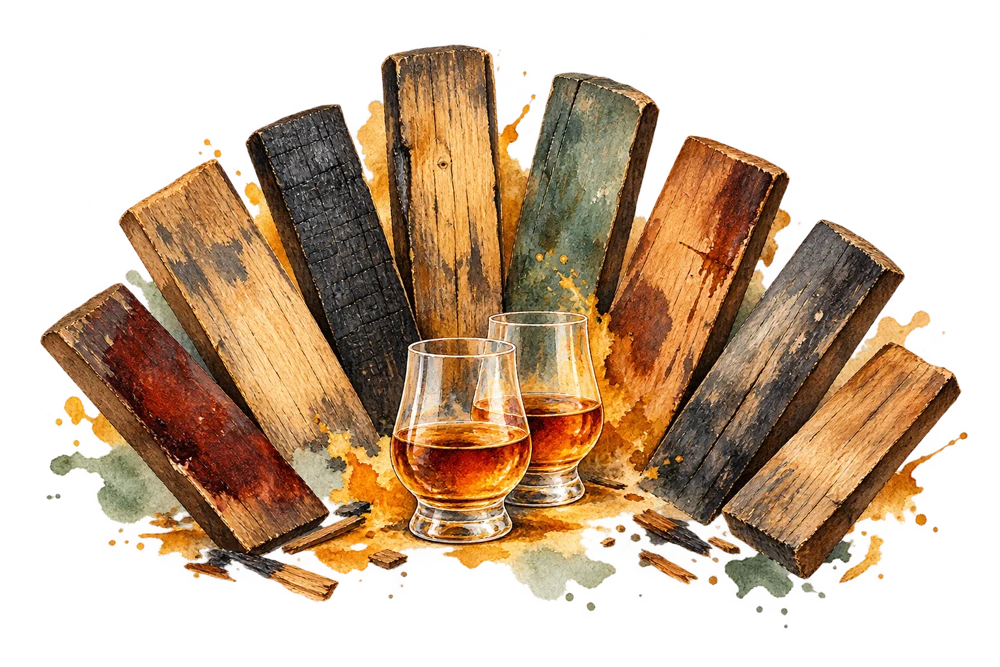
The cask program expands

A producer announcement describes eight new Exploratory expressions for the summer. The range increasingly treats finishing casks as distinct creative decisions, while retaining a repeatable core.[9]
reach, symbolic watercolor illustration
May 2023

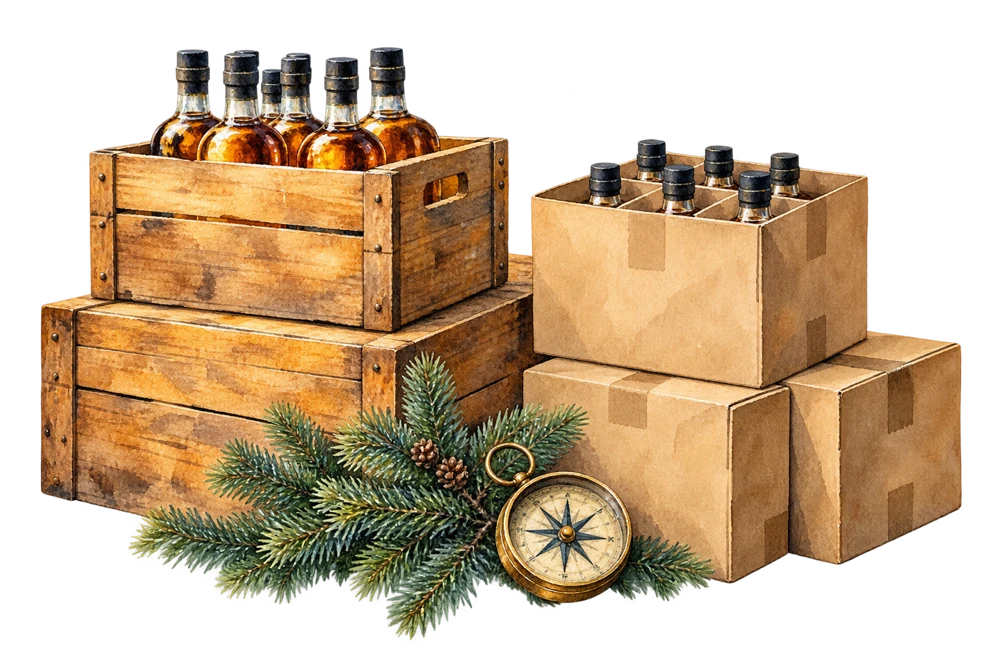
A local name travels farther

The Bellingham Herald reports distribution in 26 states and Canada. This is a dated measure of reach, not a claim about the exact current market count.[4]
golden, symbolic watercolor illustration
Spring 2024

Golden Hour brings several ideas together

Parker’s interview describes a rye assembled around rum and different port-cask influences. The decision to blend those components, rather than release each separately, illustrates the house’s approach.[10]
forest, symbolic watercolor illustration
Spring 2024

Northwest oak enters the frame

Forest & Fable features a Garryana-oak finish. The regional wood offers another route to place identity alongside the whiskey’s out-of-state distillation and Washington blending.[11]
labels, symbolic watercolor illustration
May 2024

The labels become more expressive

The spring release announcement credits team member Marz with the new Exploratory label illustrations. Product imagery becomes another way to distinguish the experiments on the shelf.[11]
lab, symbolic watercolor illustration
2025

Visitors enter the Barrel Lab

The company introduces a tasting experience inside its working Ferndale barrel space. Flights and small releases bring the selection and finishing story closer to the visitor.[12]
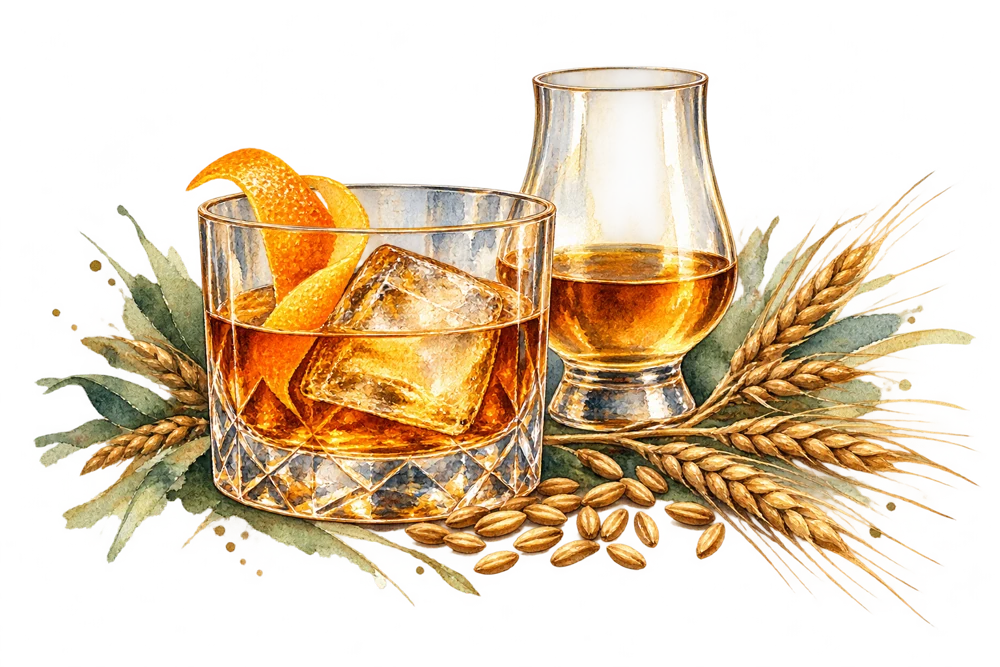
present, symbolic watercolor illustration
2026 snapshot

A core beside the experiments

The current range highlights Session Bourbon, Triple Cask Bourbon and Bottled in Bond Rye alongside the Exploratory collection. The archive remains a record of past releases, not a promise that every expression is still available.[13][14][15][18]
03 / Geography & roles

The places play different parts.

place, symbolic watercolor illustration

Ferndale, Washington

Blending, finishing and visitors

The current visitor address is 1370 Commerce Place. Ferndale is the home of the finishing and blending operation and the Barrel Lab. The producer’s Northwest identity should not erase the separate origins of the whiskey it purchases.[20][12]

Indiana

A disclosed whiskey source

Current Session, Triple Cask and Bottled in Bond Rye pages identify MGP as the producing distillery. That is release-specific sourcing evidence. It does not establish that every bottle in the historical Doc Swinson’s portfolio came from Indiana.[13][14][15]

Kentucky and Tennessee

Other chapters in the archive

The fifteen-year bourbon identifies Kentucky while withholding the original distiller’s name. An archived twelve-year Madeira-finished release identifies Dickel in Tennessee. These examples make the distinction between brand, blender and distiller especially useful.[5][17]

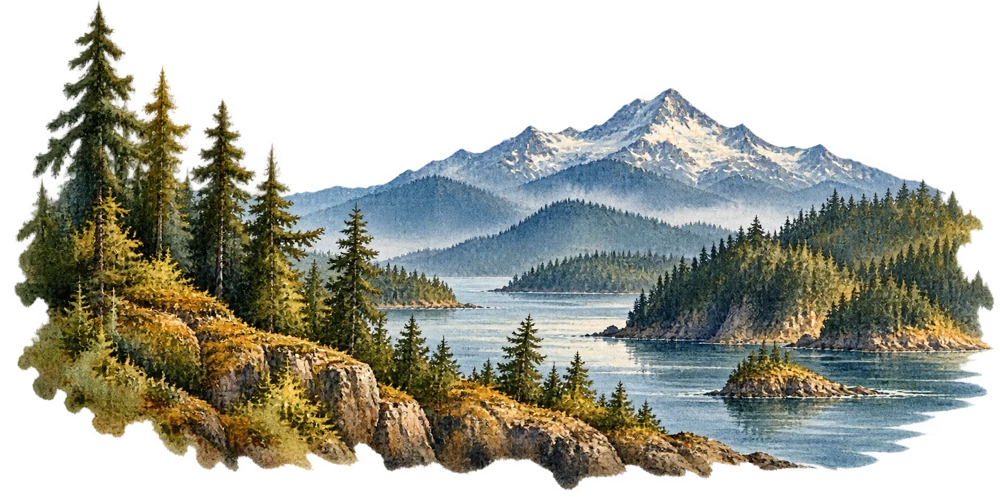
Between mountains and sea

The setting, with a qualification

The team locates itself between the Cascades and the Salish Sea. Parker has compared the regional climate with Scotland’s as an explanation of the house’s approach. That is the producer’s interpretation, not a measured guarantee of a particular flavor.[2][9]

04 / The whiskey family

One producer. Several ways to explore.

Distillers Way

Operating company

The custom spirits business behind Doc Swinson’s. Its own website also lists Outfitters, a separate house spirits range. Contract customers are not included here as owned brands.[1]

Doc Swinson’s

Whiskey brand

The house whiskey identity, encompassing core releases and cask explorations. It should not be treated as a separate historical distillery founded by the person who inspired its name.[1][3]

Core and Exploratory

Two different jobs

Core expressions provide recognizable reference points. The Exploratory collection makes room for changing cask combinations and limited releases. A library entry can describe an older batch rather than a currently stocked bottle.[18][16]

MGP and other source distillers

Production relationships

A disclosed source distiller is part of a whiskey’s provenance, not evidence of ownership of Doc Swinson’s. Kentucky’s unnamed source remains unnamed; this profile does not infer it from age, proof or reputation.[5][6][17]

05 / Making & choosing

The whiskey changes hands, then direction.

Selection, blending, finishing and marrying are separate decisions. Each gives the producer another way to shape the final whiskey.

foeder, symbolic watercolor illustration

Start with the whiskey

Blending begins with tasting and selection. Components can differ before any finishing cask enters the process. The house’s 2025 explanation emphasizes the work of assembling a deliberate, repeatable profile from individual barrels.[16]

Separate recipe from ratio

The 2021 announcement concerns the proportions of two bourbon components, not a claim that Doc Swinson’s changed the grain recipe at the original distillery. A shift in the blend can matter even when the underlying component mash bills remain the same.[7]

Three cask influences, then a marriage

Triple Cask combines bourbon finished in oloroso sherry, Pedro Ximénez sherry and cognac casks, with a final marrying stage in ex-cognac foeders. “Triple” describes the cask influences, not three source distilleries. Current specifications should not be projected unchanged onto every historical batch.[14]

Solera as an ongoing body of whiskey

The producer describes fractional blending through its rum-cask system, with later releases drawing on that evolving stock. Tres Amigos adds an añejo-tequila-cask chapter. Each batch’s published details remain more useful than assuming one fixed time in every cask.[7][6]

Proof is a composition choice

In discussing Golden Hour, Parker describes choosing 98 proof to suit the finished blend. That gives proof a creative role alongside cask selection. A stronger bottling is not automatically the more complete expression of the blender’s intention.[10]

Sometimes the choice is no finish

Blender’s Cut exposes a base bourbon blend. The older Kentucky releases show another form of restraint: mature whiskey selected without further Washington aging. Finishing is a major tool here, but it is not the definition of every bottle.[8][5]

06 / The details worth knowing

The stories behind the specifications.

The doctor belongs to the name

The brand says its name honors David Swinson Maynard, the Seattle pioneer known as Doc. Early prescription-style labels echoed that association. It is a naming inspiration, not evidence that Maynard founded this whiskey business or supplied its recipe.[3]

A release number can mislead

The fifteen-year archive explains that releases 10 and 11 held the same whiskey under different release numbers after a printing problem. Numbers are useful identifiers, but the producer’s explanation matters more than an assumption that every change means a new liquid.[5]

The wood can tell a regional story

Forest & Fable links a sourced bourbon with Garryana oak and Northwest-inspired imagery. The connection is in finishing and presentation. It does not turn the underlying whiskey into bourbon distilled in Washington.[11]

A small finish can be a precise decision

The Madeira archive describes two barrels and 385 bottles, with 69 days of additional cask treatment. The example is useful because it replaces a vague notion of “extra aging” with a specific release’s documented finishing decision.[17]

Growth leaves more than an award list

The company’s 2024 retrospective records 27 single-barrel releases and entry into Alabama and Mississippi. Those are concrete signs of a widening program. They are retained as dated history, rather than an evergreen inventory or availability claim.[19]

07 / Selected expressions

A tasting path through the producer.

Session Blend Bourbon

The current 90-proof, at-least-five-year bourbon provides an accessible reference for the house’s blending approach and cocktail use. Its disclosed source is MGP. Read the individual label for the release in hand.[13]

Triple Cask Bourbon

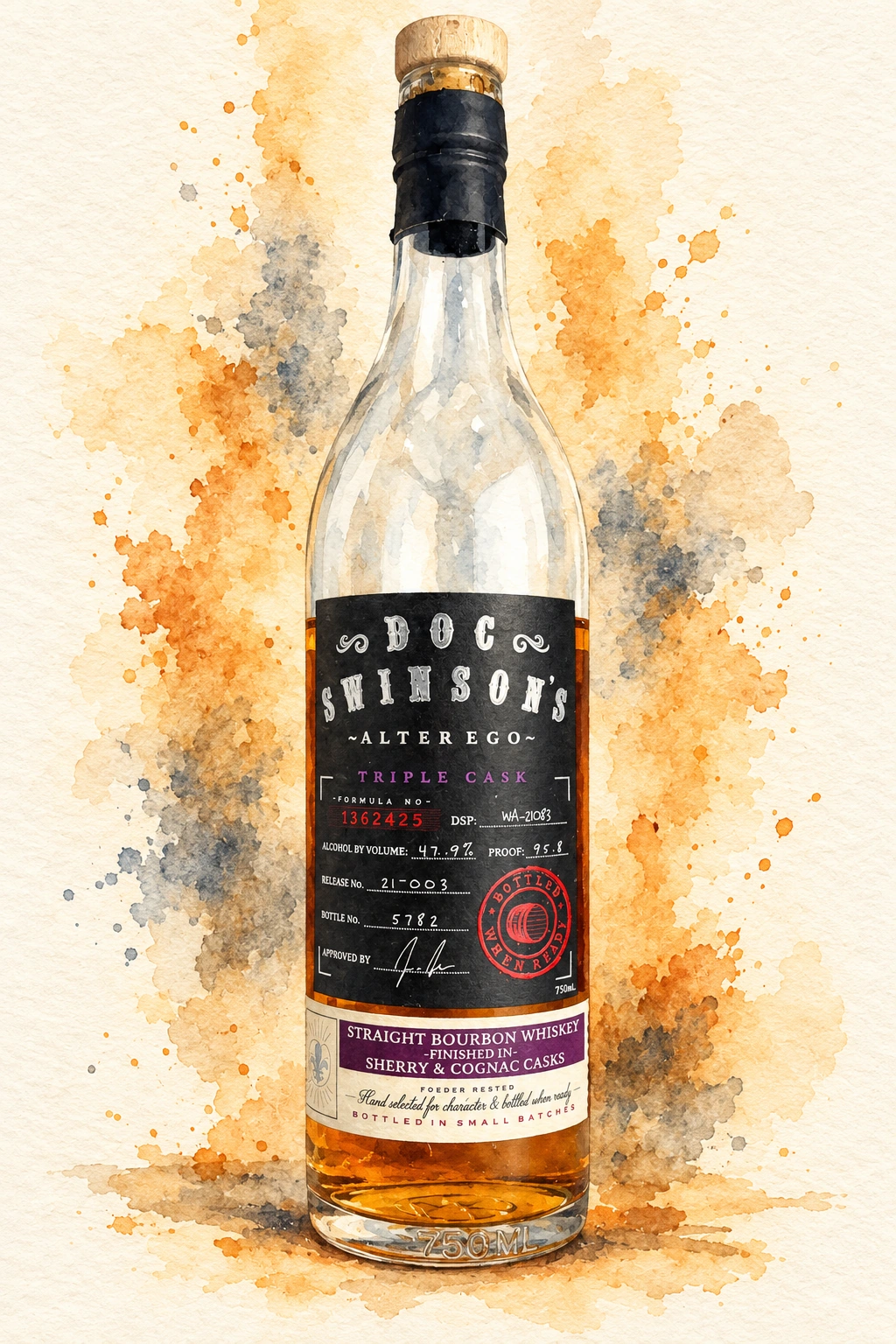
The current 95.8-proof expression centers on sherry and cognac cask influences, followed by marriage in a larger vessel. It is a useful introduction to the distinction between finishing components and assembling the final blend.[14]

Blender’s Cut

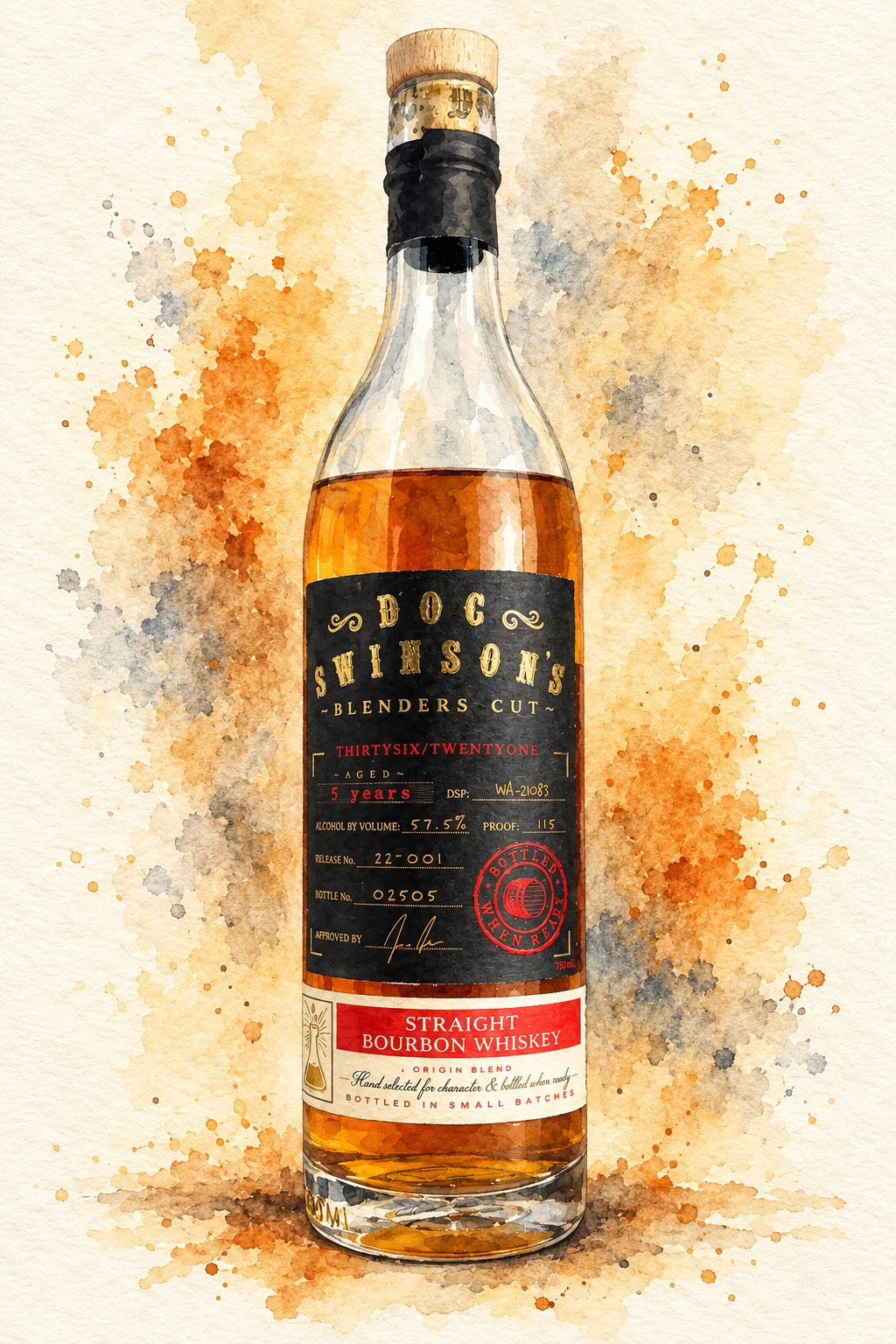
At 115 proof, this unfinished bourbon exposes the foundation used in finished releases. Comparing it with Triple Cask offers a practical way to consider what the finishing program adds.[8]

Bottled in Bond Rye

The current page specifies 100 proof, a minimum of nine years and a 95% rye / 5% malted-barley recipe from MGP. Those current details are not silently assigned to older releases bearing similar names.[15]

Tres Amigos

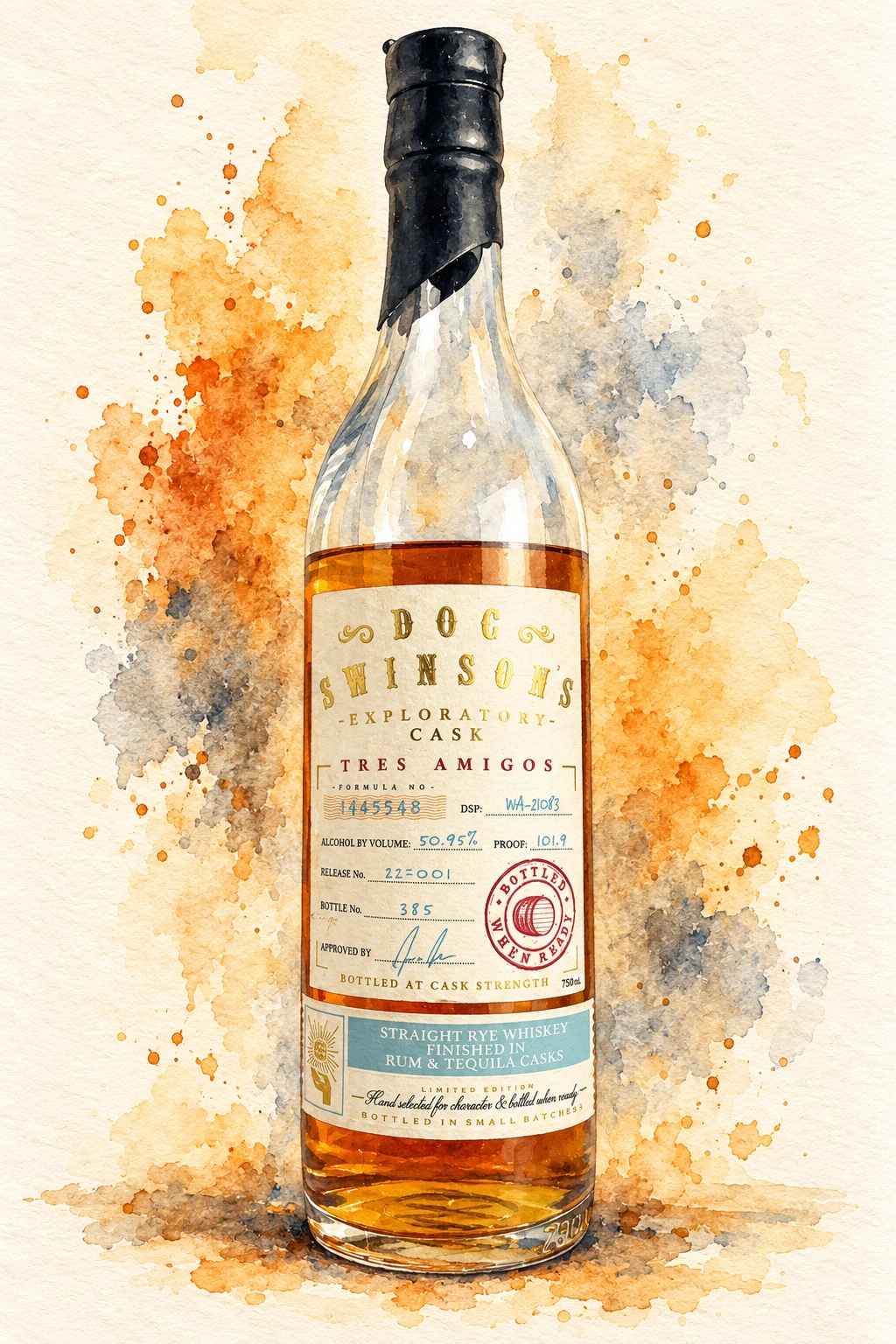
This rye explores rum and añejo tequila casks. The archive lists distinct batches at 101.9, 105.8 and 101 proof. The changing specifications make the actual batch identifier essential.[6]

Golden Hour, Forest & Fable and the archive

Port-related blending, Garryana finishing and older sourced whiskey show how broad the experiments can become. These are selected examples of the producer’s range, with historical availability kept separate from the current core.[10][11][18]

08 / The Reserve connection

Continue from the story to the bottles.

Doc Swinson’s in The Thelen Reserve

3 physical bottle records connect this story to the collection. Each keeps its own proof, barrel, batch, pick and release details.

Approved watercolor of Doc Swinson's Alter Ego Triple Cask - Release 21-003

Doc Swinson's Alter Ego Triple Cask - Release 21-003

W0162 · 95.8 proof · Bottle 5782 · Batch 21-003 · Formula 1362425 · Sherry and Cognac cask finish

Bottle 5782

Approved watercolor of Doc Swinsons Blenders Cut

Doc Swinsons Blenders Cut

W0163 · 115 proof · Bottle 2505 · Batch 22-001 · Bottled / release detail 22-001

Batch 22-001 · Bottle 2505

Approved watercolor of Doc Swinson's Tres Amigos - Rum & Añejo Tequila Casks

Doc Swinson's Tres Amigos - Rum & Añejo Tequila Casks

W0164 · 101.9 proof · Bottle 385 · Batch 22-001 · Bottled / release detail 22-001

Batch 22-001 · Bottle 385

Collection snapshot: October 23, 2026. Separate physical bottles and recorded release details are preserved. Label verification notes are included below.

Doc Swinson’s guide cover
The illustrated companion

Doc Swinson’s, in three pages.

Origins and people, history and places, whiskey and stories. An illustrated companion with linked research sources.

Sources & research notes

Collection verification

No exact approved bottle watercolor was found for W0162, W0163 or W0164. Blender’s Cut and Tres Amigos both retain the recorded batch WA-21083 pending label-photo verification.

Research qualifications

  • Research checked October 17, 2026. Company and brand are distinguished from the original distillation facilities. No complete ownership-capitalization history was located; the official company and co-founder relationships are reported without inventing a parent acquisition.
  • The 2017 launch and May 2023 distribution snapshot are supported by the Bellingham Herald search result; its full article was access-restricted. The producer’s origin account independently supports the contract-work-to-house-brand sequence.
  • By 2019 is an archive-based bound, supported by the award date attached to release 6; it is not a claimed exact launch date for the fifteen-year series. The 2020 solera date comes from later Tres Amigos batch documentation.
  • The final timeline card is explicitly a 2026 range snapshot, not a claimed launch event. Current product pages can change and do not overwrite historical bottle specifications.
  • The Session page contains an apparent transcription error in one mash-bill percentage. That full mash bill is omitted. Tres Amigos batch 24-001 does not repeat all the finish details of 23-008; no uniform finishing duration is assigned across batches.
  • Climate comparisons and origin anecdotes are producer accounts. No independent controlled claim about climate-driven flavor is made. Sensory descriptions are not presented as personal tasting observations.
  • All editorial watercolors are new symbolic illustrations, not documentary photographs, exact architectural reconstructions, botanical plates or label reproductions.

Full sources

  1. Distillers Way: company and house brands
  2. Doc Swinson’s: people and place
  3. The origin of Doc Swinson’s
  4. Bellingham Herald: Ferndale whiskey, May 2023
  5. The archive: 15 Year Bourbon
  6. The archive: Tres Amigos batch specifications
  7. June 2021: a base-blend adjustment
  8. Blender’s Cut: the unfinished base
  9. Summer 2022: Exploratory expansion
  10. Golden Hour: interview with Jesse Parker
  11. Spring 2024: new releases and label art
  12. 2025: inside the Barrel Lab
  13. Session Blend Bourbon
  14. Triple Cask Bourbon
  15. Bottled in Bond Rye
  16. The curiosity of blending whiskey
  17. The archive: Madeira-finished bourbon
  18. Whiskey archive: expressions through time
  19. Doc’s 2024 year in review
  20. Visit Doc’s: current Ferndale address
↑