From rye-led beginnings to new stills, patient maturation and a broader whiskey family. Every milestone has a distinct original watercolor.
1987
The modern company begins
Tom Bulleit establishes the modern business after a career in law. The brand’s nineteenth-century namesake story remains a separate, attributed source of inspiration.[1][2]
2011
Rye becomes an expression
The March announcement introduces a straight rye made with 95% rye and 5% malted barley, bottled at 90 proof. A supporting grain in bourbon now takes the leading role.[4]
2013
A decade in oak
Ten-year bourbon is announced in January. Extra maturation becomes an independent path through the range, rather than a change to every standard bourbon bottle.[5]
2014
Two different Kentucky projects
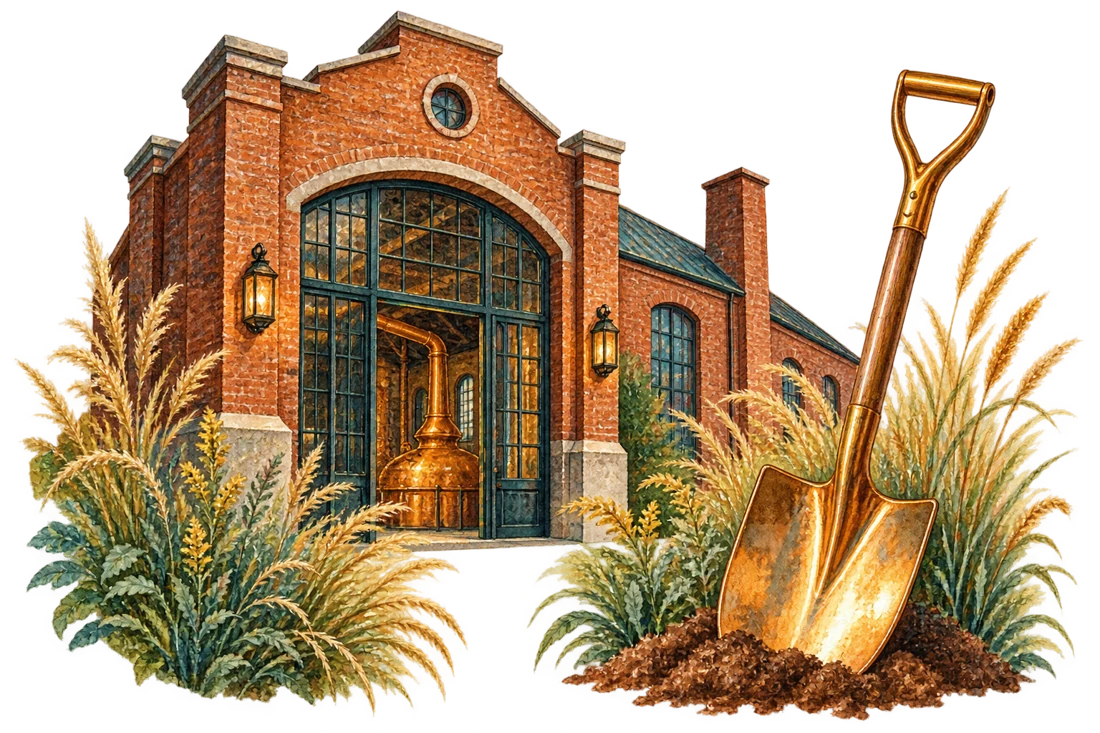
Diageo breaks ground for the future Shelby County distillery and opens the Bulleit Frontier Whiskey Experience at Stitzel-Weller. Construction and a visitor opening belong to different places.[6]
2016
Barrel Strength joins the family
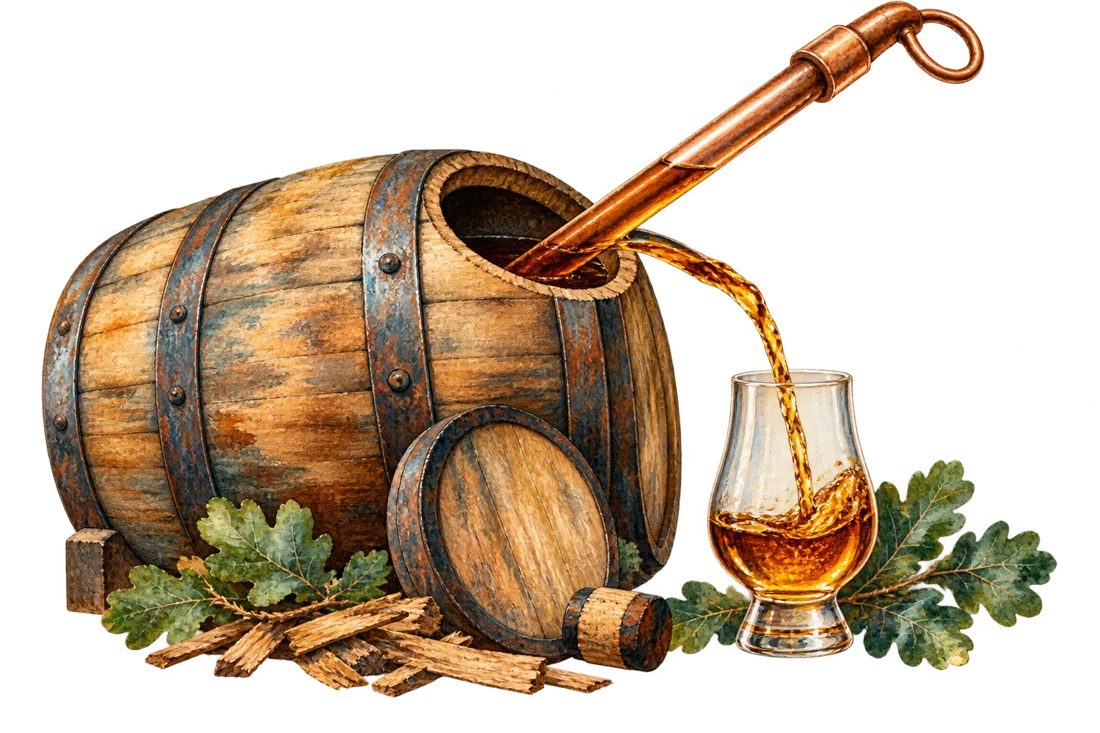
The initial Kentucky release combines selected barrels without adding water after their removal from wood. Barrel strength describes the bottling approach; it does not mean single barrel.[7]
2017
Shelbyville opens
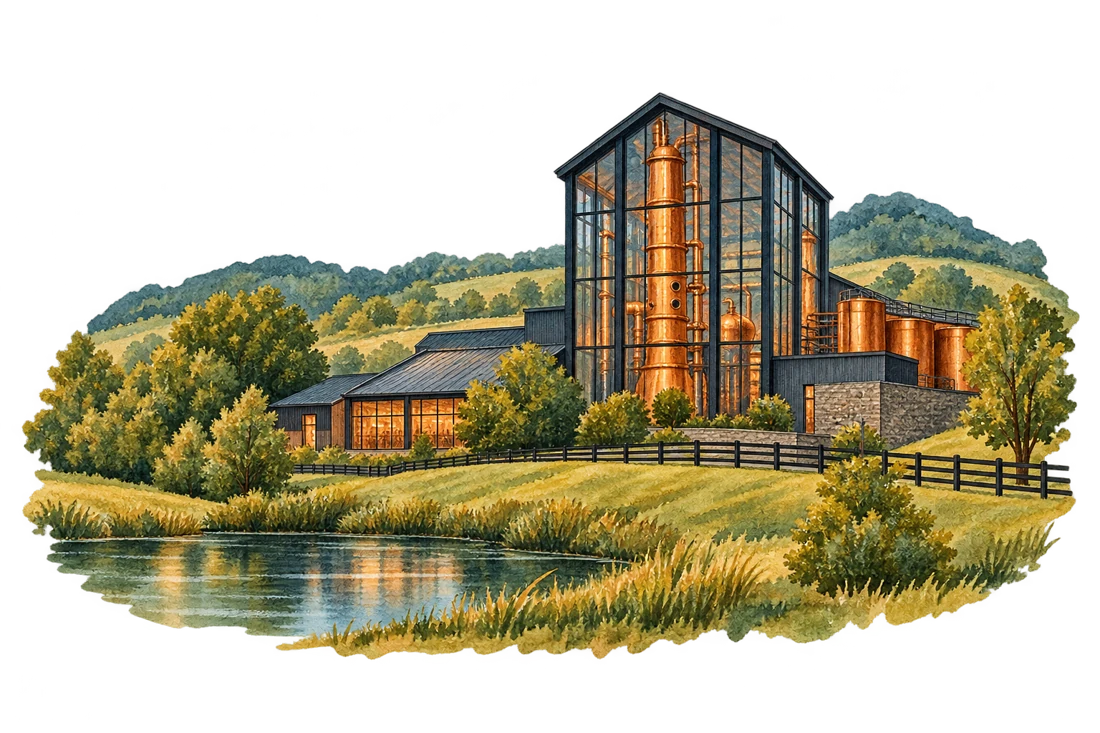
A March 14 ribbon cutting marks the modern distillery’s opening. Its original campus includes warehouses and a tall Vendome still, with production already underway at the announcement.[8]
2019 / March
Twelve-year rye arrives
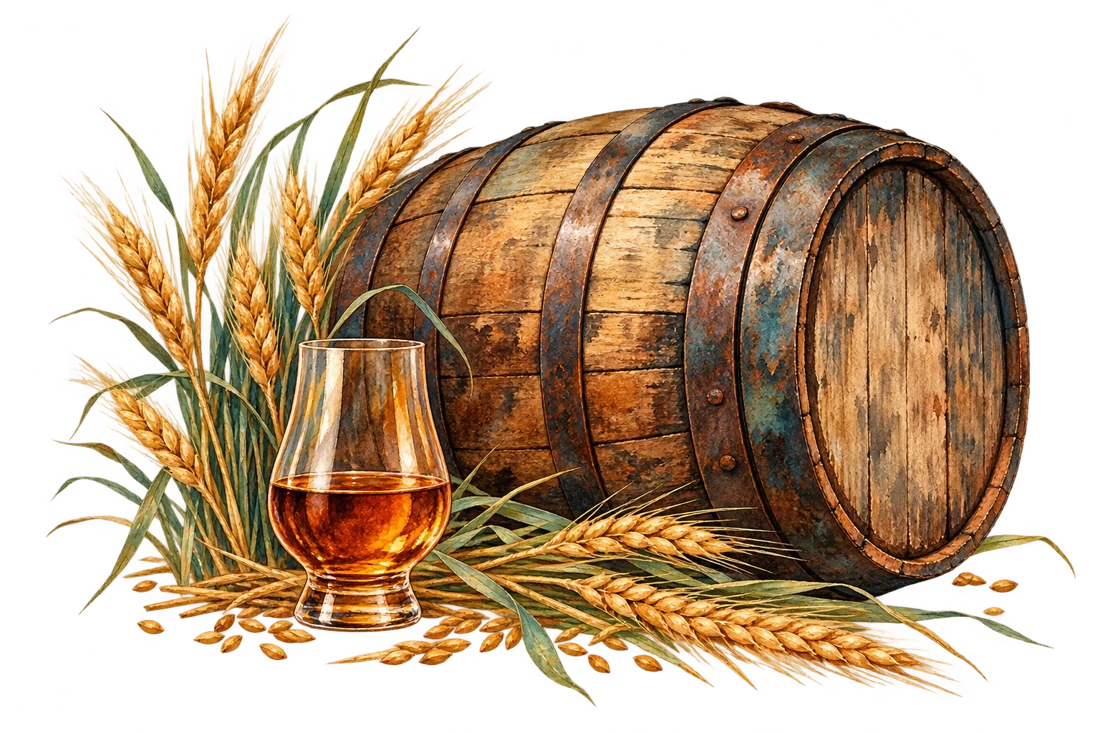
The first twelve-year rye release extends the 95-rye conversation into longer maturation. It returns in 2024 after five years, rather than representing an uninterrupted annual release.[9][28]
2019 / June
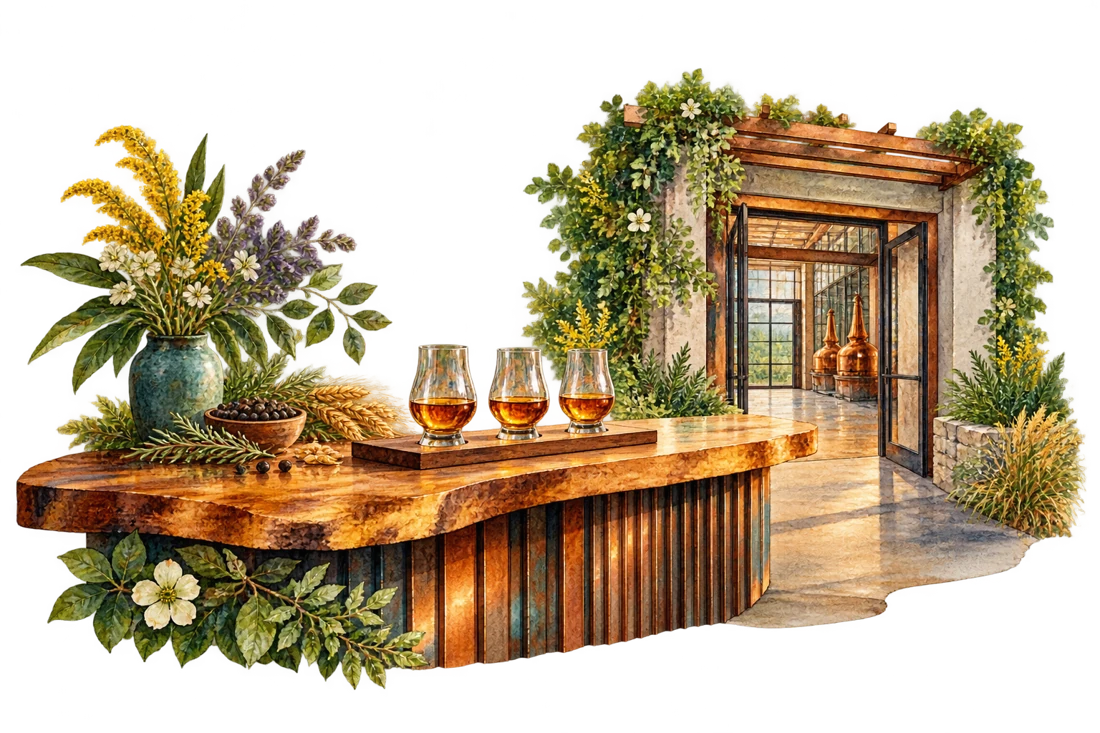
Shelbyville welcomes visitors
The new visitor experience opens to the public on June 25. This is a hospitality milestone two years after the production opening, with a tasting experience, cocktail bar and local partnerships.[10]
2021
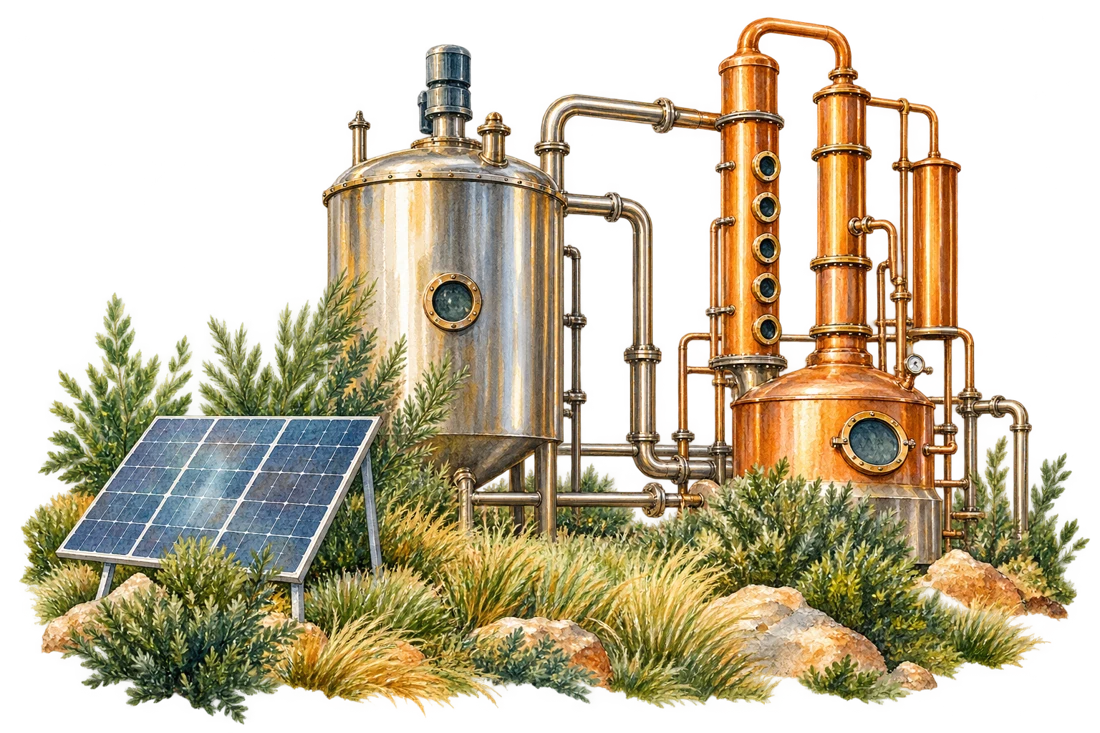
Lebanon adds another production home
Diageo opens its electrically powered Lebanon distillery, with Bulleit as its first and leading brand. The facility supplements Shelbyville; the two addresses are not interchangeable.[11]
2024 / February
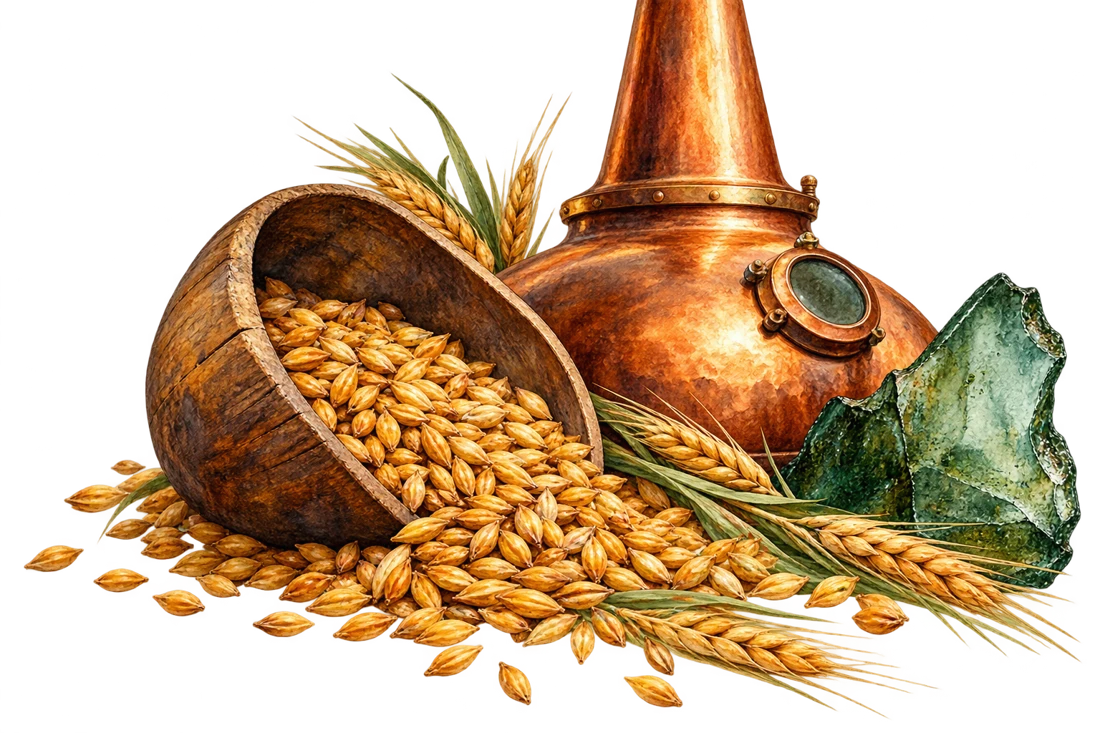
Barley takes the lead
American Single Malt launches with 100% malted barley, new charred American white oak and a 90-proof bottling. Its recycled-glass presentation gives the familiar bottle a green variation.[12]
2024 / September
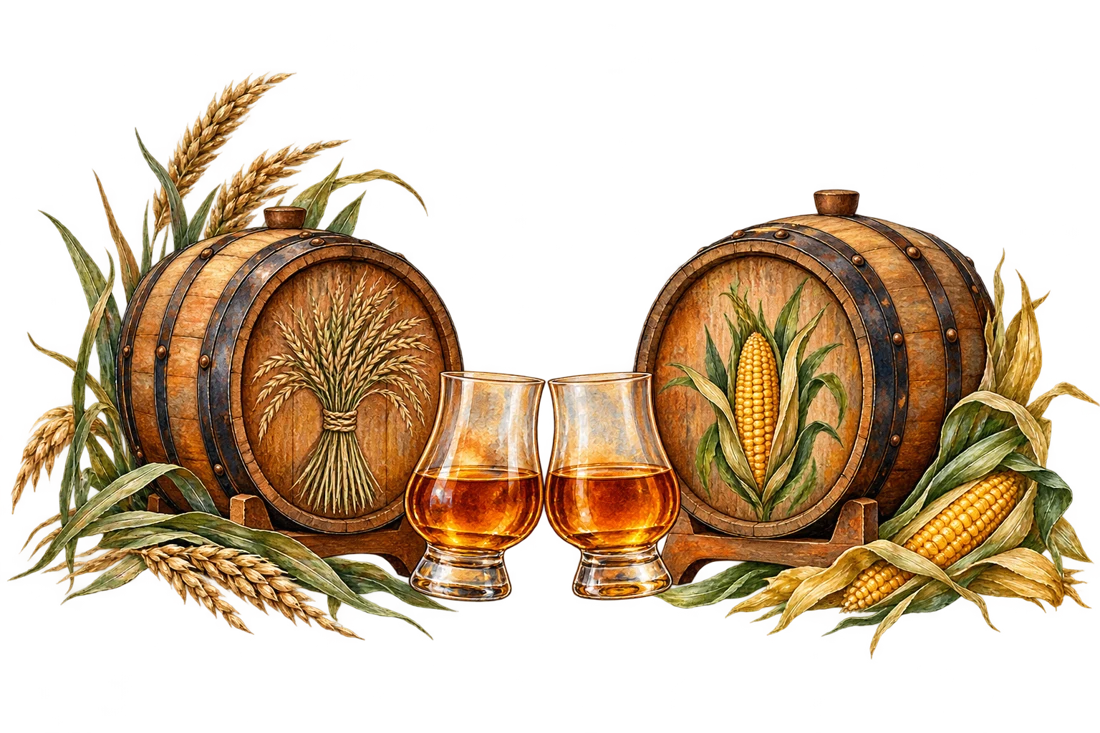
Ten-year rye becomes a permanent expression
A ten-year 95-rye joins the existing ten-year bourbon. The release gives the age-stated range a parallel grain comparison at 91.2 proof.[13]
2025 / February
Shelbyville’s first bonded release
The first Bottled-in-Bond edition is made from spring 2017 distillation and aged seven years. The dated announcement explicitly places both distilling and aging at Shelbyville.[14]
2025 / March
A reported production pause at Lebanon
Diageo confirms a temporary pause in distilling and barrel filling through June 2025. The report identifies some staff supporting Shelbyville. It does not establish a shutdown of the whole Bulleit brand.[15]
2026 / Edition
A second bonded season
The official page identifies the second Bottled-in-Bond edition as seven-year whiskey from fall 2018. It is a different distilling season from the first edition, despite the shared name.[16]
2026 / March
Smoke enters through malt
Mesquite Smoked Malt bourbon launches with a rye-free recipe. Its smoked grain was distilled in November 2018, matured at least six years and bottled in fall 2025 before the 2026 release.[17]
2026 / June–July
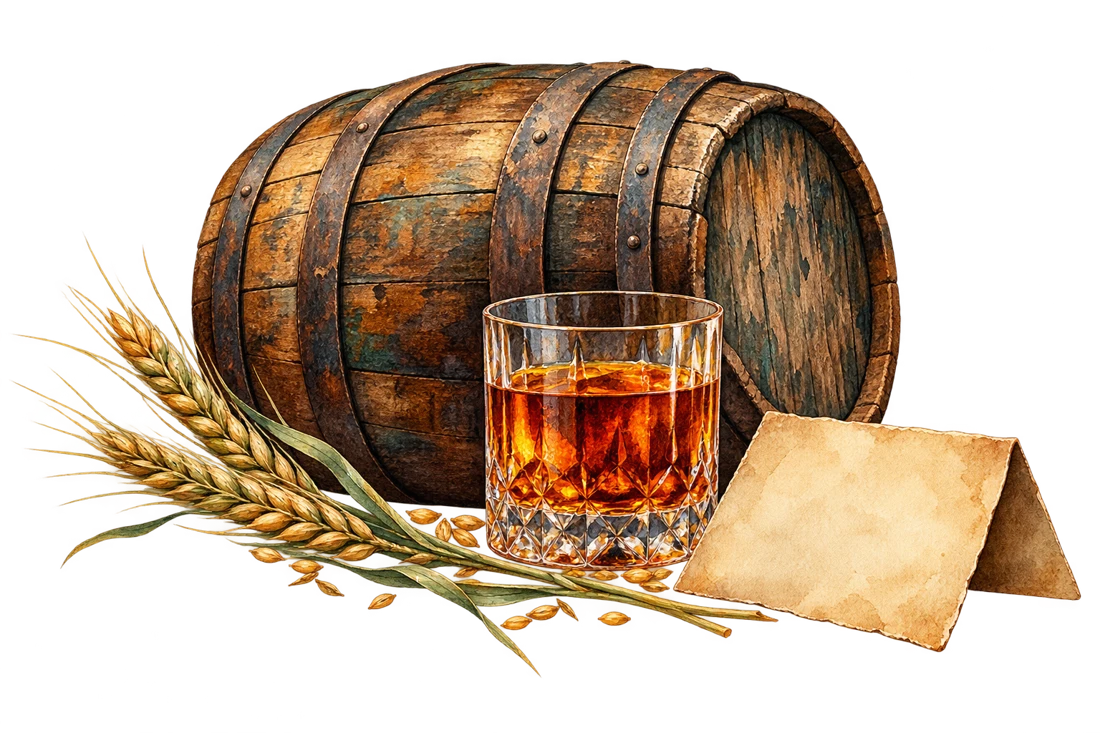
Twenty-year rye reaches the glass
The June announcement introduces a July release of twenty-year straight rye at 137 proof. It specifies Indiana distillation and Kentucky maturation, with 1,776 individually numbered bottles.[18]
2026 / July–September
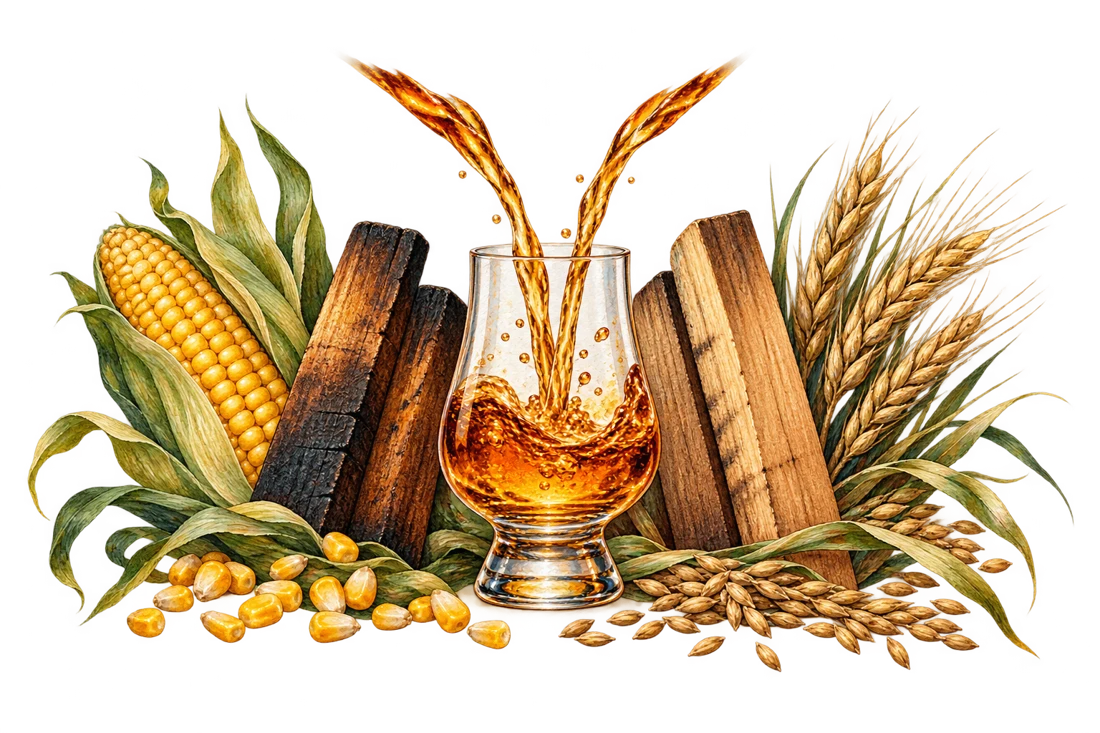
Bourbon and rye meet in ’87
Announced in July for September availability, ’87 joins bourbon and rye after separate toasted-stave finishing. The name points to the founding year, not the whiskey’s age.[19][20]