TJ THELEN'S COLLECTION
The Thelen Reserve
Behind the Bottles / Colorado distilling, blending & finishing / Founded 2008

Breckenridge

Last updated Last researched

Breckenridge, Colorado

Mountain water. A blender’s imagination. Colorado whiskey with a wider horizon.

Breckenridge Distillery is a mountain whiskey story with more than one way into the glass. Bryan Nolt’s enthusiasm for Scotch led toward a Colorado distillery, but bourbon blending became its defining language. Working stills, selected whiskey, wine and spirit casks, a restaurant and a succession of artistic collaborations all belong to the same restless enterprise. At roughly 9,600 feet, the setting is unmistakable. The more revealing question is what the team chooses to do with it.[2][16][22]

Interpretive watercolor of Colorado mountains, copper still and oak barrels
Operations began
2008[1][29]
Mountain home
Breckenridge, Colorado[24]
Founder
Bryan Nolt[2]
Current parent
Tilray Brands[8][28]
01 / Origins & people

A different calling, at altitude.

A physician follows his curiosity

Bryan Nolt approached whiskey as an enthusiast before he approached it as a business. The distillery’s account connects his move from radiology toward spirits with a trip to Scotland. That background helps explain a portfolio that keeps returning to malt whiskey and wine-cask influence even while bourbon supplies its commercial center. The ambition was to make something worth exploring, rather than reproduce a long-established family brand.[2]

The mountain becomes part of the recipe

In the company’s telling, a fishing trip to Mohawk Lakes helped turn Nolt’s attention toward Breckenridge and its water. This is a founder’s remembered moment, not a precisely dated incorporation record. The resulting choice was consequential: mountain snowmelt became an ingredient and a recurring part of the brand’s identity, connecting the place on the label with the work of mashing, blending and proofing.[21][22]

An operating history, not a borrowed century

The producer dates its start to 2008 and celebrated ten years in September 2018. Its archive places the first vodka and bourbon releases three years after operations began. These are distinct stages: creating a company, bringing equipment into use and putting a mature whiskey before customers need not happen together. The modern distillery takes its name from its Colorado home, without claiming to be a surviving nineteenth-century whiskey operation.[1][29]

Symbolic founder’s workspace with notebook and craft-distilling tools

Bryan Nolt · founder

Nolt remains the central voice in the company’s founding story and its blending philosophy. His interest in Scotch, wine and experimentation gives context to releases that travel beyond the expected bourbon range. The December 2021 sale changed the ownership structure; it did not erase the founder’s continuing presence in the distillery’s public story.[2][8]

Jordan Via · the early teacher

Via belongs to Breckenridge’s formative production chapter. Hans Stafsholt recalls joining as a junior distiller under him in 2014 and learning recipes, laboratory work and pot-still operation. That is a meaningful historical role. It should not be mistaken for a claim that Via is the current master distiller.[3]

Hans Stafsholt · master distiller

Stafsholt came through brewing before joining Breckenridge. His progression spans pot stills, gin development and column production. The current company interview names him master distiller, responsible for production, blending and quality. His role connects technical continuity with the expanding range.[3]

Billie Keithley · the liquid chef

Keithley represents the point where a finished spirit becomes a guest’s experience. In her account, Nolt and Via encountered her work behind a local bar and recruited her. Her culinary approach to cocktails makes the restaurant more than a separate dining attraction: ingredients, presentation and hospitality become another way of interpreting the distillery’s spirits.[25]

02 / The illustrated history

A Colorado story, still unfolding.

Follow the people, production, partnerships and releases that shaped Breckenridge. Founding, expansion and individual release dates describe different chapters.
Symbolic illustration: A Colorado distillery begins
2008

A Colorado distillery begins

The official operating history starts in 2008. Nolt builds a whiskey venture in Breckenridge, making mountain water and a high-altitude location central to its identity.[1][29]
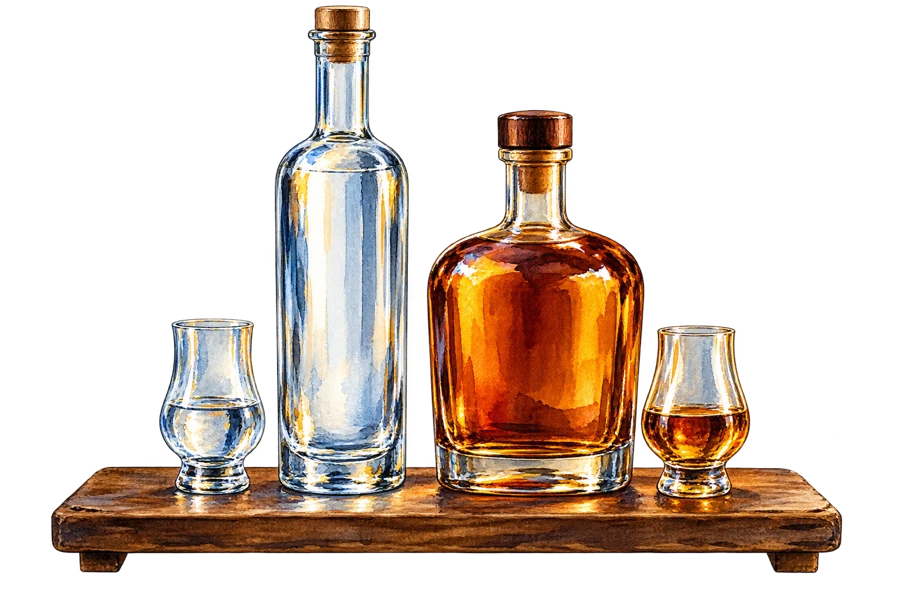
Symbolic illustration: Bourbon and vodka reach the glass
2011 · early releases

Bourbon and vodka reach the glass

The producer’s archive places its first vodka and bourbon three years after coming online in 2008. This separates the beginning of operations from the early commercial release chapter.[1]
Symbolic illustration: A brewer becomes an apprentice
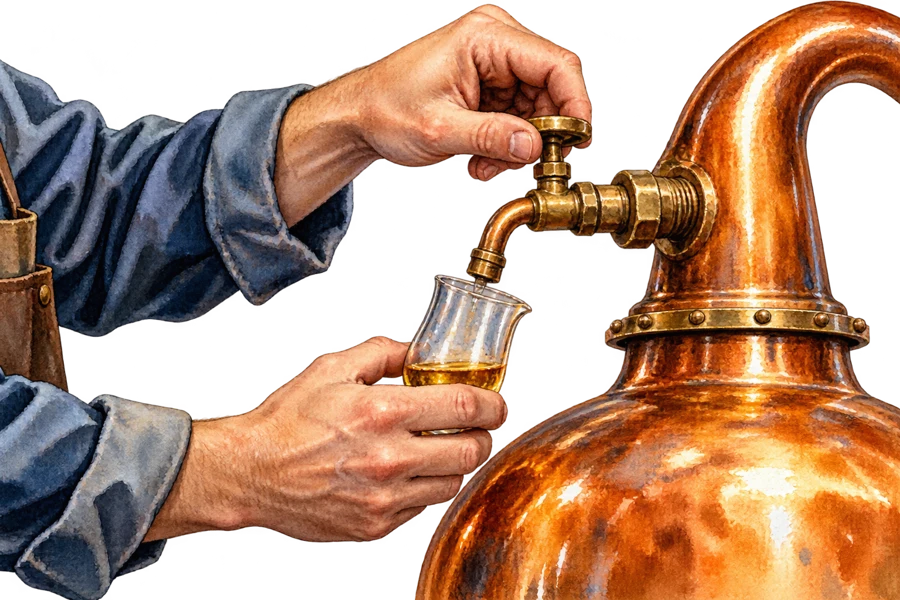
2014

A brewer becomes an apprentice

Hans Stafsholt joins as a junior distiller under Jordan Via. Brewing experience becomes a foundation for learning whiskey and rum production, recipes and laboratory work.[3]
Symbolic illustration: The distillery adds a dining table
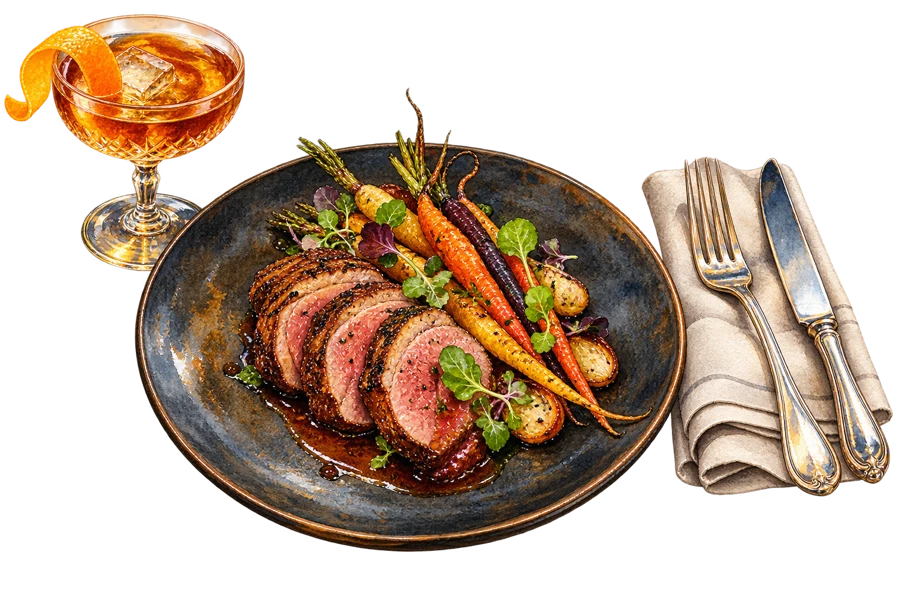
December 2016

The distillery adds a dining table

The restaurant opens, widening a visit from tasting spirits to a full food-and-cocktail experience. Hospitality becomes a substantial part of the distillery’s character.[4]
Symbolic illustration: A taller still marks a new scale
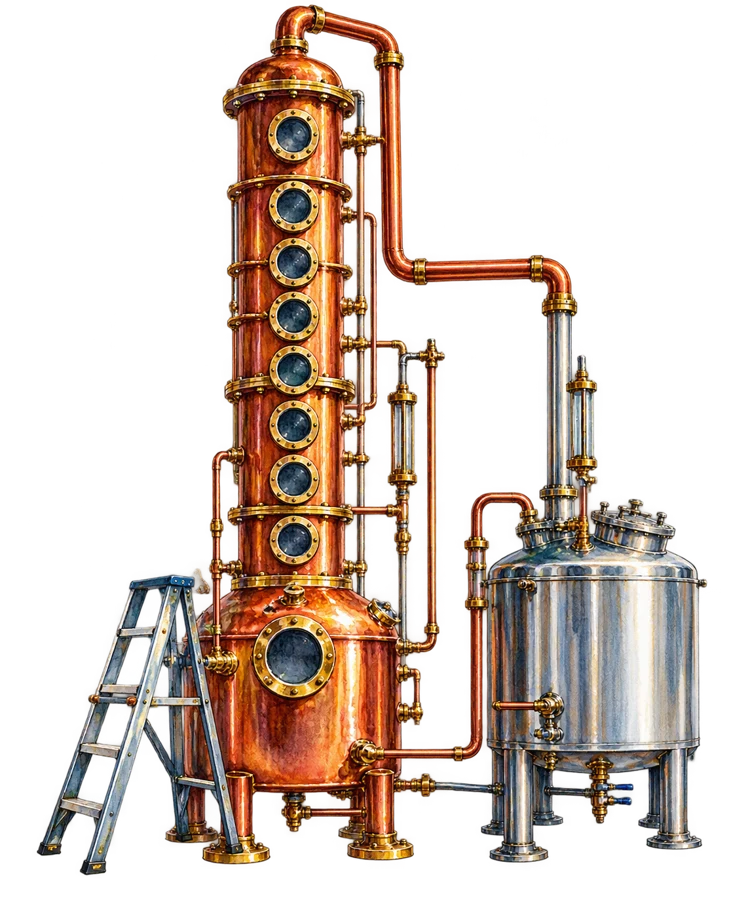
2018

A taller still marks a new scale

During its tenth-anniversary year, Breckenridge reports the start of production on a 42-foot continuous column still. The expansion adds another production method to the operation’s earlier pot-still experience.[5]
Symbolic illustration: Blending becomes a visual art
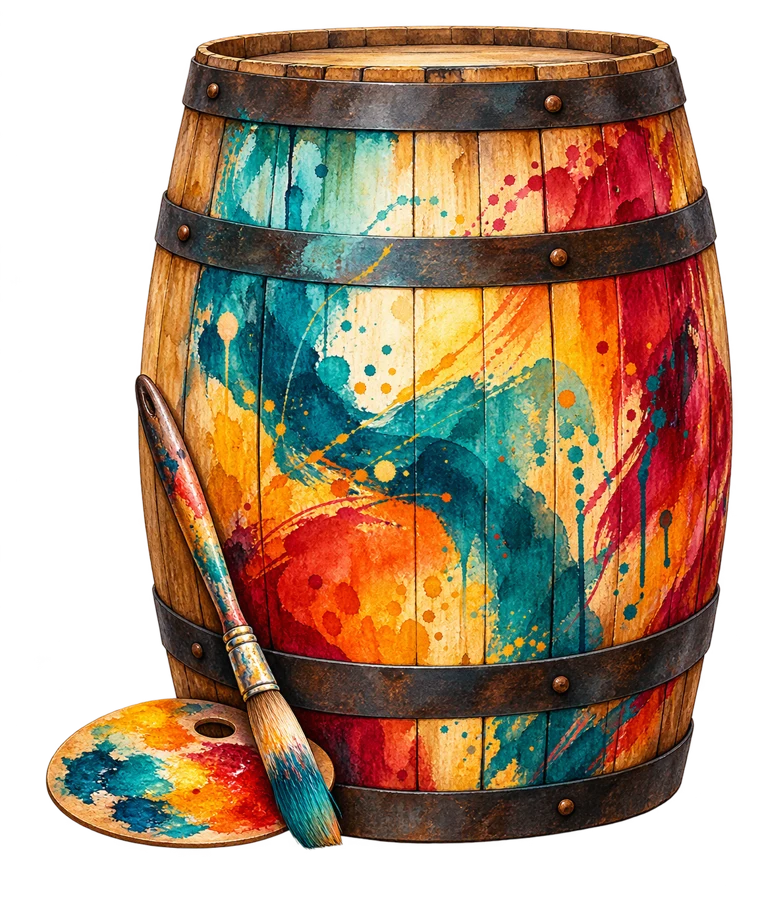
July 30, 2019

Blending becomes a visual art

The inaugural Collectors Art Series collaboration begins with Thomas “Detour” Evans painting ten barrels. Bottles follow in October, connecting whiskey composition with color, portraiture and a collectible label.[6]
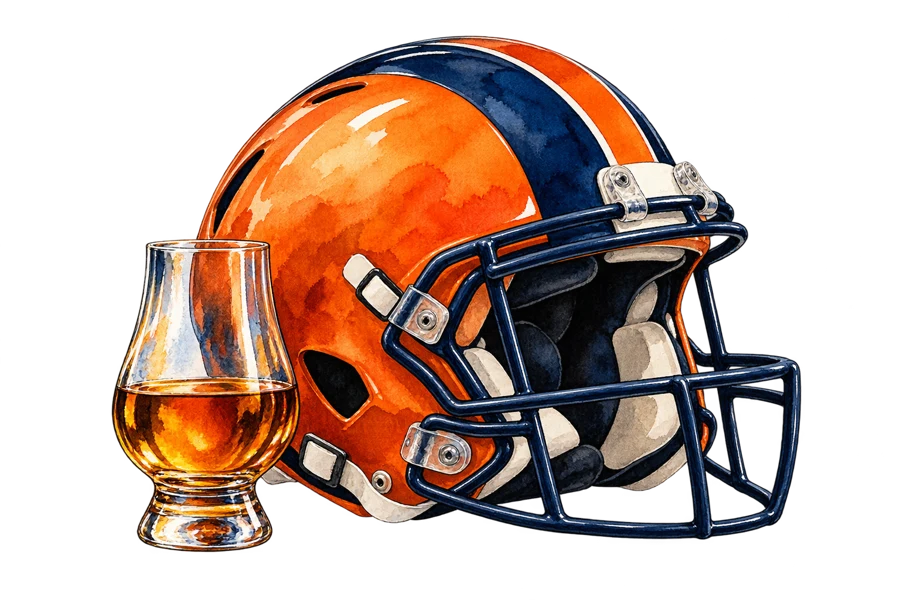
Symbolic illustration: The Broncos gain a hometown bourbon
2021

The Broncos gain a hometown bourbon

Breckenridge launches Champions Blend alongside its Denver Broncos partnership. Football becomes a new setting for the distillery’s blending experiments and Colorado identity.[7]
Symbolic illustration: Tilray acquires the distillery
December 8, 2021

Tilray acquires the distillery

Tilray announces the acquisition of Breckenridge Distillery. The mountain producer becomes part of a larger beverage and consumer-products organization, while retaining its own brand and founder-led story.[8]
Symbolic illustration: A Cognac finish enters the art series
2022

A Cognac finish enters the art series

A limited Cognac Cask Finish appears within the Collectors Art Series. Its later return as a permanent offering shows how an experimental edition can become a continuing part of the range.[9]
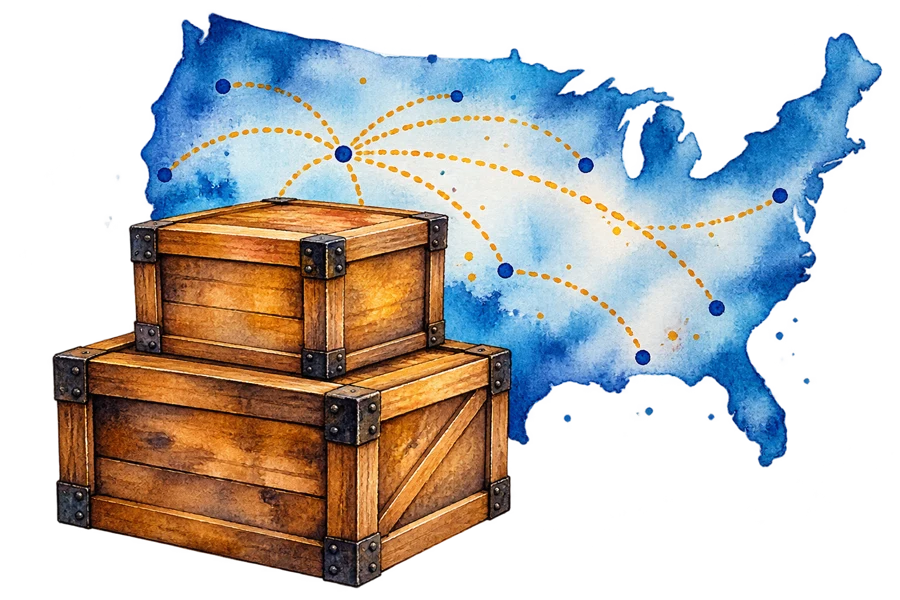
Symbolic illustration: A wider route to market
September 8, 2022

A wider route to market

The renewed RNDC agreement provides access to the distributor’s network in 38 states and the District of Columbia. It marks a distribution milestone rather than a new production facility.[10]
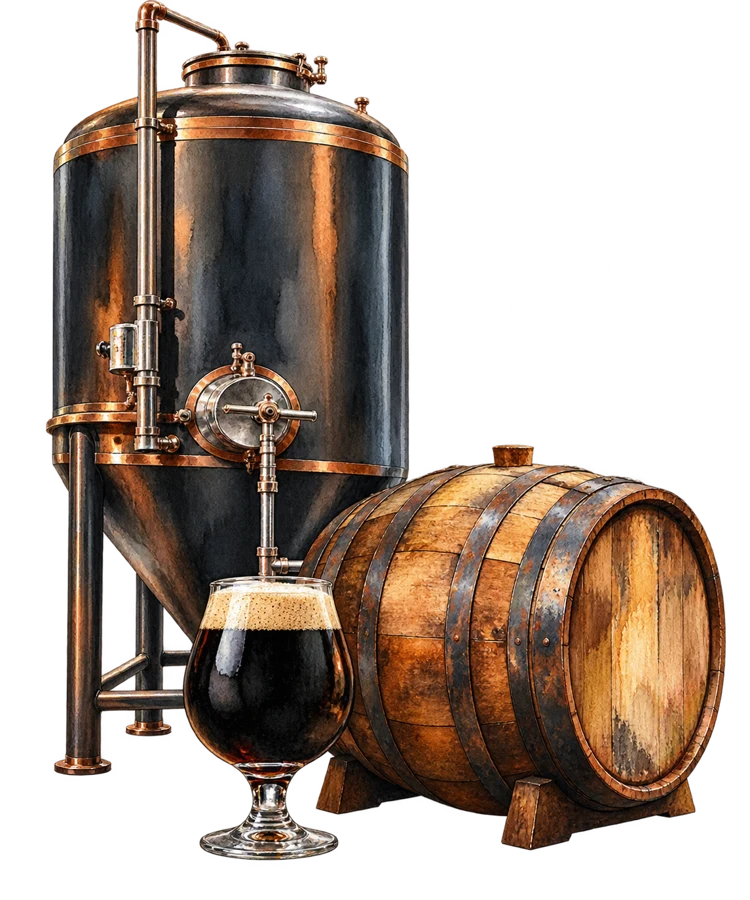
Symbolic illustration: The stout cask makes another round trip
January 30, 2024

The stout cask makes another round trip

Breckenridge announces the fourth Sexy Motor Oil collaboration with Breckenridge Brewery, scheduled for Valentine’s Day. Bourbon barrels season stout, then return to hold whiskey again.[11]
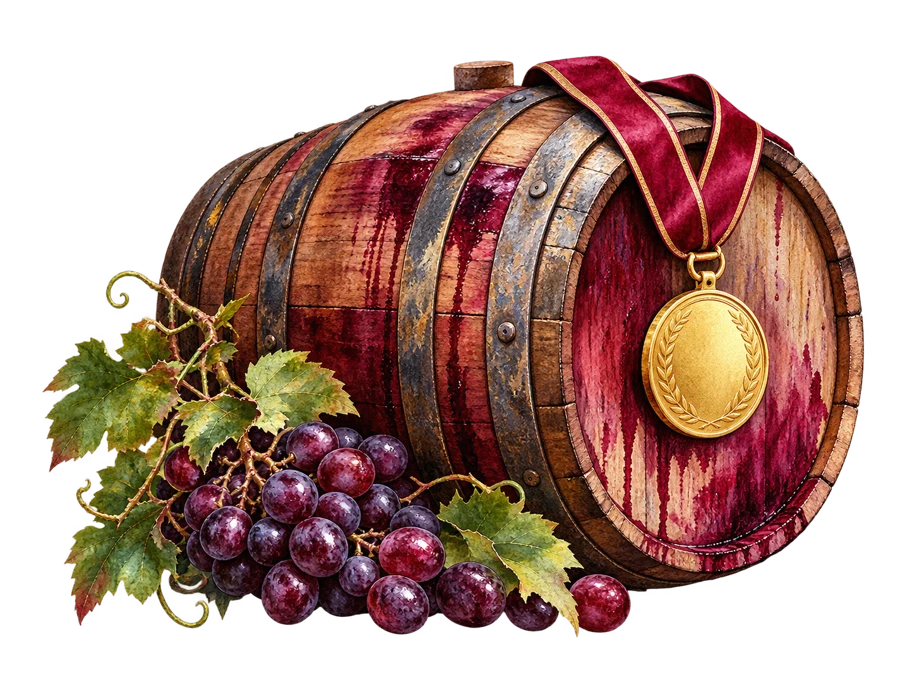
Symbolic illustration: Port Cask earns category recognition
2024

Port Cask earns category recognition

The company reports that Port Cask Finish wins World’s Best Finished Bourbon at the World Whiskies Awards. The category-specific distinction draws attention to a longstanding part of its finishing program.[12]
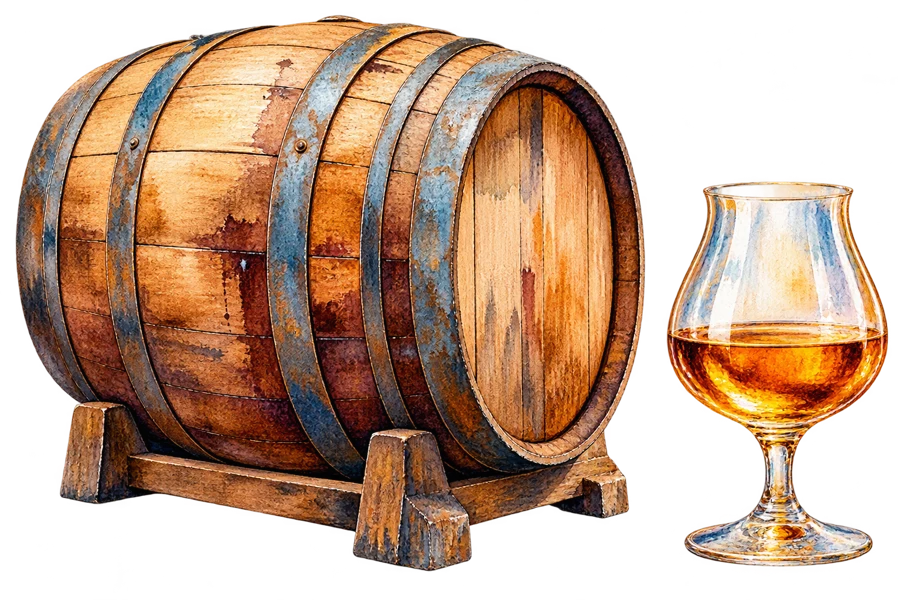
Symbolic illustration: Cognac moves into the continuing range
April 23, 2025

Cognac moves into the continuing range

Breckenridge announces Cognac Cask Finish as a permanent addition after its limited 2022 appearance. The release describes more than two years in imported Cognac barrels.[9]
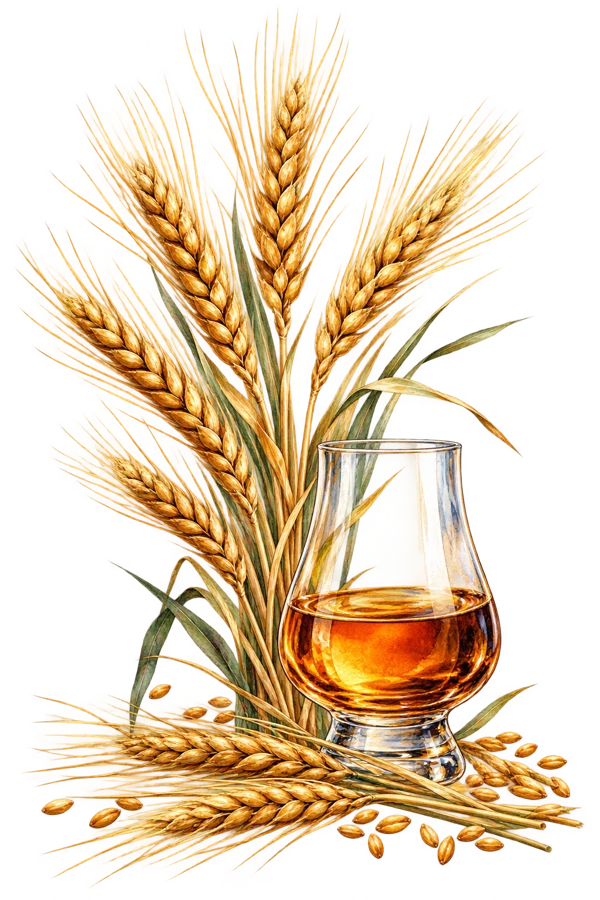
Symbolic illustration: Rye receives a new expression
June 4, 2026

Rye receives a new expression

The distillery announces a 100-proof rye built around an 80-percent rye recipe. It broadens the whiskey offering beyond the high-rye bourbon for which the brand is best known.[13]
Symbolic illustration: Twelve barrels stand individually
June 18, 2026

Twelve barrels stand individually

A collection announcement presents twelve unblended bourbon barrels aged at least five years. Each is individually proofed, with the announced releases ranging from 100.4 to 120.5 proof.[14]
Symbolic illustration: The sixth art collaboration reaches the mountains
September 15, 2026

The sixth art collaboration reaches the mountains

Pat Milbery’s sixth Collectors Art Series release pairs original label art with Barbados Cask Finish Whiskey. A Denver mural extends the collaboration beyond the bottle.[15]

Original watercolor interpretations accompany the history. Buildings, objects and scenes are symbolic, not documentary reconstructions.
03 / Geography & roles

One name. Several places that matter.

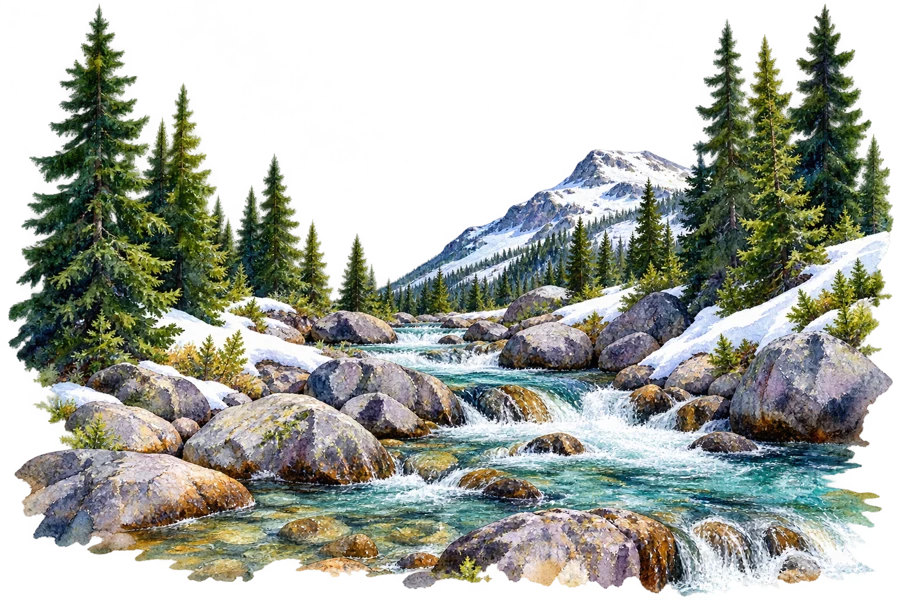
Interpretive Colorado alpine landscape and snowmelt stream

1925 Airport Road

Production & visitor home

This is the working distillery and principal visitor address in Breckenridge. Production tours, retail and the restaurant meet at the same site, giving a visitor several ways to understand the business. A shared address does not make every whiskey component locally distilled; the role of the facility and the provenance of a particular blend remain separate questions.[24]

137 South Main Street

Downtown tasting & retail

The downtown tasting room provides a second way to encounter the range without treating it as another distillery. It is a tasting and retail location within Breckenridge. Keeping that role clear helps the map tell a useful story: one address shows the production operation, another brings its finished spirits into the town’s pedestrian center.[24]

The restaurant

Food & cocktail experience

Opened in December 2016, the restaurant changed the scale and rhythm of a visit. Guests could encounter whiskey through a pairing or a carefully built cocktail as well as a neat pour. The dining room makes the distillery’s hospitality ambitions tangible, connecting the flavors in a bottle with a broader culinary experience.[4]

The Founder’s Lab

Blending & education

The producer describes a guided setting where visitors compare flavors, work on a blend and hand-bottle their creation. The important distinction is participation: this is an experience about making sensory decisions, not merely looking at equipment. No opening date is assigned here because the available retrospective does not establish one precisely.[23]

Denver’s artistic connection

2026 collaboration site

The sixth Collectors Art Series extends to a Pat Milbery mural at Tony P’s, 3000 Zuni Street in Denver. This is a creative partnership site, not a production or maturation facility. Its place in the story comes from the connection between a public artwork and the limited whiskey release announced in September 2026.[15]

04 / The whiskey family

Understand the name on the label.

Selected ownership, brand and creative relationships. A shared family name does not make every release the same whiskey.

Branching oak and unbranded bottles representing the whiskey family

Breckenridge and Tilray Brands

Current parent

Tilray announced the purchase in December 2021; current 2026 announcements continue to identify Breckenridge within Tilray Brands. The acquisition belongs in the ownership story, while distilling, blending and hospitality remain activities of the Breckenridge operation. The parent’s other product categories should not be read as ingredients or attributes of its bourbon.[8][28]

Distillery and brewery

Sister business & cask partner

Breckenridge Brewery is a separate brewing business. By the January 2024 Sexy Motor Oil announcement, both it and the distillery are identified as Tilray subsidiaries. Their collaboration is particularly concrete: actual casks circulate between bourbon and stout. A shared town name and parent do not make them one facility.[11]

Bourbon, finishes and malt

Selected whiskey families

The family of whiskeys has several branches. Bourbon and High Proof foreground blending; Port and other cask finishes explore further maturation. Dark Arts has its own malt-mash identity, while Two Drams explicitly combines malt components with imported Scotch. The producer name is the connection, rather than one universal grain recipe.[16][17][20][26]

The Denver Broncos

Sports collaboration

The relationship began in 2021 with an official hometown-bourbon identity and Champions Blend. Seasonal editions turn the partnership into a series of named whiskeys. This is a collaboration and marketing relationship, not evidence of ownership, shared distillation or an endorsement of every product in the wider portfolio.[7]

Distribution partners

Routes to market

RNDC’s 2022 agreement and the September 2026 Southern Glazer’s expansion document different routes to customers. The latter concerns New York and California. These are commercial distribution relationships, not whiskey sources; a wholesaler’s geography should never be substituted for where a spirit was distilled.[10][28]

05 / Making & choosing

Distill, blend, finish. Know the difference.

Grain, fermentation, distillation, oak and selection each leave a mark. Age and proof claims below belong to the expressions named.

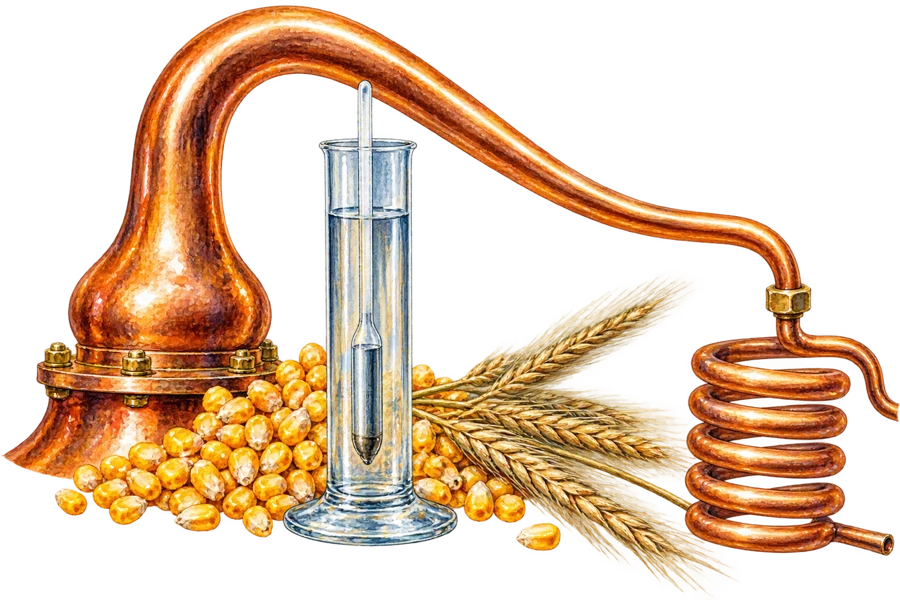
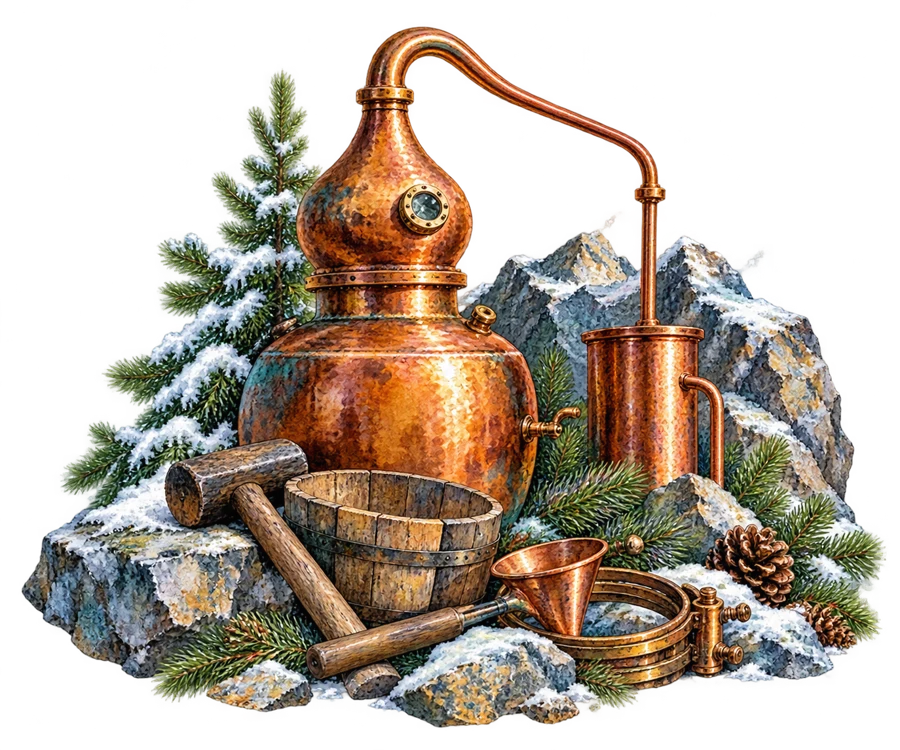
Symbolic copper still, grain and distilling instruments

Distilling and blending coexist

Breckenridge operates its own distillery, while its bourbon history also includes purchased whiskey. A historical producer statement preserved in a review describes combining its own distillate with selected barrels from Kentucky, Tennessee and Indiana. That disclosure is useful history, not a verified recipe for every current bottle. No present supplier identity or proportion is inferred.[27]

A high-rye bourbon foundation

The current flagship page specifies a minimum of three years in new charred American oak and bottling at 86 proof. The ingredients account identifies corn, rye and malted barley, explaining rye as a contributor to the balance of fruit-driven finishes. Those facts describe the bourbon foundation; they do not turn the separate 2026 rye into the same whiskey.[16][21]

The blend is built by tasting

Stafsholt describes selecting and assessing 20 to 40 barrels, comparing oak, caramel, fruit and spice before combining them. Sensory checks help maintain the intended character. A blend therefore preserves a recognizable direction while allowing individual barrels to contribute differently; consistency is an active task rather than an absence of variation.[3]

Water and altitude have different jobs

Nolt says he chose Breckenridge for the water and then adapted production to its elevation. Lower atmospheric pressure changes distillation conditions, while the water also enters mashing and proofing. He attributes distinctive maturation results to the location, but his observations should not become a universal claim that high altitude always ages whiskey faster or better.[22]

A cask finish adds another decision

The Port expression uses Tawny Port casks; PX Sherry draws on a different wine tradition and vessel history. Neither name replaces the identity of the whiskey that entered the finishing cask. Selecting the cask and deciding when its influence is sufficient are separate choices from the original fermentation, distillation and primary maturation.[18][19]

Proof can reveal a particular barrel

The June 2026 collection makes a useful distinction: a single barrel need not be bottled without added water. Breckenridge says each of these twelve casks is adjusted to the proof that best presents its character. Barrel individuality and bottling strength answer different questions, even when both appear prominently on the label.[14]

A malt blend crosses an ocean

Two Drams explicitly lists Dark Arts malt whiskey, a small amount of house-made peated American malt and imported Scotch. The result is a blend with different origins. This is an unusually clear example of why brand home, component origin and final blending location deserve separate attention when reading a whiskey story.[20]

06 / The details worth knowing

The stories behind the familiar name.

Art begins on the barrel

The first Collectors Art Series put Thomas “Detour” Evans’s work directly on ten whiskey barrels. The July 2019 collaboration and October bottle release were two parts of one project, with the label carrying its visual identity further. The idea made blending visible: separate colors and separate whiskey components could each be composed into a coherent whole.[6]

A beer barrel comes home

The Sexy Motor Oil project gives a bourbon cask a second and third life. It first holds Imperial Oatmeal Stout, then returns to the distillery for whiskey finishing. The 2024 fourth edition described more than a year in those returned casks and a 107-proof whiskey. The specific sequence explains the collaboration better than the provocative name alone.[11]

The visitor works at the bench

The Founder’s Lab asks participants to consider aroma, texture and finish while assembling a blend. Hand-bottling and a personal label complete the experience. It is a practical expression of the distillery’s wider identity: the final result depends on judgment about how components meet, and that judgment becomes easier to appreciate once a guest has tried it.[23]

A cocktail begins with an encounter

Keithley’s account of joining the team begins with a chance bar visit by Nolt and Via. The drinks she made led to a job offer. Her later culinary title captures a wider outlook: a spirit is not only something to evaluate alone, but something that can interact with fruit, herbs, texture, food and the mood of a room.[25]

Powder Hound has two local meanings

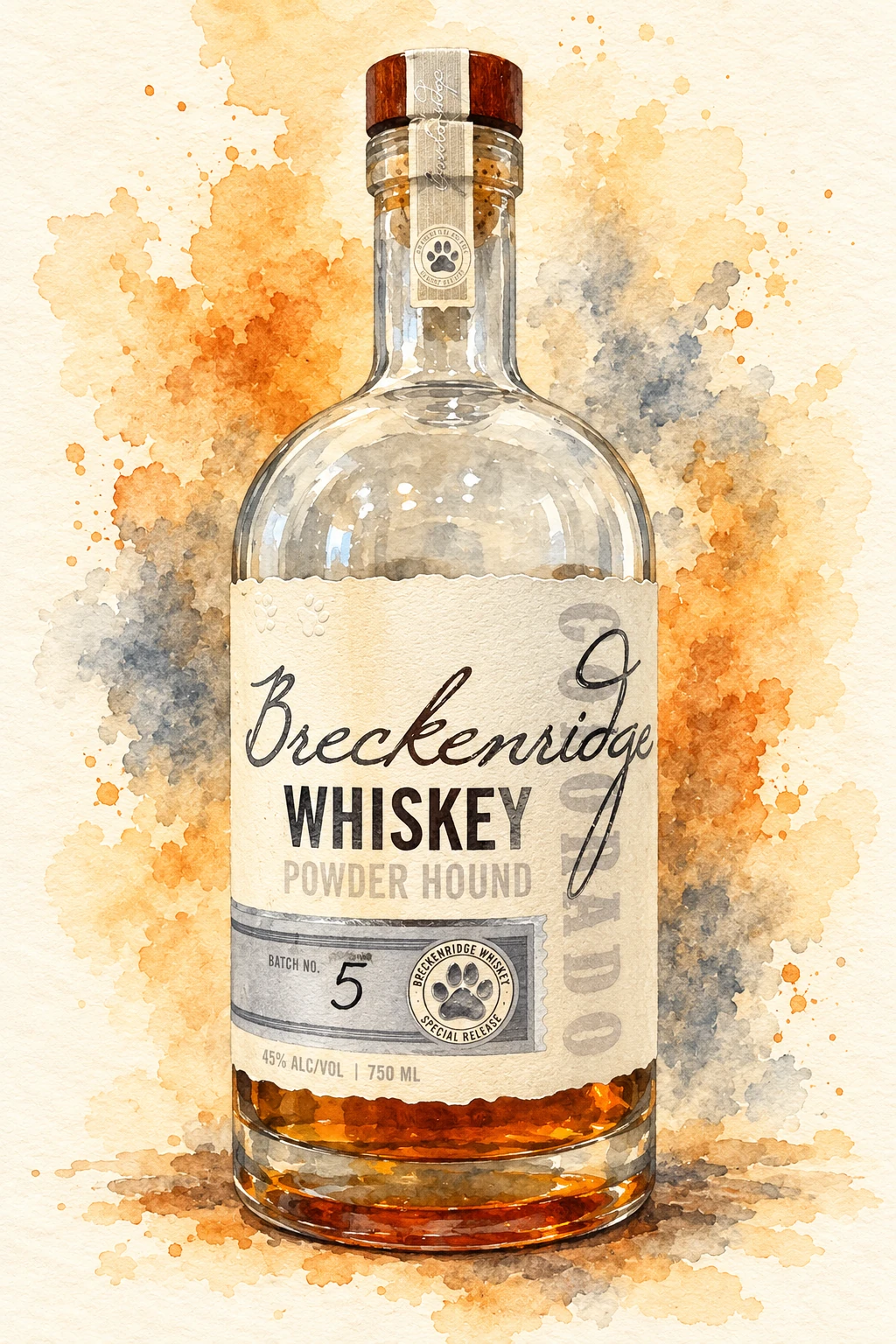
The first Powder Hound release appears in the distillery’s 2018 retrospective as a blend drawn from older barrels. Its name combined enthusiasm for dogs with the town’s affection for fresh snow. The producer connected that first batch with support for the Frisco Animal Shelter, giving a limited whiskey a community story without making the charitable terms universal for later batches.[5]

A wine partnership stays close to home

The producer’s wine-cask account describes Carboy Winery sending freshly emptied Cabernet Franc casks for Breckenridge bourbon. It is another kind of collaboration, built around the condition and previous contents of a vessel. The story connects Colorado wine and whiskey through material exchange, while keeping winery production separate from distillery production.[19]

07 / Selected expressions

A spectrum of barrels and finishes.

A curated reading of the whiskey family, selected for its role in the story. This is not an exhaustive current catalog.

Bourbon and Distillers High Proof

The 86-proof flagship is the natural starting point for the range: a high-rye bourbon blend with a stated three-year minimum. Distillers High Proof presents blended bourbon at 105 proof. Comparing them directs attention toward composition and strength, without assuming High Proof is a single barrel or untouched cask-strength release.[16][17]

Port Cask Finish

Tawny Port finishing is one of the clearest expressions of Breckenridge’s cask work. Its official description emphasizes fruit and maple-like notes interacting with the bourbon’s spice. The reported 2024 World Whiskies Awards result gives the bottle historical significance, but remains a named competition category rather than proof that every drinker will prefer it.[18][12]

PX Sherry and Cognac Cask Finish

PX and Cognac show two distinct finishing routes. The former draws on Spanish wine casks; the latter uses former French brandy barrels. Cognac’s April 2025 announcement explicitly follows a limited 2022 art-series edition and describes more than two years of finishing. That duration belongs to the announced expression, not every finished whiskey bearing the Breckenridge name.[19][9]

Dark Arts and Two Drams

Dark Arts is cataloged separately as whiskey distilled from malt mash. Two Drams takes a blending route, combining malt whiskey with a peated house-made component and imported Scotch at 102 proof. These releases make Nolt’s interest in the wider whiskey world visible, while resisting the temptation to label every Breckenridge whiskey bourbon.[26][20]

Rye Whiskey · 2026

Announced in June 2026 at 100 proof, the rye uses an 80-percent rye recipe according to the producer. It deserves its own category and specifications rather than borrowing those of the high-rye bourbon. The announcement does not supply a universal age or fully itemize component distilleries, so neither is supplied here.[13]

Single Barrel Collection · 2026

Twelve individually selected casks define the June 2026 announcement. The minimum five-year age and 100.4–120.5 proof range apply to this collection. Its significance is the decision to let each barrel stand alone, then choose an expressive bottling strength. Those specifications should not be applied backward to every earlier single-barrel release.[14]

Collectors Art Series · sixth edition

The September 2026 edition pairs Pat Milbery’s art with a 90-proof Barbados Cask Finish Whiskey. The label, a Denver mural and the whiskey form one collaboration. It continues the program’s creative direction while changing the artist and expression, so the specifications of the original 2019 release do not define the entire series.[15]

Patriotic Reserve · 2026

The June 2026 commemorative bourbon marked America’s 250th anniversary. Its significance is thematic rather than a new distillery or company milestone. It sits alongside continuing expressions and specialist finishes as an example of how Breckenridge uses a blend to tell a particular story at a particular moment.[30]

08 / The Reserve connection

Continue from the story to the bottles.

Breckenridge Distillery in The Thelen Reserve

7 physical bottle records connect this story to the collection. Each keeps its own proof, barrel, batch, pick and release details.

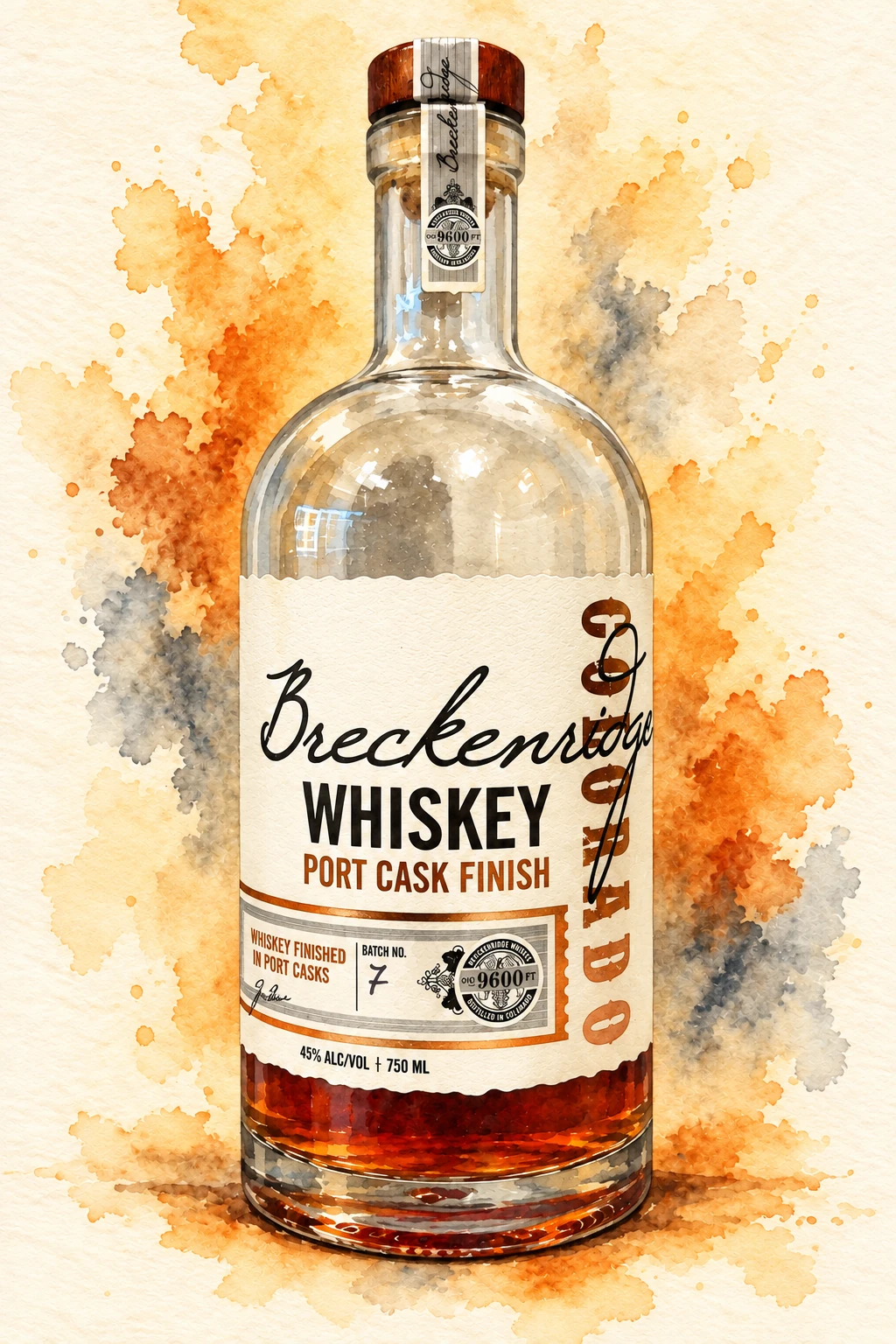
Approved watercolor of Breckenridge Port Cask Finish Whiskey

Breckenridge Port Cask Finish Whiskey

W0108 · 90 proof · Batch 7

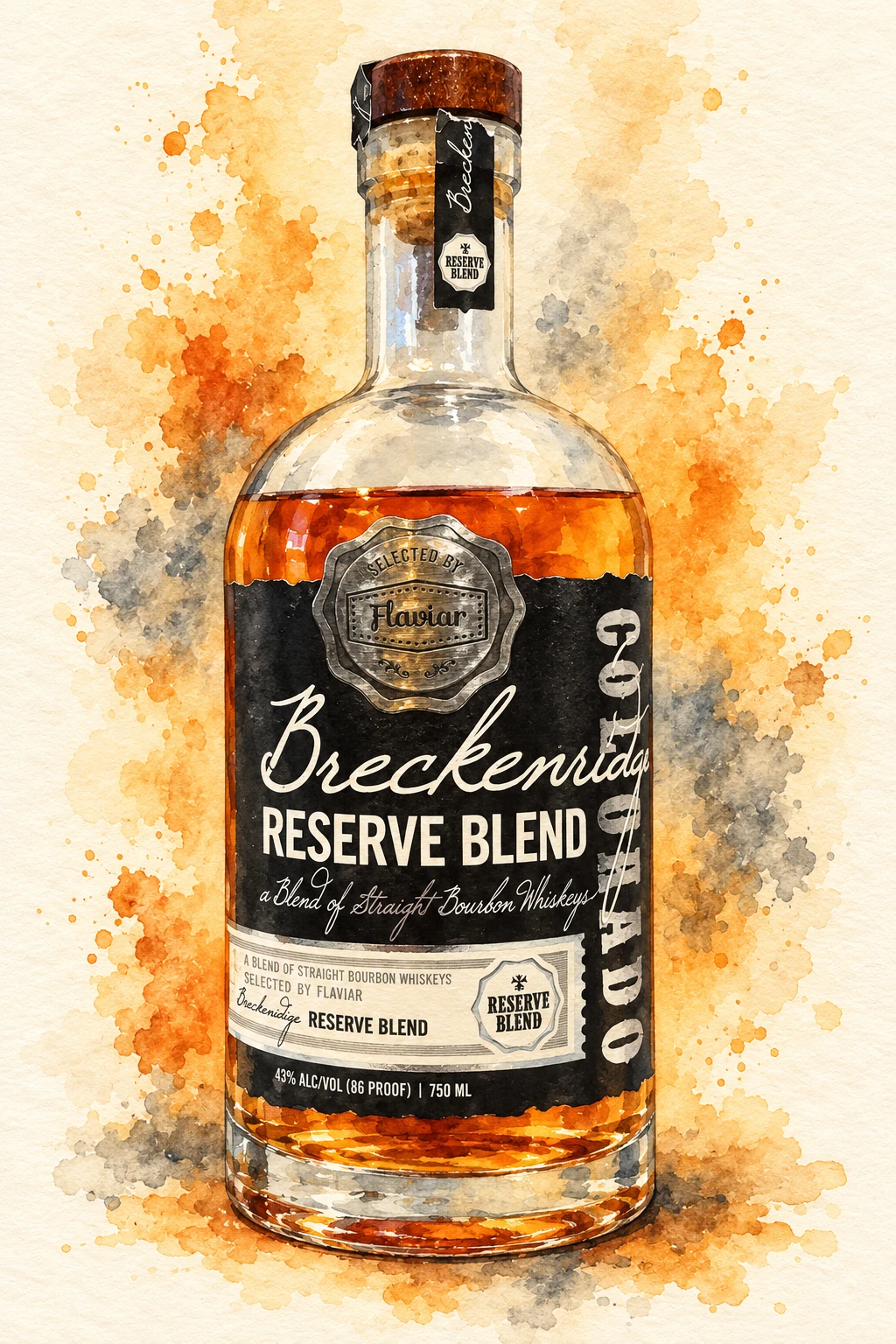
Approved watercolor of Breckenridge Reserve Blend

Breckenridge Reserve Blend

W0109 · 86 proof · Pick Flaviar · Bottled / release detail 2019

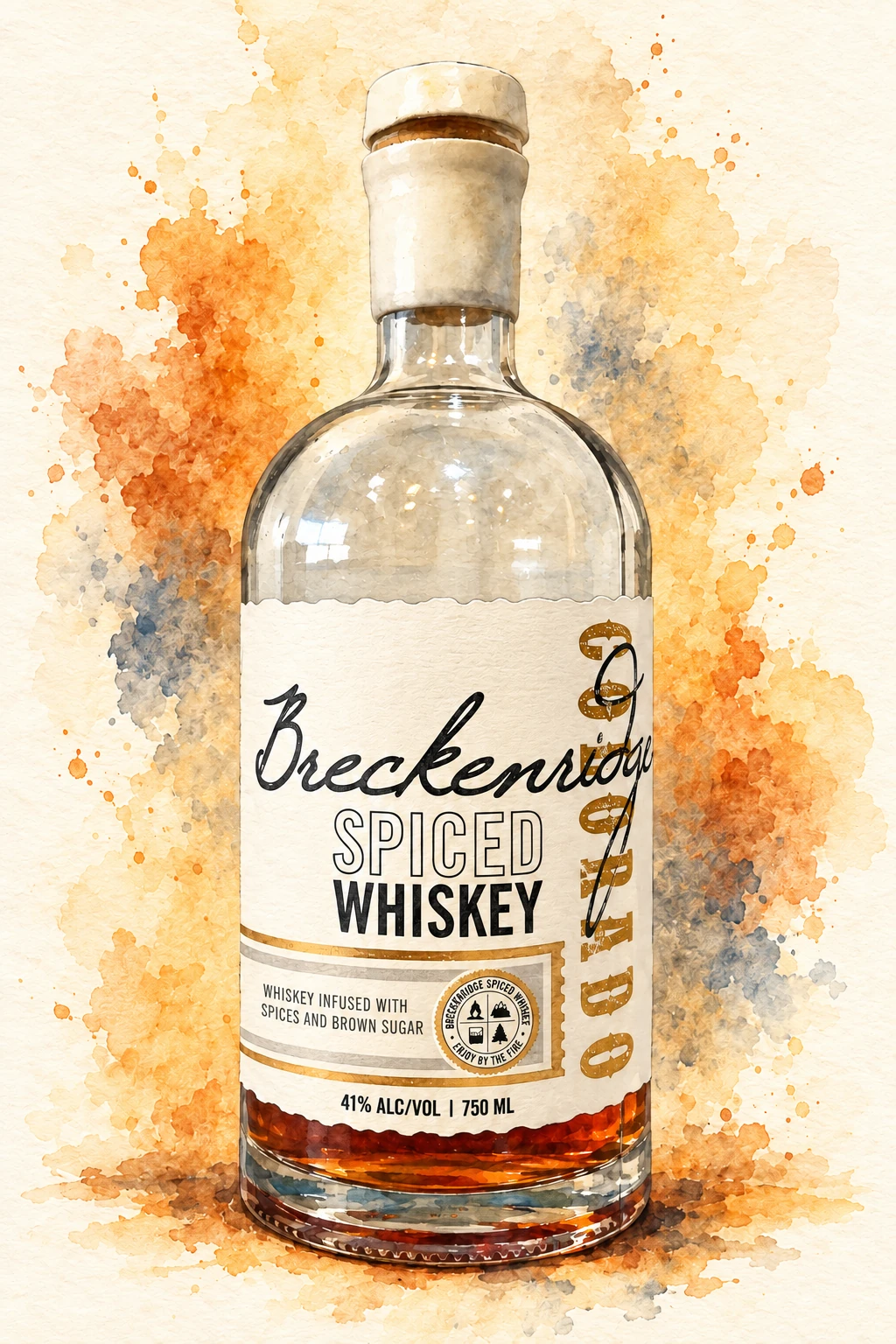
Approved watercolor of Breckenridge Spiced Whiskey

Breckenridge Spiced Whiskey

W0110 · 82 proof

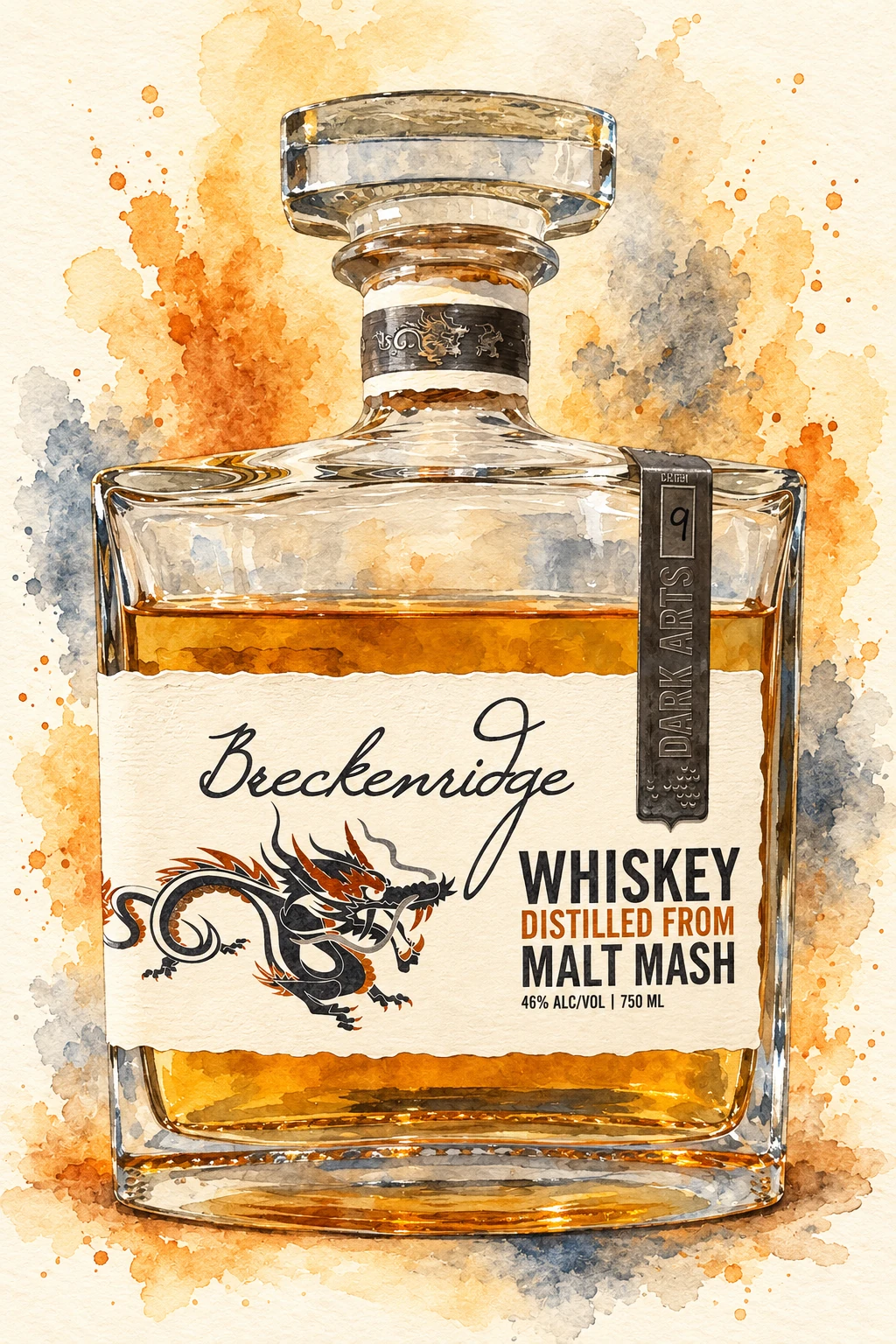
Approved watercolor of Breckenridge Whiskey Dark Arts

Breckenridge Whiskey Dark Arts

W0111 · 92 proof · Batch 9

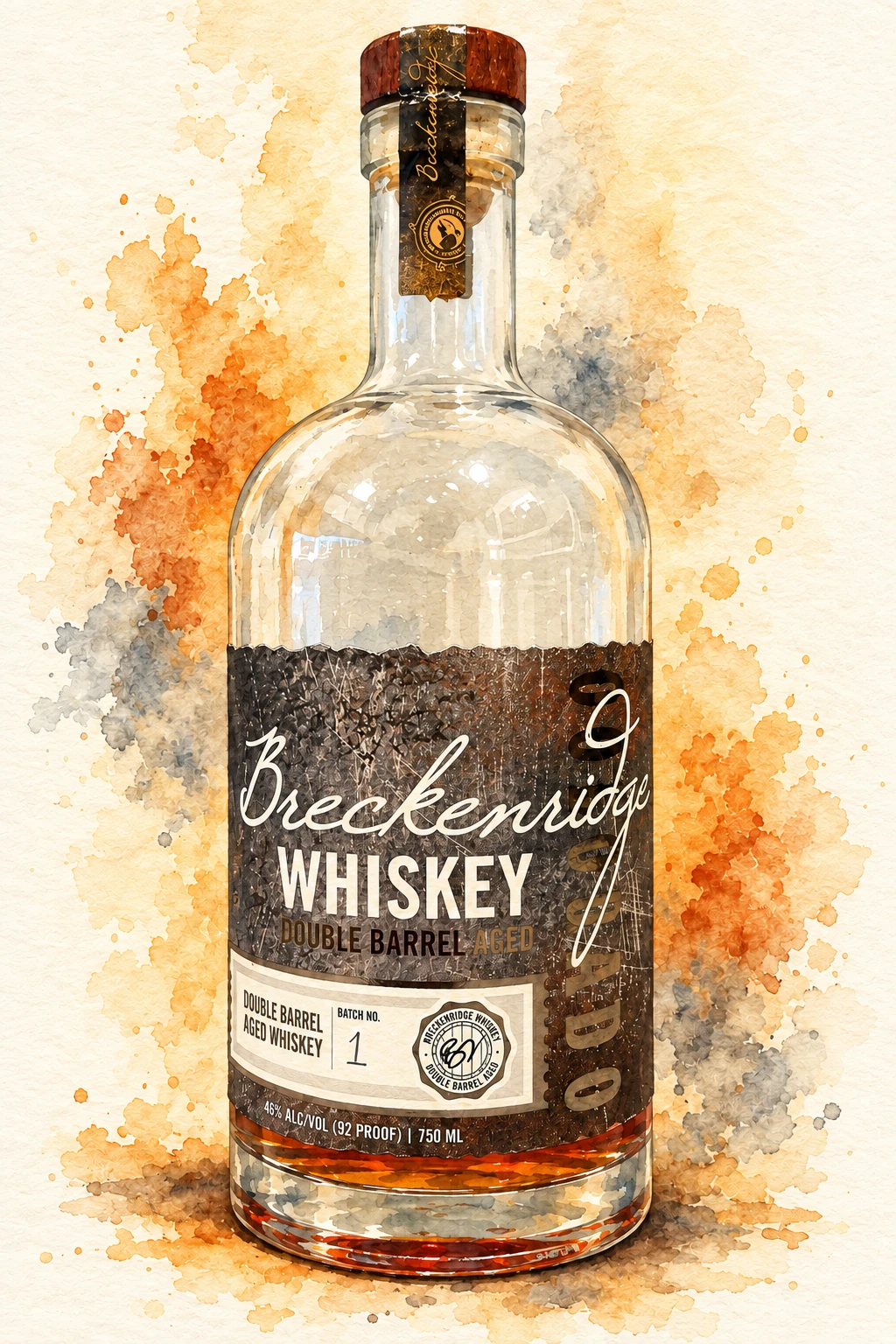
Approved watercolor of Breckenridge Whiskey Double Barrel Aged

Breckenridge Whiskey Double Barrel Aged

W0112 · 92 proof · Batch 1

Approved watercolor of Breckenridge Whiskey Double Barrel Aged

Breckenridge Whiskey Double Barrel Aged

W0113 · 92 proof · Batch 1

Approved watercolor of Breckenridge Whiskey Powder Hound

Breckenridge Whiskey Powder Hound

W0114 · 90 proof · Batch 5

Collection snapshot: October 22, 2026. Approved watercolor artwork appears where an exact record or verified release match is available. Separate physical bottles and release distinctions are preserved.

Breckenridge Distillery three-page guide cover
The illustrated companion

Breckenridge Distillery, in three pages.

Origins and people, history and places, whiskey and stories. The approved illustrated companion includes linked research sources.

Sources & research notes

Researched October 14, 2026. Primary producer announcements and institutional records are used wherever available. Product specifications are release- and market-specific.

Research qualifications

  • 2008 is used for the producer’s operating/founding timeline, supported by its current releases and contemporaneous September 2018 tenth-anniversary event. Some secondary biographies give 2007; no primary incorporation record establishing that earlier date was found. Do not collapse possible planning/company formation into operational opening.
  • The 2011 early-release entry derives from the producer archive’s explicit three-years-after 2008 statement. No exact day or claim about the first commercially sold bottle is invented.
  • Jordan Via is historical master distiller and mentor. Hans Stafsholt joined 2014 and is named current master distiller in the company interview. No unverified promotion/departure date is assigned.
  • Breckenridge is a working Colorado distillery and a blender. Historical own-plus-sourced bourbon disclosure survives in a secondary review quoting the producer. Current ratios, supplier names and universal Kentucky/Tennessee/Indiana composition remain unverified. Two Drams explicitly includes imported Scotch.
  • The World’s Highest Distillery phrase is treated as a producer tagline, not a verified global record. Roughly 9600 feet is the company’s published elevation. Faster maturation and sensory advantages are attributed observations, not independent comparative scientific findings.
  • Producer web articles often retain old publication metadata while their bodies have been revised. The wine-finish page now discusses 2024–25 events; it cannot establish an early date for those passages. Dated press releases control the timeline.
  • July 30 2019 is the inaugural art collaboration date; the first bottles followed in October. June 18 2026 is the Single Barrel press announcement; its stated Colorado retail start was June 17. Neither event is recast as the brand’s first-ever single barrel.
  • Cognac 2025 is a re-release/permanent addition after the 2022 limited edition, not the first Cognac finish. More than two years is finishing time for the announced whiskey; the ages of former Cognac contents are not whiskey ages.
  • Founder’s Lab is included without a purported opening year. Main Street is a tasting/retail site, the Denver mural a collaboration site, and Breckenridge Brewery a separate sister business. No additional distillery inferred.
  • Awards are named category results as reported by the producer. Tasting descriptions remain producer characterizations. The current portfolio is selected, not exhaustive; prices, schedules and personal collection data are excluded.
  • All illustrations are symbolic editorial scenes, not documentary portraits or exact historical architecture. New abstract artwork should not reproduce the collaborating artists’ specific murals or bottle labels. Research checked October 14 2026.

Full sources

  1. Breckenridge official historyOperations in 2008, first vodka and bourbon three years later. Note: Producer archive includes updated and historical copy; 2011 is inferred from stated interval.
  2. Meet the founderBryan Nolt, radiology and Scotland inspiration. Note: Producer introduction to a first-person interview; no precise career-departure year inferred.
  3. Hans Stafsholt interviewJoined 2014, Via mentorship, pot and column stills, current master distiller, 20–40 barrel selection. Note: Current retrospective, not a dated promotion announcement.
  4. Restaurant originsDecember 2016 opening, food/cocktail integration. Note: Historical restaurant feature; historical chef titles not projected into today.
  5. 2018 year in reviewTen years of production, 42-foot column starts, Powder Hound first batch. Note: Retrospective dated January 2019; year-specific charitable figures omitted.
  6. First Collectors Art SeriesJuly 30 2019 collaboration with Thomas Detour Evans, ten barrels, October bottle release. Note: Collaboration start is not bottle release date; origin anecdote is attributed recollection.
  7. Broncos six-season retrospective2021 partnership and Champions Blend start. Note: Producer sports-marketing history; partnership is not ownership.
  8. Tilray acquisition announcementDecember 8 2021 acquisition, seller group led by Sababa Partners I LLC. Note: Strategic ambitions are not completed product launches; no THC implication in whiskey.
  9. Cognac returns in 2025April 23 2025 permanent addition following 2022 Collectors Art Series, more than two years finishing. Note: Duration belongs to announced whiskey; Cognac ages are not whiskey ages.
  10. RNDC distribution agreementSeptember 8 2022, 38 states and DC access. Note: Historical distribution agreement, not current all-state availability.
  11. Sexy Motor Oil fourth editionJanuary 30 2024 announcement, February 14 release, stout barrel loop, 107 proof. Note: Brewery and distillery separate entities; timing/proof scoped to fourth edition.
  12. 2024 Port Cask recognitionProducer reports 2024 World Whiskies Awards Worlds Best Finished Bourbon. Note: Competition award reported by producer, not universal ranking; intermittent 403.
  13. 2026 Rye announcementJune 4 2026, 80 percent rye recipe, 100 proof. Note: Produced at altitude does not independently establish every component origin or an age.
  14. 2026 Single Barrel collectionJune 18 announcement, 12 barrels, 5-year minimum, 100.4–120.5 proof, individually proofed. Note: AnnouncementJune 18, retailer availabilityJune 17; not first single barrel in brand history.
  15. Pat Milbery sixth Art SeriesSeptember 15 2026, Barbados Cask Finish 90 proof, mural at 3000 Zuni. Note: Dated announcement preferred over stale generic series page; no copied artwork.
  16. Bourbon current specificationsHigh-rye bourbon blend, minimum 3 years, new charred American oak, 86 proof. Note: Not a universal age/proof for all expressions; complete current supplier list absent.
  17. Distillers High ProofBlended bourbon 105 proof. Note: High proof does not mean uncut or single barrel.
  18. Port Cask Finish59-gallon Tawny Port casks, producer-described fruit and maple notes. Note: Sensory descriptions not added ingredients; no universal finishing duration adopted.
  19. Whiskey and winePort first wine finish, PX Solera casks from Andalusia, Carboy Cabernet Franc collaboration. Note: Older publication metadata with updated 2024–25 body; no dates inferred from original posting.
  20. Two Drams specificationDark Arts malt component, house-made peated malt, imported Scotch, 102 proof. Note: Combined blend is not a single American malt from one distillery.
  21. Elements and ingredientsCorn/rye/malted barley, grain roles, finish balance, spent grain/Fitch Ranch loop. Note: Producer process description, not universal recipe percentages.
  22. Founder on elevation9600 feet, water choice, lower pressure, founder observations about maturation. Note: Highest claim and faster maturation are marketing/producer observations, not independent comparative proof.
  23. Founders Lab experienceGuest blending, nosing, hand-bottling, personal label. Note: No exact opening date used; experience details can change.
  24. Tours and locations1925 Airport Rd facility, 137 S Main St tasting room, production tour and hand-bottling experience. Note: Snapshot October 14 2026; schedules/prices excluded.
  25. Billie Keithley first-person storyLiquid Chef, meeting Nolt/Via while bartending, culinary cocktail approach. Note: Interview reproduced by producer; relative years not converted to exact dates.
  26. Dark Arts malt whiskeySeparate whiskey distilled from malt mash expression. Note: Current category naming retained; not forced into bourbon.
  27. Historical sourcing disclosure preserved in reviewReproduces producer statement of own distillation plus Kentucky, Tennessee, Indiana barrels. Note: Secondary carrier of attributed historical producer text. Current ratios/suppliers not established.
  28. September 2026 distribution expansionSeptember 3 2026 Southern Glazers expansion in New York and California, continuedTilray ownership. Note: No nationwide exclusivity inferred.
  29. 2018 tenth-anniversary eventSeptember 22 2018 event, founder history tour, Dark Arts, spirits/chocolate pairing. Note: Contemporaneous event corroborates 2008 timeline, not 2007.
  30. Patriotic Reserve 2026June 16 2026 commemorative bourbon launch. Note: Commemorative release not a distillery anniversary; selected catalog context only.
↑