TJ THELEN'S COLLECTION
The Thelen Reserve
Behind the Bottles / Kentucky

Booker’s

Last updated Last researched

A distiller’s personal choice.

Booker’s begins with a distiller’s preference: whiskey tasted close to the way it came from the barrel. Booker Noe turned that personal choice into a public bourbon brand. Its story now moves between family memories, the practical work of selecting barrels, and experiments that ask how far a familiar name can travel.

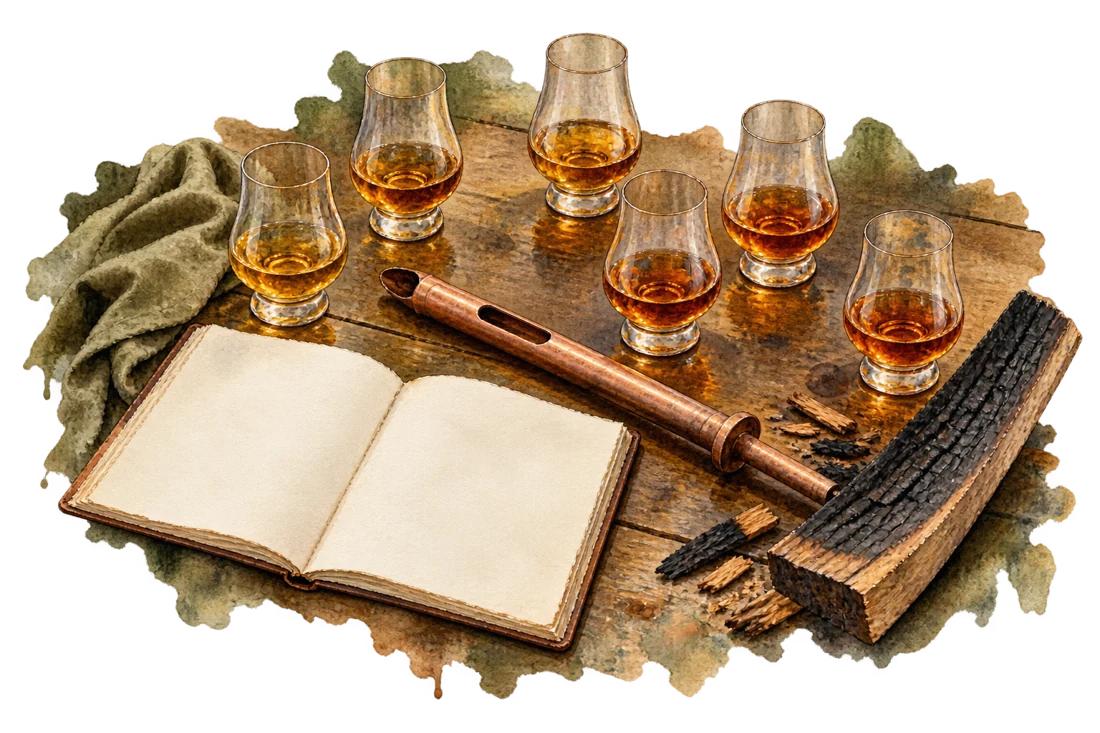
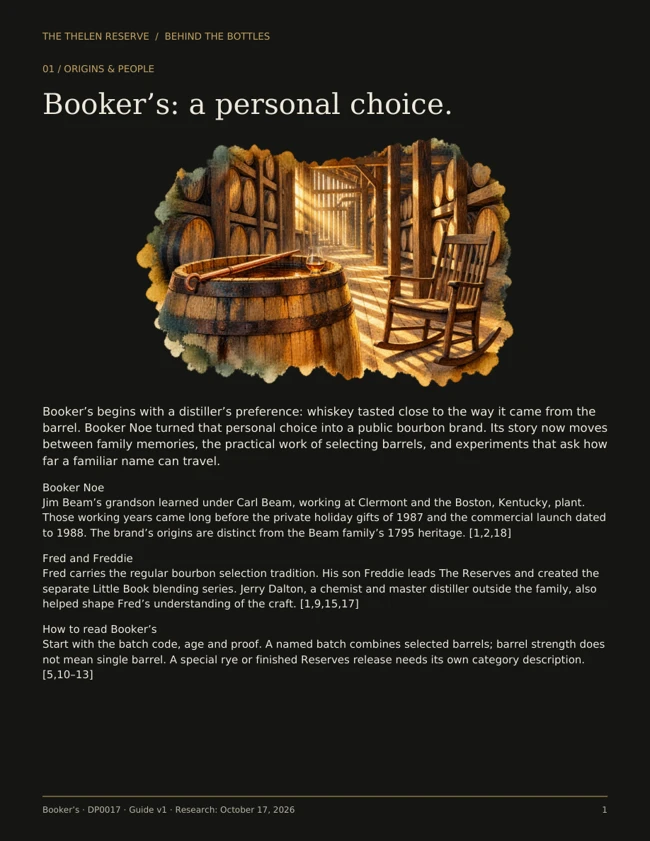
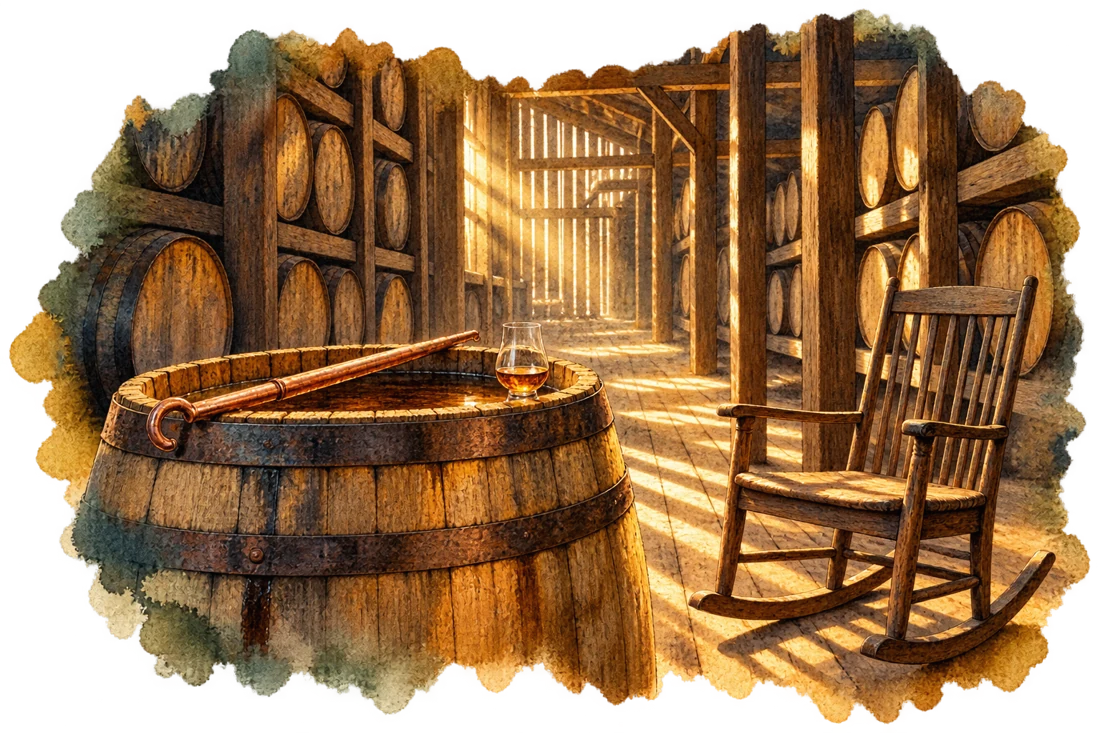
A rackhouse, tasting barrel and rocking chair; interpretive watercolor
1987 / 1988

Private gifts / commercial launch

Kentucky

Clermont home · Boston career history

A Beam brand

Suntory Global Spirits family

By the batch

Barrel selection · varying age and proof

01 / Origins & people

The work came before the name.

Learning before leading

Booker Noe, Jim Beam’s grandson, learned the work under Carl Beam. Fred Noe’s account of the apprenticeship places Booker at Clermont in 1952 and describes his involvement when Beam expanded into Boston, Kentucky, two years later. The Boston plant became a place to develop his own approach. These are foundations of Booker’s career, decades before the bourbon bearing his name reached the market.[18]

A private gift becomes a public bourbon

The current brand story dates Booker’s signature whiskey and holiday gifts to 1987; Beam’s historical account dates the commercial launch to 1988. Read together, they describe a private selection becoming a brand. The distinction keeps a useful origin story from turning into a false claim that Booker’s itself was founded with the Beam family business in 1795.[1][2]

Fred, Freddie and a wider circle

Fred Noe carries the regular Booker’s selection tradition, while his son Freddie leads The Reserves and created Little Book. The family narrative also includes people outside the family: Fred credits chemist and master distiller Jerry Dalton with teaching him the science behind the craft. Booker’s is personal, but the work has never belonged to one person alone.[1][9][17]

02 / The illustrated history

A personal idea, carried forward.

From apprenticeship to the latest experiments. Each milestone has its own original interpretive watercolor.
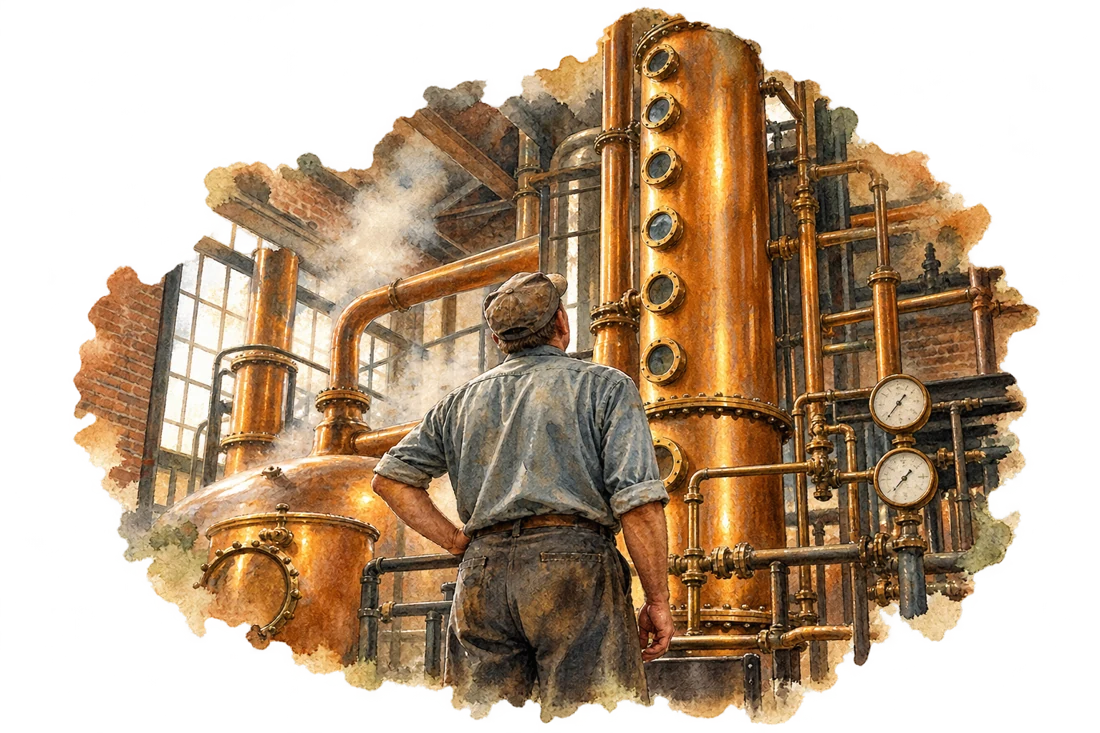
boston, interpretive watercolor
1952–1960

A distiller finds his footing

Booker learns under Carl Beam at Clermont, helps develop the Boston operation and, in Beam’s historical chronology, becomes Boston’s master distiller in 1960.[18][2]
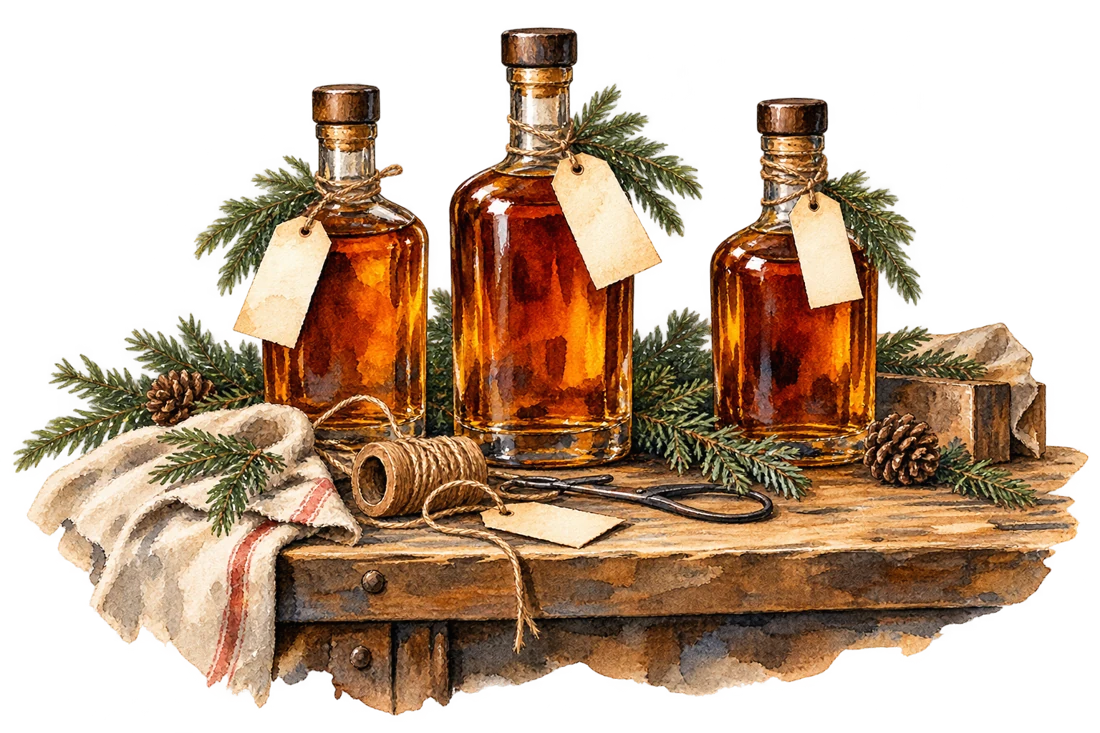
gifts, interpretive watercolor
1987

Whiskey for friends

The brand traces its private-stock beginnings to holiday gifts of Booker’s signature barrel-strength bourbon.[1]
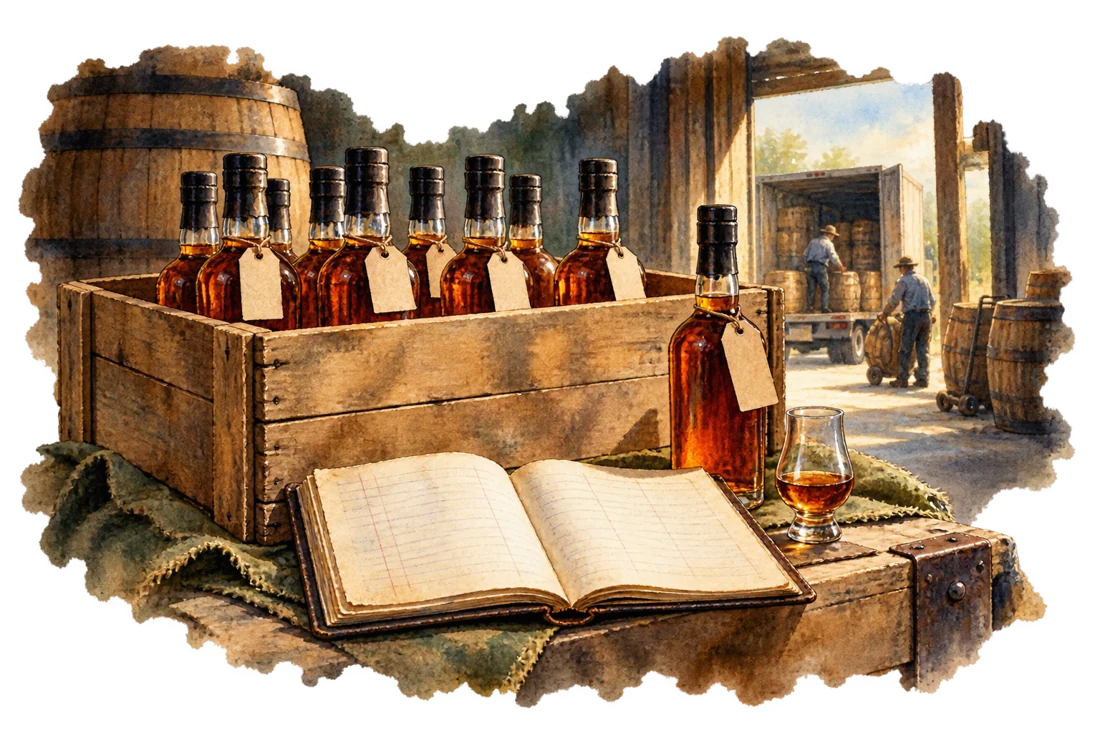
launch, interpretive watercolor
1988

Booker’s reaches the public

Beam’s historical account dates the commercial launch to 1988. A personal barrel selection becomes a named bourbon brand.[2]
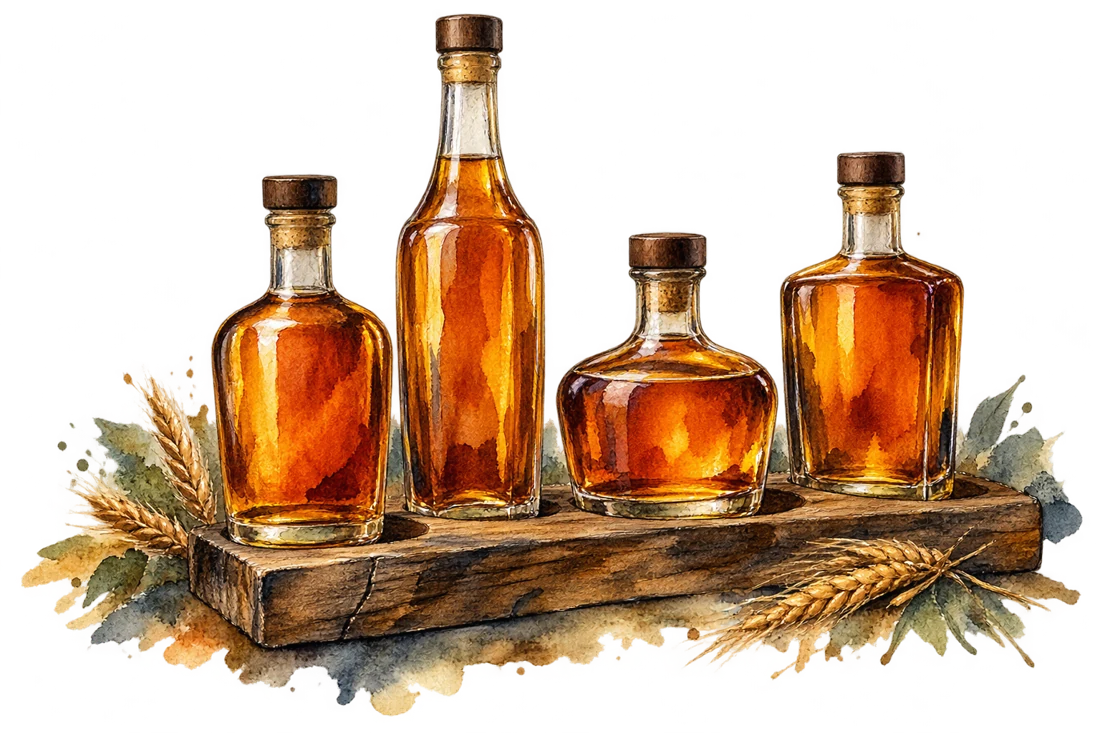
small-batch, interpretive watercolor
1992

The Small Batch Collection grows

Knob Creek, Basil Hayden’s and Baker’s join Booker’s in the collection. Related brands offer different expressions of the Beam whiskey family.[3]
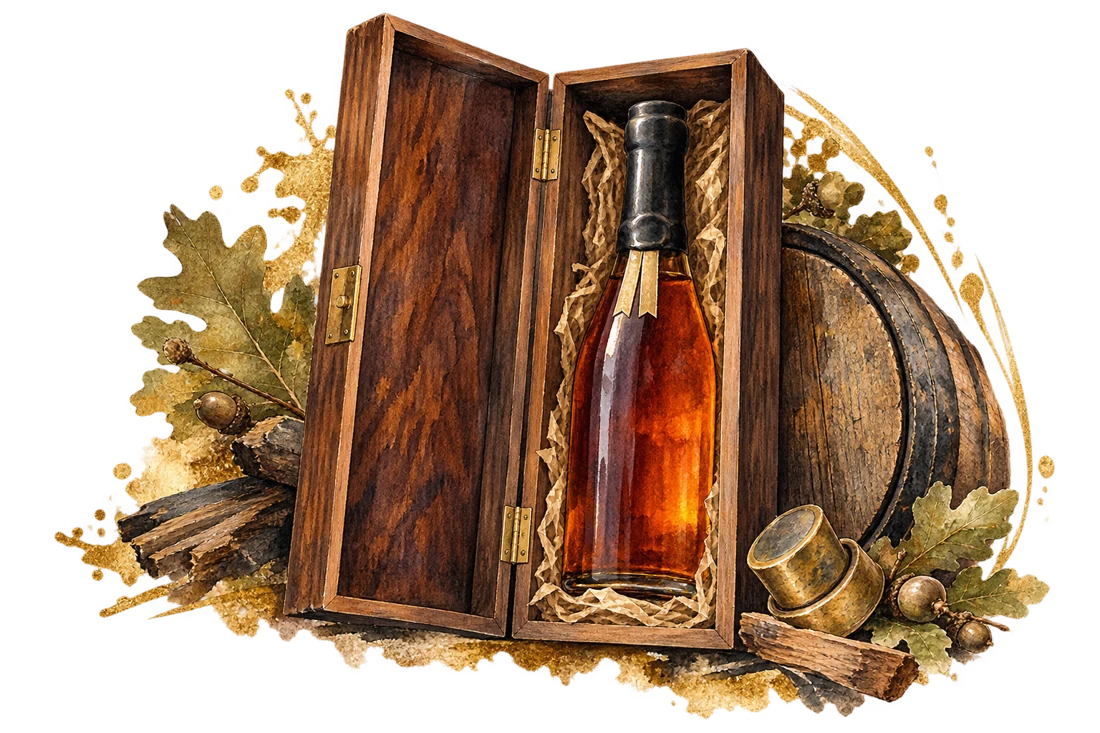
anniversary, interpretive watercolor
2014

A silver anniversary, a new parent

The 25th-anniversary release honors Booker with older selections chosen by Fred and Freddie. Separately, Suntory acquires Beam that year.[4][3]
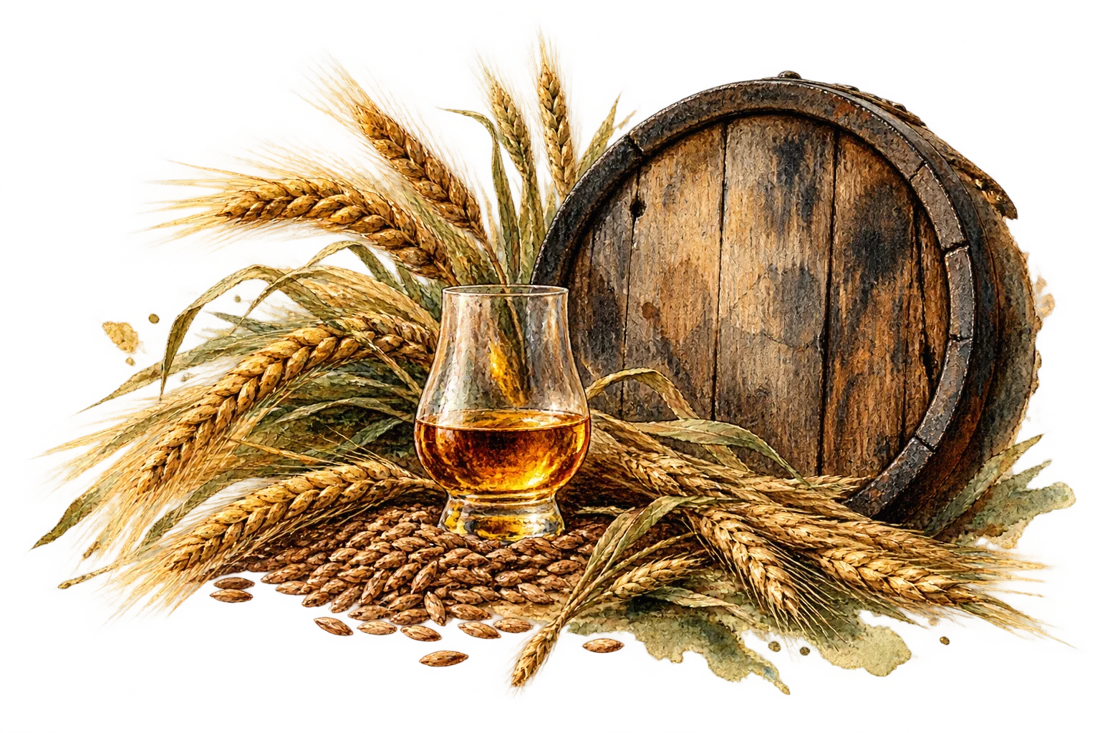
rye, interpretive watercolor
2016

Rye joins the story

Booker’s releases Big Time Rye from barrels laid down in 2003. Fred’s selection brings a late-career experiment by his father to drinkers.[5]
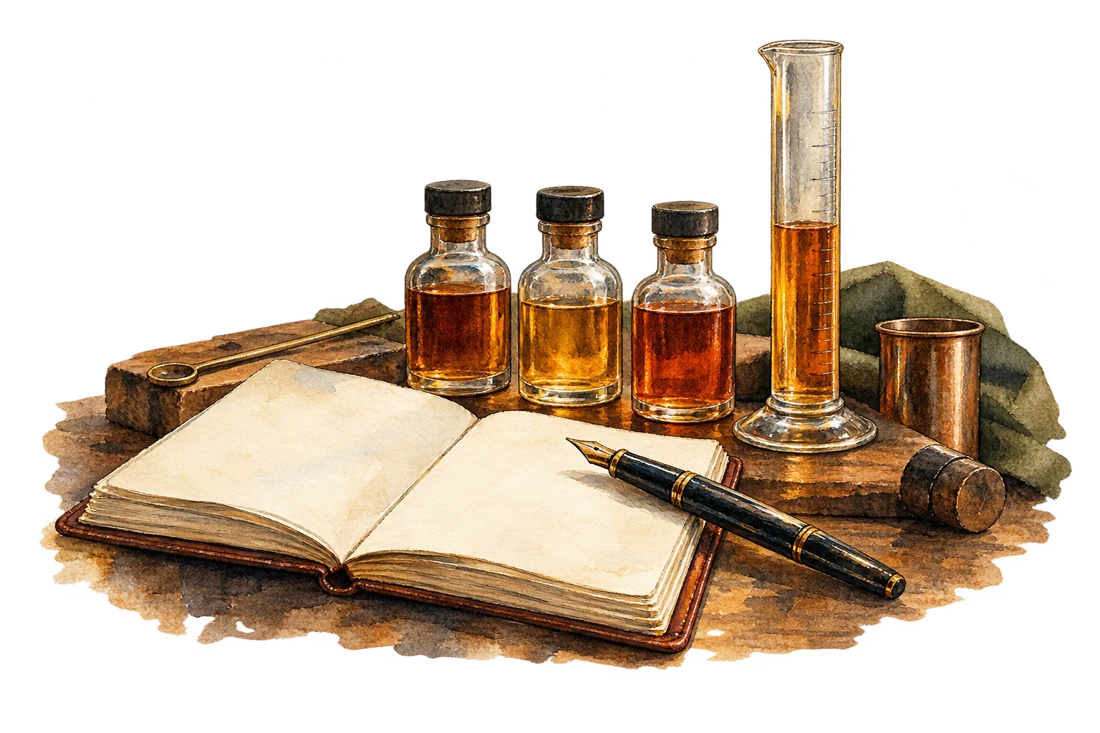
little-book, interpretive watercolor
2017

Little Book opens another chapter

Freddie Noe launches Little Book with The Easy. It is a separate blending series within the Beam family, not a renamed Booker’s bourbon batch.[6][15]
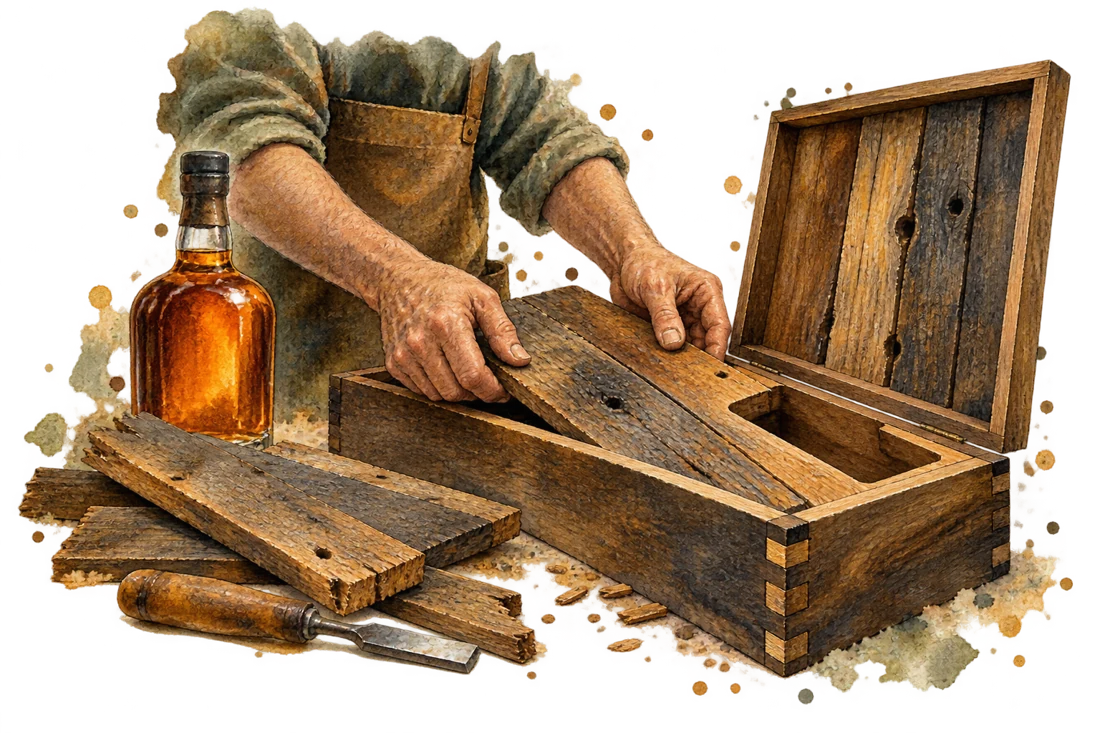
thirty, interpretive watercolor
2018

Thirty years, two ages

The anniversary bourbon combines nine- and sixteen-year whiskey. Reclaimed rackhouse floorboards become its presentation boxes.[7]
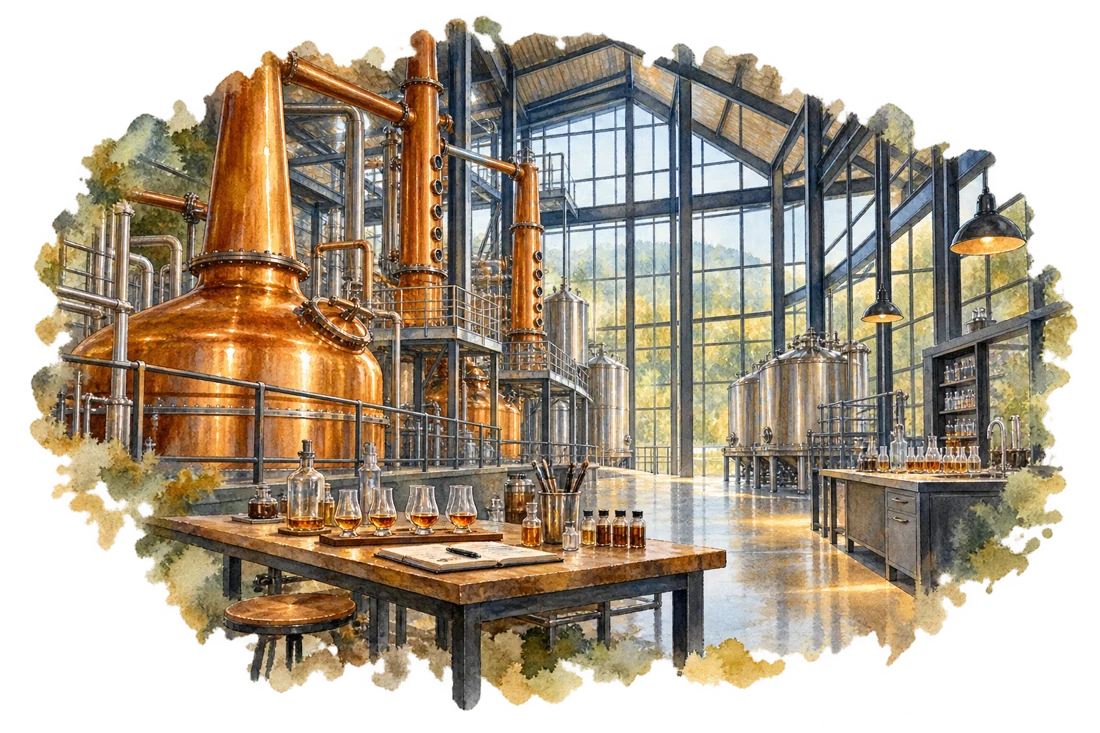
distillery, interpretive watercolor
2021

A new place to experiment

The Fred B. Noe Distillery adds a dedicated facility to the Clermont campus. Its establishment is a new production chapter, not the birthplace of older Booker’s releases.[3][8]
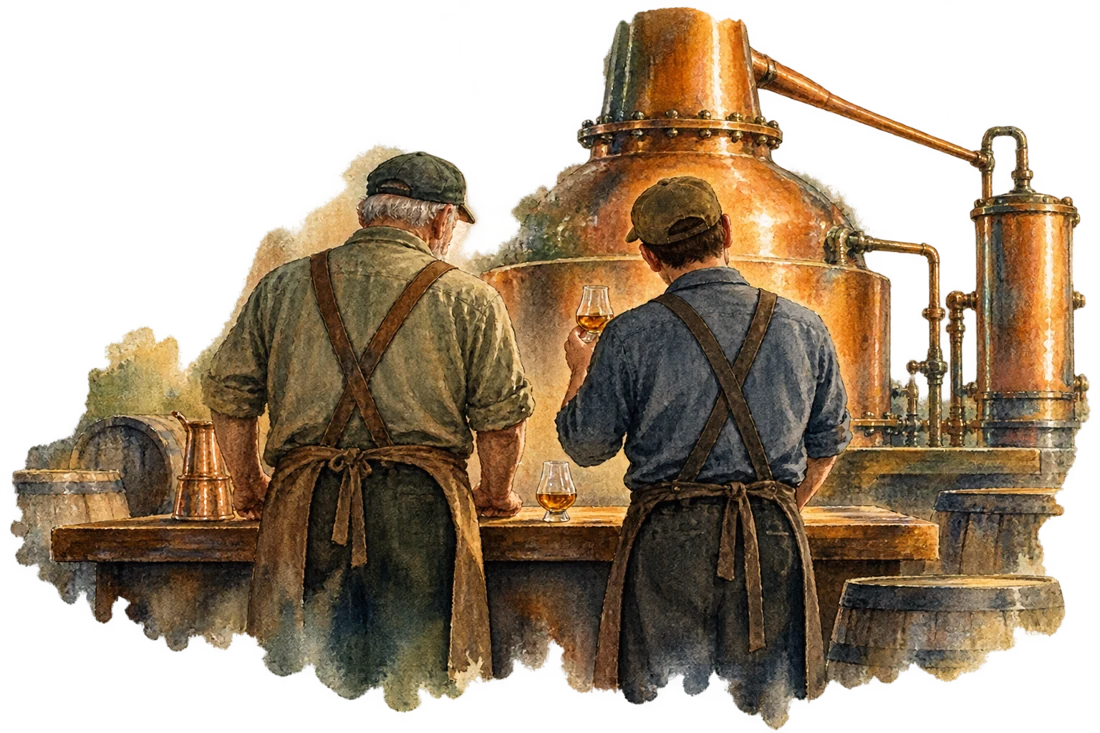
generations, interpretive watercolor
May 2022

Two generations share a title

Freddie is named master distiller of the Fred B. Noe Distillery. Fred retains his own master-distiller role across the broader Beam portfolio.[8]
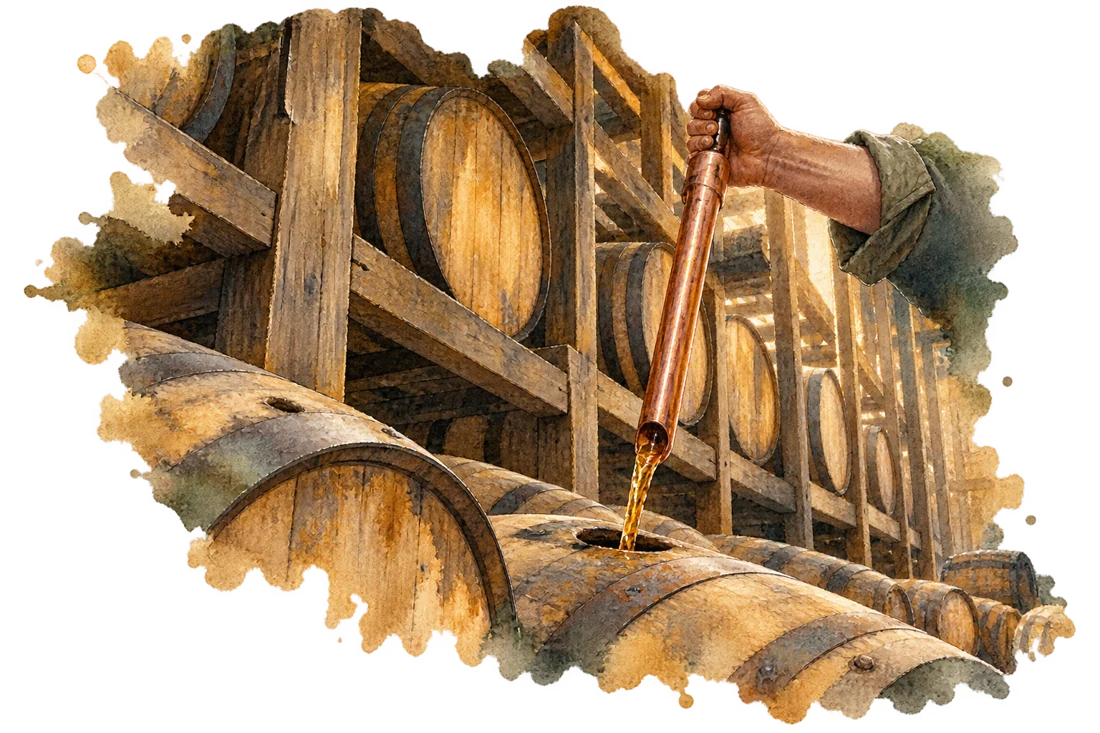
reserves, interpretive watercolor
2024

The Reserves begins

Freddie’s first Reserves release draws on barrels from eight production dates and eight warehouses, giving the family’s selection tradition another direction.[9]
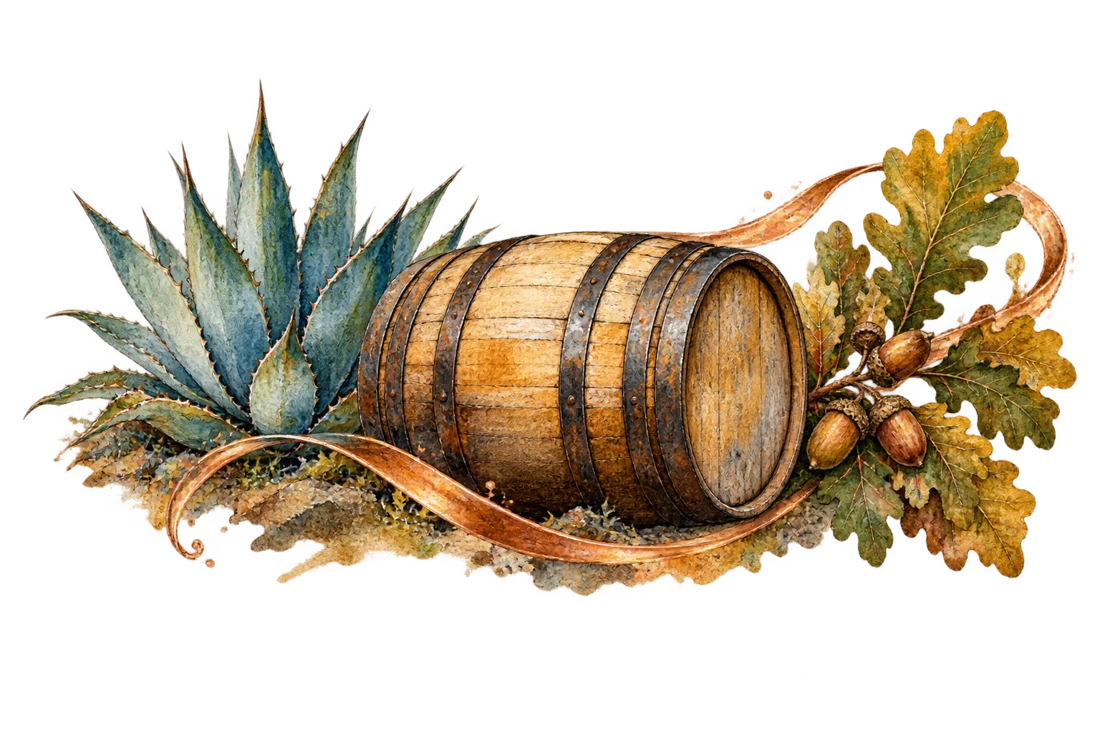
tequila, interpretive watercolor
2025

Barrels come home from Jalisco

The second Reserves release finishes bourbon in casks that previously held Booker’s anniversary whiskey and then El Tesoro tequila.[10]
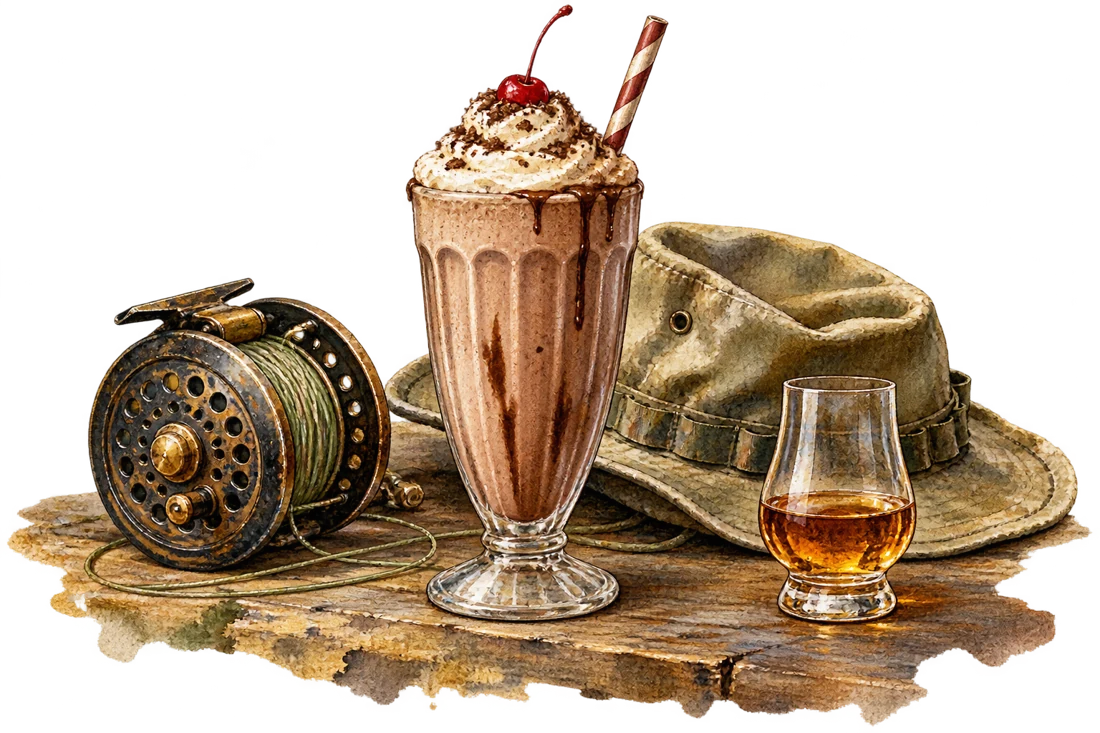
milkshake, interpretive watercolor
2026

Everyday memories, named batches

Big Easy and Milkshake continue the regular bourbon series. Their stories recall Booker’s affection for New Orleans and a family dessert tradition.[11][12]
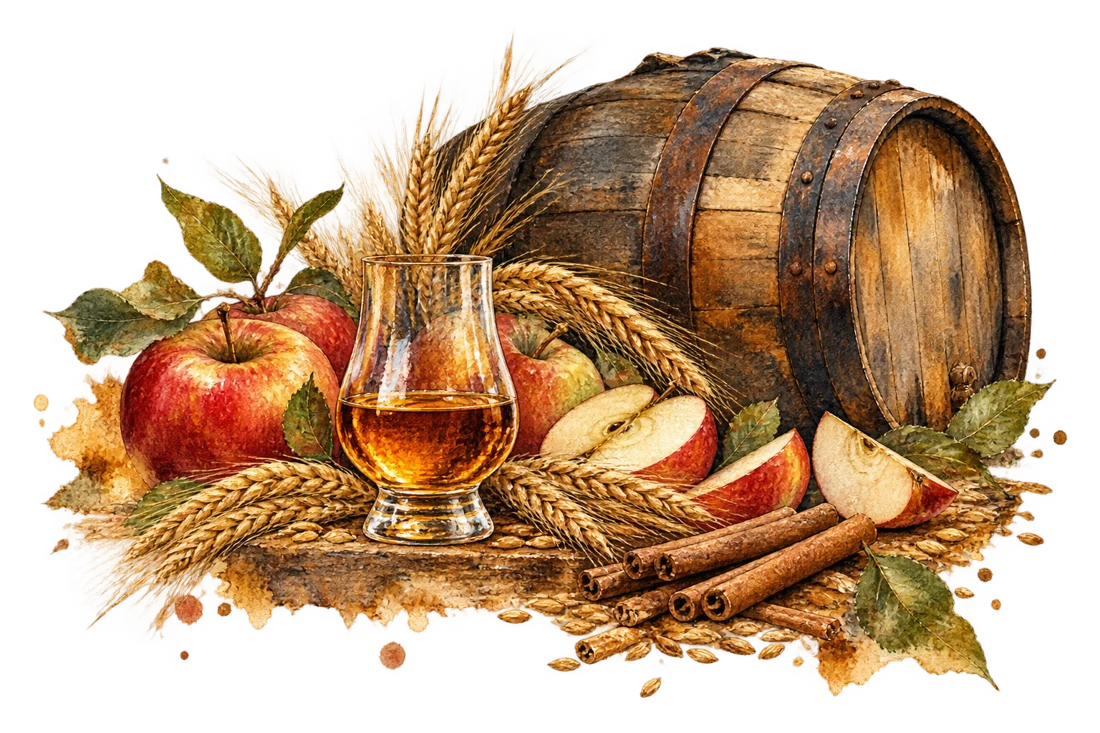
apple-rye, interpretive watercolor
September 2026

Rye takes a different turn

The third Reserves release uses rye finished in apple-brandy barrels and infused with cinnamon. It is a deliberately different proposition from the 2016 rye.[13][14]
03 / Geography & roles

A brand, a campus, a working landscape.

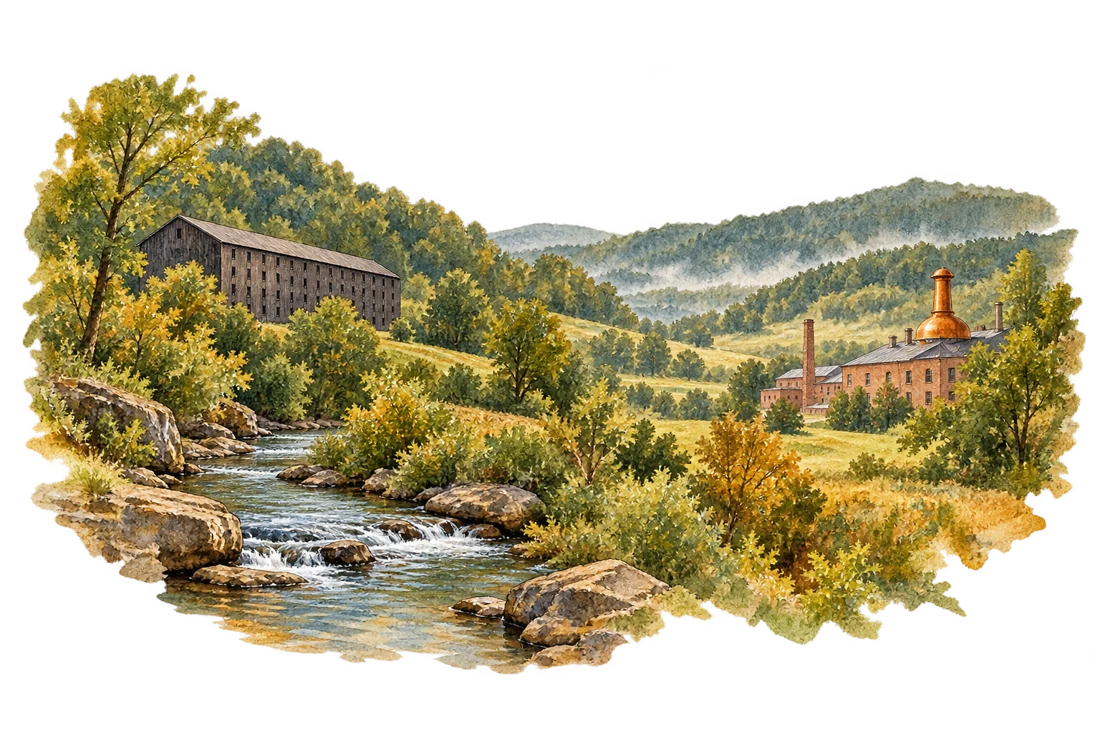
geography, interpretive watercolor

Clermont, Kentucky

Brand home and visitor campus

The James B. Beam Distilling Co. campus anchors the contemporary Booker’s story. It brings the wider Beam portfolio together for visitors; it is not an independent distillery called Booker’s. The Fred B. Noe Distillery is a distinct facility within that campus. The company’s announced 2026 plan paused the main Clermont distillery while continuing distillation at Fred B. Noe and Boston, with visitors still welcomed at Clermont.[8][20]

Boston, Kentucky

Booker’s working history

The Boston plant is central to Booker’s development under Carl Beam and was later named the Booker Noe Distillery. That facility name and the Booker’s brand name describe different things. A brand’s founder can have worked at a plant without every later bottle being traceable to it.[18][21]

The rackhouses

Maturation and selection

Modern batch notes identify warehouse letters or numbers and floor positions. Milkshake even distinguishes warehouse G at Waterfill. These details document the assembly of a release; a warehouse designation alone does not establish where all its spirit was distilled.[12][17]

04 / The whiskey family

Shared roots. Distinct identities.

Booker’s

A Beam whiskey brand

The core identity is barrel-strength bourbon released in individually identified batches. Special rye releases and The Reserves extend the name, with their own categories and production details.[1][5][13]

James B. Beam Distilling Co.

Producer and shared home

Booker’s sits within the Beam whiskey family. The company and its facilities should remain distinct from each label on the shelf.[8]

Suntory Global Spirits

Corporate parent

The present spirits business is part of Suntory. Suntory’s 2014 acquisition of Beam changed the corporate context without making Booker’s a Japanese-distilled whiskey.[3]

Little Book

Freddie Noe’s separate series

Named for Freddie’s childhood nickname, Little Book is his blending project. Chapter 4 combines bourbon and rye components, illustrating why the word bourbon should not be applied automatically to every Little Book release.[15]

Knob Creek, Baker’s, Basil Hayden

Small Batch Collection siblings

The three brands joined Booker’s in the collection in 1992. Shared history does not make them aliases, interchangeable liquids or separate Booker’s batches.[3]

El Tesoro and the Camarenas

A barrel collaboration

The 2025 Reserves story connects Kentucky with the Camarena family in Jalisco through reused casks. It is a collaboration in maturation, not evidence that El Tesoro makes the bourbon.[10]

05 / Making & choosing

The barrel is only the beginning.

Aging supplies the possibilities. Tasting and assembly shape the batch that reaches the bottle.

making, interpretive watercolor

Taste decides the moment

Fred samples and selects barrels for the regular Booker’s releases. The brand describes maturity as a decision about character, with age and proof changing from batch to batch. That approach makes the release code and its own notes more useful than a single specification assigned to the entire brand.[1]

A batch is an assembly

Big Easy 2026-01 combines five production dates and five warehouses. Milkshake 2026-02 combines four of each. The resulting whiskey is a batch of selected barrels; barrel strength does not make it a single-barrel release.[11][12]

Where a barrel rests matters

Jerry’s Batch describes seven production dates and nine warehouses. Fred’s notes emphasize the different maturation conditions across those locations. Selection is therefore part of making the finished whiskey, rather than merely a decision about which bottle label to use.[17]

Uncut and unfiltered

These are the brand’s own core descriptors for its bourbon presentation. Uncut refers to retaining the selected whiskey’s barrel-strength presentation. It does not promise one permanent proof, and it does not mean every special release has exactly the same maturation treatment.[1][10]

The Reserves changes the question

The 2024 release combines barrels of different ages, with the youngest listed at eight years, two months and twelve days. The 2025 edition adds tequila-cask finishing. The distinction is worth reading on the release itself: older selection and a second cask are different ways of changing whiskey.[9][10]

Experimentation has a separate home

Freddie’s 2022 appointment describes work with fermentation, distillation and blending at the Fred B. Noe Distillery. Its recent opening must not be used to retroactively assign the origin of whiskey distilled years earlier. Facility history and bottle age belong on the same timeline.[8]

06 / The details worth knowing

The people inside the batch names.

A box with a past

The 2018 anniversary package used reclaimed wood from Beam rackhouse floors. The link is unusually literal: material from the buildings where barrels matured became the case holding the finished whiskey. Inside was a blend of 70 percent nine-year and 30 percent sixteen-year bourbon, bottled at 125.8 proof.[7]

The teacher outside the family

Jerry’s Batch honors Jerry Dalton. Fred recalls that Dalton prepared chemistry tests, graded them and reviewed the answers with him. That detail gives the family succession story a practical dimension: inheriting a name did not eliminate the need to learn the science.[17]

A bourbon name can tell a dessert story

Milkshake is a batch name, not a declaration that milk or chocolate was added to the bourbon. Fred’s account connects it to fishing trips, chocolate malt shakes and Booker’s habit of adding bourbon to his own dessert. The whiskey’s published specification remains a bourbon batch at 124.4 proof.[12]

Three stops for one set of barrels

According to Freddie’s 2025 notes, casks from Booker’s 30th anniversary went to Jalisco for El Tesoro’s 85th-anniversary tequila, then returned to Clermont to finish another Booker’s release. Wood carries the connection; the tequila and bourbon keep their separate identities.[10]

An older experiment and a newer one

The 2016 rye grew out of Booker’s own 2003 barrels. A decade after that release, the 2026 Reserves combines a rye base with apple-brandy finishing and cinnamon. The shared name makes the contrast interesting; it should not conceal the different treatment.[5][13]

07 / Selected expressions

Read the release, then explore.

Big Easy · 2026-01

A regular-series example: 129.1 proof and seven years, two months, fifteen days. Its five-warehouse composition is a useful entry into the brand’s batch documentation. The New Orleans story describes Booker’s travels, not the whiskey’s production location.[11]

Milkshake · 2026-02

124.4 proof and seven years, six months, twelve days. Compare its specifications with Big Easy to see variation within the same brand. The producer’s tasting notes are its own description, not a tasting performed for this profile.[12]

The Reserves · 2024

The first release in Freddie’s extension, at 125.9 proof. Its component list reaches from eight to fourteen years. The presence of older barrels does not make the whole batch fourteen years old.[9]

The Reserves · 2025

A bourbon finished in tequila-seasoned casks. Its interest lies in the barrel journey and the resulting change of maturation treatment, rather than in pretending it is another regular-series batch.[10]

Big Time Rye · 2016

A historical reference point: the brand’s first rye, selected by Fred from whiskey laid down late in Booker’s career. It broadens the story beyond bourbon without changing the identity of the regular bourbon series.[5]

The Reserves · 2026

Reported at 125.1 proof and six years, two months, twenty-three days, this rye is finished in apple-brandy casks and infused with cinnamon. It is included as a dated 2026 development; the official batch archive retrieved for this review had not yet added it.[13][14]

08 / The Reserve connection

Continue from the story to the bottles.

Booker’s in The Thelen Reserve

3 physical bottle records connect this story to the collection. Each keeps its own proof, barrel, batch, pick and release details.

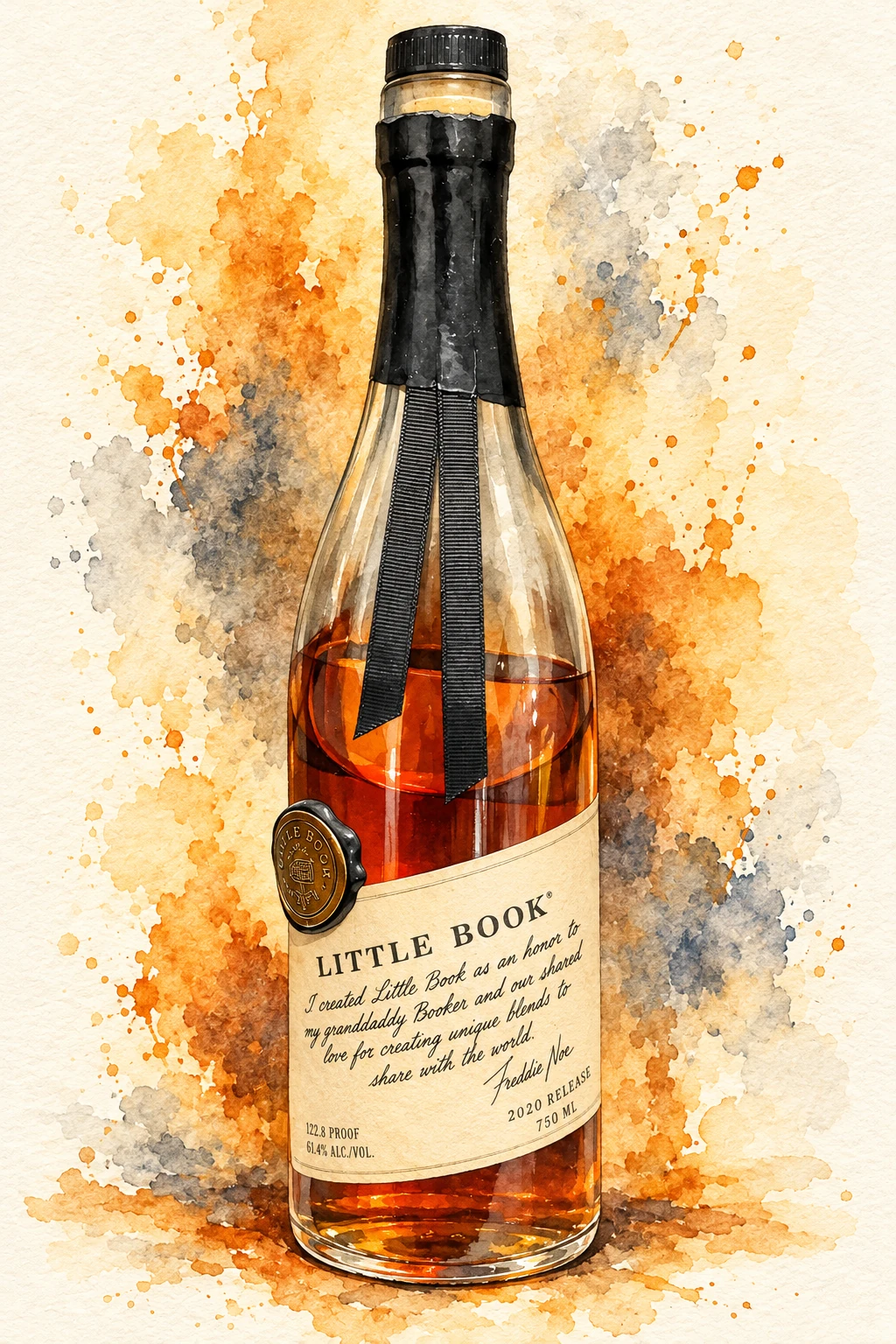
Approved watercolor of Little Book Chapter 4 Lessons Honored

Little Book Chapter 4 Lessons Honored

W0294 · 122.8 proof · Batch 15

2020 release · separate Little Book series

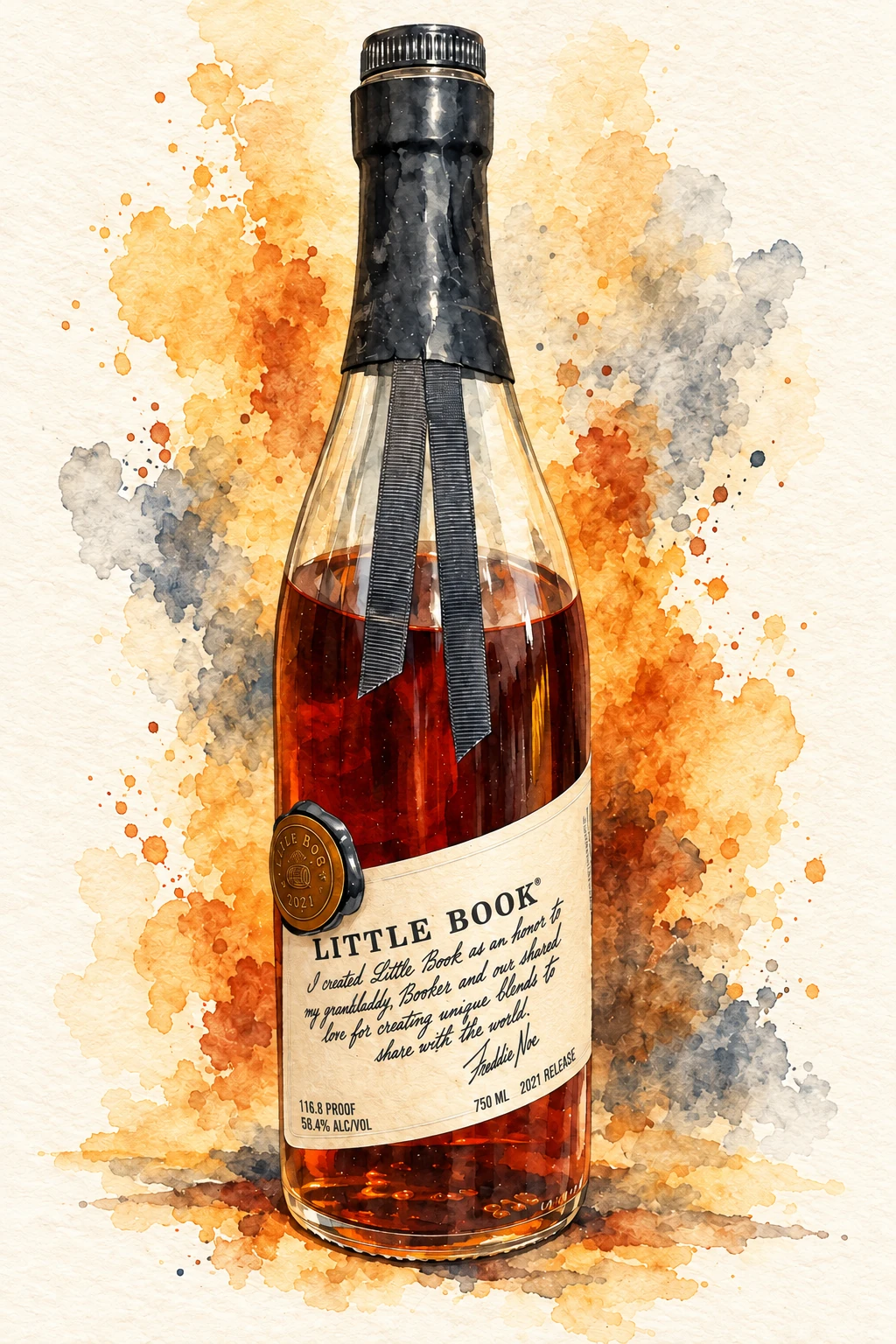
Approved watercolor of Little Book Chapter 5 The Invitation

Little Book Chapter 5: The Invitation

W0295 · 116.8 proof

2021 release · separate Little Book series

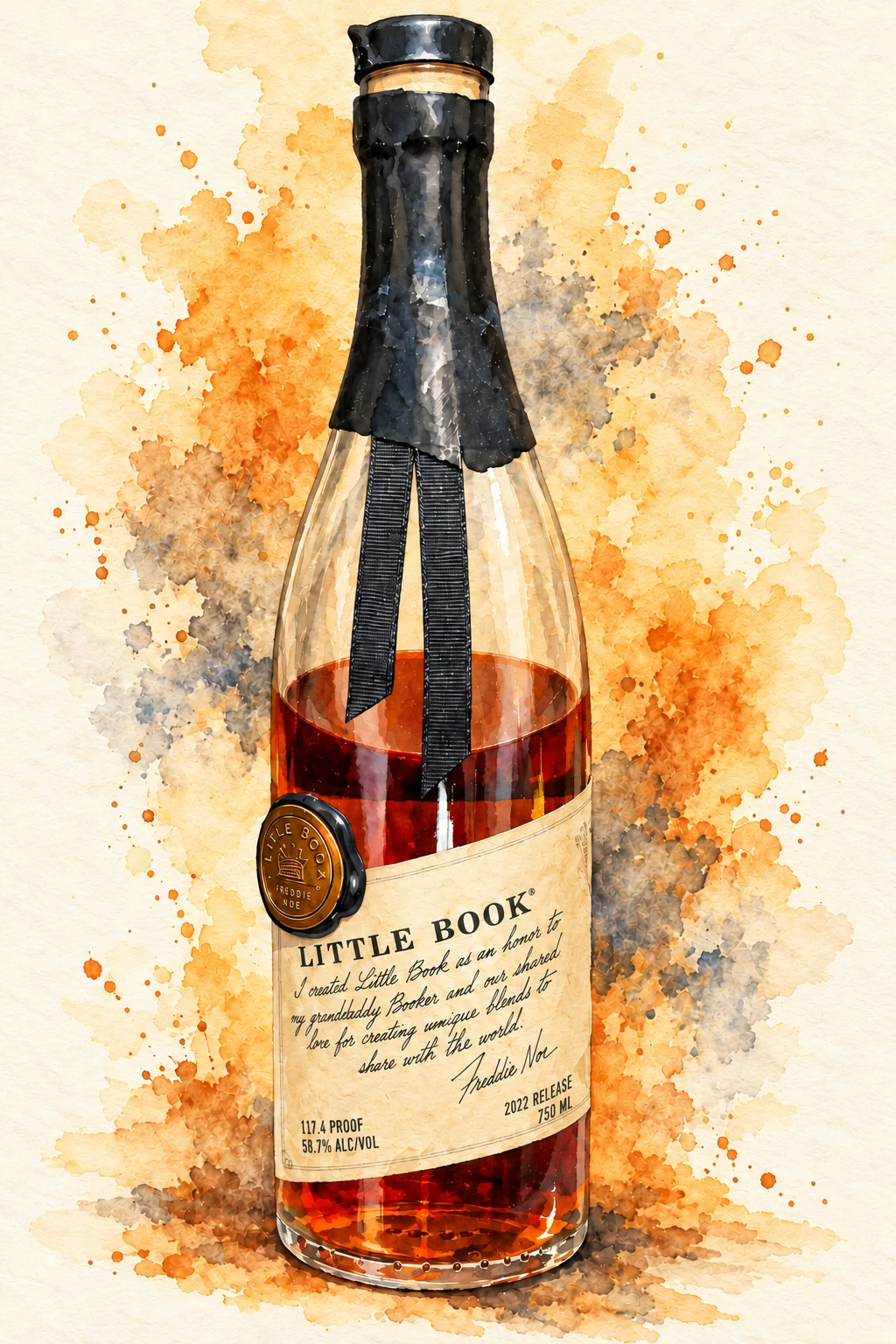
Approved watercolor of Little Book Chapter 6 To The Finish

Little Book Chapter 6 To The Finish

W0296 · 117.4 proof · Bottled / release detail 2022

2022 release · separate Little Book series

Collection snapshot: October 22, 2026. Each physical record retains its own identity. Exact approved watercolors: ART0421 v1, ART0425 v2 and ART0429 v4. The catalog grouping does not make these Booker’s batches.

Booker’s three-page digital guide cover
The illustrated companion

Booker’s, in three pages.

Origins and people, history and places, whiskey and stories. A neutral illustrated companion with linked sources.

Sources & research notes

Research qualifications

  • Research checked October 17, 2026. This is an independent educational profile; no first-hand tasting is claimed. Illustrations are interpretive, not documentary records or exact architectural renderings.
  • 1987 refers to the current official private-gift origin; 1988 is the commercial launch in Beam’s historical account. The 25th-anniversary release was announced in February 2014; it is not silently redated to 2013.
  • Beam’s historical DNA page dates Booker’s Boston master-distiller role to 1960. Its simplified succession chronology is not used to exclude Jerry Dalton, whose role is explicitly described in the 2025 Jerry’s Batch page.
  • The Apprentice Batch page contains a mismatched Charlie Hutchens heading; only its coherent Carl Beam apprenticeship narrative is used. Generic and duplicated product-page teaser text is not treated as authoritative batch evidence.
  • The Chapter 4 press release calls Booker’s Rye a 2017 creation. The dedicated official 2016 Rye page and contemporaneous 2016 company announcement establish 2016 as the release year; the Chapter 4 typo is not repeated.
  • The Reserves 2024/2025 pages retain a generic Fred Noe heading, but the signed first-person selection accounts are Freddie Noe’s. The profile credits Freddie.
  • The 2026 Reserves details are supported by dated Food & Wine reporting and Breaking Bourbon’s September 30 review, rather than an official product page retrieved in this run. They remain explicitly distinguished from regular bourbon batches.
  • Clermont, Boston, warehouse sites and the Fred B. Noe Distillery have separate roles. No historical bottle is assigned to a still solely from a current brand address. Mash-bill percentages and fixed entry proof are omitted where not verified for the release.

Full sources

  1. Booker’s: origin and selectionAccessed October 17, 2026.
  2. Beam history and Booker NoeAccessed October 17, 2026.
  3. Suntory Global Spirits historyAccessed October 17, 2026.
  4. 25th anniversary announcement, 2014Accessed October 17, 2026.
  5. First Booker’s Rye, 2016Accessed October 17, 2026.
  6. Little Book’s 2017 debut recalledAccessed October 17, 2026.
  7. 30th anniversary announcement, 2018Accessed October 17, 2026.
  8. Freddie Noe appointment, May 2022Accessed October 17, 2026.
  9. The Reserves, 2024Accessed October 17, 2026.
  10. The Reserves, 2025Accessed October 17, 2026.
  11. Big Easy Batch, 2026-01Accessed October 17, 2026.
  12. Milkshake Batch, 2026-02Accessed October 17, 2026.
  13. The Reserves 2026: release and reviewAccessed October 17, 2026.
  14. 2026 Booker’s and Little Book releasesAccessed October 17, 2026.
  15. Little Book Chapter 4 announcementAccessed October 17, 2026.
  16. Little Book Chapter 6 announcementAccessed October 17, 2026.
  17. Jerry’s Batch and Dalton’s contributionAccessed October 17, 2026.
  18. Booker’s apprenticeship under Carl BeamAccessed October 17, 2026.
  19. Official Booker’s batch archiveAccessed October 17, 2026.
  20. Company statement: 2026 distilling planAccessed October 17, 2026.
  21. Boston Batch: plant historyAccessed October 17, 2026.
↑