1988
The name before the whiskey
BLACKENED takes its name from the opening song on …And Justice for All. The song predates the whiskey by three decades. Its place in the band’s catalog supplies a cultural origin, rather than a company founding date.[17][1]
August 29, 2018
A blend makes its debut
Metallica introduces the whiskey created with Dave Pickerell. The launch describes selected North American whiskeys, brandy-cask finishing and a sound-assisted process developed with Meyer Sound. Those are the documented elements of the first commercial proposition.[1]
November 2018
Remembering the founding maker
Metallica’s November 14 memorial remembers Pickerell after his unexpected death. An interview published that day preserves his account of the project before launch. The memorial publication date is not presented as the date of his death.[2][3]
June 2019
Rob Dietrich takes the blending role
The band announces Dietrich as the new Master Distiller, assigning sourcing, blending and finishing to his care. The page displays June 26 although its URL contains an earlier date; June 2019 is the supported appointment period used here.[4]
May 18, 2020
Batch 100 becomes a listening edition
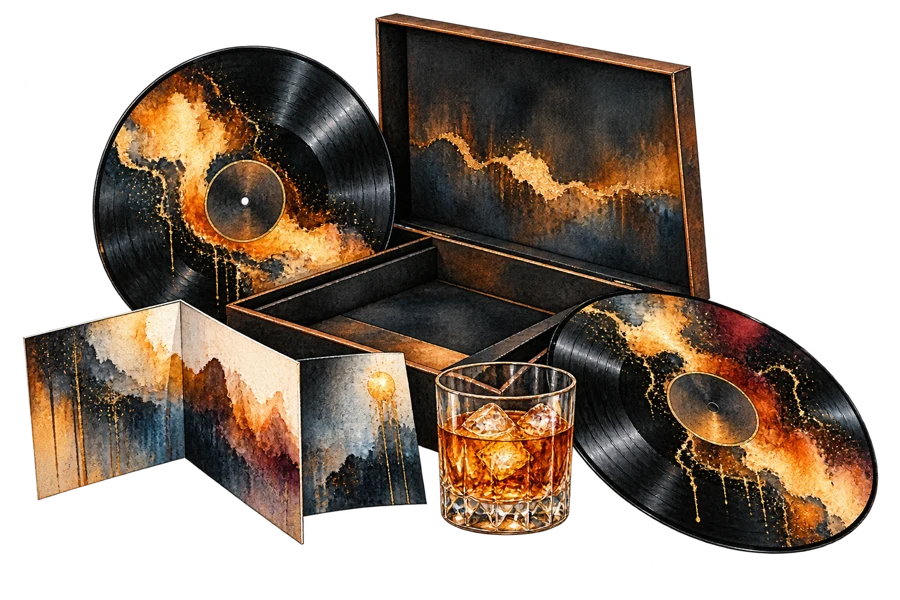
A boxed edition pairs the whiskey with two vinyl picture discs and a zine. Dietrich selects the playlist and Lars Ulrich sequences it. Batch numbering had begun at 81, so the number 100 should not be read as a century of production or a hundred-year whiskey history.[6]
June 8, 2021
The Black Album gets its own pack
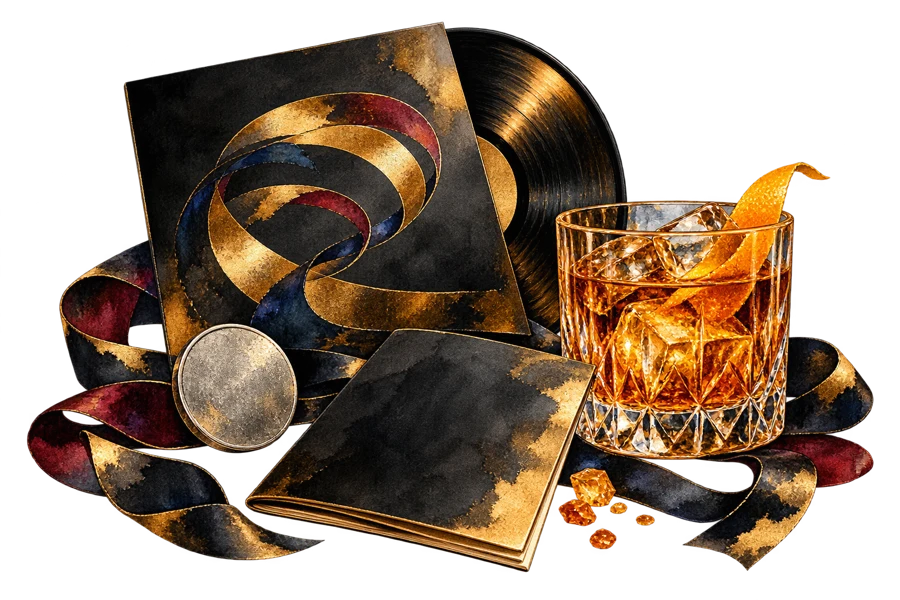
Batch 114 marks the thirtieth anniversary of Metallica’s self-titled album. The presentation connects its twelve songs to the finishing playlist and adds a coin and cocktail booklet. It is a distinct commemorative edition, separate from the later 72 Seasons batch.[7]
August 31, 2021
Willett opens Masters of Whiskey
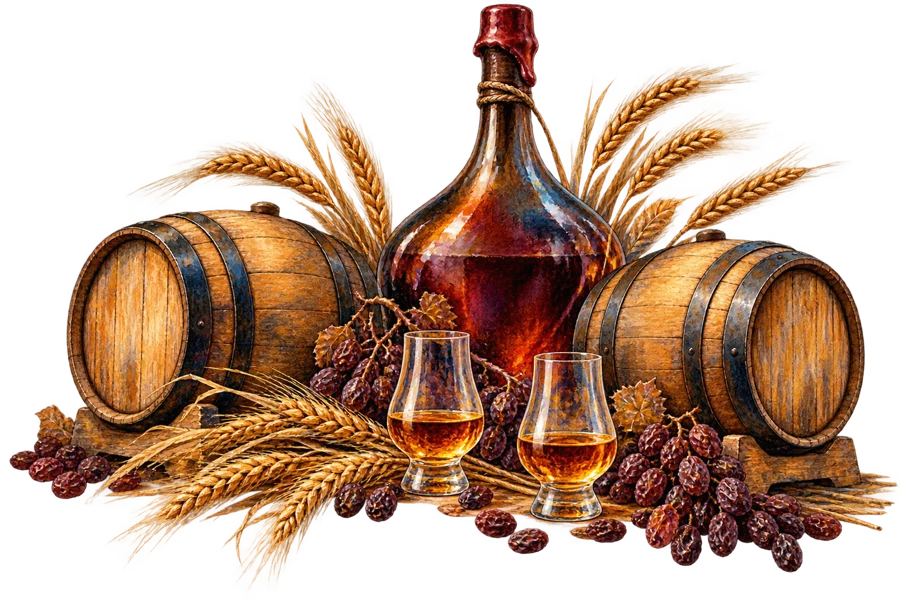
Dietrich works with Drew Kulsveen on a Kentucky straight rye finished in Madeira casks. The first Masters of Whiskey release gives another maker’s barrel selection and palate a defined role. Willett’s contribution belongs to this collaboration, rather than proving a common source for the entire BLACKENED range.[8][9]
2022
Rye the Lightning adds two finishes
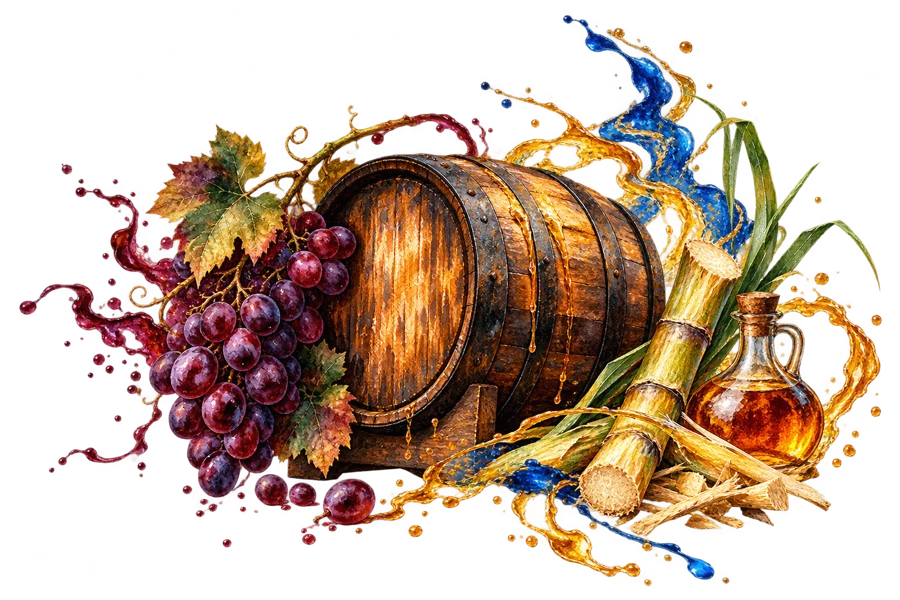
The first Rye the Lightning release uses Kentucky straight rye and a sequence of Madeira and rum casks. Its double finish expands the whiskey vocabulary beyond the original brandy-cask blend. The later 2024 edition revisits the idea with a changed recipe.[10][15]
2022
Wes Henderson joins the collaboration
A second Masters of Whiskey project pairs Dietrich with Wes Henderson on a bourbon collaboration. Metallica’s November Built to Serve story connects the project with Team Rubicon and flood relief in Kentucky. The partnership joins whiskey making with a specific service effort.[11][16]
May 2, 2023
Cask Strength reaches a national rollout
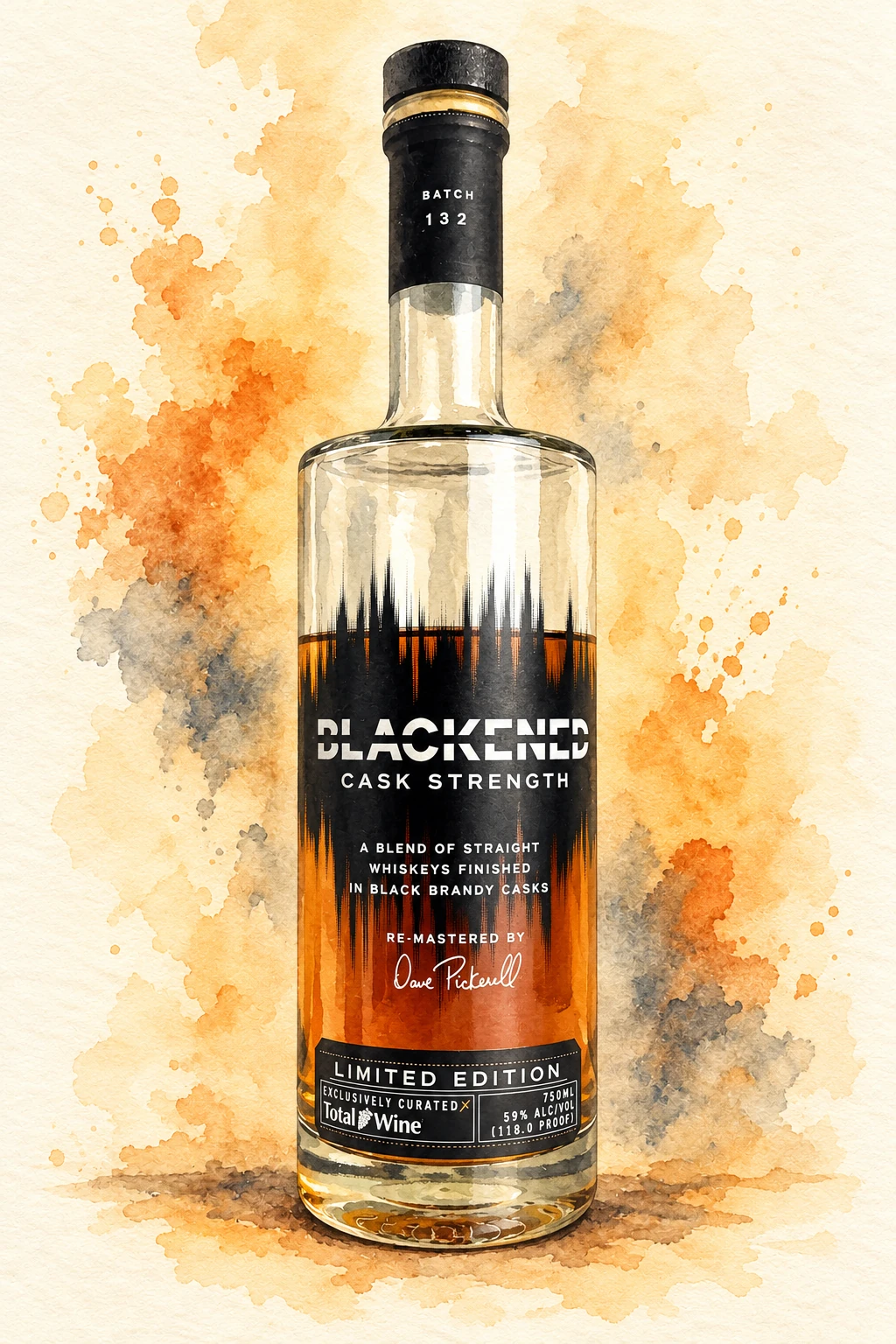
The company announces the first nationwide North American rollout of Cask Strength, beginning with Volume 01. It explicitly acknowledges earlier limited releases. This is an expansion milestone, not the first cask-strength BLACKENED ever bottled; proofs and batches remain edition-specific.[12]
2023
72 Seasons becomes a commemorative batch
A limited presentation accompanies Metallica’s new album and its music. Contemporary coverage documents the edition in June, while the band’s October bottle-signing announcement confirms its availability at those appearances. Its identity is separate from the 2021 Black Album pack.[13][18]
September 19, 2023
Rabbit Hole brings bourbon and Calvados
Dietrich and Kaveh Zamanian combine a thirteen-year Tennessee straight bourbon component with Rabbit Hole’s Kentucky Heigold bourbon, then finish the blend in Calvados casks. The thirteen-year statement describes a component, not an age claim for the whole marriage.[14]
April 10, 2024
Rye the Lightning is reimagined
The new edition retains Madeira and Caribbean rum finishing but changes the straight-rye blend and cask approach. Bottled at 92 proof, it illustrates why a returning expression name cannot substitute for the specifications of the edition actually in the glass.[15]
Original symbolic watercolors, not documentary reconstructions of buildings or people.