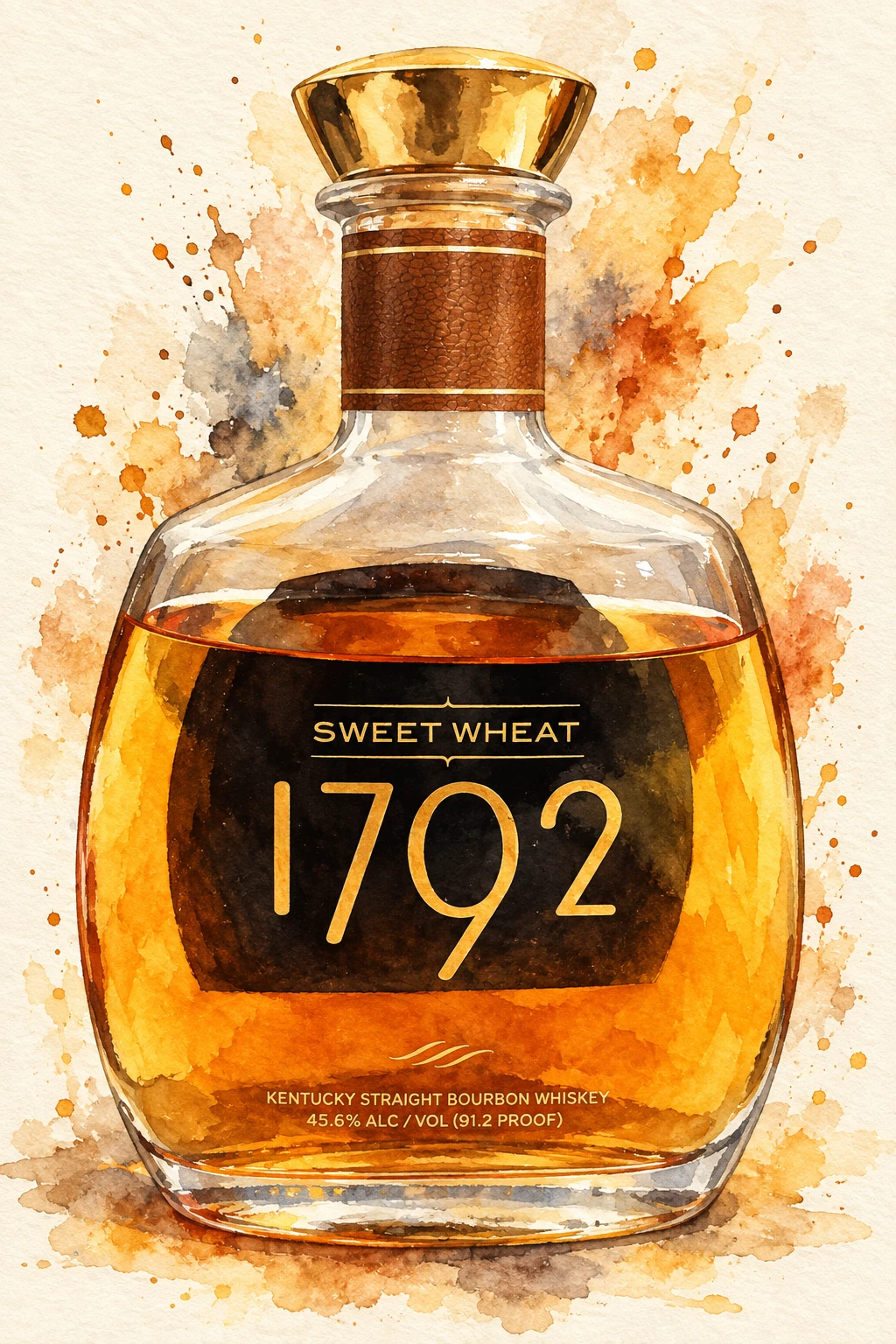
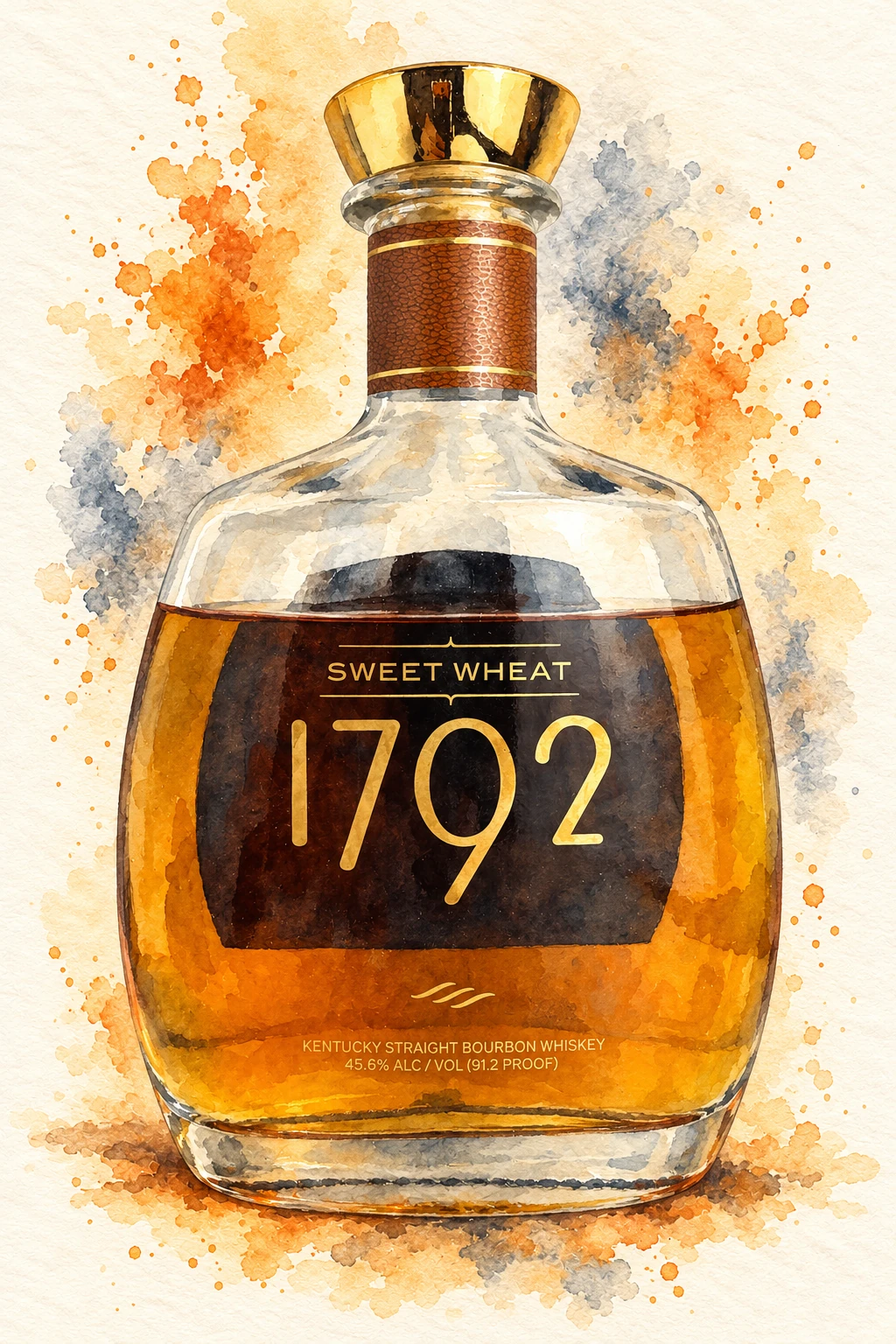
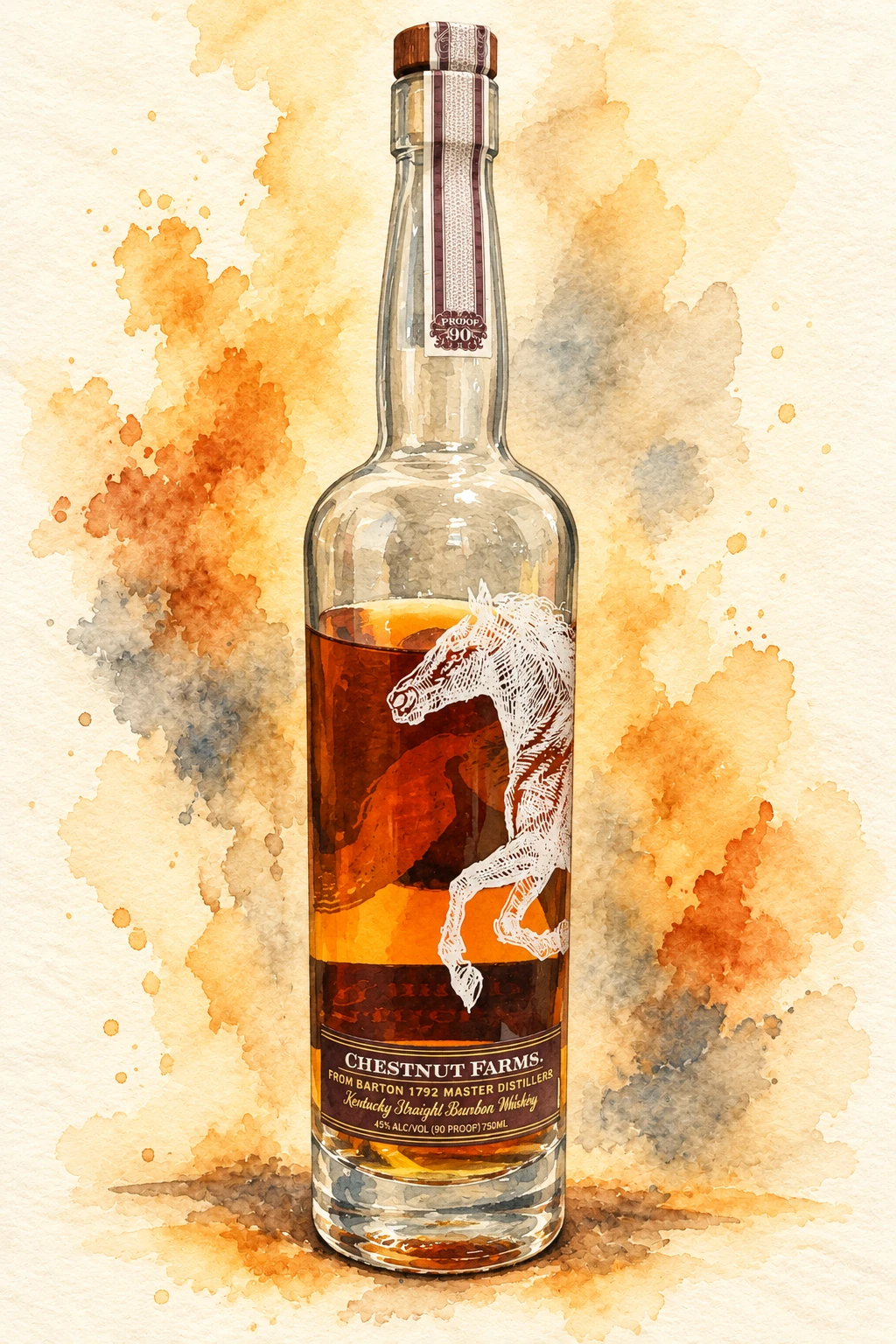
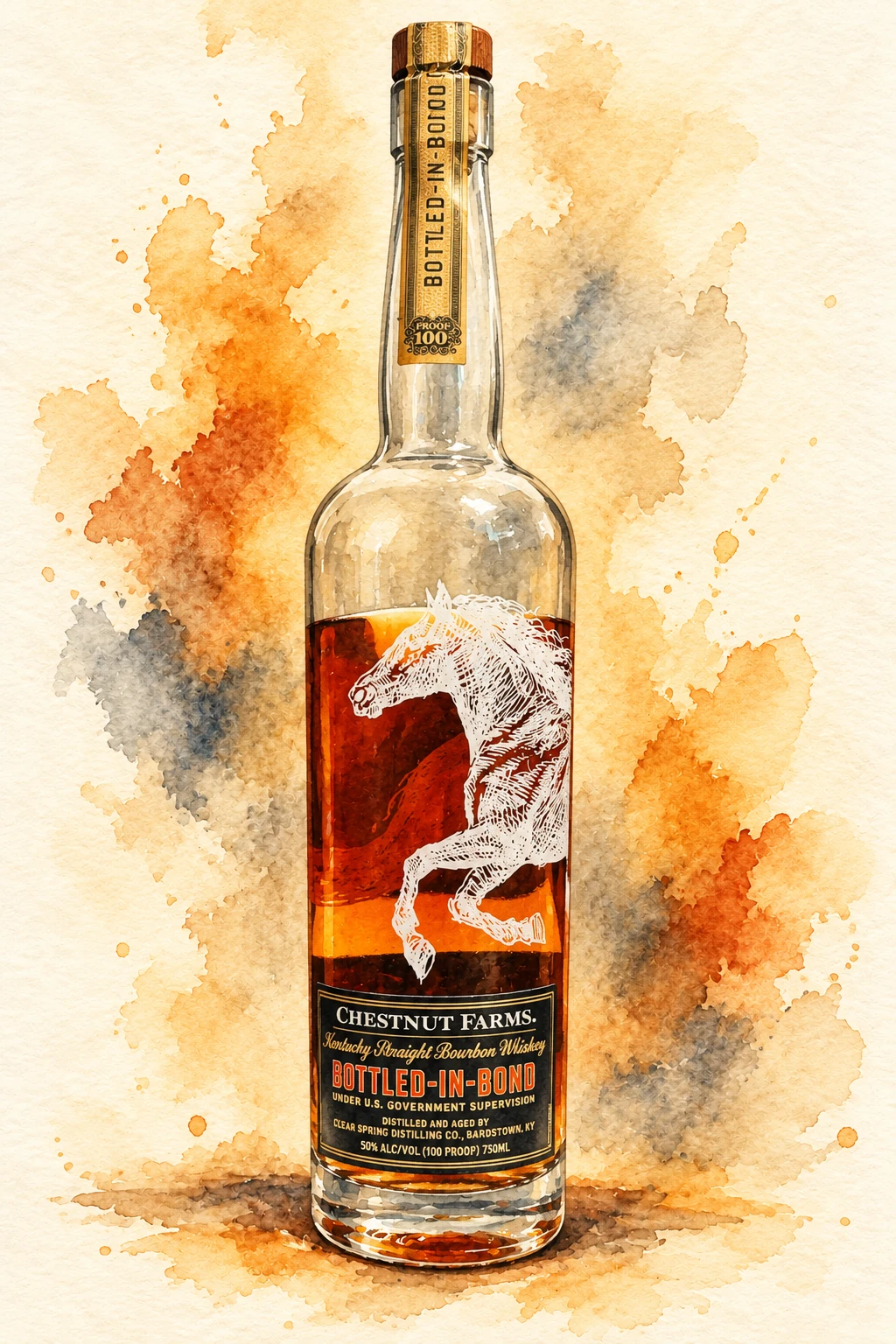
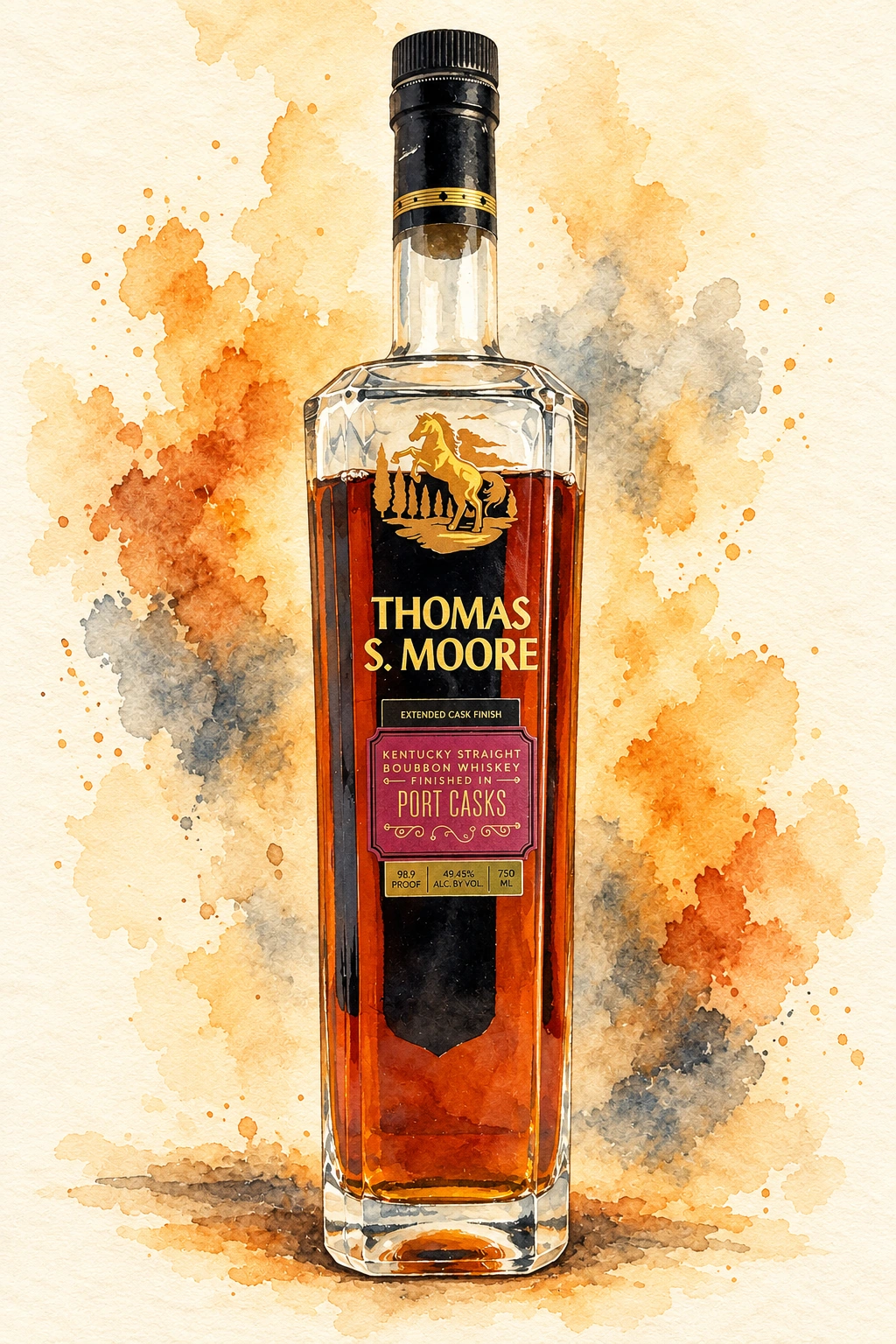
Barton 1792 brings a long Bardstown distilling history to a varied whiskey family. Its 1792 bourbons explore grain, age, proof and barrel selection, while Thomas S. Moore extends maturation into wine and spirits casks. Acquired by Sazerac in 2009, the historic operation continues to develop through new releases and investment in production. 1,2,16
Whiskey identityBourbon, rye and extended finishes 3,14
01 / Origins & people
Bardstown roots. A working distillery with range.
Two dates, one evolving site
The official 1792 site dates the distillery to 1879. Yet Barton’s December 2020 Thomas S. Moore launch announcement says Moore built the distillery in 1889. Those primary accounts conflict. This profile uses 1879 as the producer’s establishment date and retains 1889 as the date stated in that particular announcement, rather than silently rewriting the record. The same announcement describes production stopping during Prohibition in 1920. Barton’s present-day claim of being Bardstown’s oldest fully operating distillery describes its standing today; it should not imply uninterrupted production through Prohibition. 1,3
A place before a portfolio
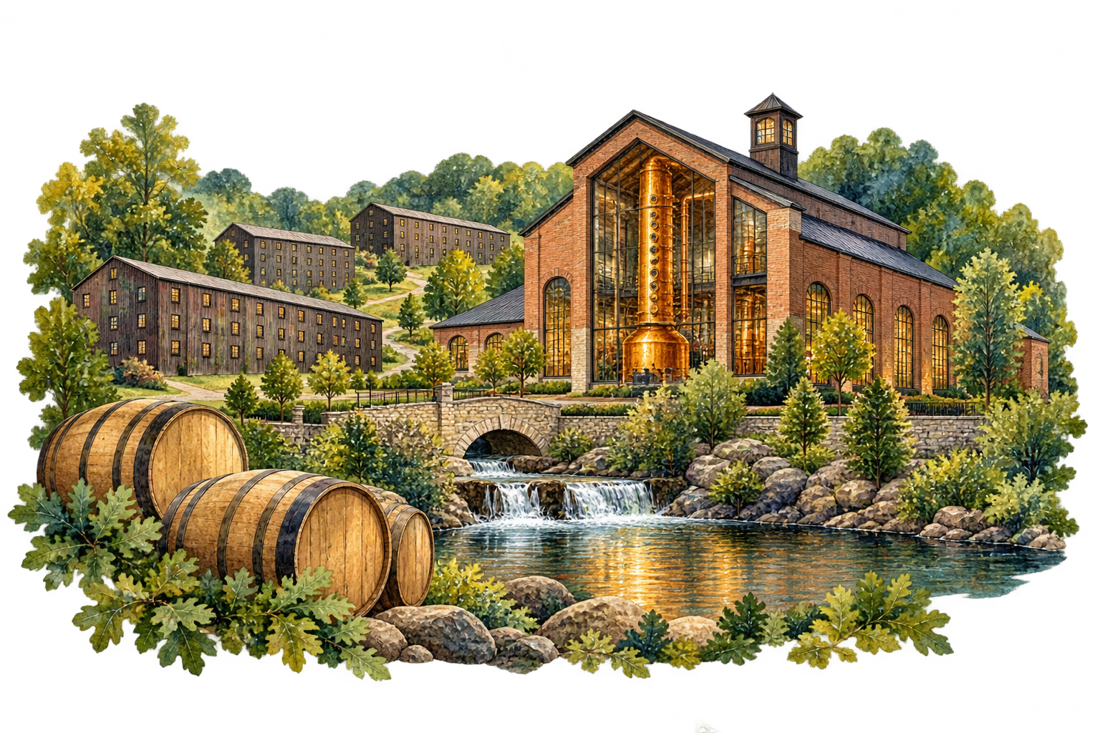
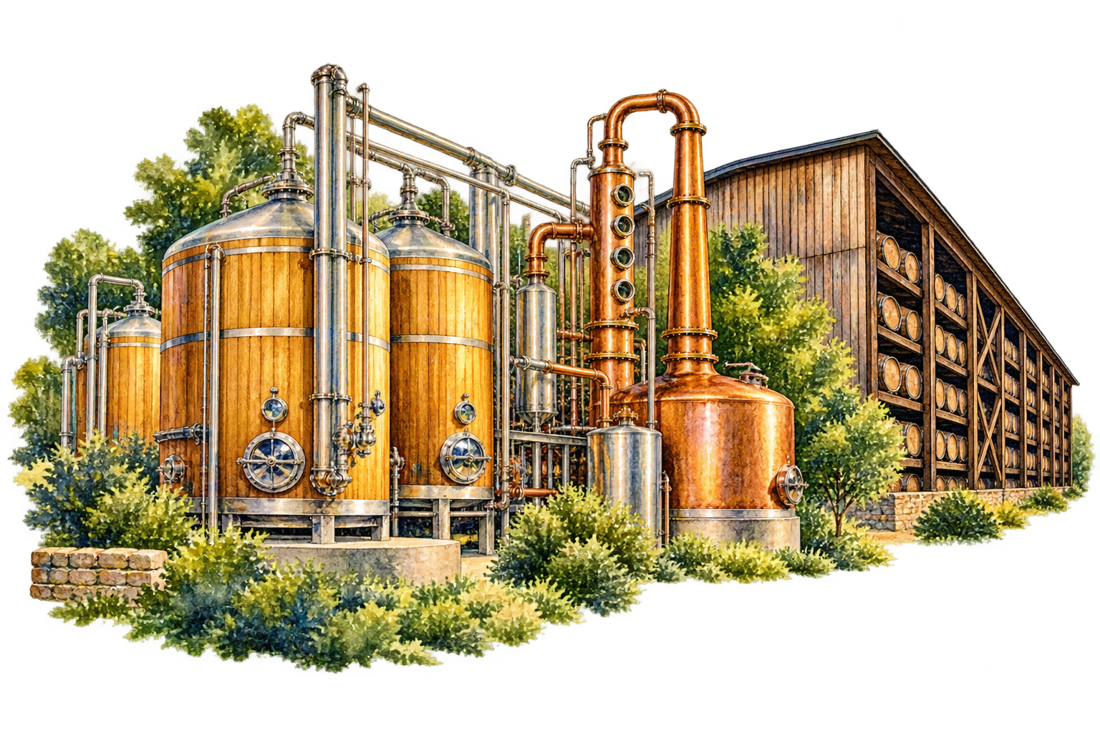
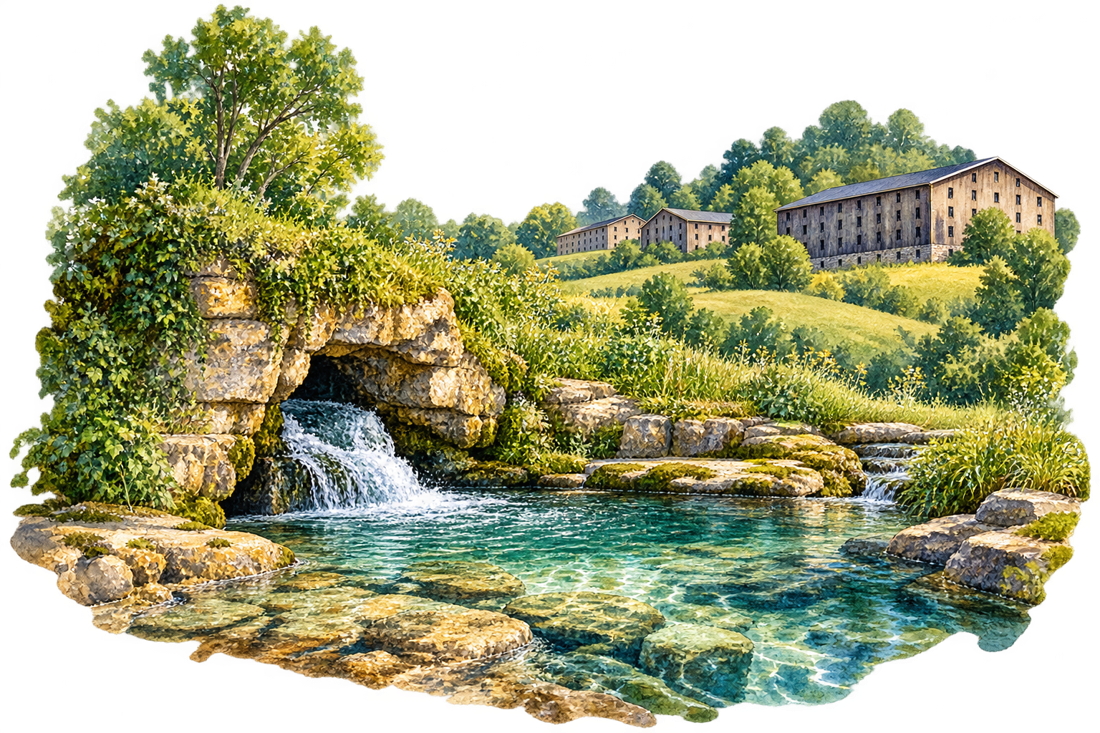
The official campus description places Barton on 196 acres, with a stillhouse, aging warehouses and the Tom Moore Spring. This is a useful way to understand the producer: the site is a connected production and maturation operation, not simply a visitor attraction or a label applied to bottles. The springs belong to its place story, but the sources reviewed here do not establish an exact current water treatment process or the water used in every historical release. 1
A new owner, an expanding operation
Sazerac’s timeline records the acquisition of Barton and Glenmore from Constellation in 2009. In August 2026, Sazerac reported approximately $50 million invested at Barton during the preceding five years, covering a boiler house, fermenters, bottling expansion, three aging warehouses and other improvements. Those investments connect the old site to present production needs. The corporate announcement also places Barton alongside Buffalo Trace, Glenmore and newly acquired Garrard County Distilling in Sazerac’s Kentucky network. Shared ownership does not make their whiskeys interchangeable. 2,16
More than one path through oak
Thomas S. Moore launched in December 2020 with Port, Chardonnay and Cabernet Sauvignon finishes. The initial producer announcement described additional maturation of one to three years in secondary casks. The 2022 collection expanded to Cognac, Madeira, Sherry and Merlot, using five- to six-year bourbon followed by one to four years of finishing. Those are release-specific descriptions, not a fixed finishing schedule for every bottle. 3,4
People behind the modern chapter
Thomas S. Moore gives the extended-finish brand its historical name. In the July 2026 launch announcement, Barton identifies Ross Cornelissen as master distiller as it introduces straight rye and XV bourbon. The rye is described as using the same yeast strain as the flagship bourbon, connecting a new grain expression to an established production practice. 3,14
02 / Through the years
The chapters that shaped Barton 1792 Distillery.
1879
The official establishment date
Barton identifies 1879 as its distillery establishment year. Keep this distinct from the year commemorated by the 1792 brand. 1
1889
The Moore account
The 2020 launch statement gives 1889 for Thomas S. Moore’s construction of the distillery. This differs from the official 1879 date. 3
1920
Prohibition interruption
The same historical account says the distillery ceased production when Prohibition took effect. 3
2009
Sazerac acquires Barton
Barton and Glenmore join Sazerac through the acquisition of brands and facilities from Constellation. 2
2011
A visitor center opens
A May 10 producer release announces a new tasting and merchandise center and enhanced tours. This is historical visiting information. 5
2020
Thomas S. Moore launches
The first extended-finish collection brings Port, Chardonnay and Cabernet Sauvignon casks into the portfolio. 3
2021
Warehouse 33 begins filling
The first barrels enter February 25. The March 2 announcement calls it the site’s first new warehouse since 1963. 6
2021
Early Times production plans
Sazerac announces Barton distillation, aging and bottling for Early Times beginning that summer, after buying the brand in 2020. 7
March 2022
The finishing range expands
Cognac, Madeira, Sherry and Merlot finishes join Thomas S. Moore. The release describes five- to six-year bourbon followed by one to four additional years in finishing casks. 4
June 2022
Public tours end
A dated Barton statement ends general public tours and the gift shop after June 30. This closes a visitor chapter; it is not a distillery production closure. 8
2026
Rye and XV arrive
The July 7 announcement adds 100-proof straight rye and 15-year XV at 124.2 proof, the brand’s first cask-strength bourbon. 14
2026
Production investment reported
Sazerac’s August announcement summarizes roughly $50 million invested at Barton over five years. 16
03 / Places & roles
The landscape. The work. The welcome.
Active distillery
Bardstown production campus
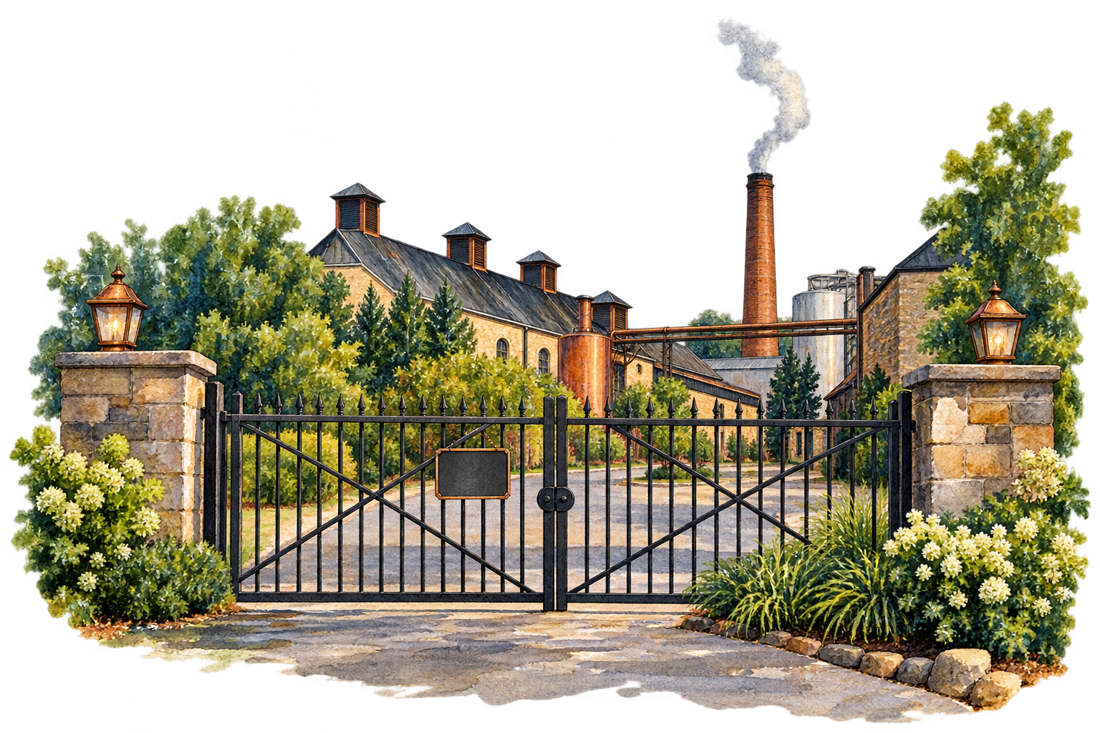
The official site places the operation in Bardstown on 196 acres. Distilling, maturation and bottling form the core identity. Its published count of 29 warehouses and 22 other buildings is treated as an official description, not a newly surveyed facility census. 1
Place and heritage
Tom Moore Spring
The spring is highlighted in the distillery’s official description. Earlier producer releases also mention Morton Spring. These sources establish the springs’ historical association, not a precise schematic of today’s water system. 1,6
Maturation
Hillside aging warehouses
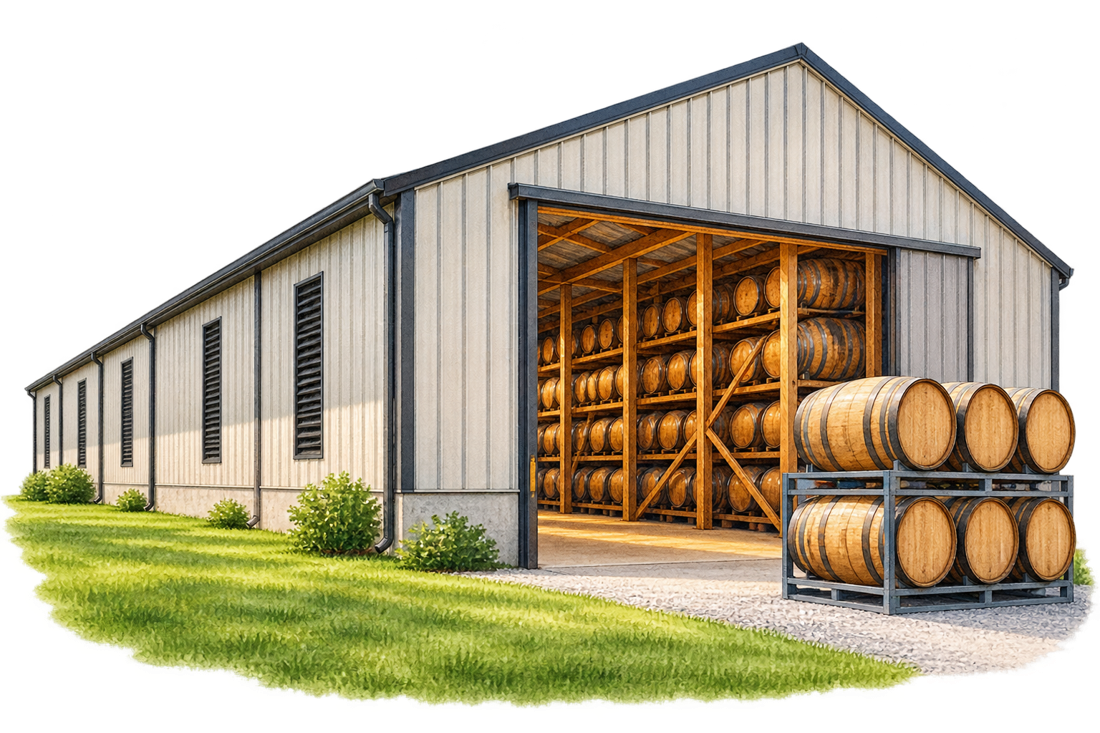
Warehouse 33 was built on the hillside behind the distillery. Its 2021 announcement described wood floors and ricks, metal siding and capacity for 33,500 barrels, with two larger warehouses planned alongside it. Warehouse design and maturation are part of production, not decorative scenery. 6
Historical experience
The former visitor center
The 2011 announcement placed the visitor center in the building that formerly housed the Oscar Getz Museum, whose collection had moved downtown. Barton’s 2022 statement ended general public tours and the gift shop after June 30. The old hours and tour route are not current booking advice. 5,8
Corporate relationship
Sazerac’s Kentucky network
Barton sits within a wider network that includes Buffalo Trace in Frankfort, Glenmore in Owensboro and Garrard County in Lancaster. The 2026 announcement describes investment across these facilities. They remain separately identified sites; a shared parent does not establish a shared distilling source. 16
Architecture is symbolic. Facility roles follow the dated sources; no unrestricted visitor program is asserted.
04 / Selected relationships
Read the family. Then read the release.
Core bourbon
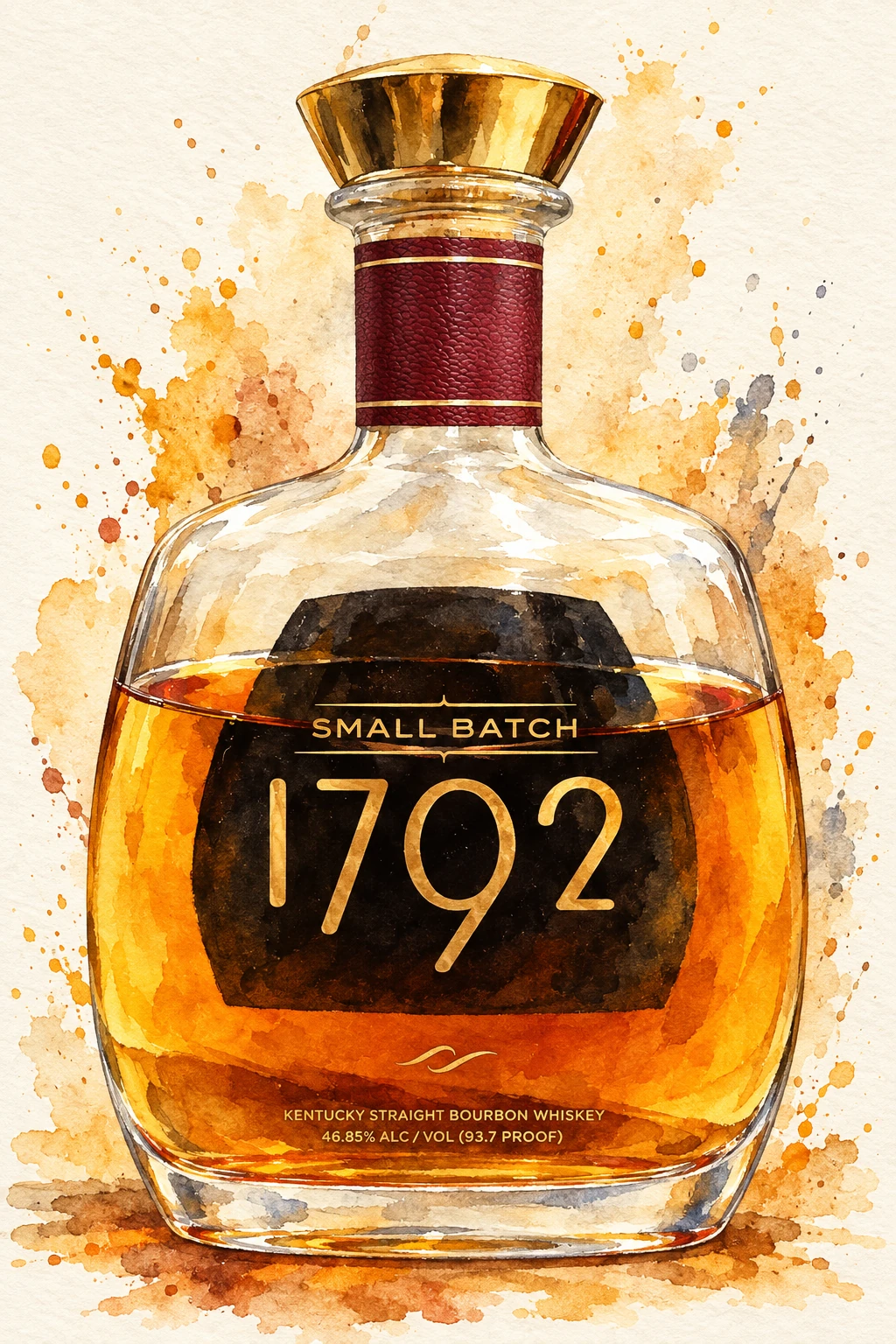
1792 Small Batch
The producer describes its signature high-rye recipe and selection of barrels by the master distiller. The site’s 93.7-proof expression anchors the range. 9
Proof and filtration
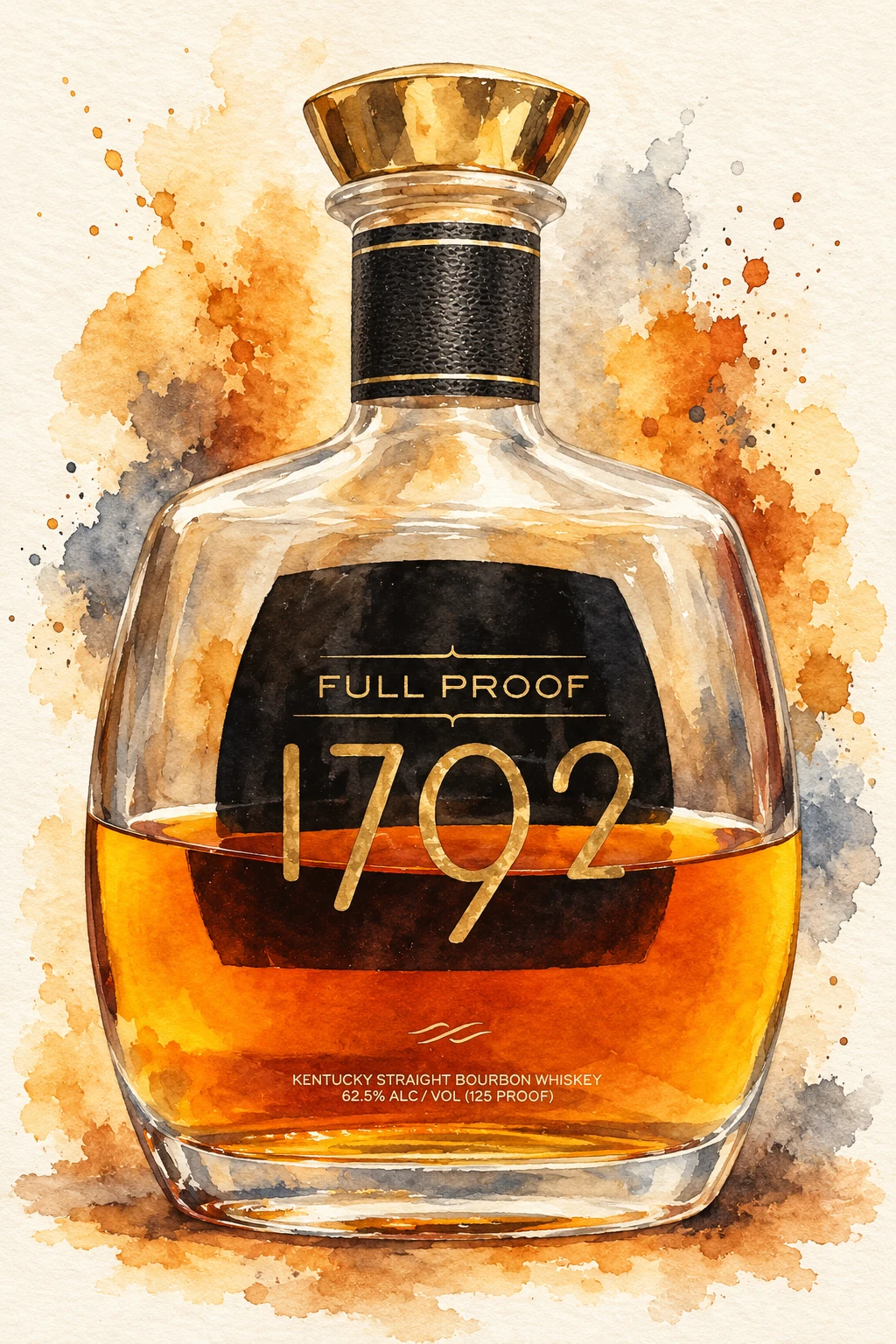
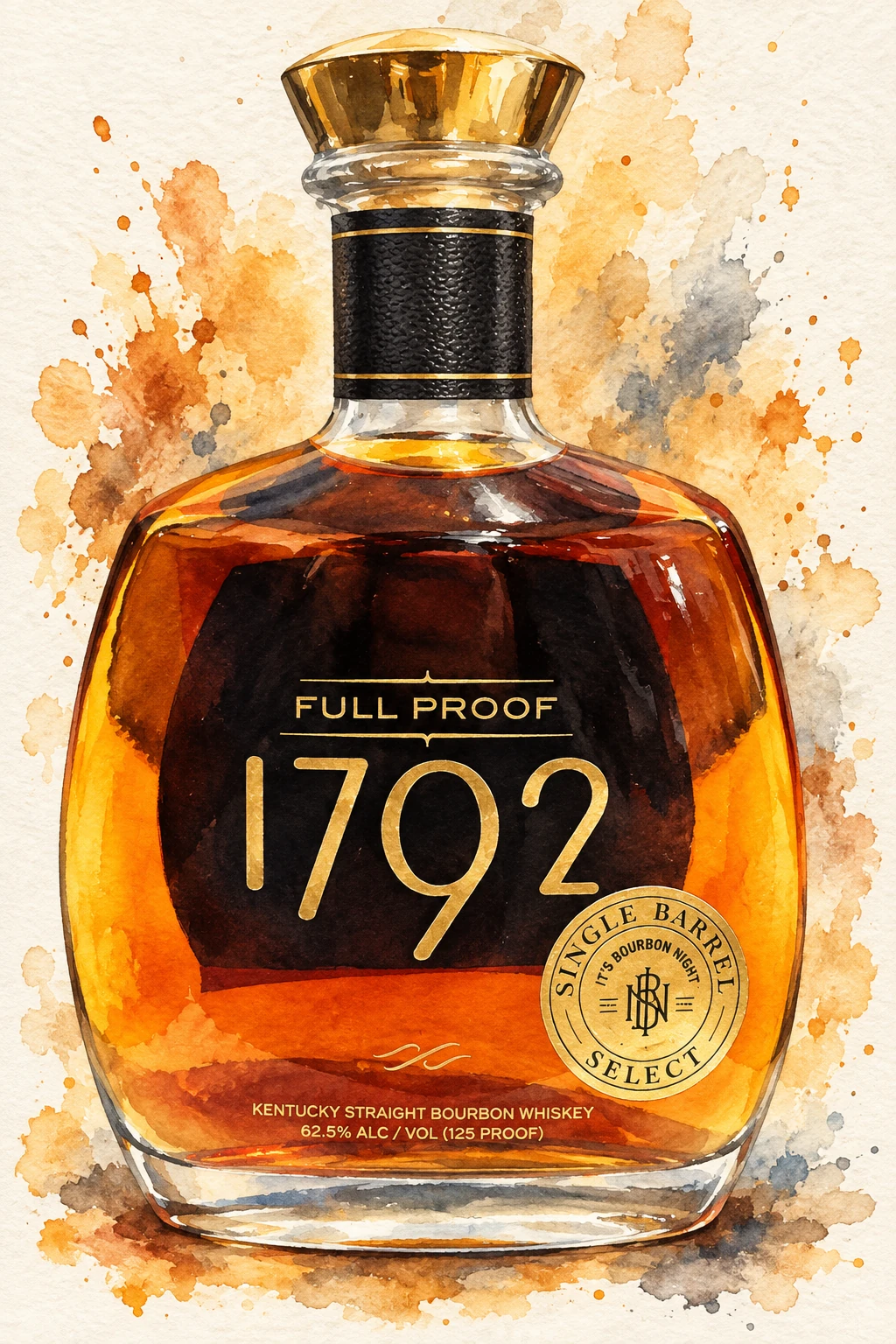
1792 Full Proof
Bottled at the original 125 barrel-entry proof, with plate-and-frame rather than typical chill filtration. This does not mean every barrel emerges at 125 proof. 10
Season-defined expression
1792 Bottled in Bond
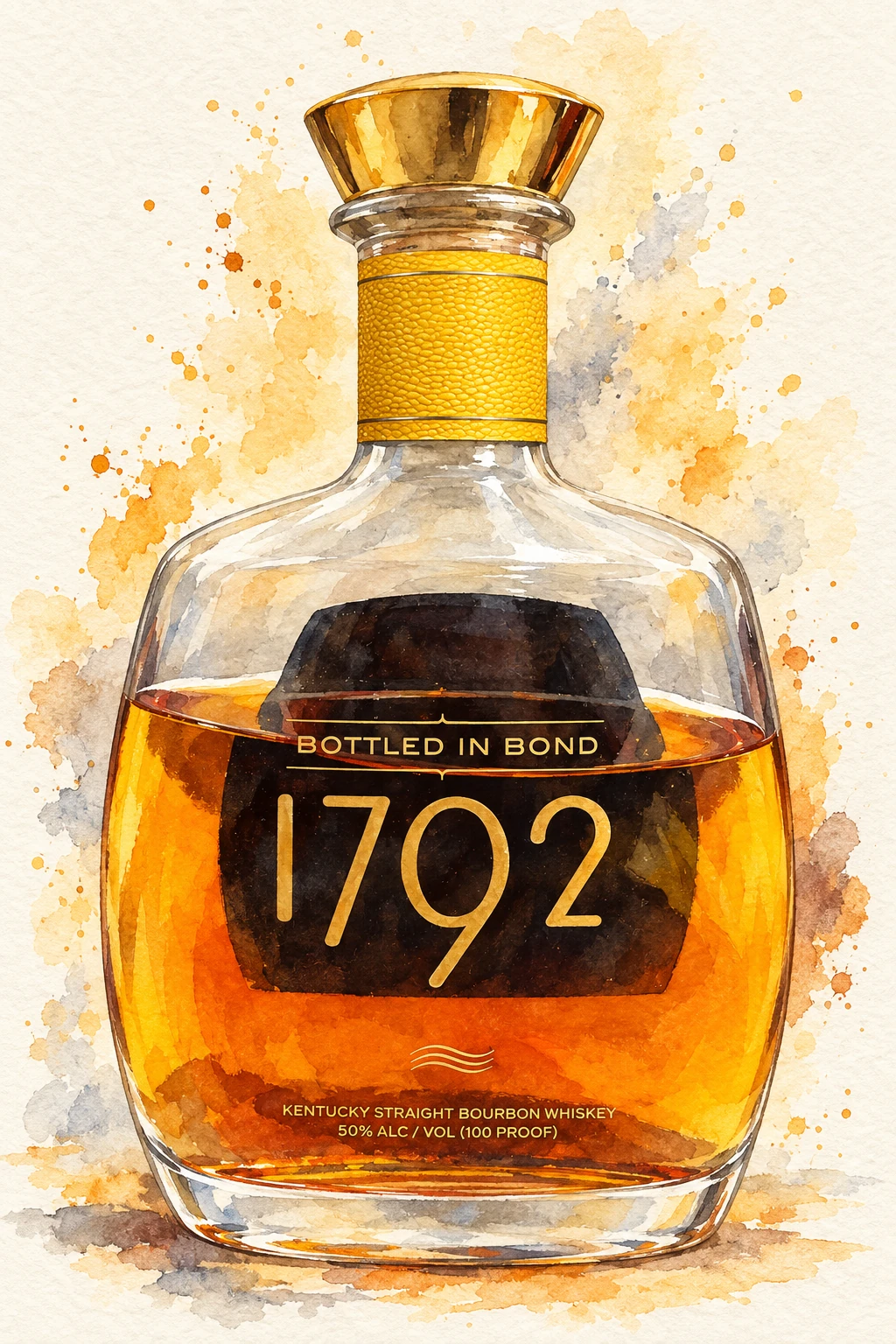
The producer specifies barrels from the same distilling season and bottling at exactly 100 proof. 11
Individual-barrel expression
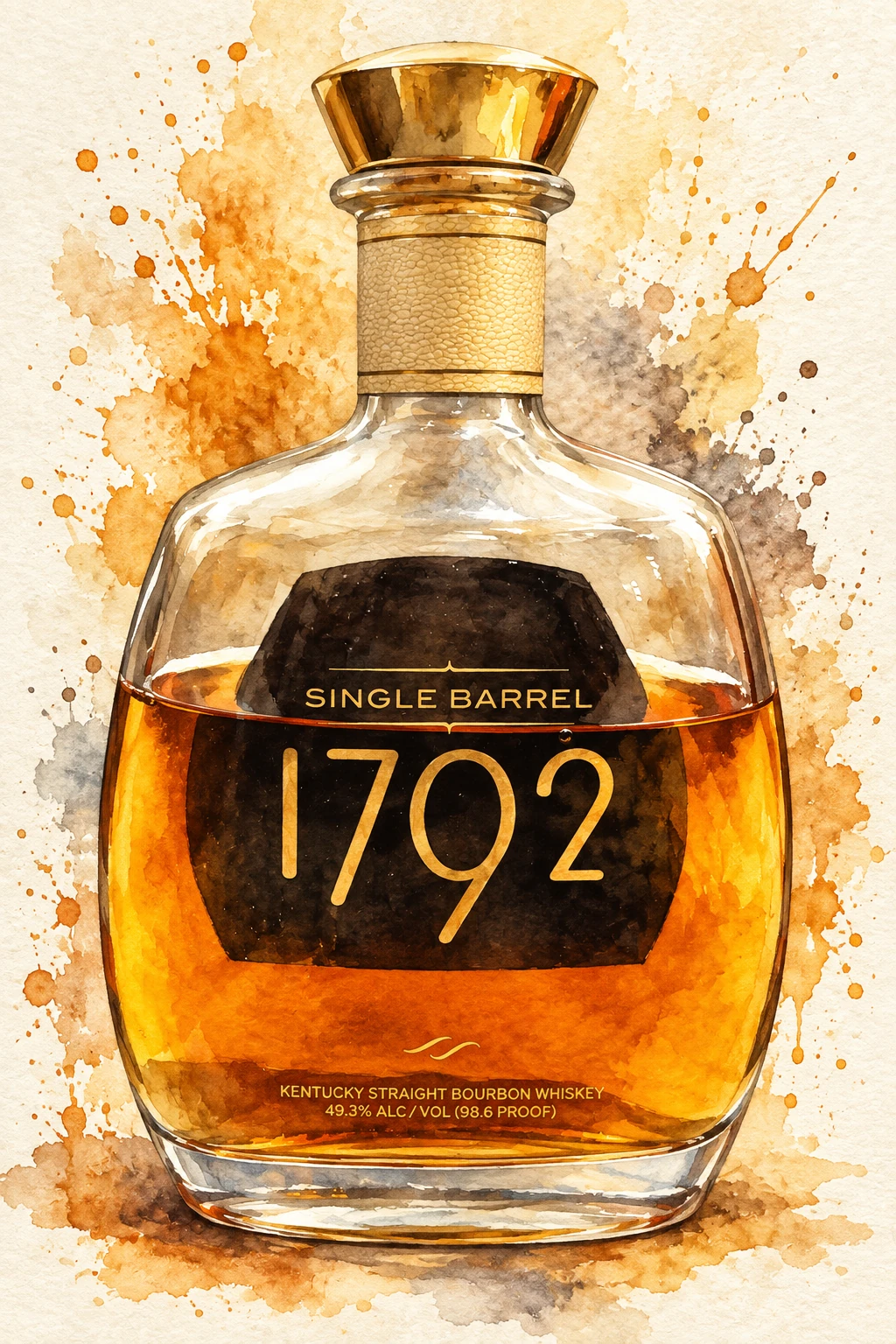
1792 Single Barrel
Selected barrels are bottled individually to preserve their character. 12
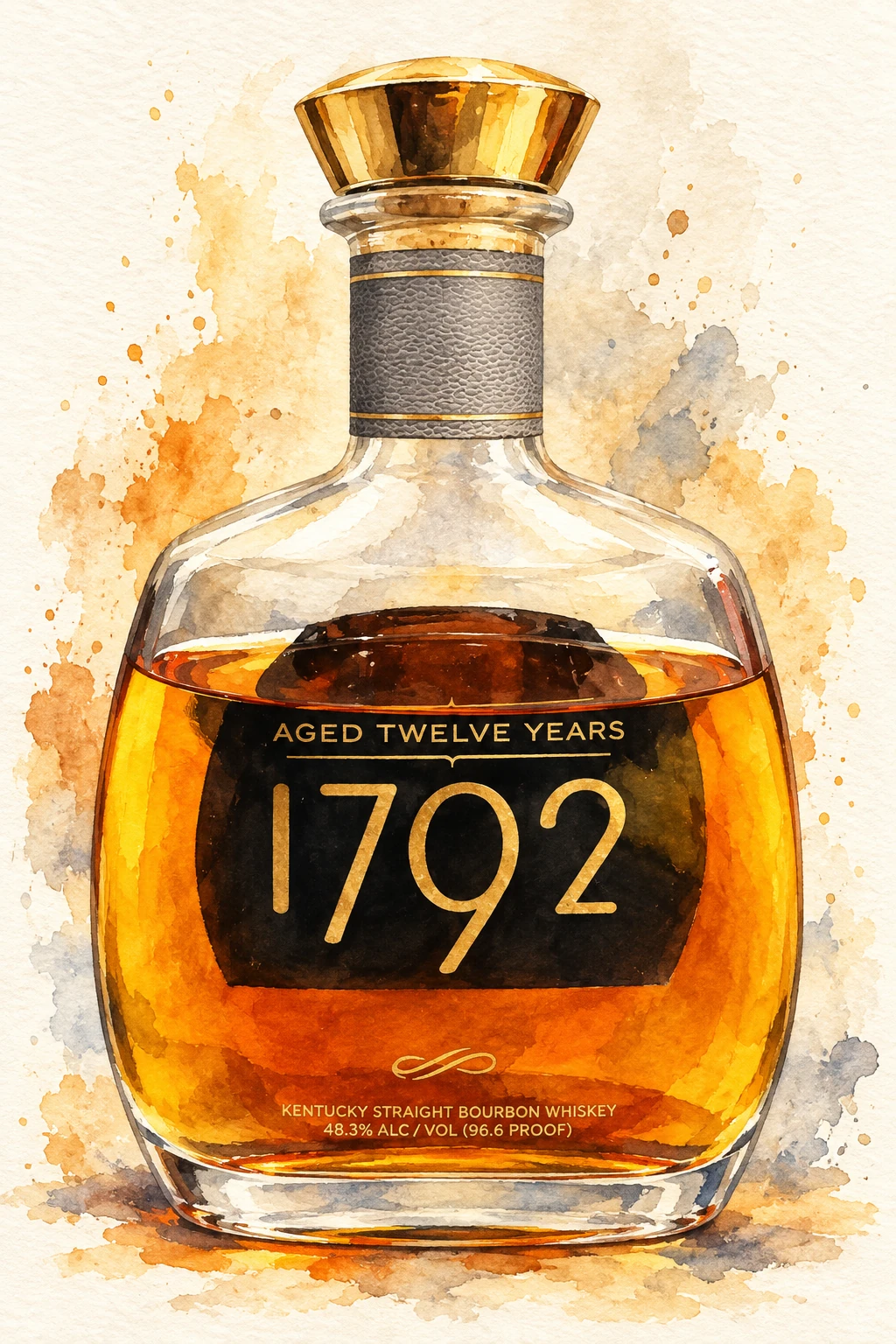
A twelve-year maturation of the producer’s high-rye bourbon in charred American white oak. 15
Finished expression
1792 Port Finish
The official description gives two additional years in port barrels after the original oak maturation. It is distinct from Thomas S. Moore Port Finish. 17
2026 addition
1792 Kentucky Straight Rye
The July 2026 announcement introduces the brand’s first straight rye at 100 proof. 14
2026 age and strength
1792 XV
A 15-year bourbon released uncut and unfiltered at 124.2 proof in the inaugural 2026 edition. Keep this separate from Full Proof and Aged Twelve Years. 14
Extended-finish brand
Thomas S. Moore
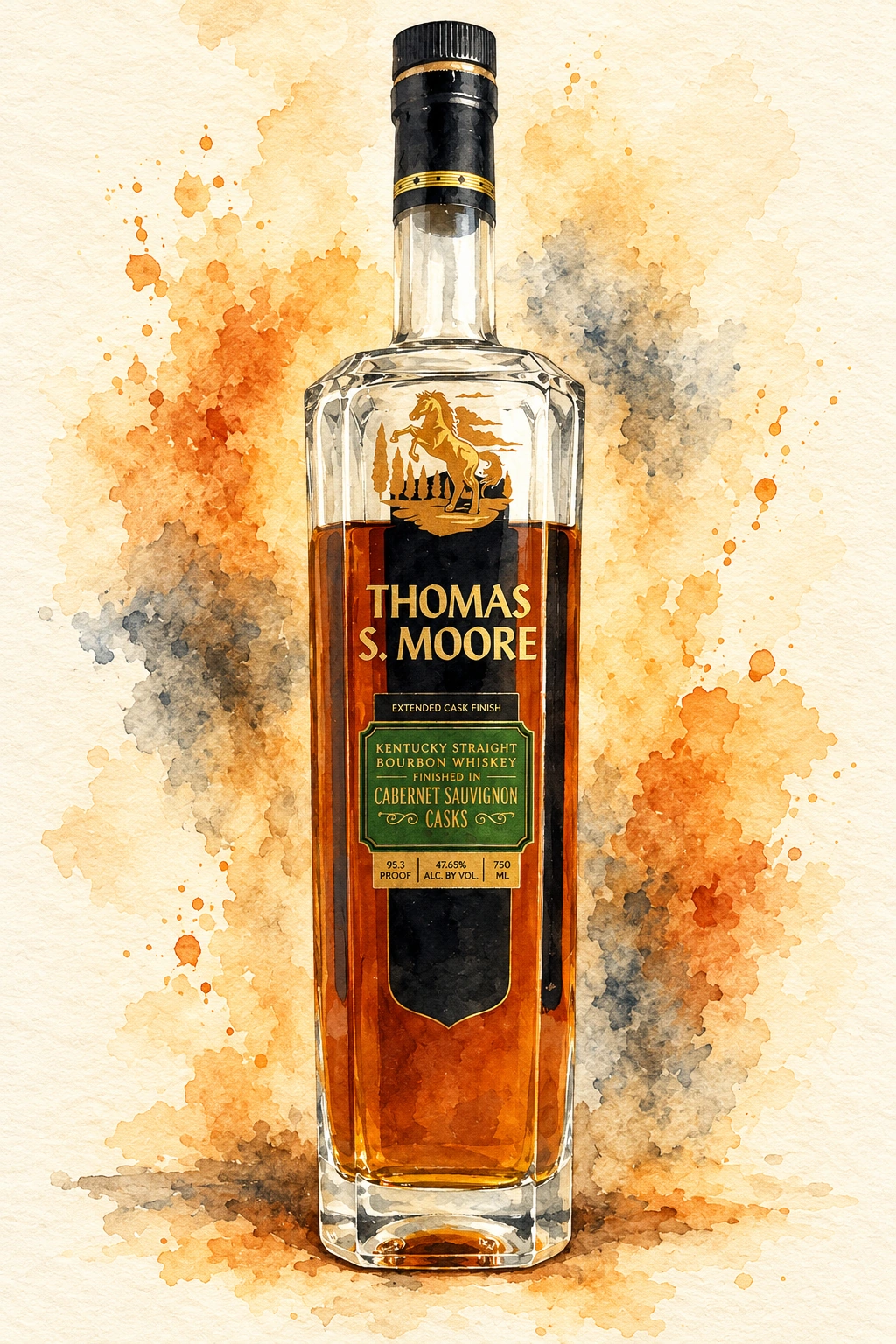
The 2020 and 2022 producer announcements establish a Barton bourbon range finished in wine and spirits casks. 3,4
Historical production connection
Very Old Barton
The 2011 producer announcement identifies Very Old Barton among the bourbons bottled and tasted at the site. This historical evidence is not an exhaustive current portfolio. 5
Production transition
Early Times
Sazerac announced the move to Barton production in 2021 while preserving the recipe. The announcement alone does not prove that every older Early Times bottle contains Barton-distilled whiskey. 7
05 / Distilling, blending & finishing
Grain, oak, time and proof.
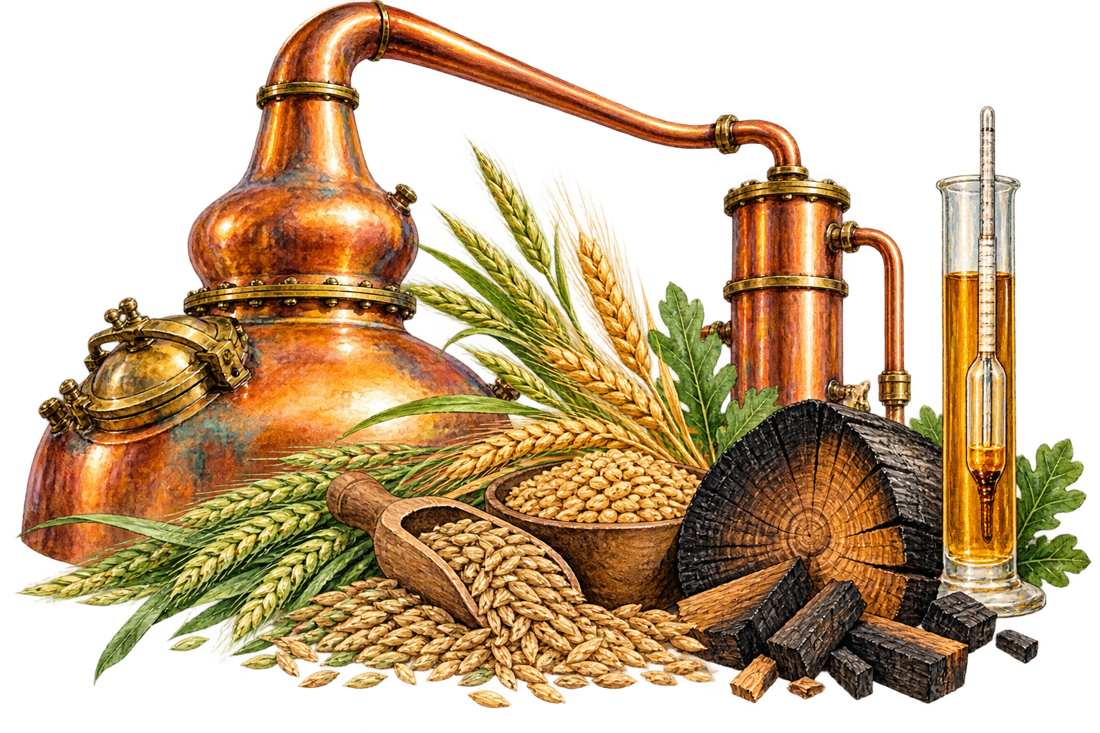
Grain changes the direction
The producer calls Small Batch a high-rye bourbon. Sweet Wheat substitutes wheat for rye, while the 2026 straight rye introduces another grain-led expression. The reviewed producer pages do not establish numerical mash bills. 9,13,14
Maturation has several dimensions
Individual barrels, extended age and additional cask types each shape distinct expressions. Aged Twelve Years and XV carry different ages; Single Barrel preserves an individual barrel selection. Finishing descriptions belong to the specific release announced. 3,4,12,14,15
Proof and filtration deserve separate attention
Full Proof is bottled at its original 125 barrel-entry proof using plate-and-frame filtration. The inaugural XV is described as uncut and unfiltered at 124.2 proof. Those different methods should remain clear even when the proof numbers sit close together. 10,14
A working production site
Barton combines distilling, aging and bottling. Sazerac’s August 2026 account describes investment in fermenters, a boiler house, bottling and three aging warehouses over five years. The report establishes investment scope, not a new surveyed count of all buildings. 1,16
06 / Worth knowing
Stories worth carrying to the glass.
1792 is a tribute, not a founding year
The brand name commemorates Kentucky becoming a state. Barton’s establishment date is 1879 in its official account. Reading the number as a distillery founding year would move the history backward by almost a century. 3
Full Proof and cask strength are different
Full Proof returns the whiskey to the original 125 barrel-entry proof. XV’s inaugural release is described as uncut and unfiltered at its cask strength of 124.2 proof. Similar numbers do not establish the same bottling method. 10,14
High rye does not cover every expression
Small Batch’s high-rye identity is important, but Sweet Wheat intentionally substitutes wheat for rye. The producer pages reviewed here do not disclose grain percentages. This profile therefore avoids commonly repeated, unverified numerical mash bills. 9,13
A shared season matters
For its Bottled in Bond expression, Barton specifies barrels filled in a single distilling season and a 100-proof bottling. That identity should remain distinct from a generic small batch or a store selection, even when labels look related. 11
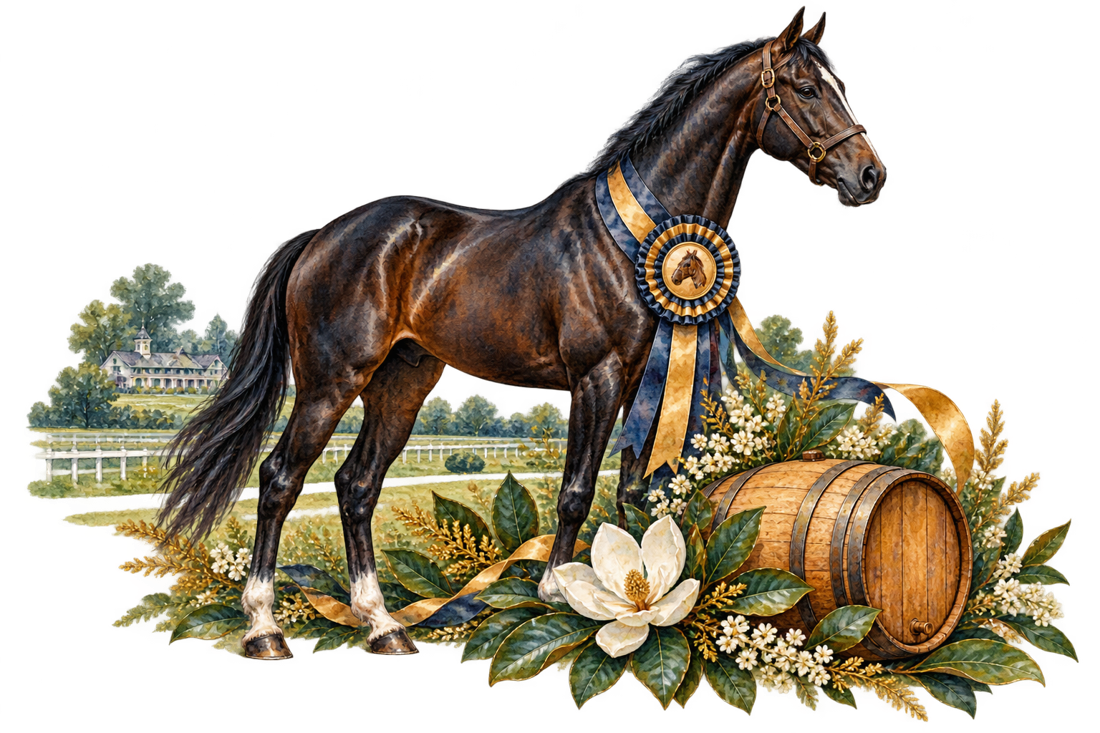
The horse on Thomas S. Moore
The producer explains the label’s racehorse as a reference to Moore’s Belle of Nelson whiskey brand and the thoroughbred that won the Kentucky Oaks in 1878. The horse illustration here is symbolic, not an authenticated portrait of that animal. 4
A collecting connection
The 2011 visitor-center announcement links the building to the original Oscar Getz Museum. Bottles, artifacts and preserved stories form part of this history alongside the production equipment. The former museum building is a historical connection, not a promise of a current onsite exhibition. 5
A recipe can outlive a change of producer
Early Times demonstrates why ownership, distillation and bottling should be tracked separately. The 2021 transition announcement names Barton as the future production home; it does not identify the origin of every older bottle or authorize merging different production eras. 7
Read facility numbers in context
The 2021 announcement describes specific new warehouses and planned capacity. The brand page’s overall warehouse total is undated, while the August 2026 release summarizes later investment. The profile preserves those scopes rather than adding historical figures into a false current census. 1,6,16
07 / Editorial selections
Ten expressions of the Barton story.
Selected for their role in the producer’s story. Release specifications are tied to the cited current page or dated launch.
Core bourbon
1792 Small Batch
The producer describes its signature high-rye recipe and selection of barrels by the master distiller. The site’s 93.7-proof expression anchors the range. 9
Proof and filtration
1792 Full Proof
Bottled at the original 125 barrel-entry proof, with plate-and-frame rather than typical chill filtration. This does not mean every barrel emerges at 125 proof. 10
Season-defined expression
1792 Bottled in Bond
The producer specifies barrels from the same distilling season and bottling at exactly 100 proof. 11
Individual-barrel expression
1792 Single Barrel
Selected barrels are bottled individually to preserve their character. 12
A twelve-year maturation of the producer’s high-rye bourbon in charred American white oak. 15
Finished expression
1792 Port Finish
The official description gives two additional years in port barrels after the original oak maturation. It is distinct from Thomas S. Moore Port Finish. 17
2026 addition
1792 Kentucky Straight Rye
The July 2026 announcement introduces the brand’s first straight rye at 100 proof. 14
2026 age and strength
1792 XV
A 15-year bourbon released uncut and unfiltered at 124.2 proof in the inaugural 2026 edition. Keep this separate from Full Proof and Aged Twelve Years. 14
Extended-finish brand
Thomas S. Moore
The 2020 and 2022 producer announcements establish a Barton bourbon range finished in wine and spirits casks. 3,4
08 / Research & provenance
Follow the sources.
Sources & research notes 17 references
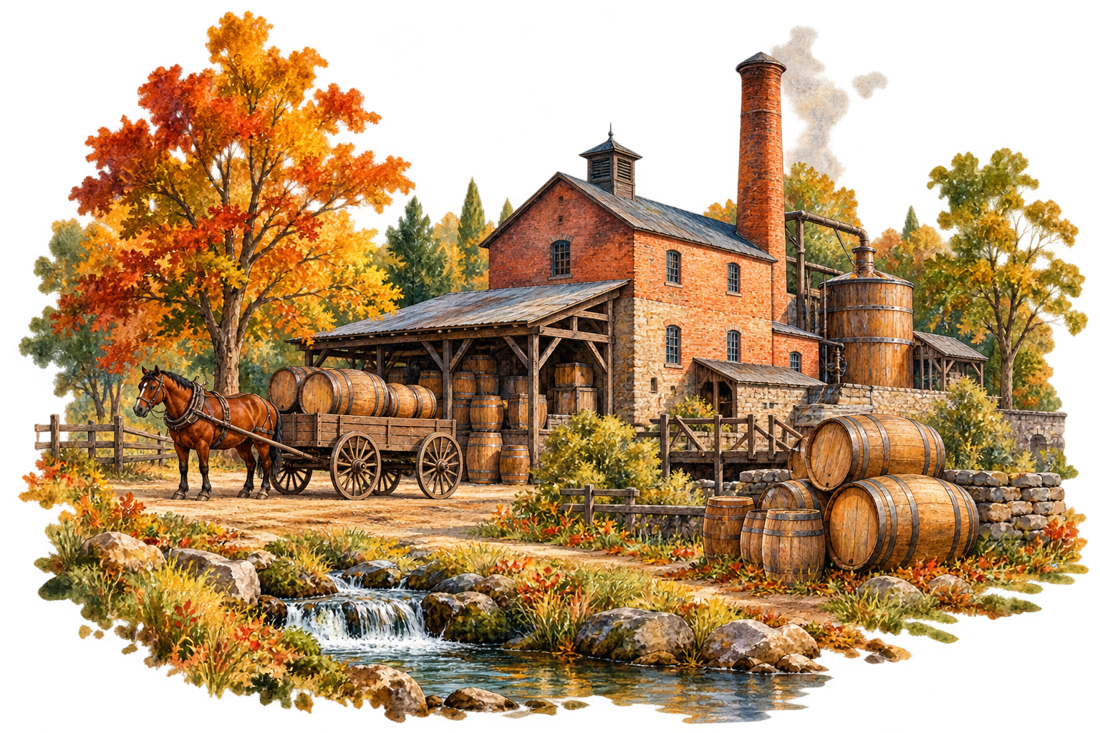
Research checked October 13, 2026. Primary producer pages and attributed producer announcements are prioritized. The conflicting 1879 establishment date and 1889 Moore construction statement are retained explicitly. Building totals and expansion plans remain tied to their sources rather than combined into a current census. The dated 2022 tour closure is preserved; no reopening or reservation claim is made. Illustrations are symbolic, not architectural surveys or authenticated historical depictions. The collection connection is maintained separately from this neutral editorial master.
1792: Distillery Official establishment date and Bardstown campus description. Undated building totals; not a facility census. Primary producer.
Sazerac: Our Story 2009 Constellation acquisition. Corporate ownership, not historical bottle origin. Primary parent company.
Thomas S. Moore launch, December 10, 2020 Original finishes, Moore history, Prohibition, statehood name. 1889 statement conflicts with official 1879 establishment date. Attributed producer press release.
Barton visitor center, May 10, 2011 Visitor-center opening, Getz Museum building, historical bottling. Historical operations; do not reuse old hours. Barton-issued May 10 release, reprinted May 11; original PRNewswire URL unavailable during this refresh.
Warehouse 33, March 2, 2021 February 25 filling; expansion, wood ricks and siding. Forward plans are not current census. Attributed producer press release.
Barton public-tour statement, April 7, 2022 Barton statement ending tours and gift shop after June 30. Statement reproduced by publication; current distillery site inaccessible. Preserve as dated producer statement; no reopening claim.
1792: Our Bourbon Small Batch high-rye identity and listed expressions. Older page omits 2026 additions; no mash percentages. Primary producer.
1792: Full Proof 125 barrel-entry bottling proof and filtration. Full proof is not synonymous with cask strength. Primary producer.
1792: Bottled in Bond Same season and 100 proof. Expression-level specifications; individual season identity not supplied. Primary producer.
1792: Single Barrel Individual-barrel selection. No specific identity for private pick. Primary producer.
1792: Sweet Wheat Wheat instead of rye. No numerical mash bill or identity merge. Primary producer.
1792 Rye and XV launch, July 7, 2026 First rye; 100 proof; XV 15 years and 124.2 proof. Inaugural 2026 release specifications. Attributed producer press release.
1792: Aged Twelve Years Twelve-year high-rye bourbon. No physical bottle release-year identity. Primary producer.
Collection snapshot: October 30, 2026. Approved watercolor artwork appears where an exact record or verified release match is available. Separate physical bottles and release distinctions are preserved.
Collection notes
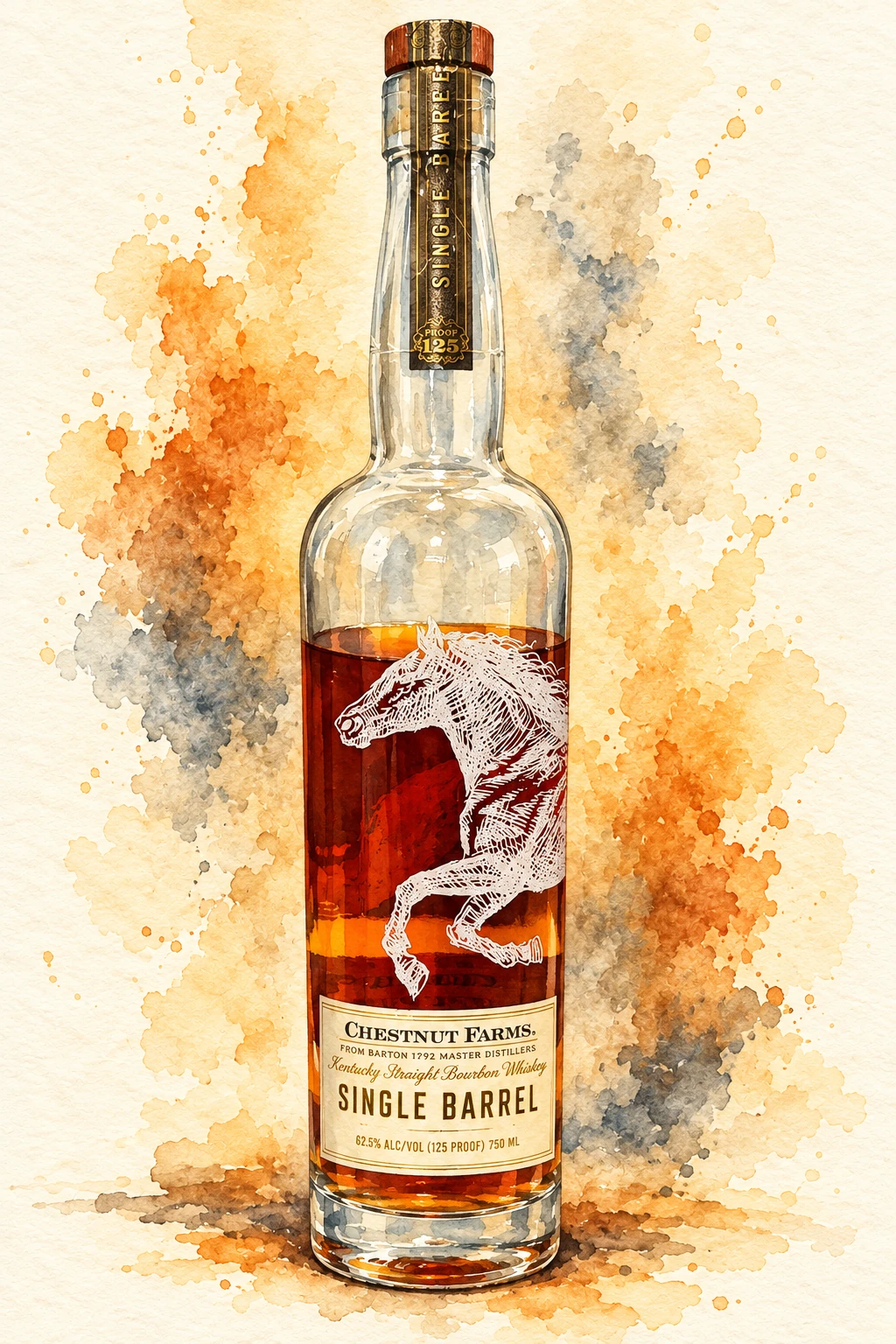
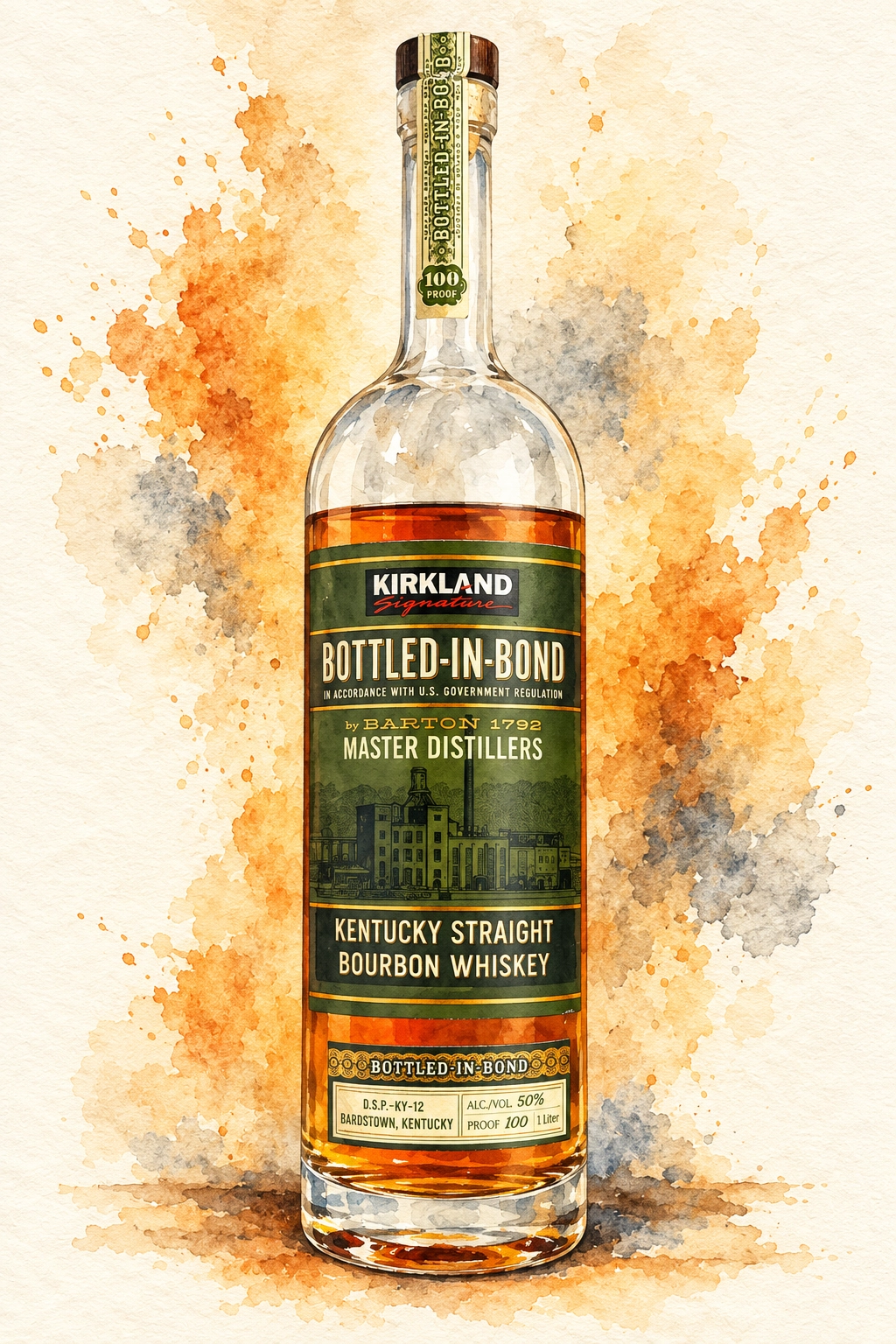
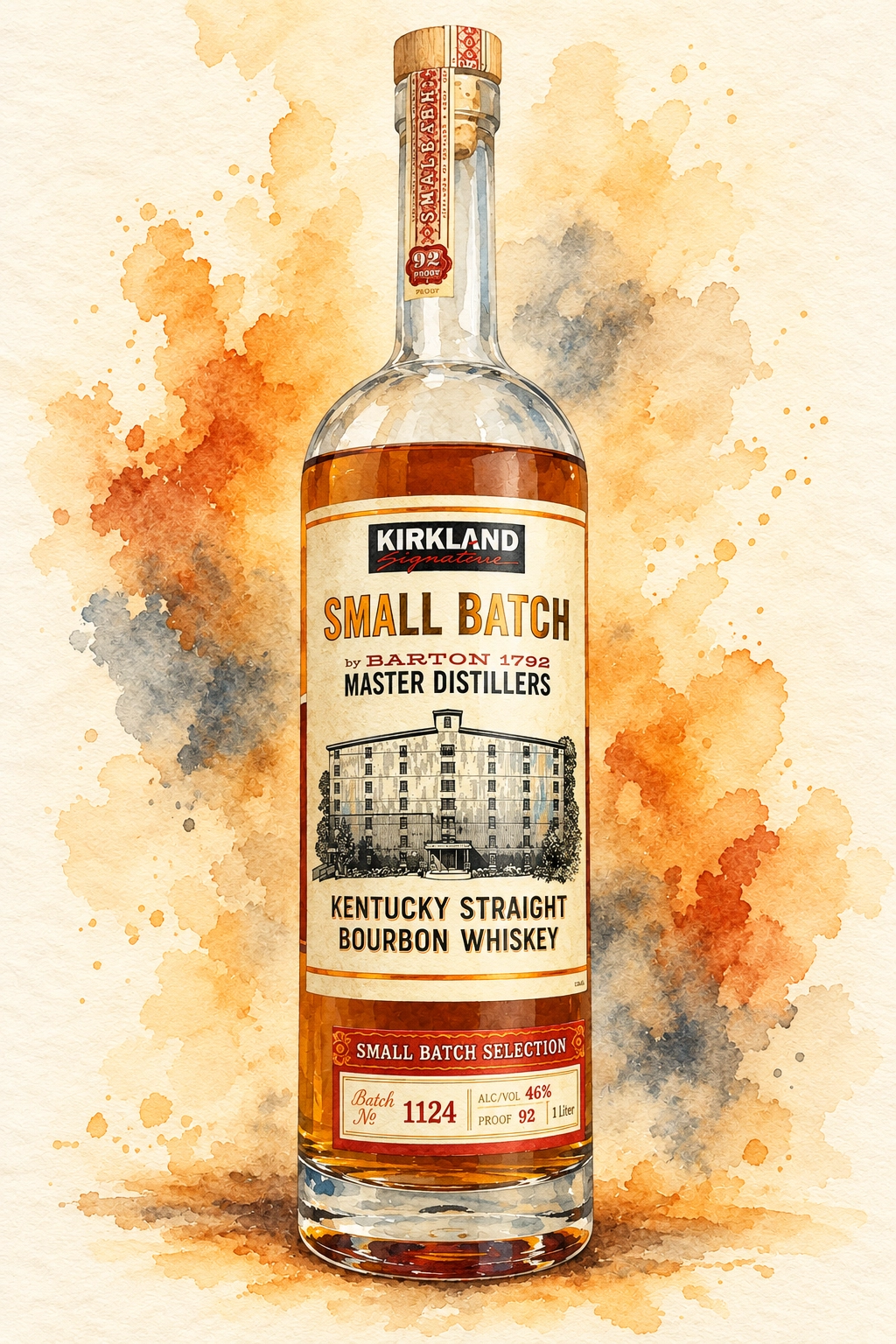
Exact approved bottle artwork is shown above. Five records lack complete photo pairs. W0004 and W0139 now have TJ-approved tasting guides linked from their bottle records. W0007 and W0008 remain separate Sweet Wheat records. Chestnut Farms and Kirkland mappings do not prove a distilling source for every release under those brands.
The illustrated companion
Barton 1792 Distillery, in three pages.
Origins and people, history and places, whiskey and stories. The approved illustrated companion includes linked research sources.