A farm before a whiskey name
Bowman purchased Sunset Hills in Fairfax County in 1927. The producer’s account links dairy and grain farming to a later use for surplus grain.[2]
Last updated Last researched
Fredericksburg, Virginia / Bourbon & experimental whiskey
Virginia roots. An experimental state of mind.
A. Smith Bowman is best understood through contrasts: a farm-born company with a modern Virginia home, familiar bourbon names alongside restless experiments, and a family vocabulary inside a larger spirits business. Its story follows people and barrels across generations without making every bottle the same whiskey.[3][19]
Bowman purchased Sunset Hills in Fairfax County in 1927. The producer’s account links dairy and grain farming to a later use for surplus grain.[2]
Bowman and his sons established the modern distillery in 1934, around Virginia Gentleman. Their business belongs to the post-Prohibition era, separate from the older namesakes.[20]
Sazerac’s 2003 purchase begins a corporate chapter. Bowman names preserve heritage rather than family control.[3]
Founding generation
The founding generation connects twentieth-century Virginia farming to distilling. The older military namesakes belong to another era.[20]
Historical namesakes
John J., Abraham, Joseph and Isaac are the brothers honored by the small-batch bourbon. The producer identifies them as Revolutionary-era Virginia militia officers. Their names form the portfolio’s historical vocabulary.[4]
A prior master distiller
A historical producer page dates his arrival to 2013. His later announcements document stout-barrel finishing and the first annual Cask Strength release. These are historical contributions, not a statement that he leads the distillery today.[8][11]
Current leadership
The current distillery page identifies Bock as master distiller. His background includes NOLA Distilling and Sazerac House in New Orleans, bringing operational experience alongside an interest in experimental whiskey.[1]
Experimental legacy
The 2025 Hungarian Oak announcement traces the long oak experiment to the late Truman Cox. Barrels begun under one distiller can reach drinkers through the judgment of successors.[9]
The wider craft
A working distillery also relies on people who fill, mature, process and bottle spirits, then help visitors understand them. Tours bring those roles into the public experience.[17]
Follow the people, partnerships and documented releases. Dates of reporting and partner offerings remain distinct from founding and release dates.
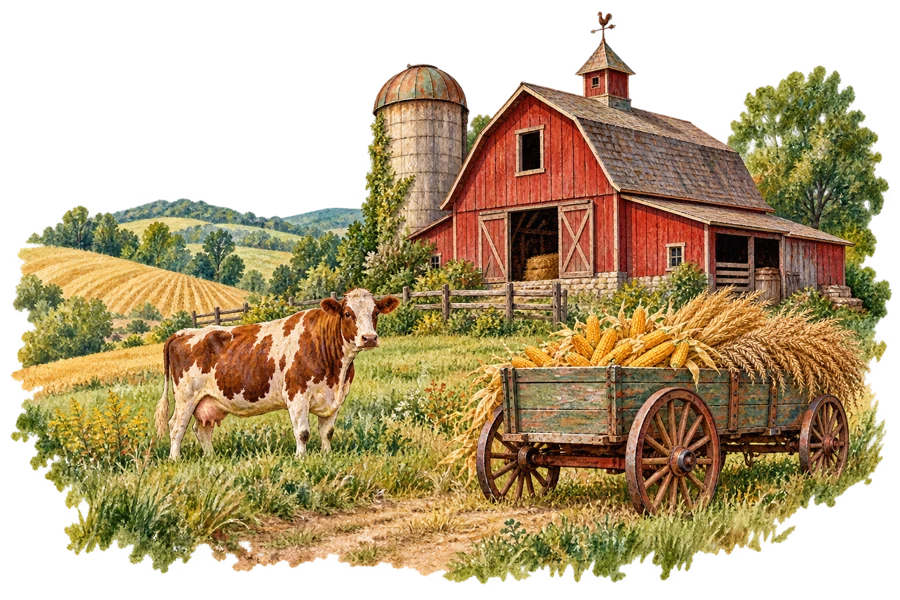
Bowman purchases Sunset Hills in Fairfax County for dairy and grain farming. The later whiskey story grows out of this agricultural beginning.[2]
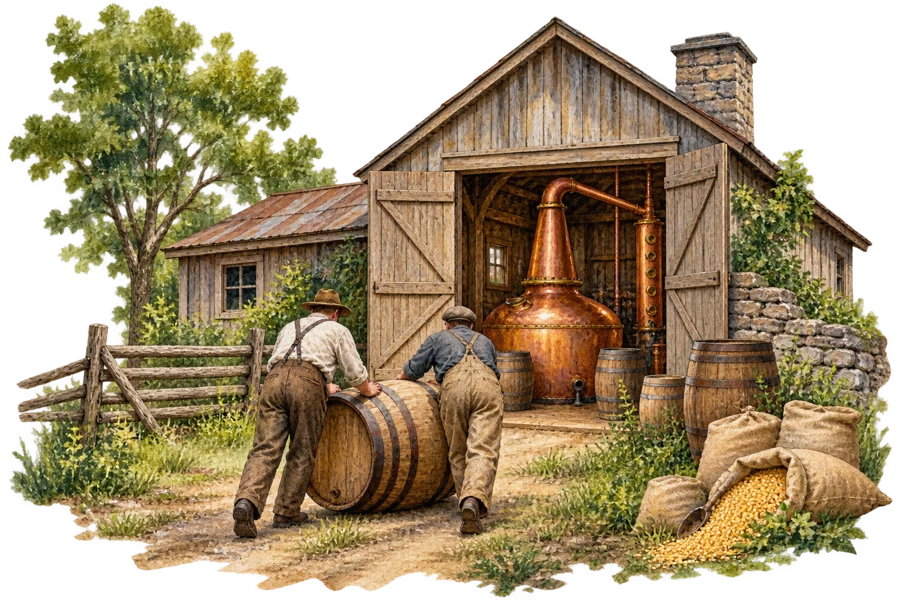
The producer dates the modern distillery to 1934, with Bowman and his sons behind the early Virginia Gentleman business.[20]
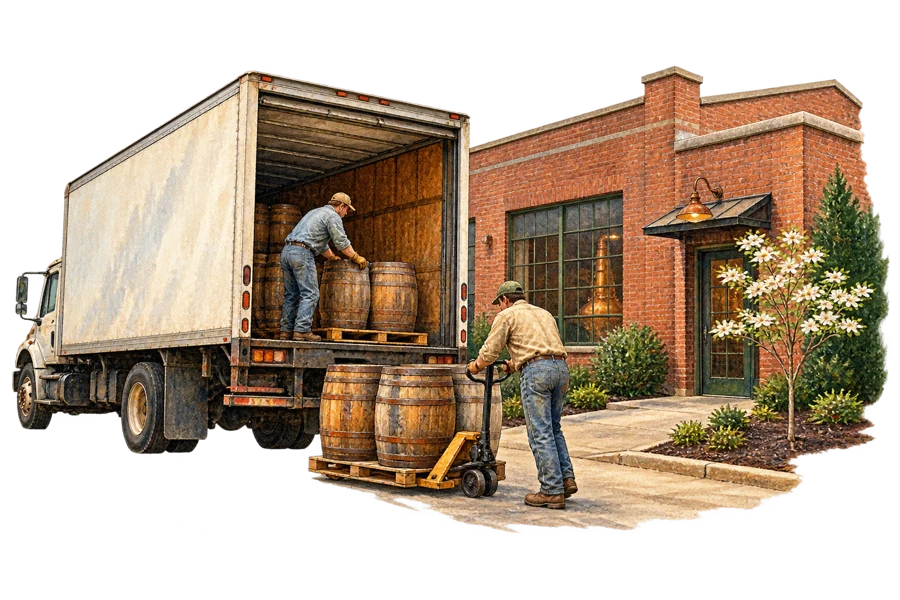
Operations move from Northern Virginia to the Fredericksburg area. The company continues, but the place where its work happens changes.[18]
Sazerac records the purchase in its company history. Bowman becomes part of a wider spirits group while keeping a distinct Virginia identity.[3]
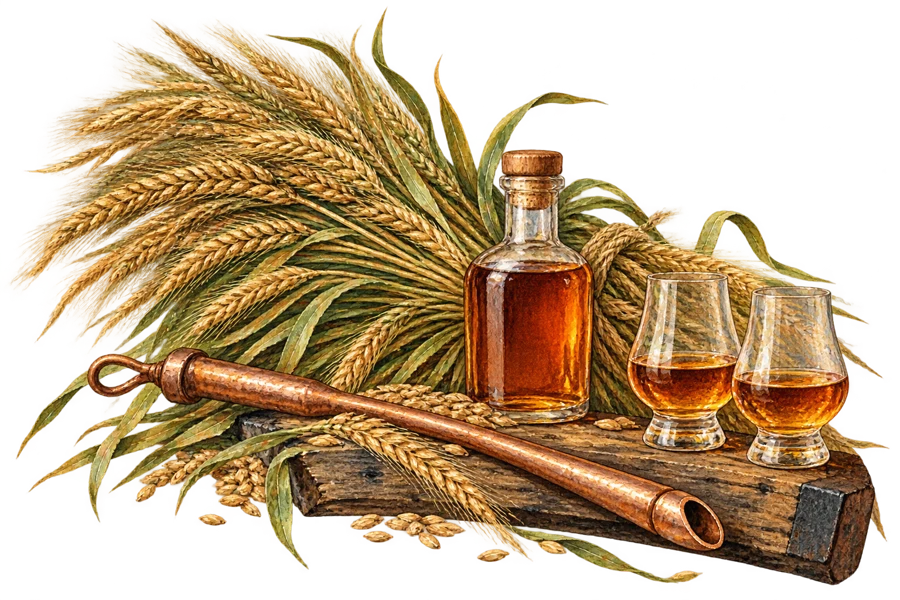
The Abraham Bowman Limited Edition Collection begins with rye whiskey, according to the producer’s later retrospective. Experimentation becomes a continuing release framework.[10]
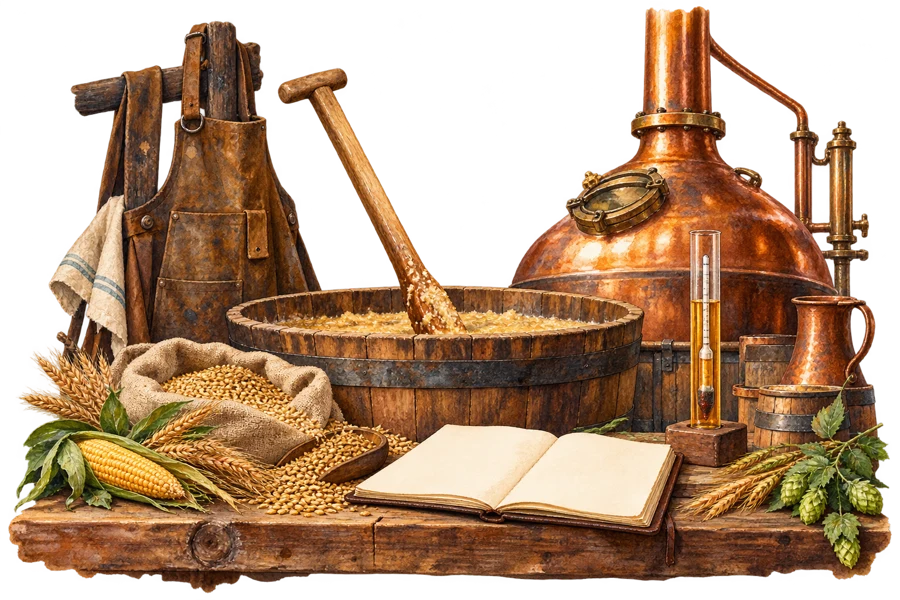
A historical producer page dates Prewitt joining to 2013. His brewing and distilling experience supports the experimental work documented in subsequent releases.[8]
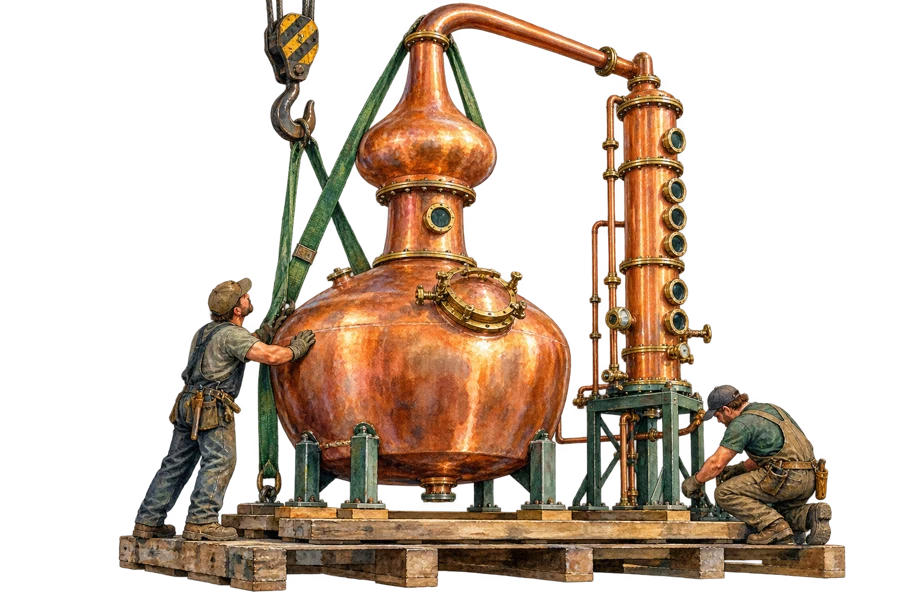
A producer announcement introduces the Vendome-built 500-gallon hybrid still. Installation precedes a planned March start, rather than proving a January first run.[7]
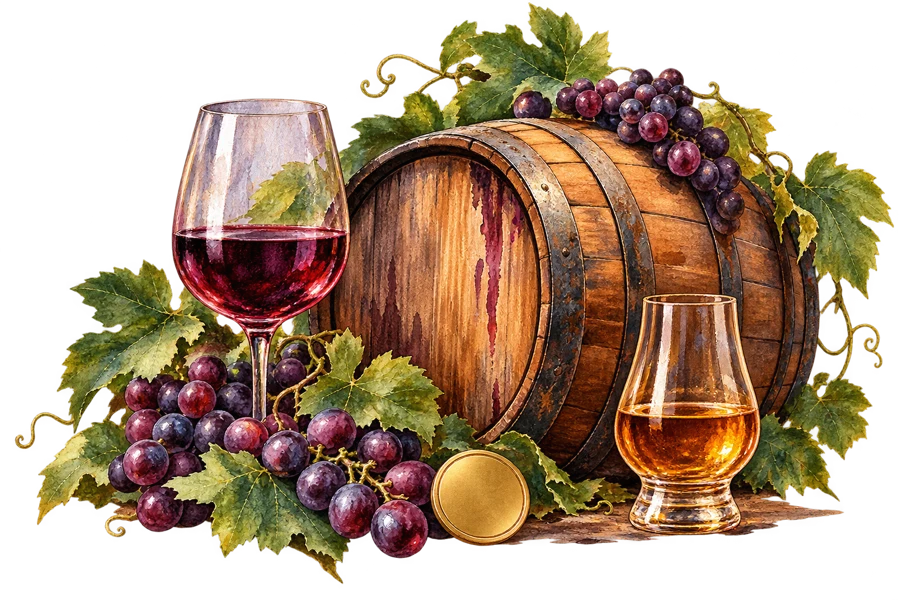
The producer identifies Abraham Bowman Port Finished Bourbon as its 2016 World’s Best Bourbon winner. Isaac Bowman later follows a related finishing approach.[6]
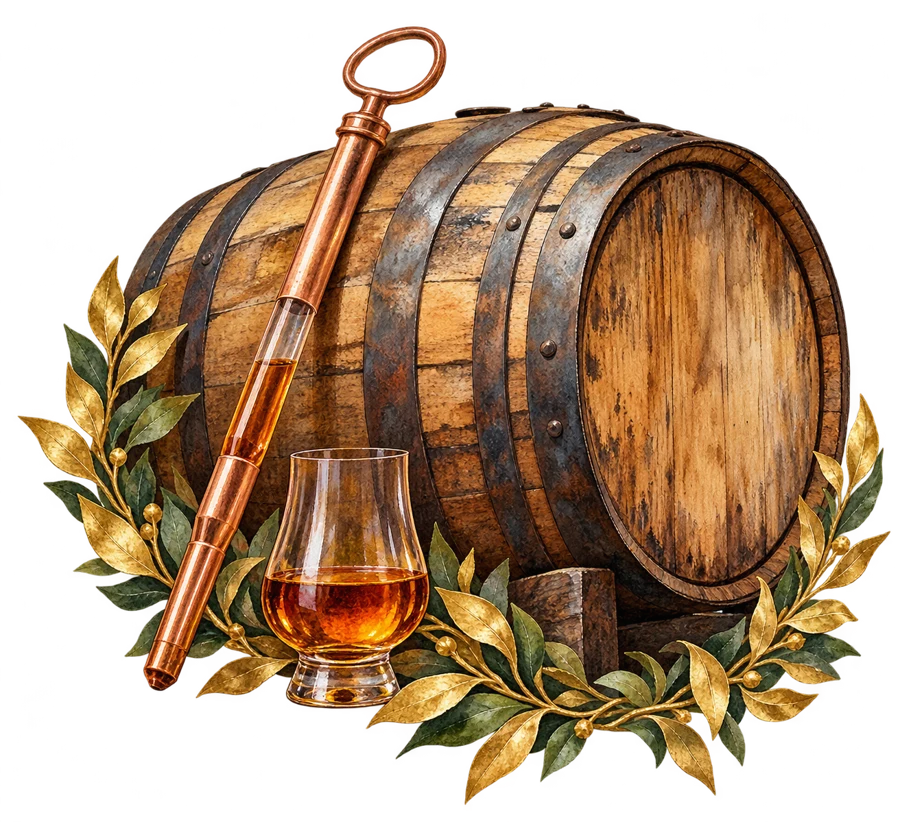
The single-barrel bourbon earns World’s Best Bourbon in the producer’s award record. This is a particular competition result, not a timeless ranking.[5]
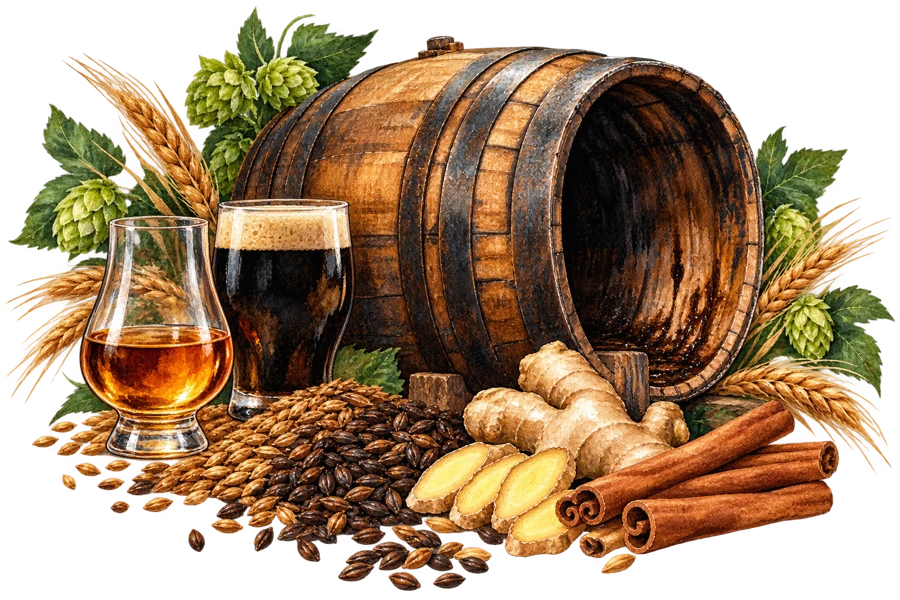
Release 20 revisits stout-barrel finishing. Gingerbread No. 2 combines extended oak aging with a further period in freshly emptied stout casks.[11]
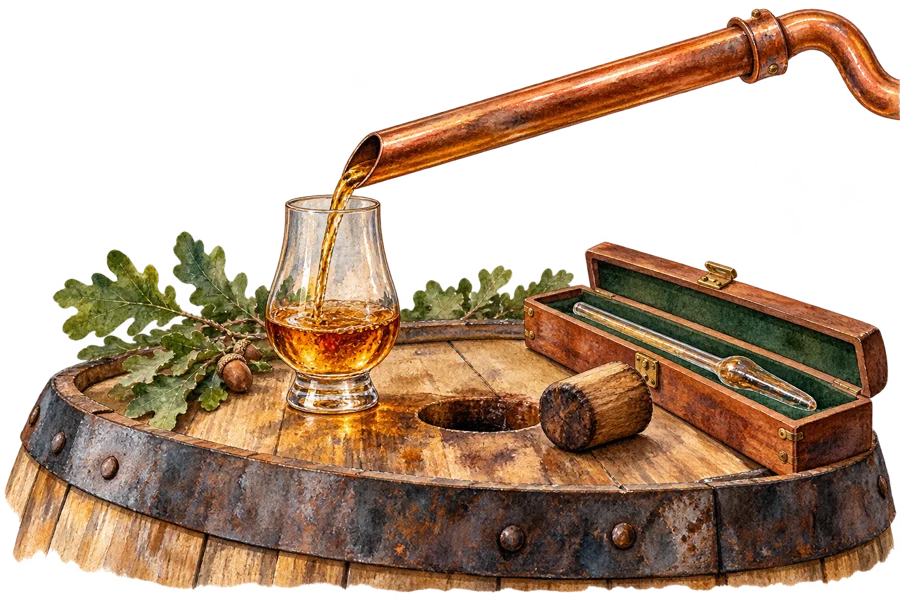
The first announced edition is at least ten years old and 141.1 proof. The new annual series sits alongside the existing core range.[12]
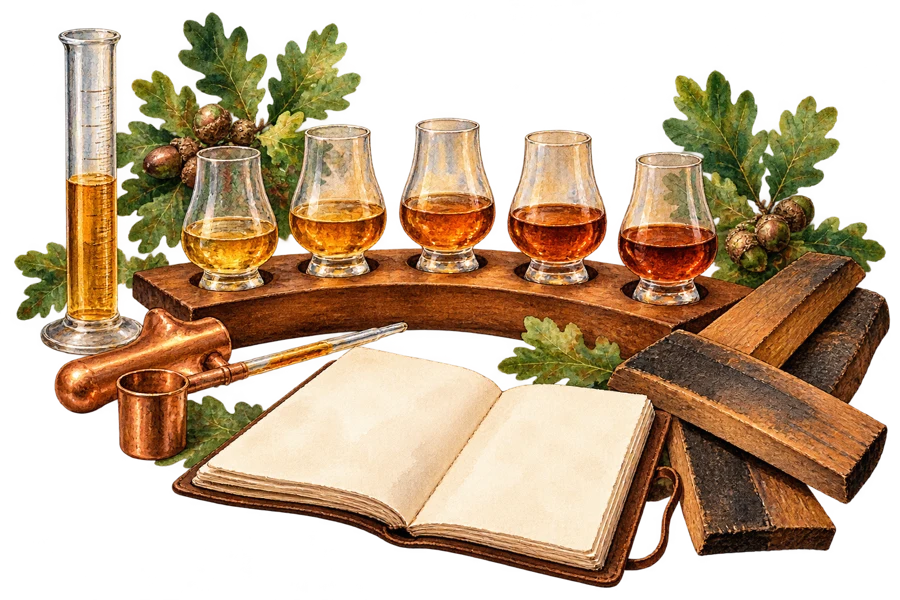
The third edition is announced at 135.1 proof with a minimum nine-year age. Its purchase lottery follows in January 2024.[13]
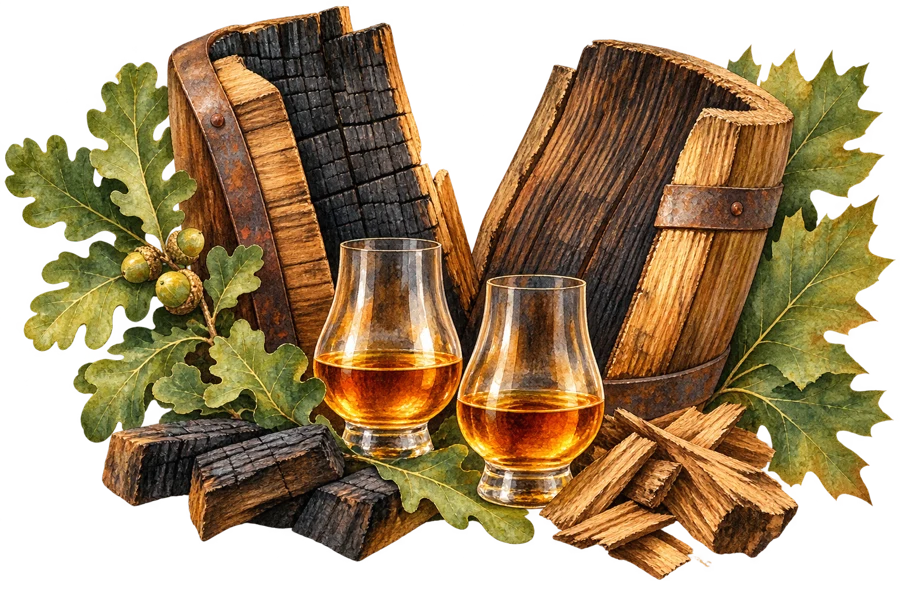
French Oak launches a focused study of oak varieties and charring; American Oak follows later that year as the second release.[14][15]
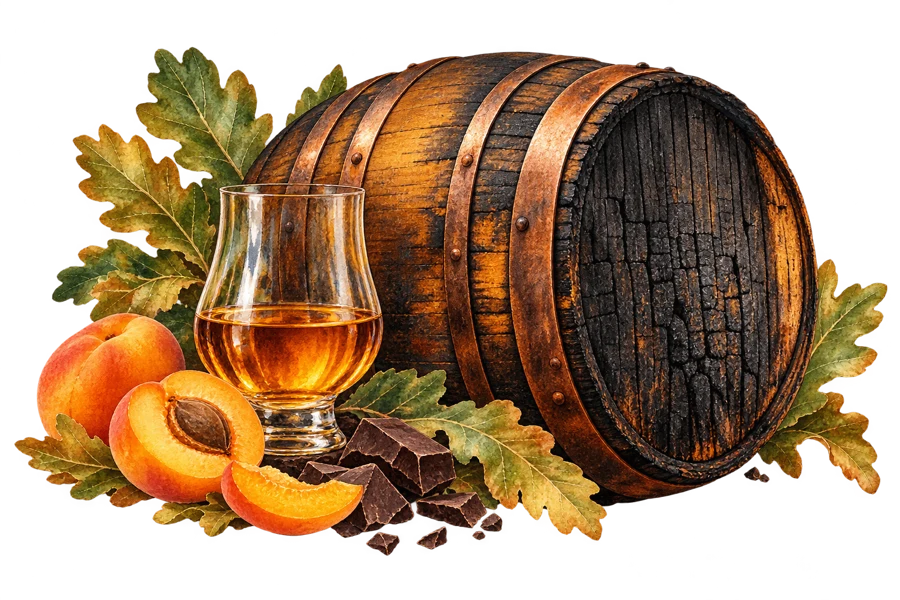
The third installment uses twelve-year stocks aged in charred Hungarian oak, bottled at 115 proof. A long-running experiment reaches its final oak-series chapter.[9]
Release 26 revisits the category that began the collection. The announcement describes eleven years in Warehouse A and a 110-proof bottling.[10]
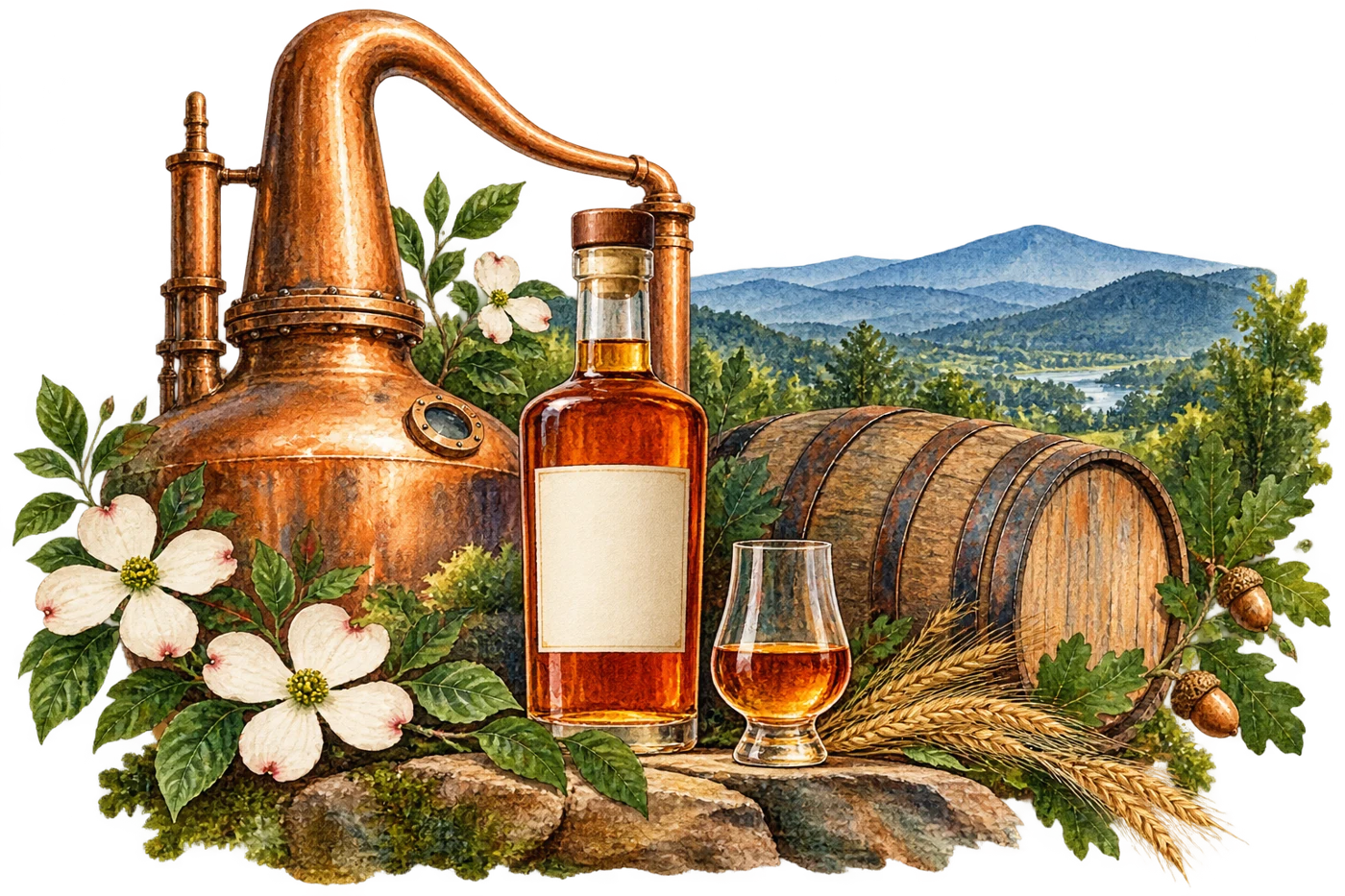
Original watercolor interpretations accompany the history. Buildings, objects and scenes are symbolic, not documentary reconstructions.
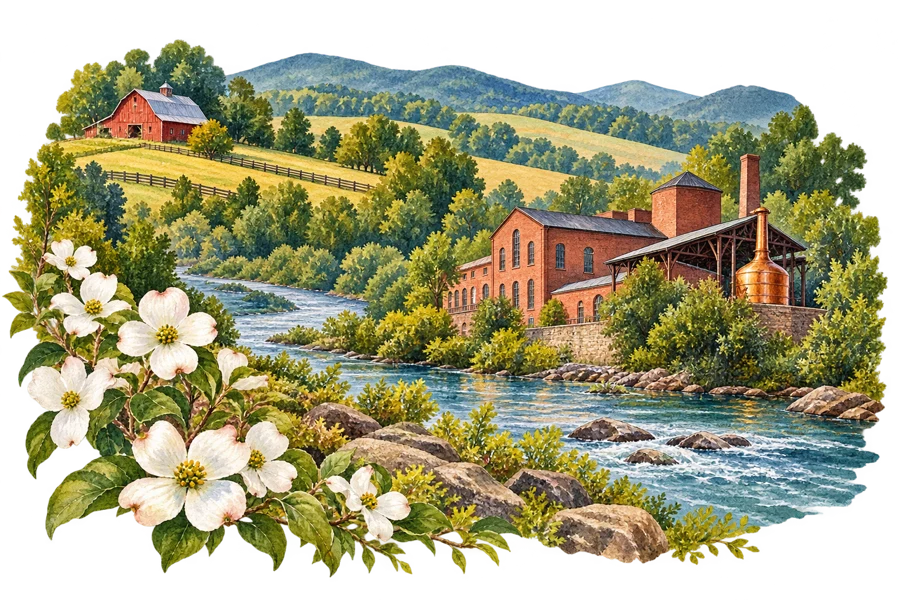
The Fairfax County farm is the early business setting. It is part of the origin story, not the address of today’s visitor experience.[2]
The 1988 move places the modern operation near Fredericksburg in Spotsylvania County. A continuing company can occupy a different physical site.[18]
The producer lists its Fredericksburg address here. Its working-distillery tour connects the stillhouse, barreling and bottling to what visitors taste.[17][23]
The 2026 rye stocks matured in cooler Warehouse A. This account applies to that release.[10]
The earlier gingerbread account follows barrels to Hardywood, where they held stout before returning for whiskey finishing. This is a cask collaboration, not another Bowman distillery.[16]
Trace the producer, its expression families and the distinct roles of collaborators and historical personnel.
Ownership
Sazerac acquired the distillery in 2003. Corporate ownership differs from the historical family names on labels.[3]
Core bourbon
The small-batch bourbon family. A shared producer connects it to the other labels, while its bottling approach and proof remain its own.[4]
Core bourbon
The single-barrel expression. Individual-barrel selection differs from assembling a small batch, even within the same house.[5]
Finished bourbon
A port-finished bourbon, connected by method to an earlier Abraham experiment. It remains a separate named release.[6]
Experimental whiskey
The limited-edition experimental collection. Mash bills, wood, maturation and proof can change from one edition to another.[19]
Annual series
An annual high-proof bourbon line introduced in 2021. Its batch-specific age and proof must be read on the correct release.[12]
Equipment maker
The Louisville builder named in the 2015 announcement for George. A still supplier is a production relationship, not an ownership branch.[7]
Historical finishing collaboration
A brewery partner in the historical gingerbread-barrel journey. The relationship concerns casks and flavor, not corporate control.[16]
Selected wider context
Gin, vodka and Caribbean rum also appear in dated producer records. The whiskey story is one part of the portfolio; a rum label does not establish Virginia distillation of its original spirit.[21]
Recipes, fermentation, oak and mingling shape the whiskey. Keep every specification tied to the expression and edition named.
The current producer overview describes spirit-making stages. It does not verify the upstream origin of every historical bourbon batch.[1]
Bowman Brothers is described as triple distilled from corn, rye and malted barley. The product page supplies ingredients, not exact mash percentages.[4]
The producer names its stills for the parents of the historical brothers. Mary predates George; the 2015 announcement details the newer hybrid pot’s experimental capabilities.[1][7]
The first Cask Strength was minimum ten years old. The third used minimum-nine-year whiskey. The change demonstrates why one edition’s age cannot stand in for an entire series.[12][13]
Isaac receives port-barrel finishing after charred-white-oak maturation. The second wood environment distinguishes this bourbon.[6]
The oak series asks how different oak types and charring shape whiskey. French and American releases precede Hungarian Oak, making wood an explicit subject rather than background scenery.[14][15]
The 2021 fact sheet describes corn and rye from Culpeper and an interest in heritage varieties. It is evidence of that period’s sourcing account, not a perpetual or bottle-specific guarantee.[23]
The producer presents bottling as in-house Virginia work. That final stage is important, but it does not by itself reveal the origin of the grain or every earlier distillation.[17]
The founder and the four historical brothers are different generations. Reading those names as a family vocabulary makes more sense than assigning all of them a role in the 1934 company.[4]
Isaac’s page traces its finishing approach to Abraham’s 2016 winner. A related method links two distinct releases.[6]
In the earlier gingerbread project, bourbon barrels went to Hardywood for stout, then returned. A cask’s previous contents can become the next whiskey experiment. The producer page mixes editions, so the historical sequence remains labeled.[16]
A 2019 apple-brandy announcement describes yeast selected for floral and fruit character. It reveals experimentation beyond bourbon and the usefulness of choosing a process for a particular ingredient.[20]
Bock’s 2025 account credits work begun under Cox more than fourteen years earlier. The finished whiskey reflects both an initial idea and the later decisions that bring mature stocks together.[9]
A 2022 producer announcement records recognition in the Icons of Whisky America. More useful than a general slogan, its dated context sits beside the actual experimental releases.[22]
Bock reports tasting the 2026 rye at different strengths before choosing 110 proof. It is release-specific.[10]
A curated reading of the whiskey family, selected for its role in the story. This is not an exhaustive current catalog.
The core small-batch introduction, identified by corn, rye and malted barley and the producer’s triple-distillation account.[4]
A single-barrel perspective on the house, historically recognized in 2017. No universal exact age is inferred from selection of older stocks.[5]
Port-barrel finishing adds a distinct route through the bourbon family. The release is separate from the earlier Abraham award-winning experiment.[6]
The inaugural 2021 release is 141.1 proof and minimum ten years old. The third announcement states 135.1 proof and minimum nine years.[12][13]
Release 20 returns to stout finishing after oak maturation. The dated announcement separates it from the first gingerbread project.[11]
French Oak, American Oak and Hungarian Oak study different wood environments. These are separate experimental releases, not three interchangeable bottles.[14][15]
Eleven-year rye bottled at 110 proof in 2026 reconnects the collection with its original category.[10]
Approved watercolor artwork is shown wherever an exact physical record or confirmed release match is available. Each physical bottle keeps its own verified details.
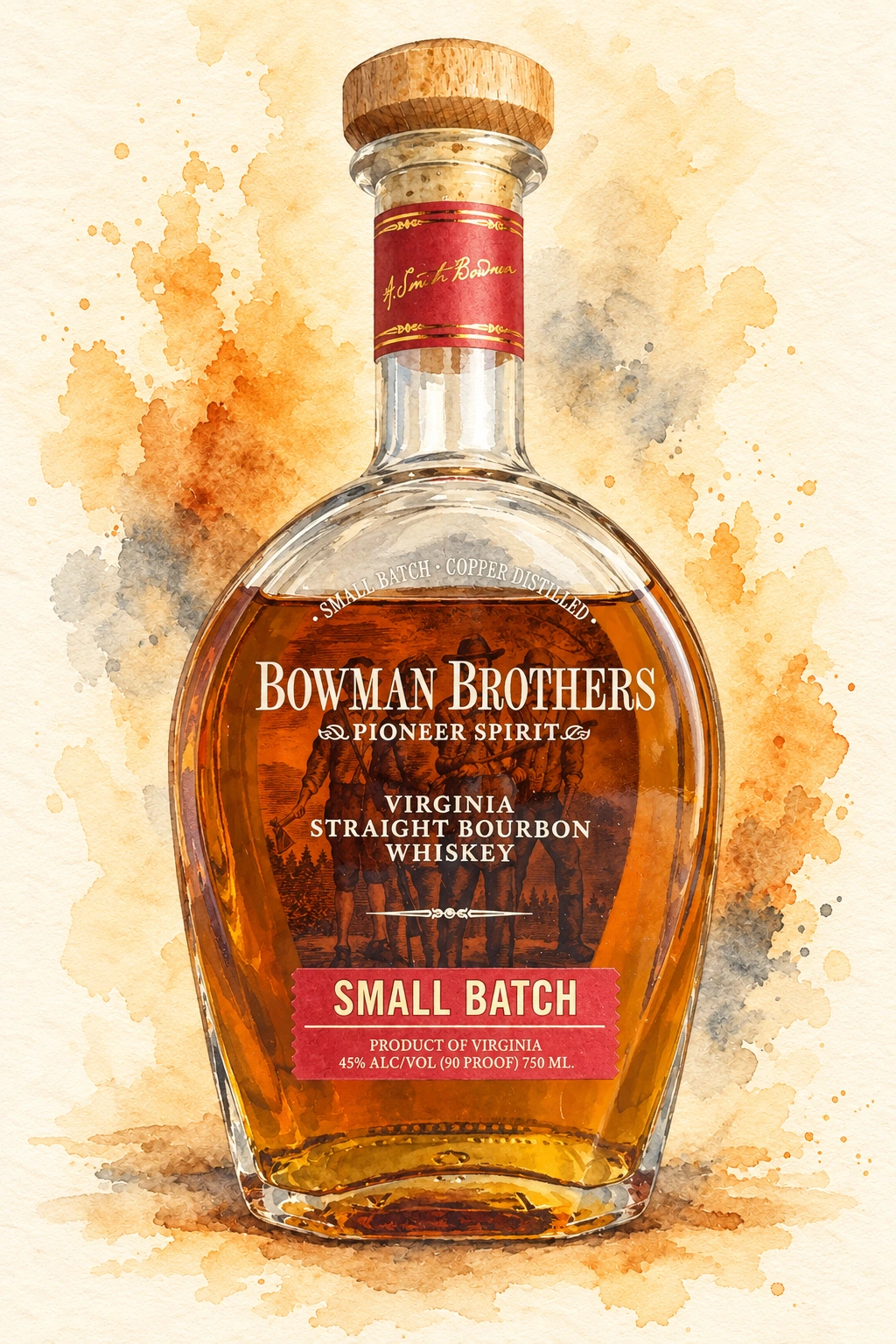
W0107 · 90 proof
The photographed Bowman Brothers Small Batch bottle confirms 90 proof / 45% ABV and 750 mL. Printed label codes remain preserved in the originals and have not been interpreted as batch or production dates. No numerical age or barrel number is inferred.
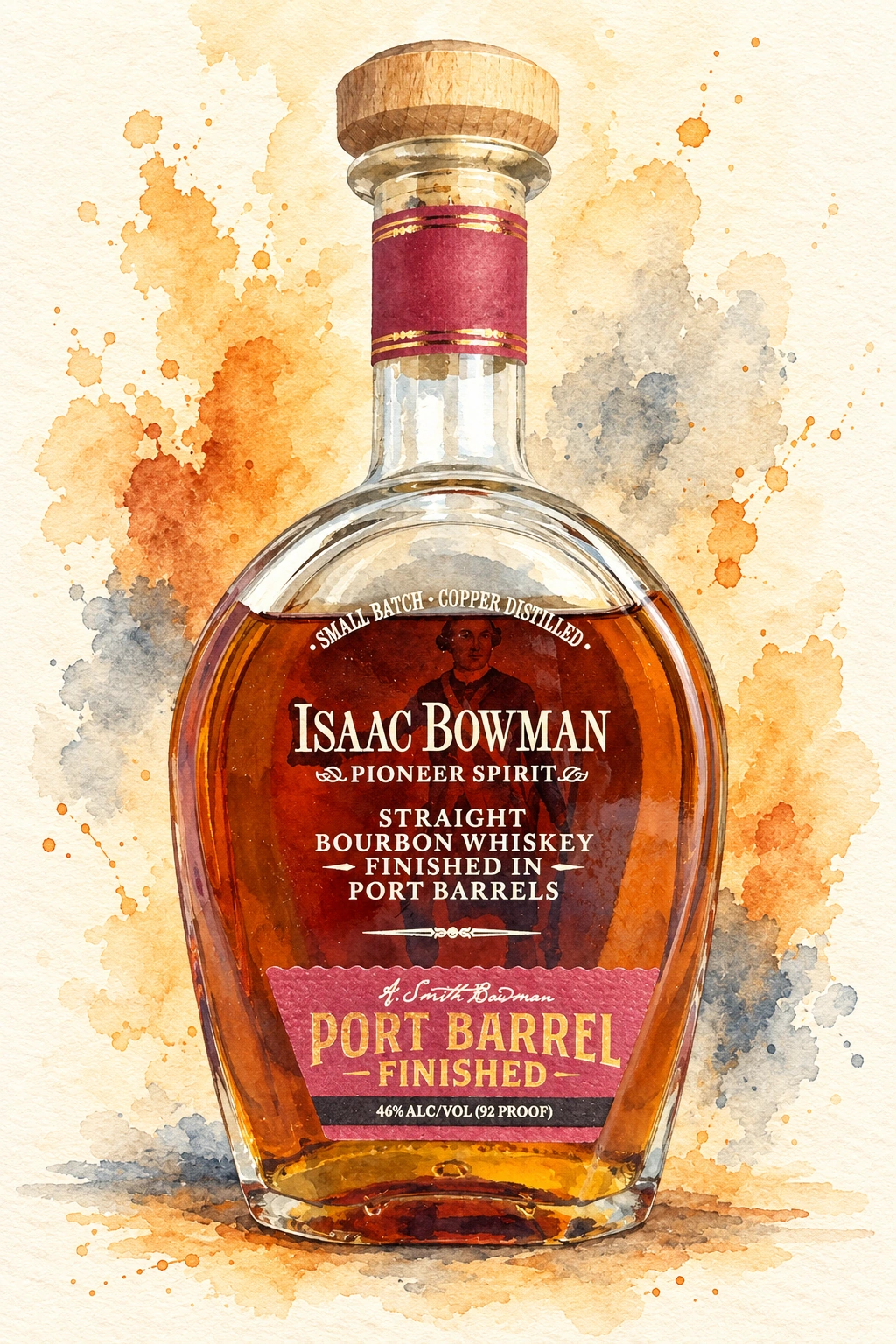
W0266 · 92 proof
The photographed label confirms Isaac Bowman straight bourbon whiskey finished in port barrels at 92 proof / 46% ABV and 750 mL. The back names A. Smith Bowman Distillery in Fredericksburg, Virginia as producer; that wording does not establish every base-spirit distillation source. No numerical age, exact finishing duration, batch, barrel or bottling date is shown.
Collection snapshot: October 23, 2026. Two physical records, each linked to its own inventory entry. Batch and proof distinctions are preserved.
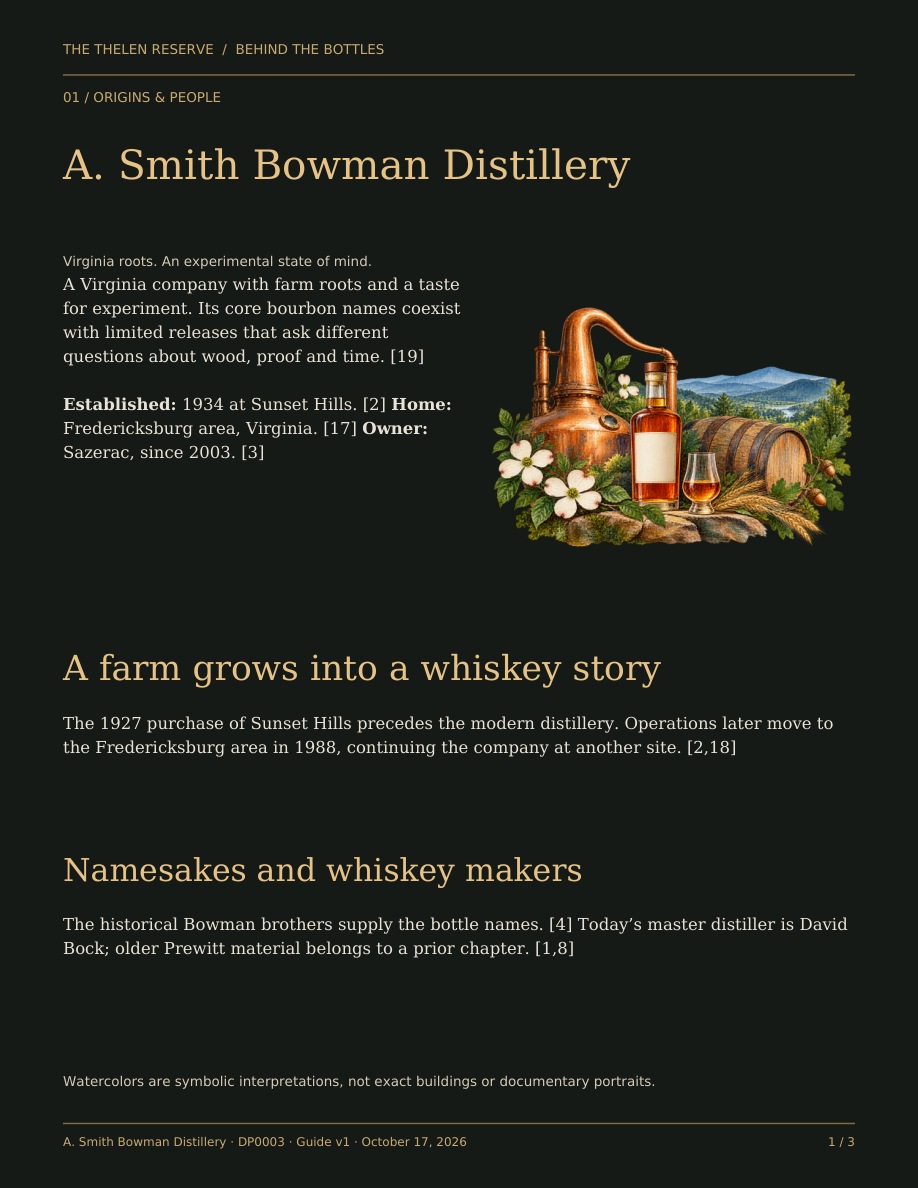
Origins and people, history and places, whiskey and stories. A concise companion to this complete profile, with linked research sources.
Researched October 17, 2026. Official brand and company pages, dated announcements and clearly identified supporting sources are distinguished in the research. Product specifications are release- and market-specific.